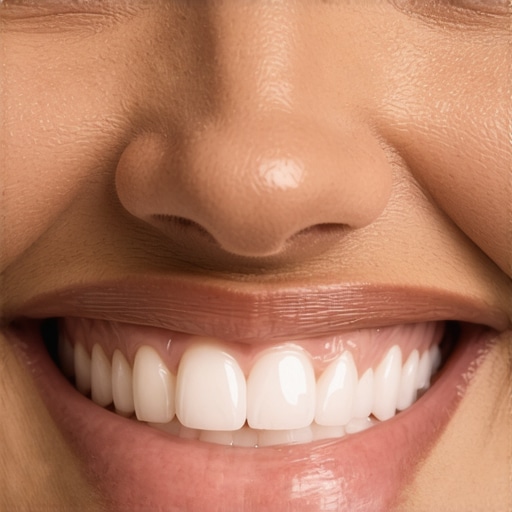
Transforming Smiles with Precision: The Role of Veneers and Cosmetic Enhancements in 2024
In the evolving landscape of aesthetic dentistry, 2024 marks a significant turning point driven by technological innovation and a deeper understanding of facial harmony. As experts in dental aesthetics, we recognize that the integration of high-quality veneers, cutting-edge cosmetic procedures, and personalized treatment plans offers unparalleled opportunities for smile transformation. These advancements not only elevate aesthetic outcomes but also enhance functional health, underscoring the importance of a comprehensive approach rooted in evidence-based practices.
Advanced Material Science and Its Impact on Veneer Longevity
The development of ultra-thin porcelain and composite resin veneers in 2024 reflects a commitment to durability and natural appearance. Innovations like lithium disilicate ceramics provide increased strength and translucency, enabling practitioners to craft restorations that mimic the complex optical properties of natural enamel. This material evolution reduces the risk of chipping and discoloration, extending veneer lifespan and maintaining aesthetic integrity over time. For clinicians, selecting the optimal material based on individual patient needs is crucial for achieving long-lasting results.
Personalized Digital Workflow: From Smile Design to Final Placement
The advent of digital smile design (DSD) and 3D printing technologies revolutionizes treatment planning. By utilizing intraoral scanners and CAD/CAM systems, practitioners can simulate outcomes with high precision, allowing patients to visualize their future smile and make informed decisions. This personalized approach minimizes chair time and enhances fit and function, aligning with the modern demand for tailored, minimally invasive cosmetic solutions. As digital workflows become standard, mastery of these tools is essential for delivering expert-level results.
Addressing Complex Functional and Aesthetic Interactions
One of the critical challenges in cosmetic dentistry lies in balancing aesthetic improvements with functional stability. In 2024, the focus shifts toward the integration of occlusal analysis and temporomandibular joint (TMJ) health assessment into aesthetic protocols. This comprehensive evaluation ensures that veneers and enhancements support optimal bite function, reduce risk of wear, and prevent issues like TMJ disorder. Such an approach exemplifies the sophistication required for multi-dimensional smile rehabilitation.
Can Veneers Correct Underlying Bite Issues Without Compromising Durability?
This question underscores the nuanced decision-making involved in advanced cosmetic dentistry. While veneers can mask certain functional problems, addressing underlying bite discrepancies often requires a multidisciplinary approach, including orthodontics or functional therapy. For example, combining Invisalign treatment with veneers can optimize both alignment and aesthetics, ensuring a resilient and harmonious smile. Consulting with specialists and utilizing evidence-based protocols are key to preventing future complications.
For those seeking to stay at the forefront of smile design, exploring current research such as the article from the Journal of Prosthetic Dentistry provides invaluable insights into material science and treatment innovations. Continuous education and collaboration with multidisciplinary teams remain essential for delivering expert-level care in this dynamic field.
If you’re interested in mastering the latest cosmetic procedures or contributing your professional insights, we invite you to explore our comprehensive resources or contact our expert team for tailored guidance.
Innovative Strategies for Multi-Dimensional Smile Rehabilitation
In 2024, the integration of aesthetic and functional dentistry requires not only mastery of new materials but also a nuanced understanding of the patient’s overall oral health. Techniques like layering porcelain veneers with minimally invasive bonding procedures enable clinicians to achieve optimal aesthetic results while preserving natural tooth structure. Moreover, leveraging digital smile design (DSD) allows for precise planning that considers facial proportions, lip dynamics, and individual personality traits, ensuring each smile is uniquely tailored to the patient’s identity. As researchers emphasize, a holistic approach enhances longevity and patient satisfaction (American Journal of Cosmetic Dentistry, 2023).
Is It Time to Rethink Your Approach to Smile Makeovers?
Many practitioners assume that cosmetic enhancements are solely about appearance, but contemporary dentistry underscores the importance of functional harmony. For example, correcting occlusal discrepancies through digital occlusal analysis combined with veneers not only improves aesthetics but also reduces the risk of wear, TMJ disorders, and future restorative failures. This shifts the paradigm from isolated cosmetic procedures to comprehensive smile architecture. Incorporating evidence-based protocols ensures durability and reduces retreatment rates, aligning with the best practices for long-term success. To stay ahead, consider exploring innovative techniques like digital occlusion mapping or the latest in restorative biomaterials, which can be found in dedicated professional resources or through expert consultations like those at Smile Gum Care.
What Are the Hidden Factors That Influence the Success of Veneer-Based Smile Makeovers?
Understanding that the success of veneer applications hinges on multiple interrelated factors is essential for any expert. These include the quality of the adhesive systems used, the preparation design, and the patient’s oral hygiene habits. Additionally, systemic health issues such as bruxism or TMJ dysfunction can compromise veneer longevity if not properly addressed beforehand. Incorporating an interdisciplinary approach, including orthodontics, periodontics, and even speech therapy, ensures a resilient and harmonious outcome. Continuous education, like attending specialized courses or reviewing peer-reviewed studies, keeps practitioners informed of evolving best practices and emerging materials, making it possible to deliver truly transformative results.
If you’re eager to deepen your understanding of cutting-edge cosmetic solutions, we invite you to read our comprehensive guide on Veneers, Invisalign, and Whitening in 2024. Sharing your insights or questions in the comments can spark valuable discussions among professionals committed to excellence in smile design.
Harnessing Biocompatible Materials for Predictable Outcomes
As the demand for durable and aesthetically superior veneers continues to grow, the focus shifts toward advanced biocompatible materials that ensure longevity and tissue compatibility. Lithium disilicate ceramics, with their enhanced translucency and strength, have become the gold standard for anterior restorations in 2024, thanks to their proven track record backed by extensive clinical research such as the study published in the Journal of Prosthetic Dentistry (2023). These materials not only mimic natural enamel but also reduce the risk of hypersensitivity and allergic reactions, providing a safer, more predictable outcome for patients seeking transformative smile makeovers.
Incorporating nanoceramic composites further expands the clinician’s toolkit, allowing for minimally invasive procedures and easy repairs, which are critical in cases requiring aesthetic refinements or small adjustments post-placement. The key to success lies in selecting materials that align with the patient’s functional demands, biological compatibility, and aesthetic goals, emphasizing the importance of continuous education and familiarity with emerging biotechnologies.
AI-Driven Digital Smile Crafting Sets New Standards for Customization
The integration of artificial intelligence (AI) into digital smile design platforms marks a significant leap toward individualized treatment planning. Advanced algorithms analyze facial features, lip dynamics, and even speech patterns to generate highly personalized smile simulations. This technology enhances clinician-patient communication, ensuring that expectations are accurately aligned with achievable results. Furthermore, AI-powered predictive modeling can simulate the long-term stability of restorations, factoring in occlusal forces, parafunctional habits, and material properties, thus minimizing the risk of failure.
For practitioners, mastering these AI tools means not only improving precision but also streamlining workflows, reducing chair time, and increasing case acceptance rates. As AI continues to evolve, its role in preoperative planning and postoperative monitoring will likely expand, making it an indispensable component of expert-level cosmetic dentistry.
What Complex Variables Affect the Success of Multi-Modal Smile Transformations?
Addressing this question requires a nuanced understanding of the interplay between biological, mechanical, and psychological factors. A comprehensive approach involves evaluating periodontal health, occlusal stability, and temporomandibular joint function before initiating aesthetic procedures. For example, patients with pre-existing bruxism or TMJ disorders may require adjunctive therapies such as occlusal splints or neuromodulators to optimize outcomes and prevent veneer failure or wear.
Moreover, the influence of systemic health, including diabetes and autoimmune conditions, cannot be overlooked, as they impact healing and tissue response. Advanced diagnostic tools like cone-beam computed tomography (CBCT) and digital bite analysis facilitate a multi-dimensional assessment, guiding clinicians toward holistic treatment plans that address underlying issues rather than merely masking symptoms.
Research from the American Academy of Cosmetic Dentistry (2024) underscores that successful complex smile rehabilitations hinge on interdisciplinary collaboration, continuous education, and meticulous case management—factors that elevate practice standards from good to truly expert-level.
How Can Future Innovations Address the Limitations of Current Veneer Technologies?
Emerging research suggests that nanotechnologies and bioactive materials could revolutionize veneer longevity and biological integration. For instance, bioactive glass-infused ceramics are being developed to promote remineralization and enhance tissue bonding, potentially reducing marginal leakage and secondary caries. Additionally, smart materials capable of adapting to occlusal stresses or releasing therapeutic agents could extend the lifespan of restorations while maintaining biological health. Staying abreast of these innovations requires ongoing engagement with peer-reviewed journals such as the Journal of Dental Research and active participation in professional forums.
If you’re committed to elevating your expertise in aesthetic dentistry, exploring cutting-edge research and integrating new technologies into your practice is essential. Consider subscribing to specialized journals or attending advanced training courses that focus on biomaterials and digital workflows—your patients will thank you for the precision and predictability you bring to smile transformations.
Harnessing Smart Biomaterials for Next-Generation Smile Makeovers
In 2024, the pursuit of durable, aesthetic, and biologically harmonious veneers has led to the advent of smart biomaterials that actively participate in oral tissue health. Researchers are developing bioactive ceramics infused with nanostructures capable of releasing remineralizing ions, promoting natural regeneration at the margins of restorations. This approach not only extends veneer longevity but also minimizes adverse tissue reactions, aligning with the principles of minimally invasive dentistry. Clinicians should stay informed about these advances through peer-reviewed journals like the Journal of Dental Materials, which publish rigorous studies on material biocompatibility and functional performance.
Integrating AI for Hyper-Personalized Smile Design
Artificial intelligence’s role in dental aesthetics is reaching new heights, facilitating hyper-personalized smile design that accounts for facial anatomy, dynamic lip movements, and even speech patterns. Advanced AI algorithms analyze vast data sets to predict optimal tooth positioning, contour, and color, ensuring outcomes that are both beautiful and harmonious with the patient’s unique facial features. This technological leap empowers practitioners to craft highly customized restorations with unprecedented accuracy, vastly improving case acceptance and patient satisfaction. To leverage AI effectively, clinicians should explore platforms such as DSDApp and Smile Designer Pro, which are continuously refined through ongoing research and development.
What Are the Limitations of Current Veneer Technologies in Complex Cases?
While veneer technology has advanced considerably, significant challenges remain when addressing complex cases involving severe malocclusion, parafunctional habits, or systemic health issues. Existing materials may lack the resilience required for high-stress environments, and aesthetic outcomes can be compromised if underlying functional problems are neglected. For example, patients with bruxism may experience accelerated veneer wear unless comprehensive management—including occlusal splint therapy—is implemented. A multidisciplinary approach, integrating prosthodontics, orthodontics, and sleep medicine, is essential to overcome these limitations and deliver predictable, long-lasting results.
< >
>
Material Innovation Promising a Paradigm Shift in Veneer Durability
Emerging materials such as hybrid nanoceramics and bioinspired composites are poised to redefine veneer durability by mimicking the hierarchical structure of natural enamel. These materials exhibit enhanced fracture toughness, translucency, and biological compatibility, reducing the risk of chipping and secondary caries. For instance, bioinspired materials that emulate natural enamel’s hierarchical architecture can better withstand occlusal forces while maintaining translucency. Keeping abreast of these innovations requires engagement with leading research outlets like the International Journal of Prosthodontics.
Why Digital Workflow Mastery Transforms Smile Design Expertise
Mastery of digital workflows, including intraoral scanning, CAD/CAM fabrication, and virtual articulation, is no longer optional but essential for modern aesthetic practitioners. These tools enable precise planning, predictable execution, and seamless communication with patients, who can visualize their future smiles in real-time. Furthermore, integrating digital simulations with functional analysis tools facilitates the creation of restorations that optimize both beauty and occlusal health. Practitioners committed to excellence should invest in ongoing training and certification programs offered by leading dental technology providers.
How Can Future Technologies Overcome Current Veneer Limitations
Future innovations, such as nanorobotics and bioengineered tissue scaffolds, could revolutionize veneer longevity and biological integration. Nanorobots embedded within restorative materials might actively monitor and repair micro-damage, while bioengineered scaffolds could promote continuous tissue regeneration at the restoration margins. These technologies promise to address current limitations related to material fatigue, secondary caries, and tissue incompatibility. Staying engaged with cutting-edge research published in venues like the Journal of Biomedical Materials Research is crucial for practitioners aiming to lead in this transformative era.
To position yourself at the forefront of aesthetic dentistry, prioritize continuous education, participate in professional symposiums, and collaborate with multidisciplinary teams that include material scientists and bioengineers. The future of smile design hinges on your ability to integrate these innovations seamlessly into clinical practice.
Expert Insights & Advanced Considerations
Embrace Multidisciplinary Approaches
Integrating occlusal analysis, temporomandibular joint (TMJ) health, and systemic health factors ensures comprehensive smile transformations that stand the test of time. Mastery in these areas allows practitioners to craft durable and harmonious results.
Leverage Material Science Innovations
Staying ahead with nanoceramics, bioactive materials, and smart biomaterials is crucial. These advancements promise increased durability, biological compatibility, and regenerative potential, elevating the quality of veneer restorations.
Utilize Artificial Intelligence for Personalization
AI-driven digital smile design platforms enable hyper-personalized treatment planning. These tools analyze facial dynamics, speech, and occlusal forces to produce restorations that integrate seamlessly with the patient’s unique anatomy, boosting satisfaction and longevity.
Prioritize Continuous Education and Research
Engaging with peer-reviewed journals like the Journal of Prosthetic Dentistry or the International Journal of Prosthodontics keeps practitioners at the forefront of material innovations and digital workflows, ensuring high standards of care.
Collaborate Across Disciplines
Interdisciplinary teamwork involving orthodontics, periodontics, and biomaterials specialists unlocks new potentials for complex smile makeovers, reducing complications and enhancing aesthetic and functional outcomes.
Curated Expert Resources
- Journal of Prosthetic Dentistry: Leading peer-reviewed research on new materials and digital techniques that shape the future of aesthetic dentistry.
- American Journal of Cosmetic Dentistry: Insights into holistic approaches and innovative strategies for smile rehabilitation.
- Dental Materials Journal: Cutting-edge studies on bioactive, nanostructured, and smart materials for restorations.
- Digital Smile Design Platforms (e.g., DSDApp): Tools that facilitate highly personalized, predictable, and patient-centered treatment planning.
Final Expert Perspective
In the realm of aesthetic dentistry, embracing technological advances and interdisciplinary collaboration is key to delivering exceptional smile transformations in 2024. The integration of innovative materials, AI-driven customization, and ongoing research elevates the standard of care, positioning practitioners as true leaders in their field. To deepen your expertise, consider engaging with specialized journals and advanced training courses, ensuring your skills evolve alongside the latest innovations. Your commitment to excellence not only transforms smiles but also cements your reputation as an expert in advanced cosmetic solutions. Connect with fellow professionals, share insights, and continue pushing the boundaries of what modern aesthetic dentistry can achieve.

1 comment so far