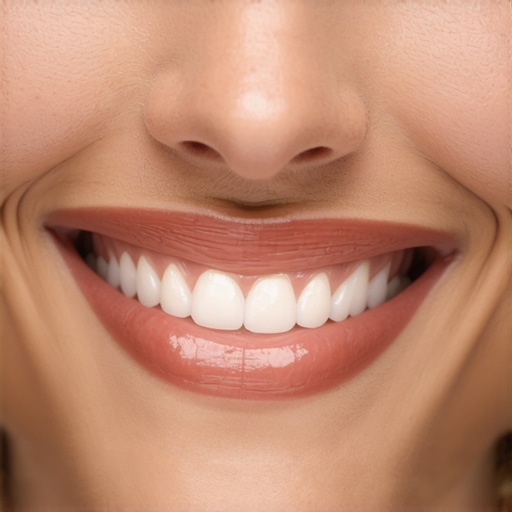
Elevating Dental Aesthetics: The Strategic Role of Veneers and Cosmetic Procedures in Modern Smile Design
As a seasoned dental professional, I recognize that the pursuit of a perfect smile has transcended vanity, becoming an essential component of personal confidence and social influence. In 2024, the integration of advanced veneers and cosmetic enhancements is reshaping how practitioners approach smile makeovers, emphasizing personalized, minimally invasive solutions that align with individual facial dynamics and aesthetic goals.
Innovative Materials and Techniques Driving the Future of Veneers
Contemporary veneer fabrication benefits from breakthroughs in ceramic technology, notably lithium disilicate and zirconia composites, which offer unparalleled strength, translucency, and biocompatibility. These materials facilitate the creation of ultra-thin, durable veneers that require minimal tooth reduction, preserving natural tooth structure—a critical factor in maintaining long-term oral health. Additionally, digital smile design (DSD) platforms enable precise planning and simulation, allowing both clinicians and patients to visualize outcomes with remarkable accuracy before treatment initiation.
The Complex Interplay Between Cosmetic Enhancements and Functional Restoration
Beyond mere aesthetic improvement, cosmetic dental procedures now incorporate functional considerations such as occlusion stability, periodontal health, and jaw biomechanics. For instance, veneers can be integrated with orthodontic or guided tissue regeneration techniques to address underlying skeletal discrepancies, ensuring that aesthetic results do not compromise oral function. This holistic approach underscores the importance of interdisciplinary collaboration in achieving sustainable smile transformations.
Addressing the Nuances of Patient-Specific Aesthetic Goals
Tailoring cosmetic treatments to individual facial features, personality traits, and cultural perceptions remains paramount. A nuanced understanding of facial proportion analysis—considering elements like the golden ratio, smile line, and lip dynamics—guides the design of veneers that harmonize with each patient’s unique anatomy. Advanced diagnostic tools, including 3D imaging and photogrammetry, enhance this personalization, fostering outcomes that are both natural-looking and emotionally resonant.
What Are the Challenges in Implementing Cutting-Edge Cosmetic Solutions Today?
How do practitioners balance technological advancements with patient safety and affordability in high-end smile makeovers?
Integrating novel materials and digital workflows demands rigorous training and investment, which may pose barriers for some practices. Ensuring that safety protocols are maintained, especially with the increasing popularity of minimally invasive procedures, necessitates continuous education and adherence to evidence-based standards. Moreover, aligning treatment costs with patient expectations requires transparent communication and flexible financing options, emphasizing that high-quality cosmetic care should remain accessible.
To deepen your understanding of the latest innovations, explore detailed procedural insights at Veneers Made Simple. For a comprehensive overview of smile enhancement strategies, consult authoritative sources such as the Journal of Esthetic and Restorative Dentistry, which regularly publishes peer-reviewed research on material science and procedural efficacy.
As the landscape of cosmetic dentistry evolves, the role of evidence-based practice, technological integration, and personalized care becomes ever more critical. For dental professionals committed to excellence, embracing these advancements enables the delivery of transformative, durable, and natural-looking smiles that meet the sophisticated demands of 2024.
Blending Art and Science for Perfect Smile Design in 2024
As dental technology advances rapidly, clinicians are now empowered to craft smiles that are not only beautiful but also precisely tailored to each individual’s facial harmony. The integration of digital smile design (DSD) with AI-driven imaging tools allows practitioners to simulate the final outcome with unprecedented accuracy, fostering greater patient trust and satisfaction. These innovations help anticipate how veneers, crowns, or orthodontic appliances will influence facial aesthetics, ensuring harmonious results that boost self-confidence.
Moreover, the use of 3D printing in creating highly customized restorations reduces turnaround time and enhances fit precision. This synergy between digital planning and manufacturing accelerates treatment timelines without compromising quality, creating a seamless experience for patients eager for swift, stunning results.
Could Artificial Intelligence Revolutionize Smile Makeover Planning?
Emerging AI algorithms are now capable of analyzing facial features, skin tone, and even personality traits to recommend optimal aesthetic solutions. These systems can process vast datasets of successful smile designs, enabling clinicians to select the most suitable approach for each patient, thus elevating the standard of personalized care. Staying ahead in this field requires practitioners to continuously update their skills and embrace these intelligent tools, which are poised to redefine the boundaries of cosmetic dentistry.
For those interested in the latest digital innovations, exploring resources like Invisalign’s digital platform and smile design software can provide valuable insights into how technology enhances aesthetic outcomes.
Additionally, understanding the role of bioactive ceramics and nanocomposite materials is crucial for creating durable, biocompatible restorations that mimic natural tooth translucency and texture. These materials, combined with precise digital fabrication, ensure that each smile makeover not only looks stunning but also maintains long-term health and functionality.
In the realm of patient communication, virtual reality (VR) previews are becoming increasingly popular, allowing individuals to visualize their new smile in a simulated environment before committing to treatment. This immersive experience helps manage expectations and fosters informed decision-making, ultimately leading to higher satisfaction rates.
By embracing these technological strides, dental professionals can deliver transformative results that meet the evolving aesthetic desires of their patients. The future of smile design is a harmonious blend of artistic vision and scientific innovation, promising remarkable outcomes in 2024 and beyond.
Harnessing Digital Precision to Achieve Flawless Aesthetic Outcomes
As the field of cosmetic dentistry advances, the integration of digital technology has revolutionized how practitioners approach smile design. Digital smile design (DSD) platforms now incorporate 3D facial scanning, allowing for meticulous planning that considers not only the teeth but the entire facial structure. This holistic approach ensures that restorations enhance facial harmony, leading to more natural and personalized results. By employing high-resolution imaging and sophisticated software, clinicians can simulate various aesthetic outcomes, refine their plans with patient input, and make data-driven decisions that elevate treatment accuracy and predictability.
Emerging Material Science and Its Impact on Longevity and Naturalness
Recent developments in bioactive ceramics and nanocomposite resins are pushing the boundaries of restorative material performance. These materials mimic the optical properties of natural enamel more closely than ever before, thanks to advancements in translucency and surface texture replication. Moreover, their biocompatibility ensures better integration with surrounding tissues and reduces the risk of adverse reactions. Critical to long-term success, these innovations also contribute to increased resistance against staining and wear, maintaining the aesthetic quality of restorations over decades. For example, lithium disilicate ceramics now offer exceptional strength in ultrathin veneers, enabling conservative preparations without compromising durability.
What role does patient-specific biomimicry play in next-generation smile design?
Incorporating patient-specific biomimicry involves tailoring restorations that not only match aesthetic preferences but also replicate the microstructure and mechanical properties of natural teeth. This approach requires a nuanced understanding of enamel and dentin composition, as well as the anisotropic properties that influence light transmission and resistance to fracture. Techniques such as micro-CT scanning combined with CAD/CAM manufacturing facilitate the creation of restorations that seamlessly blend with the patient’s existing dentition, providing both functional resilience and aesthetic harmony.
According to the Journal of Esthetic and Restorative Dentistry, the future of biomimetic restorations hinges on integrating nanotechnology and regenerative principles, paving the way for more sustainable and tissue-friendly solutions.
Enhancing Patient Engagement Through Virtual Reality and AI-Driven Customization
Beyond static imaging, virtual reality (VR) tools now enable patients to immerse themselves in a simulated preview of their prospective smile. This immersive experience not only enhances understanding and expectation management but also fosters collaborative decision-making. When combined with artificial intelligence (AI), these systems analyze facial features, skin tone, and even personality traits to optimize aesthetic parameters, ensuring outcomes resonate with the patient’s identity and preferences. Such AI-driven customization accelerates treatment planning and reduces the likelihood of revision, ultimately leading to higher patient satisfaction.
For clinicians aiming to harness these innovations, exploring platforms like Invisalign’s AI-enhanced planning tools and VR visualization software can provide invaluable insights into the future of aesthetic dentistry.
Future-Forward Approaches to Smile Rehabilitation That Prioritize Sustainability and Patient Well-being
As sustainability becomes a central theme in healthcare, the development of eco-friendly materials and minimally invasive techniques takes on new significance. The use of bioactive, biodegradable ceramics and low-impact digital workflows reduces the environmental footprint of restorative procedures. Additionally, adopting a minimally invasive philosophy minimizes tissue trauma, shortens recovery times, and preserves natural tooth structure—integral to long-term oral health. These strategies align with the broader healthcare goal of delivering high-quality, patient-centered care that respects both individual health and planetary well-being.
For practitioners committed to staying at the forefront, engaging with ongoing research in sustainable dental materials and digital workflow optimization is essential. Continuous education through peer-reviewed journals such as the Journal of Oral Rehabilitation ensures that your practice remains innovative, effective, and responsible.
Harnessing the Power of Digital Smile Architecture for Ultimate Precision
In 2024, the integration of virtual reality (VR) and augmented reality (AR) into smile design represents a paradigm shift, transforming patient engagement and outcome predictability. By utilizing immersive visualization tools, clinicians can demonstrate prospective results with unparalleled realism, fostering collaborative decision-making and reducing treatment uncertainties. The deployment of high-resolution 3D facial scanning combined with AI-based predictive modeling enables practitioners to craft restorations that harmonize seamlessly with facial proportions, skin tone, and individual personality traits, elevating personalized aesthetic excellence.
Innovative Materials Reshape the Longevity and Naturalness of Restorations
Advances in nanotechnology-driven composites and bioactive ceramics are redefining the boundaries of durability and optical mimicry. Materials such as lithium disilicate and zirconia variants now feature enhanced translucency, fracture resistance, and biocompatibility, allowing for ultrathin veneers and conservative restorations that preserve natural tissue architecture. These innovations facilitate not only superior aesthetics but also improved resistance to staining, wear, and thermal cycling, ensuring long-term stability and patient satisfaction.
What is the role of biomimicry in next-gen smile design, and how does it influence material selection?
Biomimicry in restorative dentistry involves replicating the microstructure and mechanical properties of natural dentition to achieve harmonious integration. This approach leverages micro-CT imaging, CAD/CAM technology, and nanostructured materials to produce restorations that emulate enamel’s anisotropic behavior and translucency, thereby enhancing both functional resilience and aesthetic realism. According to the Journal of Esthetic and Restorative Dentistry, biomimetic principles are pivotal in advancing tissue-friendly, sustainable solutions that align with regenerative medicine trends.
Unlocking AI’s Potential to Revolutionize Custom Aesthetic Solutions
Artificial intelligence (AI) algorithms now analyze extensive datasets encompassing facial anatomy, skin tone, and personality traits to recommend optimal aesthetic parameters. These intelligent systems facilitate rapid, precise planning, minimizing revisions and maximizing patient satisfaction. As AI continues to evolve, its capacity to personalize smile design will deepen, integrating seamlessly with digital workflows to deliver results that are not only visually stunning but also functionally superior.
Engaging with platforms like Invisalign’s AI-driven tools and advanced smile design software is essential for forward-thinking practitioners eager to stay ahead in aesthetic innovation.
Pioneering Eco-Conscious Approaches to Smile Restoration
As sustainability becomes integral to healthcare, the adoption of biodegradable, bioactive materials combined with digital workflows minimizes environmental impact. Techniques emphasizing minimally invasive procedures, tissue preservation, and low-impact digital fabrication contribute to a more sustainable practice model. These strategies align with a holistic philosophy of patient-centered care that prioritizes long-term health and planetary well-being, setting new standards in ethical aesthetic dentistry.
Practitioners dedicated to responsible innovation should continuously explore research in sustainable materials and digital efficiency, leveraging resources like the Journal of Oral Rehabilitation to inform best practices and remain at the forefront of eco-friendly dentistry.
Mastering the Art of Smile Transformation
In the rapidly evolving landscape of cosmetic dentistry, staying ahead requires a keen understanding of cutting-edge materials, personalized treatment planning, and technological integration. Experts emphasize that the future of smile design hinges on biomimetic materials that replicate natural tissue properties, digital workflows for precision, and AI-driven customization to tailor outcomes uniquely for each patient.
Harnessing Biomimicry for Natural Results
Utilizing nanostructured ceramics and bioactive composites allows for restorations that seamlessly mimic the optical and mechanical properties of natural enamel. This approach not only enhances aesthetic appeal but also promotes tissue compatibility and long-term durability.
Integrating Digital Technologies for Precision
Digital smile design platforms combined with 3D facial scanning enable clinicians to craft restorations that harmonize with facial proportions, ensuring both functional integrity and aesthetic harmony. Continuous advancements in CAD/CAM technologies facilitate the production of highly customized, minimally invasive restorations.
AI Personalization for Patient-Centric Care
Artificial intelligence algorithms analyze vast datasets to recommend optimal aesthetic parameters, considering individual facial features, skin tone, and personality traits. This intelligent customization leads to higher satisfaction and reduces the need for revisions.
Curated Expert Resources
- Journal of Esthetic and Restorative Dentistry: Offers peer-reviewed research on innovative materials and techniques shaping the future of smile design.
- American Academy of Cosmetic Dentistry (AACD): Provides guidelines, case studies, and continuing education focused on personalized aesthetic solutions.
- Digital Smile Design (DSD) Software: Cutting-edge tools that enable precise visualization and planning of cosmetic restorations.
Final Expert Perspective
The future of smile design in cosmetic dentistry is defined by an intricate blend of scientific innovation and artistic mastery. Embracing biomimetic materials, digital precision, and AI-driven personalization empowers professionals to create smiles that are not only stunning but also inherently harmonious with each patient’s unique facial identity. For practitioners committed to excellence, continuous engagement with emerging research and technological advancements is essential. Explore more about advanced smile transformation strategies at Veneers Made Simple and elevate your expertise to new heights.

1 comment so far