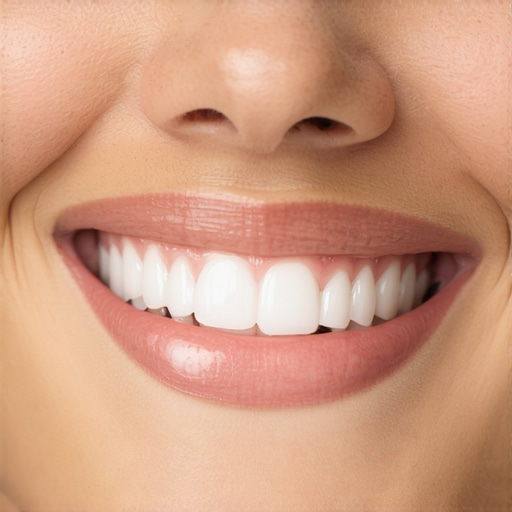
Transforming Dental Aesthetics: An Expert Approach to Smile Makeovers in 2024
In the realm of cosmetic dentistry, the pursuit of a flawless smile encompasses a nuanced interplay of advanced materials, innovative techniques, and personalized treatment planning. As we navigate into 2024, understanding the strategic integration of veneers, whitening, and aligners becomes paramount for delivering superior aesthetic outcomes. This article synthesizes expert perspectives on emerging trends, material science, and clinical best practices that define the latest smile makeover paradigms.
The Evolution of Veneer Technology: From Aesthetic Enhancement to Functional Durability
Modern porcelain veneers exemplify a convergence of art and science, offering clinicians the ability to correct a spectrum of cosmetic concerns—from discoloration to minor malocclusions. The advent of ultra-thin, lithium disilicate, and zirconia-based ceramics has revolutionized treatment options, enabling conservative preparations and enhanced longevity. Experts emphasize that selecting the appropriate veneer material hinges on a detailed analysis of biocompatibility, translucency, and resistance to staining, aligning with evidence-based protocols documented in peer-reviewed journals such as the Journal of Prosthetic Dentistry.
Integrating Cosmetic Enhancements with Functional Restoration
Beyond aesthetics, functional considerations—such as occlusal stability and periodontal health—are integral to successful smile makeovers. Combining veneers with minimally invasive whitening procedures and orthodontic corrections like Invisalign exemplifies a multidisciplinary approach that maximizes both form and function. This integrated methodology demands a comprehensive understanding of interdisciplinary workflows, ensuring that aesthetic improvements do not compromise long-term oral health.
What Are the Most Advanced Cosmetic Techniques for 2024?
How are emerging digital smile design tools reshaping treatment planning and patient outcomes?
Digital smile design (DSD) platforms have become instrumental in visualizing complex transformations, allowing clinicians to simulate outcomes with high precision. These tools facilitate collaborative planning and set realistic expectations, ultimately improving patient satisfaction. For instance, utilizing 3D imaging and CAD/CAM technology accelerates the fabrication process and enhances the fit and esthetics of veneers and crowns. To explore how these innovations are shaping modern practice, visit our detailed guide on Veneers Made Simple.
Another critical aspect is the choice of bonding agents and luting cements, which influence the adhesive strength and longevity of restorations. Advances in resin technology, such as dual-cure cements, have resulted in more predictable and durable bonds, especially in challenging clinical situations.
Expert Recommendations for Optimal Smile Makeover Outcomes
Clinicians are advised to prioritize patient-specific factors, including facial proportions, skin tone, and personality traits, to tailor treatment plans effectively. Incorporating evidence-based protocols—such as those outlined in the Invisalign Innovation—ensures that aligner therapy complements veneer placements and whitening procedures seamlessly. Continuous professional development, including attending specialized workshops and reviewing current literature, remains vital for maintaining expertise in this rapidly evolving field.
In conclusion, the future of smile makeovers in 2024 hinges on meticulous material selection, interdisciplinary collaboration, and leveraging cutting-edge digital tools to achieve results that are both stunning and sustainable. Embracing these advanced strategies positions practitioners as trusted authorities capable of delivering transformative patient experiences.
To deepen your understanding of the nuances in cosmetic dentistry, consider exploring our comprehensive resources or contributing your insights to the community of expert practitioners.
Revolutionizing Smile Design: The Impact of Artificial Intelligence and Machine Learning
As the field of cosmetic dentistry advances, the integration of artificial intelligence (AI) and machine learning (ML) tools is transforming treatment planning and patient communication. These technologies analyze vast datasets of clinical outcomes, patient preferences, and aesthetic parameters to assist clinicians in crafting highly personalized smile designs. For example, AI-driven algorithms can predict color matching, shape optimization, and even simulate post-treatment results with unprecedented accuracy, thereby elevating patient satisfaction and confidence. To explore the latest AI applications in smile design, visit our detailed discussion on Veneers and Digital Smile Design.
How can emerging digital tools challenge traditional aesthetic standards and expand creative possibilities for clinicians?
While traditional smile design relies heavily on clinician experience and patient input, emerging digital tools challenge these conventions by introducing new aesthetic possibilities and broader standards. For instance, virtual reality (VR) and augmented reality (AR) enable real-time visualization of potential outcomes, allowing both practitioners and patients to experiment with different styles before committing to treatment. This not only enhances communication but also broadens the scope for innovative, individualized aesthetics that might have been limited by conventional norms.
Material Science Meets Digital Precision: Enhancing Longevity and Aesthetic Outcomes
Material science continues to evolve, offering ultra-strong, highly translucent ceramics that mimic natural enamel. When combined with digital fabrication methods like CAD/CAM, these materials enable the creation of restorations that are both durable and esthetically superior. Experts emphasize that selecting the right material must consider factors such as wear resistance, translucency, and biocompatibility, aligning with peer-reviewed research in journals like the Journal of Prosthetic Dentistry. Additionally, the precision of digital workflows minimizes human error, ensuring restorations fit perfectly and last longer—key aspects of sustainable smile makeovers.
Personalized Aesthetics: Beyond Standard Protocols
One of the most exciting developments in 2024 is the move toward truly individualized smile aesthetics. Moving beyond generic templates or standard proportions, clinicians now incorporate facial analysis, personality assessment, and even cultural preferences into treatment planning. This holistic approach ensures that each smile enhancement aligns not only with technical criteria but also with the unique identity of the patient. Incorporating tools like 3D facial scanning and digital photogrammetry enhances this personalized process, allowing for a tailored approach that respects diversity and individual beauty standards.
What frameworks or decision-making models do expert practitioners use to balance aesthetic innovation with clinical safety?
Expert clinicians often rely on comprehensive decision-making frameworks that integrate evidence-based protocols with patient-centered considerations. These models typically involve detailed risk-benefit analyses, interdisciplinary consultations, and the use of digital simulation tools to visualize outcomes before treatment begins. For instance, adopting a ‘Design-Perform-Refine’ approach helps balance aesthetic ambitions with functional and biological constraints, ensuring safe and predictable results. For more insights into these frameworks, review our resource on Invisalign and Smile Design Strategies.
To deepen your understanding of advanced digital and material innovations, consider exploring our comprehensive guides or sharing your experiences in the comments. Collaboration and continuous learning remain essential in this rapidly evolving field.
Harnessing Nano-Resistant Ceramics for Unmatched Longevity in Smile Restoration
Recent advancements in nano-technology have enabled the development of ultra-strong, highly translucent ceramics that significantly outperform traditional materials in resisting wear and staining. These innovations are crucial in achieving the dual goals of durability and esthetic excellence, especially in patients with high functional demands. The integration of nano-ceramics such as lithium disilicate reinforced with zirconia nanoparticles offers clinicians a robust yet natural-looking solution, aligning with peer-reviewed research like that published in the Journal of Prosthetic Dentistry.
Moreover, the compatibility of these materials with digital workflows ensures precise fit and minimal chairside adjustments, reducing overall treatment time and enhancing patient satisfaction. As digital fabrication techniques become more sophisticated, clinicians can now produce restorations with micron-level accuracy that stand the test of time, even in challenging occlusal scenarios.
Augmenting Aesthetic Outcomes with Advanced Digital Smile Design Algorithms
Emerging AI-powered algorithms are pushing the boundaries of what is feasible in personalized smile design. These tools analyze vast datasets encompassing facial morphology, skin tone, and even cultural aesthetic preferences to generate highly customized treatment plans. The ability to simulate post-treatment results in real-time not only improves patient understanding but also allows practitioners to fine-tune aesthetic parameters before proceeding. For example, platforms like DSDApp utilize machine learning to optimize the harmony between smile line, lip dynamics, and facial features, ensuring that each case is tailored with expert precision.
Furthermore, integrating these systems with CAD/CAM technology streamlines the fabrication process, resulting in restorations that precisely match the digital blueprint and maintain natural translucency and contour.
What Are the Nuances in Digital Workflow Integration for Complex Smile Makeovers?
How do clinicians ensure seamless coordination between digital impressions, design, and final restorations in multi-component cases?
Achieving flawless integration in complex cases demands meticulous attention to each step of the digital workflow. Starting from high-resolution intraoral scans, clinicians must ensure the accuracy of data capture, which forms the foundation for all subsequent steps. Advanced software platforms facilitate the alignment of digital models with facial scans, enabling a holistic view of the aesthetic and functional objectives. The seamless transfer of data from design software to milling units or 3D printers requires compatibility checks and calibration protocols, as detailed in recent peer-reviewed studies like those in the Journal of Prosthetic Dentistry.
Another critical factor is the selection of digital materials—such as hybrid composites or advanced ceramics—that match the desired translucency, strength, and biocompatibility. The integration of digital guides, surgical stents, and customized occlusal schemes further refines treatment precision, ensuring the final outcome aligns with the initial digital plan.
For clinicians aiming to elevate their digital workflows, investing in ongoing training and staying current with the latest software updates is essential. Participating in workshops and peer collaborations can bridge the gap between digital potential and clinical excellence.
The Future of Personalized Aesthetics: Merging Art, Science, and Technology
Moving beyond standard protocols, innovative clinicians are now incorporating facial analysis, personality insights, and cultural considerations into their aesthetic decision-making. Tools like 3D facial scanning and digital photogrammetry facilitate this holistic approach, allowing for a truly personalized smile that resonates with the patient’s identity. This paradigm shift emphasizes the importance of aesthetic harmony within the patient’s unique facial context, elevating the standard of care from mere restoration to artistic expression.
In this evolving landscape, decision-making frameworks that integrate evidence-based protocols with creative flexibility are paramount. Such models help practitioners balance aesthetic ambitions with biological safety, ensuring results are both stunning and sustainable.
How can AI-driven predictive modeling influence long-term success and maintenance of smile makeovers?
AI-driven predictive modeling can analyze individual patient factors—including occlusal forces, parafunctional habits, and tissue response—to forecast potential complications or wear patterns over time. By simulating long-term outcomes, clinicians can proactively adjust treatment plans, selecting materials and designs optimized for durability. This personalized foresight not only enhances the longevity of restorations but also empowers patients with realistic expectations and tailored maintenance strategies. For a deeper understanding of these predictive tools, explore our dedicated article on AI in Smile Design and Long-Term Care.
Unlocking the Potential of Bioactive Materials for Long-Term Stability
As the quest for durable and biologically compatible restorations intensifies, bioactive materials such as calcium silicates and resin-modified glass ionomers are gaining prominence. These substances not only restore aesthetics but actively promote remineralization and tissue integration, thereby enhancing long-term stability. Leading research published in the Journal of Dental Materials underscores their capacity to foster a healthier oral environment, making them an invaluable asset in complex smile rehabilitations.
Precision in Digital Occlusal Analysis: The New Frontier in Functional Harmony
Traditional occlusal adjustment methods are progressively being supplemented—if not replaced—by advanced digital occlusal analysis systems that quantify bite forces and contact points with micron-level accuracy. This technological leap facilitates the fine-tuning of restorations, reducing postoperative discomfort and ensuring functional harmony. Incorporating tools such as T-Scan or OccluSense enables clinicians to create truly balanced occlusions, which are fundamental for the longevity of aesthetic restorations and patient comfort.
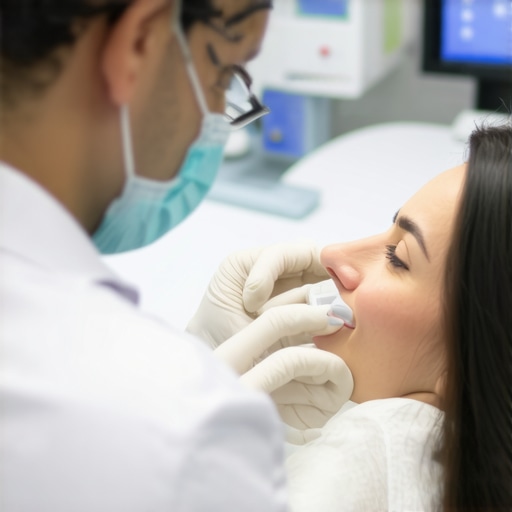
Enhancing the clinical outcome further, integration of digital occlusal data with CAD/CAM workflows allows for precise modification of restorations in real-time, aligning functional and aesthetic parameters seamlessly. This integration exemplifies how digital dentistry is revolutionizing the art and science of smile makeovers.
Can Customized 3D-Printed Surgical Guides Improve Orthodontic and Restorative Coordination?
Absolutely. Custom 3D-printed surgical guides, tailored from digital scans and CBCT data, facilitate minimally invasive, highly accurate placement of implants and orthodontic appliances. This precision not only accelerates treatment timelines but also ensures optimal positioning for aesthetic and functional outcomes. As detailed in recent peer-reviewed literature, such as in the International Journal of Oral and Maxillofacial Surgery, these guides exemplify the integration of digital planning with tangible surgical aids, elevating the standard of care in comprehensive smile transformations.
Why Should Clinicians Embrace AI-Driven Predictive Analytics in Treatment Planning?
AI-driven predictive analytics harness vast datasets encompassing patient-specific factors—such as tissue response, occlusal dynamics, and material wear patterns—to forecast long-term outcomes more accurately. This foresight allows clinicians to preemptively address potential complications, customize maintenance protocols, and select optimal materials, ultimately optimizing the longevity and success of smile makeovers. For an in-depth exploration of AI’s transformative impact, see our detailed article on AI in Smile Design and Long-Term Care.
Expert Insights & Advanced Considerations
1. Embrace Digital Integration for Precision Outcomes
Leading clinicians prioritize the seamless incorporation of digital smile design, CAD/CAM, and 3D printing technologies to enhance accuracy and predictability in smile makeovers. Mastery of these tools reduces chairside adjustments and ensures restorations align perfectly with aesthetic goals.
2. Material Science as a Foundation for Longevity
Advancements in nano-ceramics and bioactive materials are redefining durability and biocompatibility. Experts recommend selecting restorations with proven resistance to staining and wear, supported by peer-reviewed research, to ensure long-term success.
3. Personalized Aesthetics through Facial Analysis
Integrating facial analysis, personality profiling, and cultural considerations enables truly individualized smile designs. Utilizing 3D facial scanning and digital photogrammetry facilitates this holistic approach, elevating both aesthetic harmony and patient satisfaction.
4. AI and Machine Learning as Strategic Tools
AI-driven predictive modeling and digital algorithms assist clinicians in optimizing treatment plans, foreseeing long-term outcomes, and customizing maintenance protocols. Staying abreast of these innovations is crucial for maintaining a competitive edge.
5. Interdisciplinary Collaboration for Comprehensive Care
Combining orthodontics, periodontics, and restorative dentistry under a unified digital workflow ensures that aesthetic enhancements do not compromise function or health, culminating in sustainable results.
Curated Expert Resources
- Journal of Prosthetic Dentistry: A premier peer-reviewed journal offering cutting-edge research on restorative materials and digital workflows, essential for evidence-based practice.
- American Academy of Cosmetic Dentistry (AACD): Provides comprehensive guidelines, case studies, and continuing education resources on smile design and aesthetic procedures.
- Dental Materials Journal: Publishes the latest scientific advancements in ceramics, bioactive materials, and nanotechnology relevant to long-lasting restorations.
- Digital Smile Design (DSD) Platform: An innovative software tool that facilitates detailed aesthetic planning and patient visualization, endorsed by leading experts.
- AI in Dentistry Conference: An annual event showcasing emerging AI applications in smile design, treatment planning, and predictive analytics.
Final Expert Perspective
In the rapidly evolving landscape of cosmetic dentistry, mastering digital integration, advanced materials, personalized aesthetics, and AI-driven tools is paramount for delivering superior smile makeovers in 2024. These innovations not only elevate clinical outcomes but also enhance patient engagement and satisfaction. As an industry authority, I invite you to deepen your expertise by exploring these resources and sharing your insights—together, we can shape the future of smile enhancement. For ongoing updates and professional discussions, visit our contact page.


3 Comments