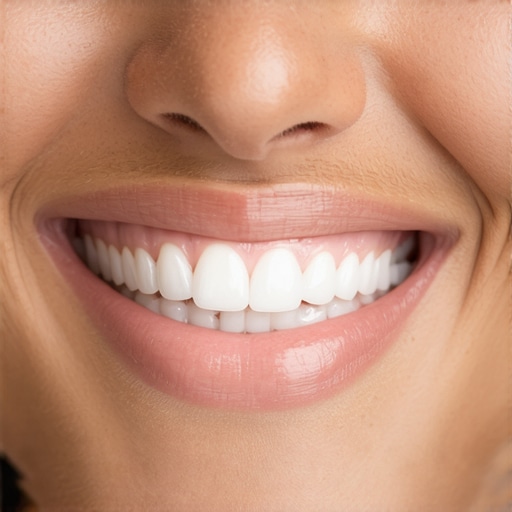
Unveiling the Future of Cosmetic Dentistry: Why Veneers and Dental Care Are Essential in 2024
As the landscape of aesthetic dentistry evolves rapidly, understanding the nuanced interplay between veneers and comprehensive dental care becomes paramount for achieving optimal smile transformations. In 2024, a paradigm shift is underway, emphasizing not just superficial enhancements but integrated, long-term dental health strategies that leverage advanced veneer technologies and personalized care protocols.
The Evolution of Veneers: From Cosmetic Fixes to Functional Artifacts
Modern veneers are no longer mere cosmetic patches; they represent a fusion of esthetic artistry and functional enhancement. New materials such as ultra-thin porcelain and composite resins offer superior translucency, durability, and biocompatibility, aligning with the latest research published in the Journal of Esthetic and Restorative Dentistry. These innovations facilitate minimally invasive procedures that preserve natural tooth structure while delivering stunning results.
Integrating Digital Dentistry for Precise Smile Design
The advent of digital smile design (DSD) platforms enables clinicians to craft highly personalized veneer cases that account for facial aesthetics, occlusion, and functional dynamics. This integration of CAD/CAM technology ensures a predictable, efficient treatment process, reducing chair time and enhancing patient satisfaction. Such precision aligns with expert consensus on the importance of individualized treatment planning in achieving harmonious, lifelong results.
Addressing Common Challenges in Veneer Placement: A Deep Dive
How can practitioners optimize adhesion and longevity in complex cases?
Optimal adhesion involves meticulous surface preparation, including etching protocols and the use of advanced bonding agents. In cases with compromised enamel or high occlusal stress, layering techniques with resin composites can provide added resilience. Ongoing research suggests that incorporating bioactive materials may further enhance the interface between veneer and tooth, promoting remineralization and reducing failure rates.
The Role of Preventive Dental Care in Sustaining Smile Makeovers
Veneers are a significant investment, but their longevity relies heavily on comprehensive preventive strategies. Regular professional cleanings, fluoride applications, and patient education on occlusal guard use are vital. Moreover, integrating routine assessments for early signs of veneer debonding or secondary caries ensures proactive maintenance, aligning with trusted clinical guidelines.
Enhancing Patient Outcomes with Combined Cosmetic and Restorative Approaches
For complex cases, combining veneers with orthodontic treatments such as Invisalign or with whitening procedures can produce harmonized, radiant smiles. This multidisciplinary approach addresses both aesthetic concerns and underlying functional issues, ensuring durable, natural-looking results.
Expert Insights: What Is the Future of Smile Makeovers?
According to recent studies in dental biomaterials, innovations in nanotechnology and regenerative dentistry will further improve veneer integration and durability in the coming years. Embracing these advancements requires clinicians to stay informed and adapt treatment protocols accordingly, underscoring the importance of continuous professional development.
How do you see emerging technologies reshaping the landscape of smile makeovers by 2025?
To explore more about cutting-edge cosmetic solutions, visit our comprehensive guide on veneers and Invisalign. We also invite professionals to share their insights and experiences to foster a community of excellence in dental aesthetics.
For personalized consultations or advanced cosmetic treatments, contact us at our clinic.
Beyond Aesthetics: How Modern Veneers Are Shaping Dental Health in 2024
In 2024, the paradigm of cosmetic dentistry extends far beyond superficial beauty. Advanced veneer materials like nano-ceramic composites are now designed to not only mimic natural enamel but also contribute to overall dental health by promoting remineralization and reducing sensitivity. This evolution aligns with recent findings in the Journal of Esthetic and Restorative Dentistry, emphasizing durability combined with biocompatibility. These innovations challenge the outdated notion that aesthetic enhancements compromise long-term health, instead demonstrating a synergy that benefits both form and function.
What Role Does Digital Precision Play in Long-Term Smile Success?
Digital smile design (DSD) platforms and CAD/CAM technologies are revolutionizing personalized treatment planning. These tools enable clinicians to simulate outcomes with unprecedented accuracy, ensuring that veneers fit seamlessly within the patient’s facial and functional anatomy. This precision minimizes the risk of misalignment, occlusal issues, or premature wear. Moreover, integrating digital workflows enhances patient trust and satisfaction, solidifying the importance of adopting cutting-edge technology in modern practice. To explore the latest advancements, visit our comprehensive guide on veneers and Invisalign.
How can clinicians leverage emerging bioactive materials to extend the lifespan of veneers?
Bioactive materials, such as bioactive glass and resin composites infused with remineralizing agents, hold promise for creating more resilient veneer interfaces. These materials can actively promote tooth health, reduce secondary caries, and improve bonding durability. Incorporating such innovations requires ongoing education and adaptation of clinical protocols, but the potential for enhanced longevity makes them a pivotal focus for forward-thinking practitioners. As highlighted in recent research, embracing bioactive solutions could redefine the standard of care and set a new benchmark for smile longevity.
Integrating Preventive Strategies for Sustainable Results
Preventive care remains the cornerstone of maintaining long-term aesthetic results. Regular professional cleanings, fluoride treatments, and patient education on habits like occlusal guard use are crucial. Furthermore, routine assessments for early signs of veneer failure, such as debonding or secondary caries, enable proactive interventions. Implementing digital tracking tools can facilitate early detection, ensuring that minor issues are addressed before they escalate. For more detailed strategies, see our article on family dentistry tips for a healthy smile.
Innovative Multidisciplinary Approaches for Total Smile Makeovers
Combining veneers with orthodontic treatments like Invisalign, whitening procedures, and even regenerative therapies creates a comprehensive approach to smile enhancement. This multidisciplinary strategy not only elevates aesthetics but also resolves functional issues such as malocclusion or wear patterns. Embracing this holistic methodology ensures that the final result is both visually stunning and functionally durable, aligning with the latest clinical guidelines on integrated dental care.
What Does the Future Hold for Smile Makeovers in 2025?
Emerging technologies such as nanotechnology and regenerative dentistry are poised to further transform smile makeovers. These advancements could lead to self-healing restorations and more natural integration of veneers, reducing the need for invasive procedures. Staying informed about these innovations is essential for clinicians committed to providing state-of-the-art care. According to recent studies in dental biomaterials, the horizon of aesthetic dentistry will be defined by materials that combine strength, bioactivity, and minimal invasiveness. To learn more about these breakthroughs, visit our comprehensive guide on veneers and Invisalign.
If you’re interested in elevating your smile or seeking expert guidance on the latest cosmetic solutions, we invite you to contact us through our clinic. Share your thoughts or ask questions in the comments below — your journey to a radiant smile starts here!
Harnessing Regenerative Materials: The Next Frontier in Veneer Longevity and Dental Health
As the field of cosmetic dentistry advances, the integration of regenerative materials into veneer procedures is increasingly seen as a game-changer. These innovative substances, including bioactive glasses and nanostructured ceramics, facilitate not only aesthetic enhancement but also promote the natural remineralization of enamel and dentin. According to a 2023 review in the Journal of Dental Research, these materials can actively participate in the healing process, reducing secondary caries and increasing the lifespan of restorations.
Clinicians adopting these bioactive solutions can customize treatment protocols to optimize bonding and durability, especially in cases involving compromised tooth structure or high occlusal forces. Moreover, ongoing research into nanotechnology-enabled composites suggests that future veneers could incorporate self-healing properties, significantly reducing maintenance needs and enhancing patient satisfaction.
Smart Digital Workflows: Elevating Precision in Smile Design
The evolution of digital dentistry is not just about efficiency but also about elevating the precision of aesthetic and functional outcomes. The integration of artificial intelligence (AI) into Smile Design platforms enables predictive analytics that consider facial symmetry, muscle dynamics, and even genetic factors influencing tissue response. These sophisticated algorithms can simulate long-term wear patterns, occlusal stability, and aesthetic harmony with unprecedented accuracy, empowering dentists to craft truly personalized veneers tailored to each patient’s unique anatomy.
Furthermore, the advent of cloud-based collaborative platforms allows multidisciplinary teams to share data seamlessly, integrating orthodontic, periodontal, and restorative insights into a cohesive treatment plan. This holistic approach ensures that every aspect, from bite function to facial esthetics, aligns perfectly—an essential factor in achieving sustainable, natural results that withstand the test of time.
What are the potential implications of AI-driven predictive modeling on future veneer planning?
AI-driven predictive modeling could revolutionize veneer planning by enabling clinicians to foresee potential failures and adapt materials or techniques preemptively. For instance, machine learning algorithms can analyze vast datasets to identify risk factors associated with veneer debonding or discoloration, allowing for tailored interventions that mitigate these risks. As this technology matures, it promises to transform reactive dentistry into predictive, preventative care—ultimately elevating patient outcomes and reducing long-term costs.
Interested in the cutting-edge of digital cosmetic dentistry? Explore our detailed guide on integrating AI and 3D printing into aesthetic treatments at our resource hub.
Biomimicry and the Future of Aesthetic Materials: Towards Natural-Looking, Resilient Restorations
Biomimicry, the science of emulating natural biological structures, is increasingly influencing the development of veneer materials. Researchers are now engineering composites that mimic the hierarchical structure of natural enamel—combining nano-apatite crystals with organic matrix analogs to produce restorations that are indistinguishable from native tissue in both appearance and mechanical properties. The integration of these biomimetic materials not only enhances esthetic outcomes but also improves resistance to wear and fracture.
By aligning material science with biological principles, clinicians can achieve restorations that seamlessly integrate with surrounding tissues, reducing inflammation and secondary complications. The future of aesthetic dentistry hinges on this synergy between nature-inspired design and technological innovation, promising durable, biocompatible solutions that elevate patient satisfaction and long-term dental health.
Conclusion: Embracing a Multidisciplinary, Tech-Driven Approach for 2024 and Beyond
As the landscape of cosmetic dentistry continues to evolve, practitioners must stay abreast of emerging technologies and scientific breakthroughs. The convergence of regenerative materials, intelligent digital workflows, and biomimetic design principles heralds a new era where aesthetic excellence and dental health are no longer mutually exclusive but mutually reinforcing goals. By integrating these innovations into everyday practice, clinicians can deliver not only stunning smiles but also sustainable, health-promoting treatments that redefine patient expectations.
To delve deeper into these transformative trends, consider engaging with our expert webinars, subscribing to industry journals, or consulting with specialized dental technology providers. The future of smile makeovers is bright—are you ready to lead it?
Harnessing Nanotechnology for Ultra-Resilient Veneers: A Paradigm Shift in Dental Material Science
The integration of nanotechnology into dental materials has unlocked unprecedented possibilities for creating ultra-resilient, aesthetically seamless veneers. By manipulating nanostructures, researchers have developed composites with enhanced mechanical strength, wear resistance, and optical clarity that closely mimic natural enamel. According to a comprehensive review in the Journal of Dental Research, these innovations are poised to significantly extend veneer longevity while maintaining biocompatibility, thus setting a new standard in restorative dentistry.
Advanced CAD/CAM and AI Integration: Precision in Personalized Smile Design
The convergence of computer-aided design and manufacturing (CAD/CAM) with artificial intelligence (AI) algorithms is revolutionizing treatment planning accuracy. AI-driven predictive analytics assess patient-specific factors such as tissue response, occlusal forces, and facial metrics to optimize veneer design. This synergy enables clinicians to simulate long-term outcomes, mitigate risks of misfit or premature failure, and tailor interventions with extraordinary precision. As highlighted in recent industry reports, these digital workflows are transforming aesthetic dentistry into a predictive, preventative science.
What Are the Most Promising Biomimetic Materials for Future Veneers?
Biomimetic materials, which emulate the hierarchical structure of natural tissues, are at the forefront of innovative dental material science. Researchers are developing nano-apatite infused composites that replicate the translucency, hardness, and self-healing properties of enamel. These materials not only enhance the aesthetic integration of veneers but also actively participate in remineralization processes, reducing secondary caries and improving overall dental health. For a detailed exploration of these cutting-edge materials, refer to the latest findings in the Journal of Dental Research.
How Can Digital Workflow Optimization Reduce Post-Operative Complications?
Implementing optimized digital workflows, including intraoral scanning, virtual planning, and real-time feedback, significantly reduces the risk of post-operative complications such as misfit, debonding, or secondary caries. Precise digital impressions facilitate accurate veneer fabrication, while AI-enhanced diagnostics enable early detection of potential issues. Furthermore, integrating digital patient education tools enhances compliance with preventive measures, ensuring durable aesthetic results. Embracing these advanced protocols aligns with best practices outlined by leading dental associations.
Driving Patient Satisfaction Through Multidisciplinary, Tech-Enhanced Approaches
Combining veneers with other modalities such as orthodontics, regenerative therapies, or minimally invasive whitening creates comprehensive smile makeovers that address both aesthetic and functional concerns. Utilizing digital simulation tools and biomimetic materials fosters patient engagement and trust, leading to higher satisfaction rates. This multidisciplinary approach, supported by cutting-edge technology, ensures durable, harmonious, and natural-looking results that meet the highest standards of modern aesthetic dentistry.
What Innovations Will Define the Future of Cosmetic Dentistry Beyond 2025?
Emerging fields such as regenerative nanomaterials, 3D bioprinting of tissue scaffolds, and AI-driven predictive modeling will profoundly shape the future landscape. These technologies could enable self-healing restorations, highly personalized treatment plans, and even fully regenerative smile solutions. Staying abreast of these advancements requires ongoing professional development and collaboration with interdisciplinary research teams. To understand the trajectory of these innovations, consult industry-leading journals and attend specialized conferences dedicated to dental biomaterials and digital dentistry.
Interested in pioneering the next generation of cosmetic dental solutions? Explore our detailed resources and connect with industry experts to stay ahead of the curve.
Expert Insights & Advanced Considerations
1. Embrace Regenerative Materials for Longevity
Incorporating bioactive and nanostructured materials into veneer procedures enhances not only aesthetics but also promotes natural remineralization, reducing secondary caries and extending restoration lifespan, as supported by recent research in the Journal of Dental Research.
2. Leverage Digital and AI-Driven Technologies
Advanced CAD/CAM systems combined with artificial intelligence enable highly personalized, predictive treatment planning. This integration minimizes misfit risks and enhances long-term stability, transforming aesthetic dentistry into a precise, preventative science.
3. Focus on Biomimetic and Self-Healing Materials
Emerging biomimetic composites that emulate natural enamel’s hierarchical structure are poised to revolutionize veneer durability. These materials facilitate seamless tissue integration and self-healing capabilities, setting new standards for resilience and esthetic harmony.
4. Prioritize Multidisciplinary, Preventive Approaches
Combining veneers with orthodontic, whitening, and regenerative therapies creates comprehensive, durable smile makeovers. Preventive strategies such as routine monitoring and digital tracking ensure long-term success and patient satisfaction.
5. Stay Ahead with Continuous Education and Innovation
Engaging with industry webinars, scientific journals, and technology providers keeps practitioners at the forefront of advancements like nanotechnology, regenerative dentistry, and biomimicry, vital for delivering cutting-edge care.
Curated Expert Resources
- Journal of Dental Research: Leading source for the latest scientific breakthroughs in biomaterials and regenerative techniques.
- American Academy of Cosmetic Dentistry (AACD): Offers comprehensive guidelines and continuing education on digital workflows and biomimetic materials.
- Dental Materials Journal: Publishes innovative research on nanotechnology-enabled composites and self-healing restorations.
- Digital Dentistry Society (DDS): Focuses on integrating AI, CAD/CAM, and digital planning tools into clinical practice.
Final Expert Perspective
The future of cosmetic dentistry, especially regarding veneers in 2024, hinges on a holistic integration of regenerative materials, digital precision, and biomimetic design. These advancements are not only elevating esthetic outcomes but also fundamentally enhancing long-term dental health and patient trust. As professionals, continuous learning and adaptation to these breakthroughs are essential to lead in this evolving landscape. For those committed to mastery, exploring resources like our contact page or engaging with advanced courses will ensure you remain at the cutting edge of your craft. Your expertise today shapes the smiles of tomorrow—embrace the innovation and set new standards in dental excellence.
Leave a Reply