Elevating Aesthetic Dentistry: The Future of Smile Makeovers in 2024
In the rapidly evolving field of cosmetic dentistry, the pursuit of a perfect smile has transitioned from mere aesthetics to a comprehensive, health-centered approach. As an expert in dental innovations, it’s crucial to understand how integrated strategies involving veneers and family dentistry are shaping personalized smile transformations for 2024.
What are the latest technological advancements driving smile redesigns?
Emerging technologies such as digital smile design (DSD) and 3D printing are revolutionizing the customization process. These tools enable practitioners to craft highly precise veneers and restorative solutions, ensuring harmony with facial features and functional integrity. For instance, DSD allows for simulation of results, aligning patient expectations with achievable outcomes.
Strategic Integration of Veneers with Family Dentistry for Holistic Outcomes
Integrating veneers into a broader family dentistry plan enhances longevity and overall oral health. This approach involves assessing familial dental history, dietary habits, and genetic predispositions to develop a tailored treatment blueprint. It supports preventive care, ensuring that aesthetic improvements do not compromise underlying health.
How can clinicians optimize the durability of veneers amidst daily functional stresses?
Proper material selection, such as lithium disilicate or zirconia-based ceramics, combined with minimally invasive preparation techniques, can significantly extend veneer lifespan. Additionally, patient education on habits like bruxism management and dietary restrictions plays a vital role in maintaining optimal results.
Addressing Complex Cases with Innovative Solutions
Patients presenting with severe discoloration, malocclusion, or enamel erosion demand advanced intervention strategies. Combining veneers with orthodontic solutions like Invisalign can correct underlying alignment issues before veneer placement, resulting in more stable and natural-looking outcomes. This layered approach exemplifies the importance of multidisciplinary collaboration in modern aesthetic dentistry.
What role does patient education play in achieving long-term smile satisfaction?
Empowering patients with knowledge about maintenance routines, diet, and regular check-ups fosters trust and compliance. Transparent discussions about the limitations and realistic expectations of veneer longevity also mitigate dissatisfaction, reinforcing the importance of ongoing professional care.
For further insights into innovative smile transformation techniques, visit Veneers Made Simple. As the landscape of cosmetic dentistry continues to evolve, embracing technological advancements and personalized strategies ensures that practitioners can deliver exceptional, durable results aligned with patient aspirations.
Revolutionizing Veneer Durability with Cutting-Edge Materials
One of the most critical factors in achieving a lasting smile makeover is selecting the optimal veneer material. Advances in ceramic technology, such as lithium disilicate and zirconia, now offer unparalleled strength and aesthetic realism. These materials resist chipping and staining better than ever, ensuring that your veneer investment remains pristine over years of daily wear. Moreover, minimal invasive techniques preserve more natural tooth structure, contributing to the longevity and health of your smile.
How Family Dentistry Supports Aesthetic Goals and Long-Term Wellness
Integrating veneers into a comprehensive family dentistry plan emphasizes preventive care alongside cosmetic enhancement. Regular check-ups, tailored hygiene routines, and dietary counseling help maintain both the health and appearance of your teeth. For children and teenagers, early interventions and education about proper oral habits lay the foundation for a lifetime of confident smiles. Additionally, understanding familial genetic predispositions allows dentists to craft personalized strategies that address potential vulnerabilities before they manifest as larger issues.
Can personalized patient education truly extend the lifespan of veneers and overall dental health?
Absolutely. When patients are equipped with knowledge about proper oral hygiene, dietary choices, and the importance of regular professional cleanings, they become active participants in their oral health journey. Educating about habits like avoiding hard foods and managing parafunctional behaviors such as bruxism can significantly reduce veneer stress and damage. Engaging patients in their care fosters trust and ensures they adhere to recommended maintenance routines, ultimately prolonging aesthetic results. For further guidance on establishing effective patient communication, visit Teeth Whitening Secrets for a Sparkling Smile in 2025.
Technological Innovations Elevating Smile Transformations
Digital workflows, including CAD/CAM systems, enable precise fabrication of veneers that seamlessly match the patient’s facial features and existing dentition. Incorporating 3D imaging and simulation tools allows patients to preview their new smile, fostering satisfaction and realistic expectations. Furthermore, recent developments in bioactive ceramics promote healthier, more resilient restorations that actively support surrounding tissues.
To explore these innovative techniques and how they can be tailored to your unique needs, consult trusted sources like the American Academy of Cosmetic Dentistry, which emphasizes evidence-based approaches and patient-centered care.
Harnessing Next-Generation Ceramic Innovations for Unmatched Durability
In the pursuit of long-lasting smile makeovers, the evolution of ceramic materials has been nothing short of revolutionary. Lithium disilicate and zirconia now dominate the landscape, offering resilience that surpasses traditional porcelains. These advanced ceramics not only resist chipping and staining but also mimic natural enamel with remarkable fidelity, creating a seamless blend of function and aesthetics. The integration of bioactive properties in newer ceramics further amplifies their capacity to promote periodontal health, making them a dual-purpose solution that benefits both appearance and oral tissue vitality.
Empowering Patients Through Digital Smile Design and Real-Time Visualization
Digital smile design (DSD) systems have transformed patient consultations from static to interactive experiences. By utilizing high-resolution 3D imaging and simulation, practitioners can craft highly personalized smile previews, aligning patient expectations with realistic outcomes. This technology fosters informed decision-making, enhances satisfaction, and reduces the likelihood of post-treatment dissatisfaction. Moreover, integrating AI-driven software can optimize aesthetic parameters based on facial analysis, ensuring harmonious and proportionate results that elevate the patient’s overall facial aesthetics.
How Does 3D Printing Elevate Customization in Modern Dentistry?
3D printing has emerged as a game-changer, enabling rapid prototyping and precise fabrication of veneers, crowns, and frameworks. This technology reduces production time and allows for intricate designs that traditional methods struggle to achieve. Customization reaches new heights as clinicians can tailor each restoration to the patient’s unique anatomy, ensuring optimal fit and function. When combined with digital workflows, 3D printing accelerates the entire process from diagnosis to delivery, making high-quality aesthetic restorations more accessible and efficient.
What Are the Considerations for Integrating Veneers into Full-Mouth Rehabilitation?
While veneers excel at enhancing aesthetics, their role in comprehensive rehabilitation requires careful planning. Adhesion protocols are critical; selecting the right cementation systems ensures durability and minimizes the risk of debonding. Additionally, clinicians must evaluate occlusal dynamics to prevent undue stress on veneers, which could lead to fractures. Strategic layering of veneers with other restorative elements can restore function and aesthetics simultaneously, but this calls for meticulous interdisciplinary collaboration involving orthodontists, periodontists, and prosthodontists.
Future Trends: Bio-Inspired Materials and Smart Restorations
Looking ahead, the integration of bio-inspired materials that mimic natural tissue properties promises to redefine aesthetic dentistry. Researchers are exploring nanotechnology-infused ceramics that can respond to environmental stimuli, such as pH changes or mechanical stress, by adjusting their properties temporarily. Smart restorations could one day communicate with intraoral sensors to monitor occlusion, wear, or even detect early signs of caries, allowing for preemptive interventions. Such innovations will necessitate a paradigm shift in both material science and clinical practice, emphasizing a holistic, patient-centered approach to dental health.
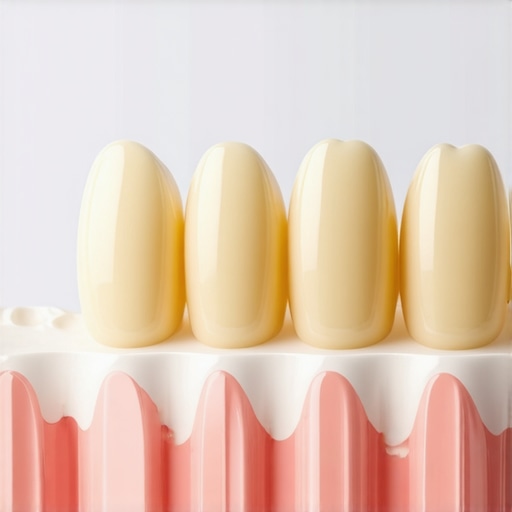
Envision a cutting-edge dental laboratory where 3D printers craft customized ceramic veneers with precision, embodying the fusion of technology and artistry that defines the future of smile design.
Unlocking the Power of Next-Generation Ceramic Innovations for Lasting Aesthetics
In the realm of aesthetic dentistry, the evolution of ceramic materials continues to redefine the boundaries of durability and beauty. The latest breakthroughs, such as translucent zirconia and bioactive glass-ceramics, offer unparalleled resistance to chipping, staining, and wear. These materials not only mimic the natural enamel with exquisite realism but also actively promote periodontal health by releasing beneficial ions, thereby creating a harmonious balance between function and aesthetics. Dental practitioners leveraging these advanced ceramics can deliver restorations that stand the test of time, even under the most demanding functional scenarios.
Harnessing the Synergy of Digital Smile Design and Artificial Intelligence
The integration of sophisticated digital workflows, including AI-powered smile analysis, has revolutionized treatment planning. By combining high-resolution 3D imaging with facial recognition algorithms, clinicians can craft highly personalized and harmonious smiles that complement each patient’s unique facial attributes. This synergy enhances patient satisfaction by providing realistic previews and minimizes the risk of discrepancies between expectation and outcome. As software continues to evolve, the potential for fully automated, yet highly tailored, smile design processes becomes increasingly feasible—pushing the boundaries of what is possible in aesthetic dentistry.
How Can 3D Printing Elevate Customization in Modern Dental Restorations?
3D printing technology, with its capacity for rapid prototyping and precise fabrication, now plays a pivotal role in customizing veneers, crowns, and full-arch frameworks. Its ability to produce complex geometries with micron-level accuracy ensures a perfect fit and optimal aesthetic integration. Moreover, the advent of biocompatible resins allows for the creation of temporary restorations that serve as accurate prototypes, streamlining the transition to permanent solutions. When integrated into a comprehensive digital workflow, 3D printing accelerates the entire process, reduces costs, and enhances the clinician’s ability to deliver bespoke, high-quality restorations efficiently.
What Are the Critical Considerations for Integrating Veneers into Full-Mouth Rehabilitation?
In complex cases, the success of veneer-based rehabilitation hinges on meticulous planning and interdisciplinary collaboration. Precise adhesion protocols, including the use of silane primers and resin cements tailored for bioactive ceramics, ensure durable bonding. Equally important is the assessment of occlusal dynamics—addressing parafunctional habits and optimizing intercuspation to prevent veneer failure. Combining veneers with other restorative modalities, such as implants or orthodontics, demands a holistic approach that balances aesthetics with functional stability, ultimately restoring both form and function seamlessly.
Why Personalized Education Transforms Long-Term Dental Wellness
Empowering patients with in-depth knowledge about their restorations fosters greater compliance and prolongs treatment outcomes. Tailored education on maintaining veneer integrity, managing parafunctional behaviors, and understanding the importance of regular maintenance routines is crucial. By demystifying the materials and techniques used, clinicians can build trust and motivate patients to adhere to personalized care plans. This proactive engagement reduces the risk of complications and ensures that aesthetic results are sustained, turning patient participation into a key component of long-term success.
For cutting-edge insights into the latest innovations, explore resources from the International Academy of Dental Facial Esthetics, which emphasizes evidence-based practices and technological integration—delivering excellence in aesthetic dentistry.
Embrace the Future of Smile Design and Material Science Today
As the landscape of aesthetic dentistry advances, staying ahead requires embracing innovative materials, digital precision, and personalized patient care. By integrating bioactive ceramics, AI-enhanced smile analysis, and 3D printing, practitioners can craft restorations that are not only visually stunning but also resilient and health-promoting. The future invites clinicians to push the boundaries of artistry and science—delivering smiles that truly reflect the pinnacle of modern dental excellence.
Innovative Material Use Enhances Longevity
Advances in ceramic technology, such as translucent zirconia and bioactive glass-ceramics, significantly improve the durability and aesthetic appeal of veneers, ensuring long-term satisfaction for patients seeking smile transformations.
Prioritize Interdisciplinary Collaboration
Successful full-mouth rehabilitations require seamless cooperation among orthodontists, periodontists, and prosthodontists to optimize functional outcomes and aesthetic harmony, especially when integrating veneers into complex treatment plans.
Utilize Digital Technologies for Precision
Digital smile design and AI-driven facial analysis enable practitioners to craft highly personalized, harmonious smiles, reducing guesswork and aligning results with patient expectations more accurately than ever before.
Focus on Patient Education for Maintenance
Empowering patients with comprehensive knowledge about veneer care, habits management, and routine check-ups enhances longevity and satisfaction with their smile, fostering a proactive approach to oral health.
Embrace Next-Gen 3D Printing Solutions
3D printing facilitates rapid, precise fabrication of customized restorations, streamlining workflows and allowing for intricate designs that match each patient’s unique anatomy, ultimately elevating treatment outcomes.
Curated Resources for Advanced Learning
- American Academy of Cosmetic Dentistry – A leading authority providing evidence-based insights into cutting-edge aesthetic techniques and materials.
- International Journal of Prosthodontics – Offers peer-reviewed research on innovative ceramic materials and digital workflows in aesthetic dentistry.
- Dental Labs Network – Connects practitioners with top-tier laboratories specializing in digital fabrication and ceramic restorations.
Reflections from the Top of the Field
In mastering the art of smile makeovers, integrating expert insights on advanced materials, interdisciplinary collaboration, and digital precision is paramount. The evolving landscape of aesthetic dentistry demands continuous learning and adaptation, ensuring practitioners can deliver results that are both resilient and natural-looking. Engaging deeply with these strategies positions professionals at the forefront of dental innovation, ultimately transforming patient care and satisfaction. For those committed to excellence, exploring these resources and high-level strategies is the next step toward mastery. Feel free to share your insights or seek guidance through trusted channels such as our contact page, and stay ahead in the dynamic world of aesthetic dentistry.


3 Comments