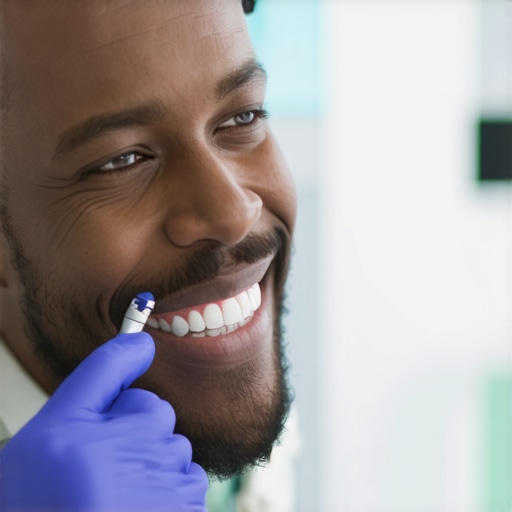
Mastering Aesthetic Dentistry: An Expert Approach to Smile Optimization
In the evolving landscape of cosmetic and family dentistry, achieving a harmonious blend of functionality and aesthetics remains paramount. Advances in smile design, combined with innovative materials like porcelain veneers and minimally invasive whitenings, redefine patient expectations and practitioner standards. As dental professionals, understanding the intricate interrelation between restorative techniques and preventive care is essential to delivering comprehensive, long-lasting results.
Bridging Functionality and Aesthetics Through Veneer Precision
Porcelain veneers serve not only as transformative aesthetic solutions but also as functional restorations that shield compromised teeth from further wear. Recent developments emphasize the importance of pre-treatment diagnostics, including digital smile planning and 3D imaging, facilitating precise customization. Material advancements, such as ultra-thin feldspathic porcelain, enable conservative bonding, preserving tooth structure while achieving optimal translucency and color integration Learn more about veneers.
Integrating Family Dentistry for Holistic Oral Health
Effective family dentistry extends beyond individual treatments, emphasizing proactive strategies that foster trust and long-term oral health. Routine exams, preventive care, and education tailored for all ages create a foundation for successful cosmetic interventions. Pediatric and adult care coordination allows for consistent reinforcement of oral hygiene habits, ultimately enhancing the longevity of aesthetic enhancements like veneers or whitening procedures Explore family dentistry tips.
The Synergy of Teeth Whitening and Veneers for a Dazzling Transformation
Combining professional whitening treatments with veneer placement optimizes smile brightness and uniformity. Advanced whitening systems, such as LED-activated gels, facilitate rapid, predictable results, which can be customized to complement veneer shades. Strategic sequencing—whitening prior to veneer fabrication—ensures aesthetic harmony and minimizes the need for costly re-veneer adjustments. This integrated approach exemplifies personalized smile design, reinforcing the importance of meticulous planning Discover teeth whitening secrets.
How do emerging digital workflows influence the precision of smile rehabilitation involving veneers and whitening?
The integration of digital smile design (DSD), CAD/CAM fabrication, and virtual mock-ups enhances diagnostic accuracy and treatment predictability. Digital tools enable clinicians to simulate outcomes, involve patients in the design process, and execute restorations with unparalleled precision, leading to higher patient satisfaction and longevity of results. As technology advances, the adoption of these systems is increasingly pivotal in delivering expert-level aesthetic outcomes.
For those interested in elevating their practice or understanding cutting-edge techniques, exploring comprehensive resources on smile design strategies is recommended. Additionally, engaging with peer networks can provide valuable insights and practical tips.
Consider consulting with specialists or utilizing available online forums to share your experiences or seek expert opinions. Building a community of practice is vital in maintaining high standards within aesthetic and family dentistry sectors.
Ultimately, the convergence of innovative materials, digital planning, and holistic patient care forms the cornerstone of successful smile makeovers in 2024. Adopt these strategies to ensure your patients achieve their confident, radiant smiles that stand the test of time.
The Power of Biocompatible Materials in Smile Design
In the realm of aesthetic dentistry, the choice of materials significantly impacts the durability, biocompatibility, and natural appearance of restorations. Recent advancements highlight the use of bioactive ceramics and resin composites that stimulate surrounding tissues and reduce sensitivities, contributing to long-term oral health. Selecting the appropriate material not only enhances aesthetic outcomes but also ensures harmony with the patient’s biological environment, reducing the risk of inflammation or allergies.
Harnessing 3D Printing for Custom Smile Solutions
3D printing technology revolutionizes the way practitioners fabricate models, surgical guides, and even provisional restorations, enabling unparalleled customization and precision. Its application in creating exact replicas of digital smile designs accelerates workflows and improves patient communication. As a result, clinicians can achieve more predictable results, optimize treatment planning, and reduce chair time. Leading practices are increasingly integrating this technology for complex cases involving veneers and whitening strategies, ensuring detailed, patient-specific restorations Learn about the future of veneers.
Addressing Patient Expectations with Virtual Reality
Virtual reality (VR) tools are emerging as powerful aids in managing patient expectations and enhancing engagement. By immersing patients in simulated smile outcomes, practitioners can demonstrate potential results vividly, fostering trust and informed consent. This immersive preview allows adjustments to be made collaboratively, reducing dissatisfaction and the need for revisions post-treatment. As VR adoption grows, it becomes an invaluable component of comprehensive smile design, especially when integrating complex procedures like veneers combined with whitening protocols.
Can emerging technologies redefine the standards of precision and personalization in modern smile makeovers?
Absolutely. Innovations such as AI-driven diagnostics, machine learning algorithms for shade matching, and augmented reality for patient consultations are setting new benchmarks. These tools enable clinicians to design, plan, and execute treatments with unprecedented accuracy, tailoring interventions to the unique anatomy and aesthetic preferences of each patient. According to a report by the American Academy of Cosmetic Dentistry, integrating cutting-edge technologies improves case predictability and patient satisfaction, underscoring the importance of embracing these tools in practice Explore more about technological integration.
To stay at the forefront of aesthetic dentistry, consider ongoing education in digital workflows and emerging materials. Participating in workshops and webinars dedicated to digital smile design can provide practical insights that elevate your practice’s standards and deliver consistently stunning results.
Engaging with professional communities, attending industry conferences, and continuously updating your toolkit ensures that you can leverage new advancements effectively. Remember, embracing these innovations not only refines your technical capabilities but also enriches patient experiences and outcomes.
Want to elevate your aesthetic dentistry expertise? Share your thoughts or experiences with new technologies, or suggest topics you’d like to explore further in our community discussion forums Contact us. Staying connected with peers and experts is key to maintaining excellence in the ever-evolving field of smile optimization.
Elevating Dental Aesthetics with Patient-Centric Design Concepts
In the quest for flawless smiles, modern aesthetic dentistry has transitioned from standardized procedures to highly personalized treatment planning. Emphasizing patient-specific anatomy, facial proportions, and individual aesthetic preferences, clinicians now utilize integrated digital tools that facilitate comprehensive virtual mock-ups. This shift not only enhances predictability but also fosters collaborative decision-making, aligning expectations with achievable outcomes.
How Artificial Intelligence is Customized for Precision Smile Makeovers
Artificial intelligence (AI) has begun to revolutionize the landscape of aesthetic dentistry by enabling highly tailored treatment pathways. Machine learning algorithms analyze vast datasets, including patient photos, three-dimensional scans, and historical outcomes, to propose optimized treatment sequences and shade-matching strategies. For instance, AI-driven systems can now predict tissue responses to different restorative materials, enhancing long-term stability and biocompatibility. As research progresses, integrating AI into routine practice promises unprecedented levels of specificity and patient satisfaction, pushing the boundaries of what we define as a ‘perfect smile.’
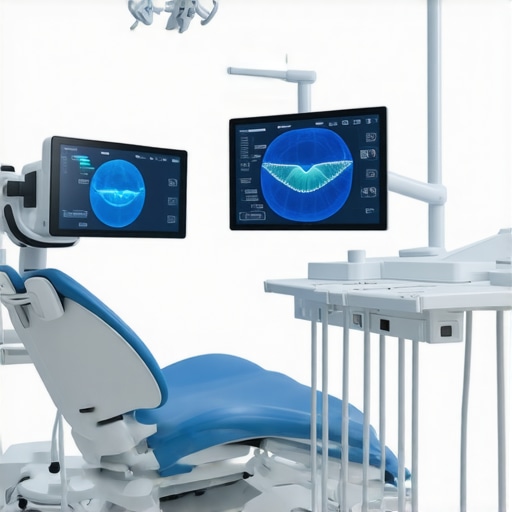
To illustrate, consider a digital smile simulation incorporating AI-based insights—visualize how these technologies can help craft harmonious, natural-looking results tailored to each individual.
The Impact of Material Science Breakthroughs on Long-Term Outcomes
Recent advancements extend beyond digital tools into the realm of material science, where bioinspired materials and nanotechnology are making significant strides. Innovations such as resin nanoceramics exhibit superior strength, translucency, and resilience, closely mimicking natural enamel. Simultaneously, developments in adhesive chemistries increase bond durability, reducing the risk of veneer debonding over time. These breakthroughs not only improve immediate aesthetic results but also significantly enhance the longevity and stability of restorations, which is critical for patient satisfaction and overall oral health.
Revolutionizing Treatment Planning with Virtual Reality and Augmented Reality
Virtual reality (VR) and augmented reality (AR) are expanding their roles from patient education to active treatment planning. VR allows patients to immerse themselves in simulated outcomes, fostering trust and setting realistic expectations. Meanwhile, AR enables clinicians to overlay digital restorations directly onto a patient’s anatomy during procedures, enhancing precision during chairside execution. Combining these immersive technologies results in a more dynamic, interactive planning process that aligns clinician objectives with patient aspirations, all while reducing errors and rework.
As we push forward into an era of hyper-personalization, what are the ethical considerations surrounding data privacy and technological reliance in aesthetic dentistry?
The integration of advanced digital tools necessitates a rigorous approach to data security, informed consent, and ethical standards. Ensuring patients understand how their data is used and protected is paramount. Furthermore, reliance on technology should complement, not replace, the clinician’s expertise and judgment. Establishing clear protocols and ethical guidelines will be essential as digital diagnostics and AI algorithms become integral to daily practice, safeguarding trust and fostering responsible innovation.
Interested in pioneering these cutting-edge approaches? Joining professional networks and participating in specialized training can deepen your understanding and application of these transformative technologies. Engage with industry conferences, webinars, and peer forums to stay ahead of the curve, ensuring your practice continually delivers state-of-the-art aesthetic solutions.
Elevating Smiles with Cutting-Edge Digital Frameworks
The integration of advanced digital workflows, including artificial intelligence (AI), virtual reality (VR), and augmented reality (AR), is transforming the landscape of aesthetic dentistry. These technologies facilitate highly personalized treatment journeys through precise diagnostics, realistic visualizations, and real-time procedural guidance. Digital smile design (DSD) systems empower clinicians to create detailed virtual mock-ups, enabling patients to preview expected outcomes and make informed decisions, thus elevating overall satisfaction and trust.
How does the fusion of AI and virtual visualization redefine mastery in smile rehabilitation?
By harnessing AI algorithms trained on vast datasets, practitioners can predict tissue responses, optimize shade matching, and customize restorations with unparalleled accuracy. Virtual visualizations allow seamless collaboration, ensuring esthetic goals align precisely with patient desires. According to the Journal of Esthetic and Restorative Dentistry, the synergistic use of AI and VR accelerates planning, reduces errors, and enhances predictability, establishing a new standard for excellence in smile makeover procedures.
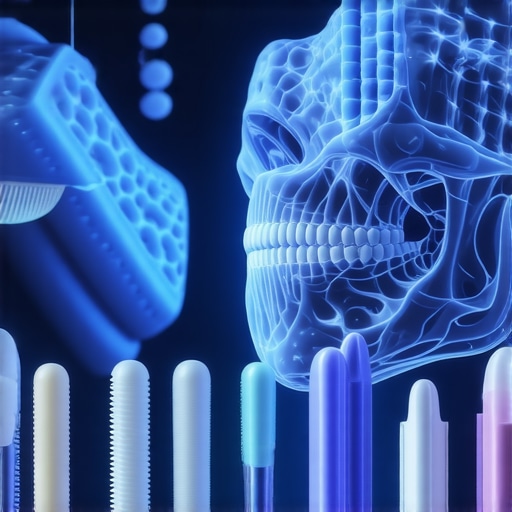
Material Science Breakthroughs and Their Lasting Impacts
The evolution of restorative materials, notably nanoceramics and bioactive composites, anchors the durability and biological harmony of modern aesthetic treatments. Ultra-translucent, resin nanoceramics exhibit improved fracture resistance while mimicking natural enamel translucency, enabling the creation of restorations that are not only aesthetically pleasing but also resilient over time. Concurrently, bioactive ceramics interact positively with the surrounding tissues, promoting remineralization and reducing sensitivities, which culminates in restorations that are both cosmetically superior and biologically compatible.
In what ways do nanotechnology and bioactive materials extend the lifespan of veneers and whitened smiles?
Nanostructured materials enhance surface strength and aesthetic longevity by resisting wear, staining, and microfractures, while bioactive components facilitate biological responses that strengthen the tooth-restoration interface. An article published by the Academy of Dental Materials highlights that these innovations collectively reduce the risk of failure, ensuring sustained smile aesthetics and health.
Expert Insights & Advanced Considerations
Embrace Digital Precision to Elevate Outcomes
Integrating digital smile design (DSD), CAD/CAM, and virtual mock-ups allows for unprecedented accuracy in planning and executing aesthetic cases, reducing errors, and enhancing patient satisfaction.
Prioritize Biocompatible Materials for Longevity
Utilizing bioinspired ceramics and nanotechnology-driven composites ensures restorations are durable, harmonious with biological tissues, and resistant to staining and microfractures over time.
Leverage Immersive Technologies for Expectations Management
Virtual reality (VR) and augmented reality (AR) tools empower patients to preview outcomes vividly, fostering trust, reducing dissatisfaction, and refining treatment plans collaboratively.
Harness Artificial Intelligence for Customization
AI algorithms analyze patient data to optimize shade matching, predict tissue responses, and personalize treatment sequences, setting new standards for smile perfection.
Stay Ahead with Cutting-Edge Material Science
Advances in nanostructured and bioactive materials extend restoration lifespan, promote tissue health, and resemble natural enamel, elevating both aesthetic and functional results.
Curated Expert Resources
- American Academy of Cosmetic Dentistry (AACD): Leading organization offering research, guidelines, and continuing education focusing on digital workflows and advanced materials in smile design.
- Journal of Esthetic and Restorative Dentistry: Peer-reviewed articles detailing innovations in bioactive ceramics, nanotechnology, AI applications, and immersive visualization techniques.
- Smile Design Software Platforms: Industry-standard tools like DSDApp and 3Shape Smile Design facilitate detailed virtual mock-ups and patient participation, essential for modern aesthetic planning.
- Material Science Publications: Journals such as Dental Materials and Advanced Healthcare Materials provide insights into bioinspired and nanostructured materials with promising clinical applications.
- Digital Dentistry Conferences: Events like the International Digital Dentistry Society (IDDS) Annual Meeting offer exposure to emerging tech, expert panels, and networking.
The Final Word on Smile Mastery
In the sphere of aesthetic dentistry, a comprehensive embrace of cutting-edge digital tools, biocompatible materials, and immersive patient engagement is reshaping what is achievable. Mastery now hinges on a deep understanding of material science, technological integration, and personalized planning — elements that collectively elevate the standard of care. To remain at the forefront, continuous learning from authoritative sources and active participation in professional communities are vital. Your journey toward impeccable smile makeovers is ongoing; I invite you to share your insights, explore further resources, and step confidently into the future of expert aesthetic dentistry.
Leave a Reply