
I remember staring at my reflection after a long week, feeling embarrassed about my crooked, stained teeth. It hit me—my smile was holding me back more than I realized. That was my lightbulb moment. I started diving into options, but the choices between veneers and crowns felt overwhelming. Which one would truly give me the confidence boost I craved? If you’ve faced this dilemma, you’re not alone. Many people struggle with deciding the best way to improve their smile without risking unnecessary procedures or costs. Today, I want to share what I’ve learned from personal experience and expert advice to help you make that crucial decision. We’ll explore the differences, benefits, and pitfalls of veneers versus crowns so you can find the perfect fit for your smile and your life.
Assess Your Dental Needs Clearly
Start by evaluating what specifically bothers you about your teeth—discoloration, damage, or misalignment. I remember my first step was consulting with my dentist, who helped me identify whether I needed a cosmetic fix or structural reinforcement. Doing this ensures you don’t overshoot with unnecessary procedures.
Identify the Damage or Aesthetic Goals
If your main concern is stained or slightly chipped teeth, veneers might be the right choice. For teeth with significant decay or structural damage, crowns provide more coverage and protection. Think of veneers as a stylish coat that enhances appearance, while crowns are like a full armor that restores function and strength.
Match Your Budget and Longevity Expectations
Veneers generally cost less upfront and are ideal if you want a quick aesthetic boost. Crowns, however, tend to be pricier but offer greater durability—lasting 15-30 years with proper care. I learned that my decision depended on how long I wanted the results to last versus how much I was willing to invest.
Consider the Long-Term Maintenance
Veneers are less invasive and easier to maintain but may need replacement after 10-15 years. Crowns require more preparation but are more resilient to biting forces. I experienced that opting for veneers meant fewer visits and less discomfort initially, but I had to plan for eventual replacements.
Evaluate the Impact on Tooth Structure
Veneers require minimal removal of enamel—about 0.5 mm—making them less invasive. Crowns involve removing more tooth structure to fit over the entire tooth, which can weaken the natural tooth if not done carefully. I remember discussing this with my dentist—knowing how much natural tooth remained helped me decide if I wanted a conservative or more comprehensive approach.
Think About Future Dental Treatments
If you plan to get orthodontics like Invisalign, crowns might complicate the process since they can’t be moved or adjusted easily. Veneers, being more cosmetic, won’t interfere with future procedures. I checked my options with my dentist, who suggested that veneers are more compatible with ongoing orthodontic treatments.
Consult a Dental Professional for Personalized Advice
Ultimately, every smile is unique. A professional assessment will clarify which option best suits your needs. I booked a consultation, and my dentist showed me before-and-after images, helping me visualize the results. This step ensures you’re making an informed decision based on your specific dental condition and aesthetic goals.
Review Expert Resources for Additional Insights
For further understanding, I found Veneers Vs Crowns: Which Is Right for Your Smile? to be incredibly helpful in weighing my options. Also, exploring Transform Your Smile with Veneers: Expert Tips gave me practical tips on care and maintenance, ensuring longevity of my chosen solution.
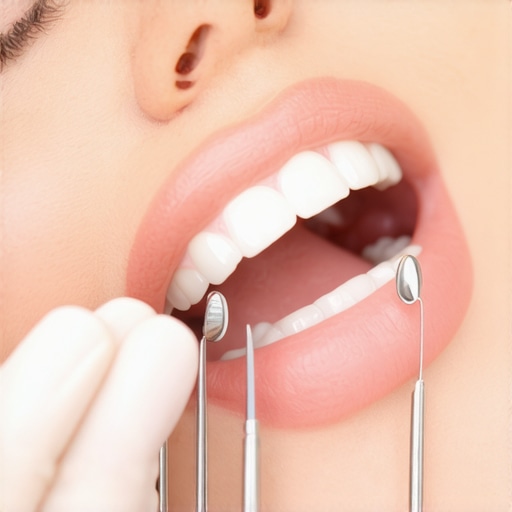 Many assume that choosing between veneers and crowns is straightforward, but the truth is, there’s more nuance than meets the eye. A common myth is that veneers are always less invasive and better for minor aesthetic issues, which is often true. However, this overlooks the fact that veneers can sometimes lead to long-term problems if not properly planned, especially concerning enamel preservation. Conversely, crowns are frequently dismissed as overly aggressive, but they can be the smarter choice for severely damaged teeth, offering both protection and aesthetic enhancement when needed. One mistake I’ve seen people make is believing that the cheaper or more popular option is always the best—this can backfire, leading to costly replacements or additional procedures down the road. It’s vital to consider the detailed condition of your teeth and future treatment plans, as crowns involve more tooth removal but offer durability, while veneers preserve more natural tooth structure but may need replacement sooner. An advanced consideration is how each option interacts with other dental treatments like Invisalign. For example, veneers are generally more compatible with orthodontic adjustments, whereas crowns might complicate the process. According to a study published in the Journal of Prosthetic Dentistry, improper case selection and neglecting long-term maintenance are common pitfalls that can undermine the success of either treatment. So, before making a decision, consult with a skilled dentist who can evaluate your unique dental landscape and guide you toward the right choice. Have you ever fallen into this trap? Let me know in the comments.When it comes to maintaining your veneers or crowns over time, having the right tools and routines makes all the difference. Personally, I rely on a few specific items that help me keep my smile looking its best for years. First, I swear by an electric toothbrush with a soft-bristle head, like the Oral-B Pro 1000. The gentle yet effective cleaning action helps prevent plaque buildup around the edges of my restorations without risking damage. I also use a water flosser, such as the Waterpik Aquarius, which effortlessly cleans those hard-to-reach spots and keeps my gums healthy—crucial for supporting both veneers and crowns. Regular use of interdental brushes can also help remove debris and prevent staining at the margins, especially if you enjoy coffee or wine like I do. For maintaining the whiteness and brightness of my veneers, I incorporate a whitening toothpaste designed for cosmetic restorations—my dentist recommended the Colgate Optic White. It’s gentle yet effective, helping me preserve that fresh, clean look. On the software side, I schedule bi-annual dental checkups and cleanings; these visits are essential for professional maintenance, early detection of potential issues, and advice tailored to my ongoing needs. Looking ahead, the trend in dental tools is leaning toward smart devices that connect to apps for personalized care routines and tracking. Expect to see more AI-driven toothbrushes and flossers that analyze your cleaning habits and suggest improvements—making home care smarter and more effective. If you want to step up your maintenance game, I suggest trying a weekly fluoride rinse, like ACT Restoring Mouthwash, which strengthens enamel and guards against decay—especially important if you have crown preparations or veneers. How do I keep my restorations long-lasting? Consistency is key. Regular cleaning, professional checkups, and using the right tools ensure your investment in your smile pays off for many years to come. For more detailed strategies, check out the Transform Your Smile with Veneers: Expert Tips. Remember, a little effort now can save you from costly repairs later and keep your smile shining bright.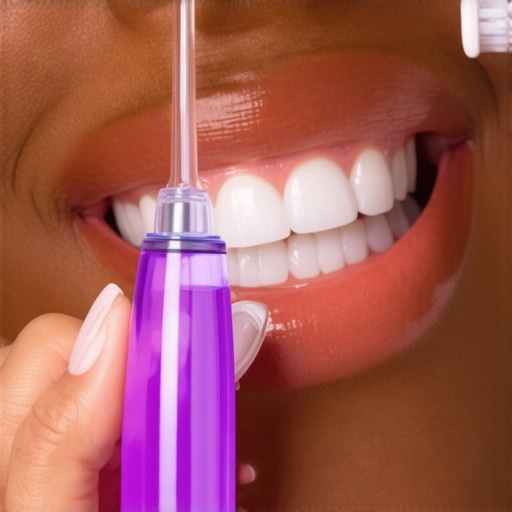
Lessons I Learned From My Smile Transformation
- One of the biggest realizations was that rushing into a decision without understanding the long-term implications can lead to unnecessary expenses and regrets. I wish I had spent more time discussing future treatments with my dentist.
- Another lesson was that no single solution fits everyone. What worked for my friend’s teeth wasn’t necessarily right for mine. Personal consultation is irreplaceable.
- I’ve also learned that maintenance routines are often overlooked but are crucial for the longevity of veneers and crowns. Regular professional checkups and proper home care make all the difference.
- Lastly, I discovered that a well-informed patient is a confident patient. Educating myself through reputable sources helped me make a choice I felt good about, rather than just following trends.
My Top Resources for Dental Restorations
- Veneers Vs Crowns: Which Is Right for Your Smile? — An in-depth comparison that helped clarify the pros and cons of each option based on my needs. I trust this resource because it’s backed by dental experts.
- Transform Your Smile with Veneers: Expert Tips — Practical advice on care, maintenance, and expectations, making it easier to plan for the future of my smile.
- Dental Technology Review — Staying updated on the latest advancements in dental materials and procedures gave me confidence that I was choosing the most durable and natural-looking options.
Your Turn to Shine Bright
Deciding between veneers and crowns is a personal journey that combines expert advice, personal needs, and future plans. Remember, your smile is an investment in yourself—take the time to choose wisely and enjoy the confidence it brings. If you’re considering improvements, don’t hesitate to consult a trusted dental professional who can guide you through the process with care and expertise. Your perfect smile is within reach—go for it!
Have you ever struggled to decide which dental restoration is right for you? Drop your story below—I’d love to hear about your experience!