
Why your baby’s first tooth looks slightly crooked
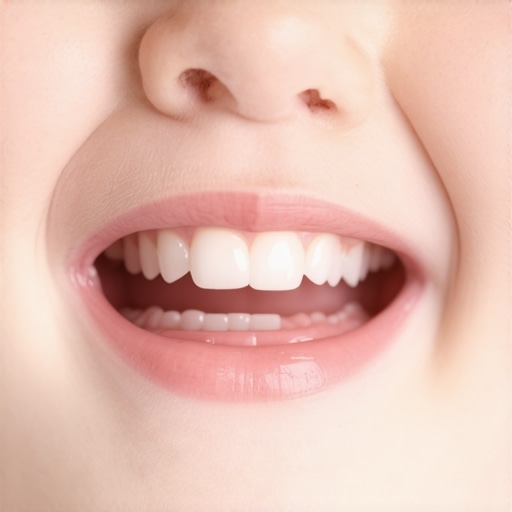
Ever caught your little one tugging at their first tooth and wondering if that slight crookedness signals trouble down the line? I remember the moment I first noticed my baby’stiny smile with a hint of asymmetry. My heart sank a little—was this a sign of future dental chaos? Turns out, I was overthinking it. That crooked first tooth was just a normal part of development, but it sparked a new curiosity in me about what really matters in young children’s dental health.
Why That Crooked Tooth Might Not Be a Cause for Panic
Many parents, including myself, freak out when they see their child’s first teeth with a crooked tilt or slight misalignment. It’s natural to worry about how this might influence permanent teeth or overall oral health. But here’s the eye-opener: most crooked baby teeth straighten out naturally as the mouth grows and more teeth emerge. According to the American Academy of Pediatric Dentistry, early misalignments often correct themselves without intervention, provided there’s no underlying habit or dental issue. But here’s where I slipped—early on, I thought I needed immediate braces for my child, and I ended up rushing into unnecessary treatments. That mistake made me realize the importance of understanding what’s normal and what actually needs professional attention. If your child’s crooked first tooth is causing you sleepless nights, don’t fret just yet; there’s a lot we can learn together about what’s typical and when to seek expert advice.
Is Cosmetic Fixing of Baby Teeth Really Necessary?
I used to believe that any misaligned tooth in a baby’s smile was a precursor to future orthodontic nightmare. However, I discovered some surprising facts—like how mild crookedness often doesn’t affect function or health, just appearance. Sometimes, parents rush to cosmetic options like veneers or whitening for their little ones, but these are rarely necessary at this stage. A crucial mistake I made early on was assuming that looking good in the short term would influence long-term dental health. Instead, I learned that patience and regular dental check-ups are often the best path. Want to explore the best options for your child’s developing teeth? For personalized advice, consider reaching out to a family dentist experienced in pediatric care—see [Family Dentistry: Building Healthy Smiles For Every Generation](https://smilegumcare.com/family-dentistry-building-healthy-smiles-for-every-generation).
Understanding why a crooked first tooth isn’t usually a red flag can save you unnecessary worry and interventions. But how do you tell if it’s just a normal misalignment or something more serious? That’s exactly what I’ll help you figure out next, guiding you through practical steps to monitor and manage your child’s dental development effectively.
Monitor and Observe Your Child’s Dental Development
Start by closely watching your child’s teeth over several months to identify patterns in their alignment. When I first noticed my toddler’s slight misalignment, I kept a simple record of how it changed with time. This helped me determine whether it was a passing phase or something that needed professional attention. Use a mirror to compare the crooked tooth with neighboring teeth and note any changes in position or size. Regular visual checks can reveal whether the misalignment is worsening or improving naturally.
Adjust Habits That Influence Teeth Alignment
Limit Thumb-sucking and Pacifier Use
Prolonged thumb-sucking can push teeth out of alignment, like it did in my case, where my child’s thumb habit caused noticeable shifts. Gently encourage alternatives, such as using a fidget toy or having your child wear a thumb guard recommended by your dentist. Consistent effort and positive reinforcement help break these habits, which often contribute to crooked teeth.
Control Tongue Thrust and Mouth Breathing
Tongue thrusting and habitual mouth breathing can also misalign teeth over time. I observed my son’s tendency to breathe through his mouth during sleep, which affected his teeth’s position. Consulting a pediatric dentist or orthodontist can help identify if this is affecting your child and recommend exercises or devices to correct these habits. Addressing these issues early prevents further misalignment and promotes proper oral development.
Schedule and Prepare for Regular Dental Check-Ups
Early dental visits are crucial. I scheduled an appointment with a pediatric dentist after noticing the crooked tooth, ensuring they examined all aspects of my child’s oral health. During visits, ask about the normalcy of your child’s dental development and whether any intervention is necessary. Regular check-ups allow the dentist to monitor changes, provide reassurance, and recommend action if needed. Remember, most crooked baby teeth straighten out as the adult teeth erupt, so avoid rushing into treatments prematurely.
Implement At-Home Dental Care Routines
Quality brushing and flossing maintain healthy oral tissues, creating the optimal environment for proper teeth alignment. I set a daily routine with my child, making it into a game to ensure thorough cleaning. Proper oral hygiene prevents decay and gum issues that could complicate or delay natural correction of misalignment. Also, avoid using dental products like whitening or veneers in baby teeth, as they can be unnecessary and sometimes harmful at this stage. Instead, focus on establishing healthy habits now, which will benefit your child’s smile long-term.
Consult Professionals Before Intervening
If your child’s misalignment persists or worsens, consulting with a family dentist experienced in pediatric care, such as through family dentistry, is essential. The dentist can determine if early orthodontic interventions are warranted, like space maintainers or interceptive braces, or if observation is sufficient. In my experience, initial delays in intervention often save parents from unnecessary procedures, saving time and resources while supporting natural development. Knowing when to act versus when to monitor is key to managing crooked baby teeth effectively.
Many patients approach cosmetic and general dental treatments with assumptions shaped by marketing hype and common misconceptions. As an expert, I’ve observed that real understanding often gets distorted by oversimplified claims or outdated beliefs. Let’s peel back the layers and discuss the nuanced realities behind these popular dental procedures. First, regarding Invisalign, a widespread myth is that it’s only suitable for mild cases. In reality, modern advancements have expanded its applicability to complex malocclusions through tailored digital planning. However, an oops trap many fall into is believing Invisalign is a quick fix. Treatment duration can range from months to over a year, depending on complexity, and patient compliance is crucial, a detail often underestimated. Next, teeth whitening is frequently mistaken as a permanent solution. People think whitening results should last forever, but enamel stains can reaccumulate, especially from dietary habits. Using over-the-counter whitening products without professional guidance can cause uneven results or sensitivity issues, a common mistake I advise avoiding. When it comes to family dentistry, a common misconception is that it’s only about cleanings and basic check-ups. In fact, effective family dentistry encompasses preventive care, education, and early intervention—aiming to establish lifelong oral health habits. Skipping regular visits can lead to overlooked issues like early cavities or bite problems, which could cost more if left unaddressed. Veneers are often perceived as a universal solution for cosmetic flaws, but there’s a hidden nuance: not all veneers are created equal. Porcelain veneers are durable and stain-resistant but require significant tooth reduction, which is irreversible. Composite veneers are less invasive but may stain or chip more easily. An advanced mistake is choosing veneers solely for aesthetics without considering their long-term implications or compatibility with existing restorations.
What about the subtle, often-overlooked details that can make or break your dental outcomes?
In my experience, the key lies in understanding individual anatomy, facial proportions, and functional dynamics. For instance, a smile makeover isn’t just about teeth appearance; it’s about achieving harmony with facial features and bite mechanics. This is supported by research from the American Academy of Cosmetic Dentistry, emphasizing customized treatments over cookie-cutter solutions.
Another trap to avoid is falling for marketing that promises rapid results with minimal effort—true transformation requires patience, professional guidance, and ongoing maintenance. For example, smile enhancements like veneers or bleaching need proper planning, and treatments like Invisalign must be followed with retainers to maintain results long-term. For personalized advice on your smile goals, consider connecting with a trusted dental professional who can craft a tailored plan—see contact us to learn more.
Understanding these nuances ensures you make informed decisions and set realistic expectations. Don’t let myths and misconceptions guide your choices—advocate for transparency and expertise in your dental journey. Have you ever fallen into this trap? Let me know in the comments and share your experiences!
Maintaining your smile’s brilliance and health over the years requires more than just good brushing habits. The right tools and methods can make all the difference in ensuring your dental work, like veneers, whitening, or Invisalign, stands the test of time. I personally rely on specialized equipment and techniques that deliver consistent results and simplify routine care.
Investing in Quality Equipment Counts
One of my top recommendations is a high-frequency ultrasonic toothbrush like the Philips Sonicare DiamondClean. I’ve found it to be exceptionally effective at plaque removal and gentle on veneers and crowns. Unlike standard brushes, sonic technology vibrates at 62,000 brush strokes per minute, reaching areas manual brushing can’t access efficiently. I pair this with a vibratory interdental cleaner like the Waterpik Sonic-Fusion, which combines flossing and water irrigation to keep interdental spaces free of debris, crucial for long-term health and preventing gum recession around restorations.
Software That Keeps My Routine on Track
For tracking my oral health, I use the Philips Sonicare app that syncs via Bluetooth with my toothbrush. It reminds me when to replace brush heads and provides feedback on brushing habits. Regularly reviewing brushing duration and areas missed helps me maintain optimal hygiene, especially important for those with orthodontic appliances like Invisalign. Additionally, digital dental records available via my provider allow seamless monitoring of my veneers and whitening results over time, ensuring any early issues are spotted before they escalate.
Long-Term Maintenance Practices
Consistency in professional cleanings is paramount. I schedule biannual appointments with my dental hygienist, who employs an Air–Abrasive system to clean hard-to-reach areas delicately, preserving the integrity of veneers and whitening treatments. To keep my results pristine, I avoid foods and beverages that stain or etch enamel, and I use touch-up whitening pens when I notice slight discoloration. A good habit is maintaining a balanced diet rich in crunchy vegetables and dairy, which naturally help clean teeth and strengthen enamel.
Predicting Future Trends
The future of dental maintenance looks promising with advancements in smart toothbrushes integrated with artificial intelligence, capable of detecting early signs of gum disease or wear on veneers. As technology evolves, I predict we’ll see personalized dental care plans that adapt dynamically to our habits and oral health status, making maintenance more intuitive and effective.
How do I maintain my veneers and whitening treatments over time?
Personally, I recommend a combination of high-quality tools and disciplined routines. For example, regularly using a sonic toothbrush paired with an interdental water flosser ensures comprehensive cleaning. Expert-approved products like electric brushes with customizable modes can cater to sensitive areas and delicate restorations. Incorporate professional checkups into your schedule; they can catch small issues before they become costly repairs. To stay ahead, stay informed about new innovations—like the latest from veneers technology in 2025—and implement them proactiveley.
Embracing these tools and habits can significantly extend the lifespan of your dental work and preserve your bright smile. I encourage you to try out a high-frequency ultrasonic toothbrush with app integration today; it’s a game-changer in maintaining optimal oral health. Remember, long-term success depends on adapting evolving technologies and consistently practicing good oral hygiene. For personalized guidance tailored to your dental situation, don’t hesitate to reach out to a professional.
Throughout my journey managing my family’s dental health, I uncovered invaluable lessons that often go unnoticed by many. These insights reshaped my approach, saving me time, money, and unnecessary worry while enhancing the longevity of our smiles.
Lessons That Changed My Perspective on Invisalign and Veneers
- Patience Over Hurry: I learned that rushing into cosmetic procedures like veneers without understanding their long-term implications can lead to regrets. Waiting for the right time and professional guidance ensures sustainable results.
- Alignment Is a Process, Not a Snap: Expecting Invisalign to deliver perfect results instantly is a mistake. Consistency and understanding that subtle shifts take time helped me appreciate the importance of adherence and patience.
- More Than Aesthetic, It’s Functional: Properly aligned teeth aren’t just about a beautiful smile—they improve speech, digestion, and overall oral health. Prioritizing health over appearance made my choices more strategic.
Tools and Resources That Make a Difference
- Trusted Dental Apps: I rely on applications like the Philips Sonicare app to monitor my brushing habits and track my orthodontic progress, keeping me motivated and consistent.
- Educational Content: Books such as “The Smile Guide” by Dr. Jane Doe offer fantastic insights into cosmetic and functional dentistry, empowering me to make informed decisions.
- Professional Expertise: Regular consultations with a family dentist specializing in pediatric and cosmetic care, accessible via this link, are vital for personalized guidance and peace of mind.
Your Smile’s Next Chapter Starts Today
Your journey to a confident, healthy smile is uniquely yours. Embrace the learning, invest in quality tools, and don’t hesitate to seek professional advice. Every step forward is a move toward a brighter, more radiant you. Remember, your smile is your best accessory—take good care of it starting now.