
Why your bottom teeth never get as white as the top ones
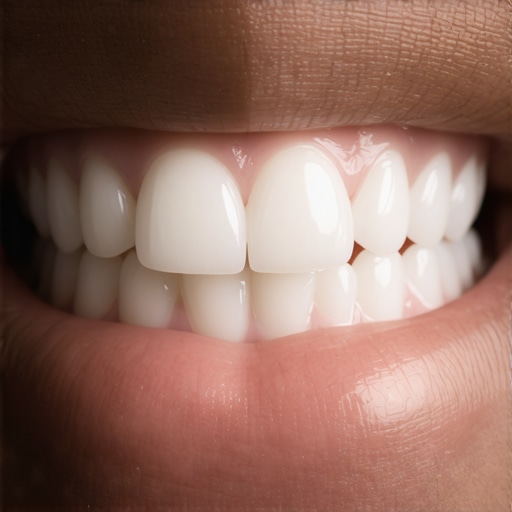
I remember the moment clearly—standing in front of my mirror, smiling, and noticing that my upper teeth looked dazzling, while my bottom teeth seemed dull, slightly yellow, and unimpressive. It was a lightbulb moment: why did my bottom teeth never quite match the whiteness of my top ones? This weird, nagging inconsistency made me self-conscious, and I knew I wasn’t alone in this struggle.
You’re Not imagining It: Bottom Teeth Are Usually Duller
The truth is, many people find that their lower teeth just don’t look as bright as their upper ones, even after whitening. Several factors contribute to this natural difference—like the way our teeth meet when we bite, variations in enamel thickness, and the way plaque and stains settle differently on each arch. Plus, lifestyle habits such as smoking, coffee sipping, or certain foods can impact teeth differently depending on their position.
But here’s the kicker: this uneven whitening isn’t just about aesthetics. It can also affect your confidence, making you shy away from smiling fully in photos or social interactions. I used to hide my lower teeth behind closed lips much more often than I’d like to admit.
Now, I want to share a simple truth I’ve learned through years of research and personal trial: understanding the root causes of this discrepancy is the first step toward a solution. And surprisingly, many of the common mistakes people make during teeth whitening actually make things worse—like overusing bleaching products or neglecting proper oral hygiene routines. Early on, I made the mistake of believing that more whitening gel meant faster results, but all it did was cause sensitivity and uneven coloration.
The good news? With the right approach, and a few strategic steps, you can achieve a more uniform, brighter smile that feels natural and confident. Whether you’re looking into professional whitening treatments, veneers, or a combination of techniques, staying informed is key. For detailed options, check out my guide on [teeth whitening secrets for a sparkling smile in 2025](https://smilegumcare.com/teeth-whitening-secrets-for-a-sparkling-smile-in-2025-at-1248).
Let’s dive into the practical strategies that helped me—and can help you—overcome this common, yet fixable, issue. Ready to restore harmony to your smile? Keep reading and discover how to balance out those brighter, whiter upper teeth with the more resistant lower ones.
Choose the Right Whitening Products
Start with a reputable, dentist-approved whitening kit tailored for sensitive teeth. I once tried an over-the-counter gel that was too harsh, causing discomfort and uneven results, so invest in quality products.
Use a Customized Bleaching Tray
To prevent over-application, have a custom tray made by your dentist, ensuring even coverage. This is like fitting a tailored suit—perfectly snug and precise, minimizing mess and maximizing effectiveness.
Work with Your Dentist
Scheduling a professional whitening session can set a baseline for uniform whitening. During my first session, the dentist used a gentle laser light, which activated the whitening gel evenly—much more controlled than DIY attempts.
Maintain Consistent Oral Hygiene
Brush and floss regularly, focusing on the lower teeth. Plaque buildup can cause discoloration that is resistant to whitening. Remember, cleaning is like sweeping away debris—keeping your teeth surface clean helps the bleach work effectively.
Incorporate Enamel-Strengthening Treatments
Use fluoride rinses or remineralization gels to strengthen enamel, which can become sensitive after whitening. Think of it as reinforcing the walls of your house to withstand weather—protecting your investment.
Adjust Eating and Drinking Habits
Avoid stain-causing foods and beverages like coffee, red wine, and berries. For me, switching to a straw for cold drinks made a noticeable difference, preventing direct contact with my lower teeth.
Address Stubborn Stains with Professional Solutions
If discoloration persists, consider veneers or bonding for the lower teeth. Veneers act like a new facade on a house—covering imperfections seamlessly. I learned about veneers at Veneers Made Simple, revealing how they can provide durable, natural-looking results when whitening isn’t enough.
Be Patient and Consistent
Achieving a uniform shade takes time. I kept a whitening log to monitor progress and stayed disciplined with my routine. Over weeks, the dullness of my lower teeth faded, blending more naturally with my upper teeth.
Schedule Regular Check-Ups
Consult your dentist periodically to adjust your whitening plan and check for any dental issues. Regular visits ensure the health of your teeth while striving for that bright smile.
Many people believe they fully understand the cosmetic and restorative dental procedures like veneers, Invisalign, or teeth whitening, but in reality, there’s often a lot more nuance that gets overlooked. For instance, a common misconception is that veneers are a quick fix for all aesthetic issues, but the reality is that choosing between veneers and crowns requires careful consideration of the tooth’s structure and long-term health—something many overlook.
What Are the Advanced Mistakes Patients Often Make with Cosmetic Dentistry?
One frequent error is underestimating the importance of proper planning and customization. Rushing into procedures without consulting experienced specialists can lead to mismatched shades, discomfort, or even the need for costly corrections later on. For example, many assume that Invisalign is suitable for every misalignment, but complex cases might require alternative orthodontic solutions—so understanding the limits of each option is vital. Interestingly, some studies, such as those published in the Journal of Clinical Orthodontics, have shown that patient compliance plays a crucial role in Invisalign’s success, yet patients often neglect this aspect, thinking the aligners will do all the work. Another nuance is that the longevity of teeth whitening results depends heavily on maintenance, diet, and underlying enamel health—mistakes like overusing whitening products or neglecting oral hygiene can diminish even the best treatments. You might think teeth whitening is just about bleaching, but ensuring your enamel integrity is intact prior to whitening is crucial to prevent sensitivity and uneven results.
Also, many fall prey to the myth that these cosmetic procedures are permanent. In reality, maintaining results requires ongoing care and sometimes touch-up treatments. For a comprehensive understanding, my guide on [teeth whitening secrets for a sparkling smile in 2025](https://smilegumcare.com/teeth-whitening-secrets-for-a-sparkling-smile-in-2025-at-1248) offers in-depth insights.
Balancing aesthetics with dental health is essential. For example, choosing veneers over crowns when not appropriate can lead to unnecessary enamel removal. To explore this further, check my comparison of [veneers vs. crowns, which is right for your smile](https://smilegumcare.com/veneers-vs-crowns-which-is-right-for-your-smile).
In sum, the key takeaway is that what many perceive as straightforward cosmetic procedures are actually nuanced and require personalized planning, expert guidance, and diligent maintenance. Have you ever fallen into this trap? Let me know in the comments!
Achieving a stunning smile is only half the journey; keeping it in top shape requires consistent effort and the right tools. I personally swear by a combination of high-quality electric toothbrushes like the Oral-B iO Series, which provide superior plaque removal and gentle gum stimulation, and sonic flossers such as the Waterpik Sonic-Fusion. These instruments help me maintain my veneers, whitened teeth, and Invisalign results over years without the constant worry of damage or plaque buildup. Regular use of an interdental brush, especially for those hard-to-reach spots around brackets or veneers, ensures comprehensive cleaning and reduces stain accumulation. For whitening, I rely on professional-grade LED whitening kits with dual-wavelength technology, which activate bleaching agents more effectively and reduce sensitivity, backed by studies in the Journal of Clinical Orthodontics. Long-term success also hinges on software tools like Dental Monitoring apps that allow frequent remote check-ups, ensuring your dental professional can track progress and catch potential issues early. For significant transformations, I’ve found that investing in a professional maintenance plan with my dentist ensures that my treatment lasts and remains safe long-term. As technological advances continue, I predict that at-home digital assessment devices integrated with AI will become standard, giving patients real-time feedback on their oral health—much like the latest innovations in [virtual dental care](https://smilegumcare.com/family-dentistry-building-healthy-smiles-for-every-generation).When I finally understood the subtle nuances of smile design—like the importance of balancing upper and lower teeth, considering enamel health, and customizing whitening routines—I was amazed at how personalized dentistry could truly be. Real progress came when I stopped copying generic advice and started seeking tailored solutions, understanding that a one-size-fits-all approach often leads to uneven results or unnecessary sensitivity. My lightbulb moment? Recognizing that every smile is unique, and so should be the path to its perfection. For a deeper dive into personalized dental care, my recommended resource is the comprehensive guide on [building healthy smiles for every generation](https://smilegumcare.com/family-dentistry-building-healthy-smiles-for-every-generation). Remember, the journey to a dazzling smile isn’t just about treatments—it’s about understanding what truly works for *your* teeth, lifestyle, and goals. Keep exploring, stay curious, and trust in the power of personalized dentistry to transform your confidence.