
Why Your Breath Smells Like Old Cheese Despite Constant Flossing

Ever had that uncomfortable moment after flossing when your breath still smells like a forgotten cheese platter? I used to think my daily floss routine was foolproof—until I noticed the lingering stench. It was a lightbulb moment that made me question everything I believed about oral hygiene. Frustrated and a bit embarrassed, I set out to uncover the real reason behind this perplexing problem.
The Unseen Culprit Behind Persistent Bad Breath
If you’re like me, you probably assume that flossing is the ultimate fix for bad breath. But what if I told you that even the most diligent flossers can still wake up smelling like aged cheese? That’s exactly what happened when I was constantly vigilant—yet, my breath refused to cooperate. Turns out, bad breath isn’t just about plaque or food particles; it often involves deeper issues like dry mouth, bacterial imbalance, or even hidden dental problems. Trust me, I learned the hard way that more flossing isn’t always the answer. Early on, I made the mistake of ignoring these other factors, which only extended the problem. If you want to breathe confidently, you need to look beyond floss and explore the full picture of oral health.
Is Your Breath Stubbornly Bad? Here’s What People Usually Miss
Many folks, including myself at first, fall into the trap of overestimating flossing. It’s an easy default because it feels productive. But I soon discovered that ignoring other issues—like dehydration or mouth bacteria—can leave you with persistent odors. A surprising fact? According to a study published in the Journal of Oral Microbiology, dry mouth can significantly contribute to bad breath, even when your teeth are sparkling clean. That revelation prompted me to prioritize hydration and check if my saliva production was normal—something I had overlooked.
If any of this sounds familiar, don’t worry. Together, we’ll dive into the hidden causes of bad breath that might be sabotaging your confidence, even if you’re a diligent flosser. Ready to find out what really works? Let’s get started and finally uncover the truth behind that stubborn stench.
Identify and Address Hidden Causes of Bad Breath
Begin by assessing factors beyond flossing. Keep a hydration journal to track your fluid intake; aim for at least 8 glasses of water daily to combat dry mouth. Use a tongue scraper each morning to reduce bacteria buildup that flossing alone can’t reach. For persistent issues, consult your dentist about bacterial imbalance or underlying dental problems that may contribute to bad breath. For more insights on maintaining a comprehensive oral health routine, visit family dentistry tips.
Enhance Your Daily Oral Hygiene Practices
Perfect Your Flossing Technique
Don’t just go through the motions—use about 18 inches of floss, winding it around your fingers. Gently glide between teeth in a C-shape, hugging the tooth and gum line. Make this a nightly ritual, ensuring access to all surfaces. I once tried to rush my flossing, which left debris behind; slowing down made a noticeable difference. Want to master flossing? Check out flossing secrets.
Brush Correctly and Effectively
Use a soft-bristled brush and replace it every three months. Brush at 45 degrees toward the gums, using gentle circular motions to remove plaque, especially along the gum line. Incorporate a timed brushing of two minutes to ensure thorough coverage. I once underestimated the importance of proper technique; after changing my brush and brushing method, my gums felt healthier. For detailed guidance, see proper brushing techniques.
Incorporate Advanced Dental Care
Consider Professional Whitening
If your teeth are dingy despite good hygiene, professional whitening can give you immediate results. Booking a whitening session involves removing surface stains with safe, dentist-approved methods. During my visit, the technician explained how whitening targets deep stains without damaging enamel—an eye-opening detail that reassured me. For options suited to your needs, explore teeth whitening options.
Evaluate Orthodontic Solutions
Misaligned teeth impact breath and oral hygiene. Invisalign offers a discreet way to straighten teeth gradually. I experimented with Invisalign for a year; clear trays made me feel confident while improving my bite. Remember, consistent wear is key—most people wear their aligners about 22 hours per day. To learn more about how Invisalign can work for you, visit Invisalign secrets and see if this option suits your lifestyle.
Establish Regular Dental Visits
Routine check-ups help detect issues early, saving pain and money later. During my last visit, the dentist identified early signs of gum recession that I had missed. Consistent professional cleanings remove tartar beyond what brushing and flossing can achieve. Schedule exams twice a year through your local family dental practice, which provides comprehensive care for all ages. For helpful tips on creating a healthy smile for your family, consult family dentistry tips.
Maintain Your Results and Adjust Your Routine
Track your progress. If you notice stubborn spots or new issues, revisit your dental professional. Keep your tools—brushes, floss, trays—clean and replace them regularly. For example, I replaced my whitening trays after six months because deposits had weakened their clarity. Regularly reevaluate your habits, and don’t hesitate to seek expert guidance to keep your smile shining bright.While these cosmetic and orthodontic treatments are widely marketed as quick fixes, there are nuanced pitfalls many overlook. For instance, most assume veneers are a permanent solution for smile imperfections, but in reality, they require careful planning and maintenance. Poor placement or neglecting regular check-ups can lead to discoloration or damage over time. Similarly, teeth whitening is often thought of as one-size-fits-all; however, over-the-counter options can cause sensitivity or uneven results if not tailored to individual enamel conditions. Advanced users know that professional whitening is safer and more effective, especially when combined with proper oral care routines, as highlighted in recent studies emphasizing the importance of tailored dental treatments. When it comes to Invisalign, many believe it’s just about aligners—yet, the true success hinges on precise compliance and understanding the limitations in complex cases. Rushing into orthodontics without expert consultation can lead to prolonged treatment or relapse. As for family dentistry, the myth that it’s only for children persists, but in reality, it encompasses comprehensive, lifelong care that prevents minor issues from escalating. The key is recognizing which treatments suit your uniquely evolving needs, not just following popular trends.
Awareness of these nuances can save you both time and money and set realistic expectations. For deeper insights into customizing your dental journey, explore top teeth whitening strategies and family dental care essentials. Remember, a beautiful smile isn’t just about appearance—it’s about health, longevity, and informed choices. Have you ever fallen into this trap? Let me know in the comments.
Maintaining your smile after undergoing treatments like veneers, teeth whitening, or Invisalign requires more than just routine brushing. Having the right tools and methods can make all the difference in ensuring your investment lasts. One device I personally swear by is the Sonicare DiamondClean Electric Toothbrush. Its adaptive cleaning modes, especially the whitening setting, are gentle yet effective at removing surface stains without damaging delicate restorations. Its smart timers help me ensure I brush for the recommended two minutes, covering all areas thoroughly, which is vital for long-term success.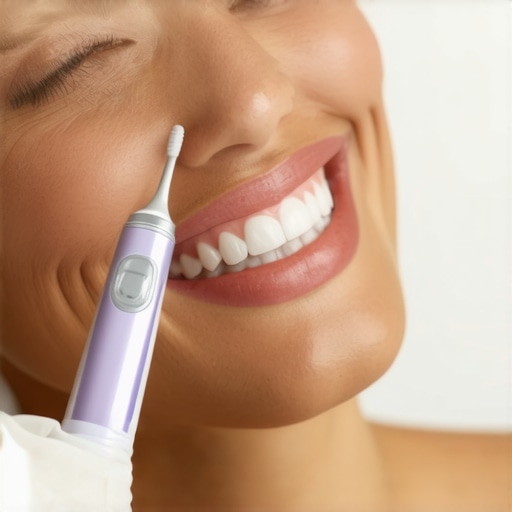
Another essential tool is the Waterpik Water Flosser. I transitioned to using mine daily because flossing with string can sometimes miss plaque in hard-to-reach spots around crowns or Invisalign attachments. The pulsating jet works brilliantly at dislodging debris, reducing plaque buildup, and freshening my breath, all of which contribute to maintaining dental improvements and preventing decay or gum issues that can compromise veneers or whitening results.
When it comes to teeth whitening, I prefer professional-grade solutions like those from top teeth whitening strategies. Over-the-counter options often cause sensitivity or uneven results, especially if you have restorations. Using custom bleaching trays provided by your dentist ensures consistent application and minimizes risks. Regular touch-ups, about every six months, keep my smile bright without overexposing my enamel.
For Invisalign wearers, a good habit is to invest in a specialized retainer cleaning tablet. I use Invisalign-specific cleaning crystals that dissolve in water, creating an antibacterial environment for my aligners. This not only preserves clarity but also prevents foul odors—something I’ve struggled with in the past when neglecting proper hygiene. Consistency with cleaning can extend the lifespan of your trays and keep your treatment on track.
Looking ahead, I predict that innovations in smart dental devices—like Bluetooth-enabled brushes and app-connected flossers—will become the norm, offering real-time feedback on technique and coverage. These tools will empower us to proactively maintain our dental health while reducing costly visits due to preventable issues. As technology continues to evolve, I plan to stay ahead by integrating these smart tools into my routine. Want to experience a noticeable upgrade today? Try incorporating a high-tech toothbrush like the Sonicare DiamondClean and observe the difference in your long-term results. Remember, maintaining your dental enhancements isn’t just about tools; it’s about consistent, informed care that preserves your beautiful smile for years to come.
Lessons I Wish I Had Known Before Transforming My Smile
- Realizing that veneers aren’t forever was a game-changer—maintenance and careful choices matter more than I thought.
- Understanding that teeth whitening results depend heavily on the type of stain and enamel health saved me from unnecessary disappointment.
- Discovering that Invisalign requires discipline and commitment made me respect the treatment process and expect meaningful results.
- Learning that regular family dentistry visits are preventive rather than reactive helped me prioritize lifelong oral health over quick fixes.
Tools and Resources That Truly Make a Difference
- Sonicare DiamondClean Electric Toothbrush: I’ve found its adaptive modes and timers crucial for maintaining my veneers and natural teeth, ensuring thorough cleaning without damage.
- Waterpik Water Flosser: It reaches hard-to-access areas that traditional floss can’t, vital for those with braces, veneers, or implants.
- Professional Whitening Treatments: Customized bleaching trays recommended by my dentist provide safe, consistent, and long-lasting results, unlike over-the-counter options.
- Invisalign-specific Cleaning Crystals: Keeping aligners mic-clean not only prevents odors but also preserves the treatment’s effectiveness over time.
Embrace Your Smile Journey and Keep Moving Forward
Your journey toward a healthier, brighter smile is uniquely yours. With the right knowledge, tools, and mindset, every step becomes an investment in your confidence and well-being. Remember, embracing the nuances—like maintenance, commitment, and personalized care—sets you apart from generic advice and leads to genuine, lasting results. Stay curious, stay proactive, and enjoy the transformation ahead. What part of your dental routine are you excited to improve next? Let me know below and share your experience!