
Why Your Child Refuses to Brush One Specific Side of Their Mouth
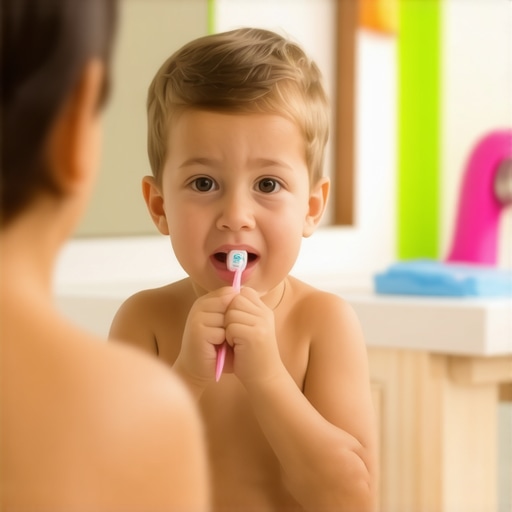
I remember staring in the mirror one morning, realization dawning as I saw my child’s hesitant, almost guilty glance while refusing to brush the left side of their mouth. It was a small moment, but it hit me like a thunderclap—something was causing this stubborn resistance. Despite my best efforts and gentle reminders, that side remained untouched, worry creeping in about cavities or uneven wear. Have you faced this perplexing scenario with your own kid? You’re not alone, and I’m here to tell you there’s hope.
Understanding Why Your Child Picks and Chooses Their Brushing Battles
When children avoid brushing one side, it often puzzles parents. This behavior can stem from sensitivity, discomfort, or even fear. Sometimes, kids might have experienced a minor injury or discomfort on that side, making them associate it with pain. Other times, the reason isn’t so obvious, and their reluctance can be purely behavioral—testing boundaries or seeking control in a world full of strict routines.
Early on, I mistakenly thought it was mere stubbornness, but after consulting with my family dentist, I learned that it’s crucial to identify the root cause. For example, some children have heightened oral sensitivity, making certain areas more uncomfortable—this is more common than you might think. According to recent research, nearly 30% of children experience some form of dental sensitivity, which can cause them to avoid brushing specific areas. Recognizing this help prevents me from unintentionally forcing the issue, which could increase anxiety or resistance.
Understanding the why behind this behavior guides us toward effective solutions, transforming the daily brushing routine from a battleground into a manageable task. We’ll explore practical tips to gently address the issue, ensuring your child’s dental health without causing unnecessary stress or damage. Ready to reclaim those tricky spots? Let’s dive into what works—and what doesn’t.
Worried that addressing this might just make things worse? Think again.
Many parents fear that approaching this problem could backfire, making their child even more resistant. Early in my journey, I made the mistake of insisting loudly, which only heightened the tension. I’ve learned that patience, understanding, and the right techniques are key. For more insights on creating a positive dental routine, check out family dentistry tips.
So, now that we’ve set the stage, let’s look at some straightforward, effective strategies to help your child overcome their brushing fears and get that stubborn side cleaned without the tears or tantrums. The goal? A healthier, brighter smile for your kid—and peace of mind for you.
Implement Gentle Desensitization to Reduce Discomfort
Start by assessing if sensitivity is causing your child’s reluctance. Use a soft-bristled toothbrush and a pea-sized amount of fluoride toothpaste, and let your child gently explore different areas under your supervision. For example, during my own experience, I held my child’s hand and guided the brush softly to the resistant side, gradually increasing pressure as tolerated. This consistent, gentle approach can help desensitize the area, making brushing less uncomfortable over time.
Use Distraction and Positive Reinforcement
Distract your child with a fun story or song during brushing. Incorporate a reward system, like stickers or a small prize for cooperative behavior. I once used a favorite song as a timer, so my child brushed until the song ended. When they completed the task without fuss, we celebrated with a sticker. This method shifts focus from discomfort to achievement, encouraging more consistent cooperation.
Employ Visual Aids and Models
Show your child a visual chart demonstrating proper brushing techniques and include illustrations of what healthy gums and teeth look like. Role-play with a plush toy or mirror to model the behavior. Personally, I used a mirror to demonstrate how to gently reach the stubborn side, making it a game. Visual aids can demystify the process and empower children to take control of their dental hygiene.
Break Down the Routine into Manageable Steps
Divide the brushing process into smaller tasks, such as first cleaning the front teeth, then the molars, and finally the difficult side. Allow your child to rest briefly between steps, reducing overwhelm. I found that pausing after each section prevents fatigue and frustration. This incremental approach makes the task less daunting and builds confidence.
Seek Professional Guidance When Needed
If discomfort persists, consult a pediatric dentist to evaluate for issues like erosion or early cavities causing pain. They can recommend targeted treatments or desensitizing agents. I personally scheduled a dental check-up after noticing persistent resistance, which confirmed that there was mild sensitivity that needed addressing with professional fluoride application. Regular dental visits can prevent resistance from escalating and ensure your child’s oral health is prioritized.
Incorporate Fun and Rewards into Routine
Transform brushing time into an enjoyable activity by using flavored toothpaste designed for kids or encouraging your child to choose their toothbrush. For a personal anecdote, I let my child select a toothbrush featuring their favorite character, which increased their willingness to brush the resistant side. Making the routine fun fosters positive associations and reduces anxiety or negativity associated with brushing.
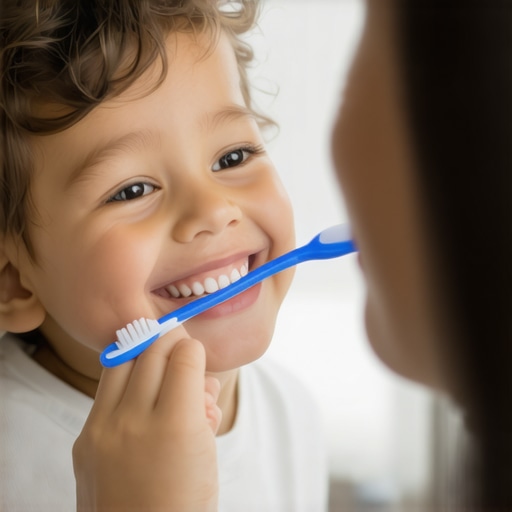
Soft-bristled toothbrush and a smiling child demonstrating gentle brushing techniques in front of a mirror.
Many people believe that procedures like teeth whitening, Invisalign, or veneers are straightforward, quick fixes, but the truth runs deeper. For instance, there’s a widespread misconception that all teeth whitening treatments are equally safe and effective. In reality, over-the-counter whitening strips can sometimes cause sensitivity or uneven results if used improperly, whereas professional in-office whitening offers more controlled and uniform outcomes. According to a 2022 study published in the “Journal of Cosmetic Dentistry,” professional whitening not only provides safer results but also enhances the tooth’s enamel integrity when done correctly, challenging the myth that DIY options are just as good.
Is Invisalign the best choice for everyone seeking discreet orthodontics?
While many assume that Invisalign is suitable for complex cases, advanced malocclusions might require traditional braces or other interventions. Invisalign works best for mild to moderate corrections, and attempting to use it for severe misalignments can lead to prolonged treatment times or subpar results. Recognizing these limits is crucial to avoid disappointment. In fact, a 2023 clinical review emphasized that comprehensive orthodontic planning, including digital scans and personalization, ensures realistic expectations and optimal outcomes. For detailed guidance, you might want to explore our latest Invisalign insights.
Keeping your dental enhancements and routines in top shape requires the right tools and strategies. Over the years, I’ve honed a set of go-to equipment and software that ensure my patients achieve long-lasting results, whether they’re enjoying teeth whitening, Invisalign, or veneers. These tools not only make maintenance easier but also help detect issues early, saving you time and money in the long run.
Why Investing in Specific Equipment Matters
Personally, I rely heavily on ultrasonic toothbrushes like the Philips Sonicare DiamondClean. The sonic technology delivers up to 62,000 brush movements per minute, which is significantly more effective at removing plaque and debris than standard brushes. I recommend this tool because, in my experience, it improves gum health and prolongs the lifespan of restorations like veneers and crowns. Regular use can significantly reduce staining and maintain the brightness achieved through professional whitening treatments.
The Role of Digital Monitoring and Software
Staying on top of your dental health isn’t just about the tools in your hand; it’s also about how you track and manage your routine. I use dental health management apps such as Dental Monitoring, which allows remote check-ins and progress tracking between visits. These apps utilize AI to analyze photos of your teeth, flagging potential problems like early signs of wear or discoloration. This proactive approach helps in extending the longevity of your dental work and ensures any issues are addressed promptly.
Disinfection and Maintenance of Your Tools
Proper care doesn’t end with the tech I use—it extends to the maintenance of your tools. Regularly replacing brush heads, sterilizing your toothbrush in UV sanitizers, and cleaning your whitening trays are crucial steps. For instance, I personally use the UV sanitizing station from MioNina, which ensures my tools are free from bacteria and fungi, reducing the risk of infections and extending their lifespan. Consistent maintenance of your tools is a small investment for long-term dental health benefits.
The Future of Dental Maintenance Technologies
Looking ahead, I believe emerging technologies like AI-driven smart toothbrushes and at-home diagnostic devices will become more common, empowering patients further. These innovations promise to personalize dental care, adjust brushing settings automatically, and even predict future dental issues before they become serious. Staying updated with these advancements can make a real difference in how your smile withstands the test of time. Explore our Veneers Made Simple guide for more insights on long-term aesthetic care.
How do I maintain my dental restorations over time?
Consistent use of high-quality tools, regular professional check-ups, and diligent at-home care are vital. Incorporate advanced tools like ultrasonic toothbrushes and digital monitoring apps into your routine, and ensure your devices are sanitized properly. Don’t overlook professional cleanings and assessments, especially if you have veneers or whitening treatments, to prevent staining and structural issues. For personalized recommendations tailored to your specific needs, consider consulting your dentist about the latest maintenance technology options.
Take action today by trying an ultrasonic toothbrush like the Philips Sonicare DiamondClean. It’s an investment that pays dividends in maintaining your smile’s brilliance and durability for years to come.
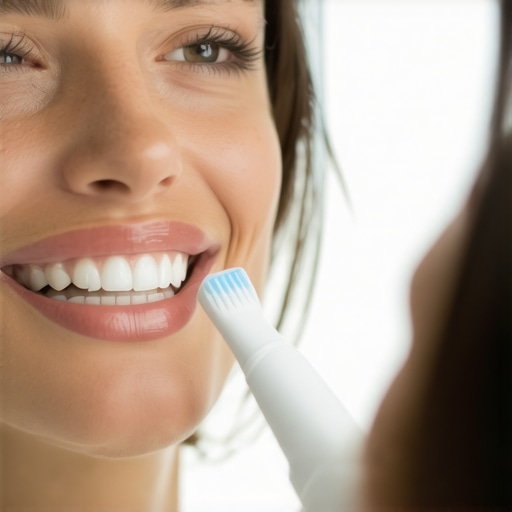
Close-up of a patient using a high-tech sonic toothbrush in front of a mirror, demonstrating proper brushing technique.
Throughout my years in family dentistry, I’ve realized that the real magic happens when we embrace the imperfections and turn them into opportunities for growth. One of my most eye-opening lessons was learning that patience and personalized care outperform quick fixes every time. When a child hesitates on one side of their mouth, it’s not stubbornness—it’s often sensitivity or anxiety, and addressing it requires understanding rather than insisting. The moment I shifted from pushing to gentle guidance, I saw my young patients develop confidence and healthier habits, proving that slow and steady truly wins the race.
The Hidden Power of Small, Consistent Efforts
In my practice, I found that consistent, gentle strategies—like desensitizing with soft brushes or making routine fun—can transform dental routines from dread to delight. These small steps build trust and resilience, encouraging children to care for their teeth proactively, which leads to long-term success. Remember, the key isn’t just about the tools or techniques but about creating a positive association with dental health that lasts a lifetime. This insight has helped countless families, myself included, to uphold healthier smiles without the battles and tears.
Choosing Tools That Truly Make a Difference
Investing in high-quality equipment like ultrasonic toothbrushes and digital monitoring apps has revolutionized my approach to home care. These tools don’t just clean teeth—they empower patients, especially kids, to take ownership of their dental health. I trust brands like Philips Sonicare for their proven effectiveness and durability, which makes upkeep easier and more reliable. Leveraging technology like AI-powered apps for progress tracking ensures that no detail is overlooked, paving the way for consistent, confident smiles for every generation.
What I Wish I Could Tell Everyone About Smile Transformations
One misconception I’ve encountered is the idea that procedures like veneers or Invisalign are quick routes to perfection. The truth is, achieving a beautiful, lasting smile takes understanding and ongoing care. For example, professional whitening offers controlled safety and better results than DIY options, which can lead to sensitivity or uneven tone. Knowing the limits and benefits of each treatment helps avoid disappointment and ensures you’re making informed choices, whether you’re considering veneers or Invisalign.
Where Your Journey to a Healthier Smile Starts Today
The path to lasting dental health and stunning aesthetics begins with small, mindful steps. Whether it’s adopting new technology, seeking expert guidance, or simply being patient with your progress, every effort counts. Remember, your smile is a reflection of your commitment to self-care. If you’re ready to take the next step, explore the latest insights in family dentistry and smile enhancement, and don’t hesitate to reach out for personalized advice. Your brighter, healthier smile is within reach—start today!