
Why Your Child’s Permanent Teeth Are Coming In Gray
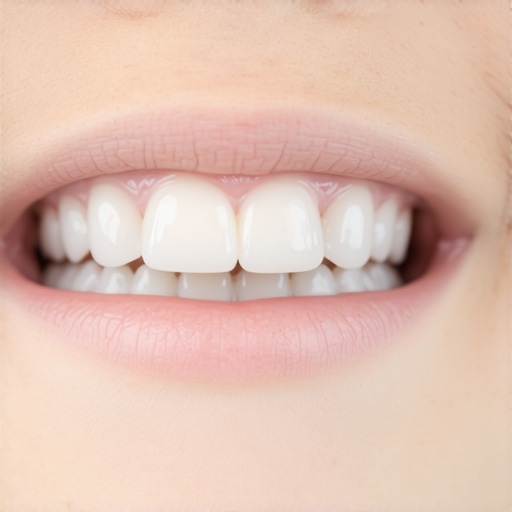
I remember the moment vividly—my child’s mouth opened during a routine brushing, and I froze. Instead of the usual pearly white, his permanent teeth shimmered with a dull, grayish hue. My heart sank. Panic set in—was this normal? Could it be serious? That lightbulb moment made me realize how confusing and concerning it can be when those adult teeth emerge in shades that don’t seem right.
Discovering the True Cause of Gray Teeth in Kids
It’s more common than you might think for children’s permanent teeth to appear gray or discolored when they first erupt. This isn’t just a cosmetic issue; sometimes, it hints at underlying problems that, if ignored, could affect your child’s oral health long-term. When I first stumbled upon this, I wished I had more immediate guidance. So, today, we’re going to demystify why this happens and what practical steps you can take to address it effectively.
Is Gray Teeth in Children Actually Normal or Something to Worry About?
Early on, I made the mistake of dismissing the grayish tint as temporary or harmless. Turns out, this was a mistake. According to dental experts, persistent discoloration can sometimes be linked to enamel hypoplasia, trauma, or other developmental issues that need professional attention. Recognizing the difference between normal variation and signs of a problem is crucial. If your child’s teeth look gray after eruption, don’t ignore it—early evaluation can make all the difference.
Understanding this early exposure to discoloration helped me seek the right specialist and start my child’s journey towards a healthier, brighter smile. If you’re facing a similar situation, I promise, you’re not alone, and solutions are within reach. Next, let’s explore what causes this gray appearance and how you can navigate it with confidence.
For comprehensive insights and tailored advice, consider visiting trusted resources like the American Academy of Pediatric Dentistry, which emphasizes early assessment for discolored teeth [source](https://www.aapd.org/). Now, let’s move toward practical steps that can turn this concern into a manageable situation, helping your child smile with pride again.
Start with a Dental Evaluation immediately
The first actionable step I took was booking an appointment with a pediatric dentist. Don’t wait for the discoloration to worsen; early assessment helps identify if it’s enamel hypoplasia or trauma. During my visit, the dentist examined my child’s teeth, took X-rays, and explained whether the gray tone was a sign of an underlying issue needing intervention. Think of this step as diagnosing a car trouble before attempting repairs—important for effective treatment.
Maintain Consistent Oral Hygiene Routines
Next, I established a strict brushing and flossing schedule using a soft-bristled toothbrush and fluoride toothpaste suitable for children. Proper oral hygiene doesn’t reverse discoloration but prevents new problems. To visualize, consider cleaning a muddy window; regular care keeps the surface clear, ensuring no additional staining or decay develops, which could complicate treatment options.
Implement Dietary Adjustments and Reduce Staining Foods
We reduced consumption of staining agents like tea, coffee, and dark fruits. Limiting sugary snacks also supports enamel health. I found that replacing dark-colored drinks with water or milk minimized pigment buildup. Think of this as watering down paint to prevent staining—simple dietary choices that protect your child’s teeth during eruption.
Explore Professional Whitening Options with Caution
Although whitening is common for adults, children’s teeth require special care. I researched safe whitening procedures through trusted sources like professional teeth whitening. We discussed with the dentist whether this treatment suits my child’s age and specific discoloration. It’s akin to choosing the right paint for delicate surfaces—a process that demands expert guidance.
Consider Dental Veneers for Persistent Cases
When discoloration persisted despite other measures, I looked into veneers. This cosmetic option can mask underlying issues and restore a natural white appearance. For more details, visit veneers overview. Think of veneers as a tailored suit for your teeth—an aesthetic fix that also strengthens the surface.
Manage Underlying Developmental or Trauma Issues
If the gray tone stems from enamel hypoplasia or past trauma, specialized interventions might be necessary. I consulted a pediatric dentist to explore options like remineralization treatments or bonding. This is comparable to repairing a wall with a patch before repainting—addressing the root cause ensures longer-lasting results.
Maintain Regular Follow-Ups and Monitoring
Finally, ongoing checkups ensured that discoloration didn’t return and that any treatment was holding. I set reminders for biannual visits, much like keeping up with car maintenance—preventing small issues from becoming major problems. Consistent monitoring is key to preserving your child’s bright, healthy smile.
Many people enter cosmetic and orthodontic treatments with common misconceptions, often believing these procedures are one-size-fits-all solutions. However, in my experience, this oversimplification can lead to disappointment or even long-term issues. For instance, a widespread myth is that veneers are permanent and invincible—what many don’t realize is that veneers can stain, fracture, or chip if not properly cared for, and their lifespan varies depending on material and habits. Exploring the nuances of veneer placement, such as proper bonding techniques and material selection, reveals that not all veneers are equal in durability or aesthetics. For comprehensive insights, you might want to review this detailed guide on veneers.
Similarly, teeth whitening is often touted as a quick fix, but many overlook the importance of understanding enamel health and the risks of overdoing whitening agents. Excessive use of high-concentration whitening products without professional supervision can cause sensitivity or even enamel erosion. This underscores the importance of consulting dental professionals, who can tailor whitening treatments that optimize results without compromising tooth integrity. A myth I frequently challenge is the idea that ‘more whitening equals better,’ when in reality, moderation and personalized care are key.
Family dentistry is sometimes viewed as merely routine check-ups, yet its true value lies in its preventive focus and early detection of issues. Neglecting comprehensive family dental practices can result in missed opportunities to address orthodontic problems, decay, or developmental concerns before they escalate. For example, early interventions like sealants or fluoride treatments can save families money and discomfort later on. For practical tips, see this resource on family dental care.
Invisalign is often misunderstood as a purely aesthetic orthodontic option, yet its true strength lies in strategic planning and customization. Without proper planning, Invisalign aligners may fail to address complex bite or structural issues, leading to prolonged treatment times or suboptimal results. Many assume that aligners are less effective than traditional braces, but when used appropriately with a thorough understanding and correct case selection, Invisalign can deliver superior results with added comfort. A sophisticated question to consider is: How do digital scans and 3D modeling enhance treatment precision? Studies indicate that digital planning significantly improves outcomes (more info here).
Now, here’s a critical insight for those considering these treatments: Don’t fall into the trap of choosing solely based on price or marketing hype. Every smile is unique, and what works for someone else may not suit your needs. A deep understanding of these nuances ensures you make informed decisions. Have you ever fallen into this trap? Let me know in the comments.Maintaining a bright, healthy smile requires more than just routine brushing; it involves employing the right tools and methods to ensure long-term success. One essential device I personally swear by is a **smart electric toothbrush** like the Philips Sonicare DiamondClean. Its advanced sonic technology provides superior plaque removal and ensures consistent, gentle cleaning especially around veneers and whitening-treated teeth. Additionally, using **interproximal brushes** helps clean tight spaces between teeth and around orthodontic attachments, which floss alone might miss. Regular use of these tools extends the lifespan of veneers, preserves whitening results, and promotes healthy gums.
For technology enthusiasts, incorporating **digital monitoring apps** such as the Philips Sonicare app allows me to track brushing habits, receive personalized feedback, and set reminders for replacement or special care routines. This integration of smart tech fosters better oral hygiene habits and minimizes the risk of discoloration or decay.
In terms of professional guidance, I highly recommend scheduling **periodic dental evaluations** with your trusted family dentist. Routine check-ups involve **state-of-the-art diagnostic tools**, including intraoral cameras and digital X-rays, which enable early detection of issues that could compromise aesthetic results or functional health. Staying ahead of problems ensures that treatments like veneers or Invisalign continue to perform well over time.
Looking forward, I believe the trend will move towards even more **personalized dental care**, powered by AI-driven diagnostics and at-home monitoring devices. These advancements promise to make ongoing maintenance more precise and less invasive.
**How do I maintain my veneers and whitening results over time?** The key lies in consistent use of specialized tools such as soft cleaning brushes and digital apps for habit tracking, combined with regular professional check-ups. Don’t overlook the importance of proper maintenance—skipping it risks compromising your investment in your smile.
If you haven’t already, try integrating an **electric toothbrush with Bluetooth connectivity** into your daily routine to maximize your oral health efforts. And for more tips on preserving your dental enhancements, explore our detailed guides or consult your dentist for personalized advice.
Lessons That Transformed My Approach to Dental Aesthetics
One surprising insight I gained was realizing that not every smile correction needs a quick fix; sometimes, understanding the root of discoloration or misalignment leads to more sustainable results and increased confidence. I also learned that investing in professional guidance, such as visiting trusted resources like veneers insights and whitening secrets, helps set realistic expectations and tailored solutions.
Finally, I understood that maintaining these enhancements requires a combination of high-quality tools, like an electric toothbrush, and routine professional evaluations to preserve that just-done look for years to come. Embracing this holistic approach changed my outlook—dental beauty isn’t just about appearance but about long-term health and happiness.