
Why your dental bridge feels like food is always stuck underneath
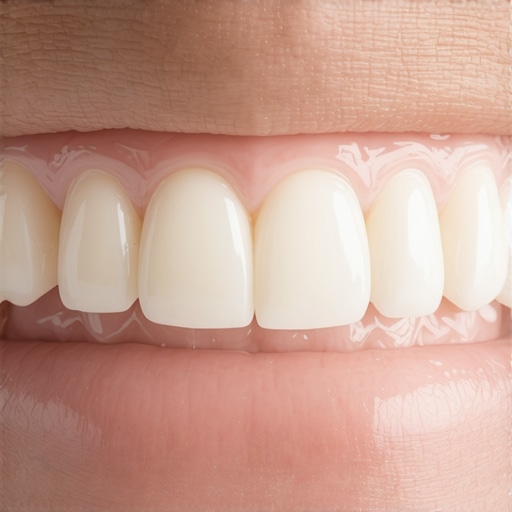
I remember the moment I realized something was off with my dental bridge. It was a frustrating afternoon, and I kept feeling like tiny bits of food were lodged beneath it, no matter how much I brushed or flossed. That uncomfortable sensation wasn’t just annoying; it made me worry about my oral health. It felt as though my smile was betraying me, and I couldn’t figure out why this problem persisted even after rigorous cleaning. That was my lightbulb moment—that my dental bridge needed some attention beyond my daily routine.
Why Food Gets Trapped Under Dental Bridges and What You Can Do About It
If you’ve ever experienced that feeling—constantly feeling like there’s food stuck—you’re not alone. It’s a common concern among those with dental bridges, and understanding the root cause is the first step toward relief. Over time, plaque and food particles can slip into the tiny gaps around your bridge, especially if your dental work isn’t fitted perfectly or if plaque buildup has created new nooks and crannies. Even a slight shift in the bridge’s position can make it easier for debris to settle underneath, leading to that persistent discomfort.
Have You Faced This Problem Without Knowing Why?
Honestly, I made a big mistake early on—assuming that regular brushing and flossing were enough. I didn’t realize that some areas require special attention or professional checkups to ensure my bridge was still fitting correctly. Neglecting these details can exacerbate the problem and cause more discomfort. That’s when I discovered the importance of routine dental visits and specific cleaning techniques for bridges, which made a significant difference. For more insights on creating and maintaining a healthy smile for your entire family, check out family dentistry tips.
But understanding these causes is just the beginning. Next, I’ll guide you through practical solutions that can help you avoid the discomfort and keep your smile healthy and clean. Ready to discover how to restore comfort and confidence in your dental work? Let’s dive into the actionable steps you need to take today.
Master Proper Cleaning Techniques for Your Dental Bridge
Start by choosing the right tools—use a water flosser or interdental brush instead of standard floss, which might not reach the tiny gaps around your bridge. I remember the first time I tried a water flosser; I filled it with warm water, aimed at the area beneath my bridge, and saw a burst of debris being flushed away—an immediate relief. Regularly cleaning these hard-to-reach spots prevents plaque buildup, which can cause food to get trapped.
Employ Specific Flossing Methods
Wrap a piece of floss around your middle fingers, gently slide it under the bridge, and carefully move it back and forth. This mimics the motion of threading a needle—precise and gentle. When I first attempted this, my hands fumbled, and I accidentally tugged a bit too hard, causing minor gum irritation. With patience, I learned to glide the floss, dislodging trapped food without discomfort. This technique ensures no debris remains lodged, reducing the chance of discomfort or decay. For detailed guidance, visit flossing with a permanent retainer.
Schedule Routine Dental Checkups
Visiting your dentist every six months ensures your bridge fits correctly. During these visits, the dentist can identify microgaps or shifts that allow food entry. I recall a checkup where my dentist used special dental dye to highlight plaque build-up near my bridge, prompting a professional clean. This proactive approach keeps food from sneaking underneath and helps catch problems early.
Adjust Your Diet to Protect Your Bridge
Avoid sticky or hard foods that can dislodge or loosen your bridge. Think of your dental work like a delicate piece of machinery—feeding it with gentle, manageable items is crucial. I once ate caramel candies without thinking; the sticky residue pulled my bridge slightly, causing discomfort. Afterward, I switched to softer foods and saw a significant reduction in food trapping issues.
Practice Consistency and Patience
Consistency is key. Make cleaning your dental bridge part of your daily routine—immediately after meals and before bed. It might seem tedious initially, but like learning to ride a bike, it becomes second nature. Over time, you’ll notice fewer instances of food getting lodged, and your overall oral health will improve. Remember, small daily actions outweigh occasional deep cleanings. For more specialized tips, check out veneers and aesthetic dentistry to ensure your smile stays healthy and beautiful.
Tackle Difficult Areas with Professional Assistance
If despite diligent efforts, food still gets trapped, consult your dentist for potential adjustments or professional cleaning. Sometimes, minor re-fitting or polishing of the bridge can make a significant difference. I once noticed persistent debris despite diligent cleaning—my dentist smoothed a slight irregularity, and the problem was solved. Think of this as fine-tuning a musical instrument for perfect sound—small tweaks can yield big results.
Many patients walk into dental clinics with misconceptions about popular cosmetic and family dental procedures, often rooted in myths or outdated information. One common misconception is that veneers are a quick fix for all aesthetic issues, but the reality is more nuanced. Veneers require careful planning, and their success depends on proper tooth preparation and material choice. Misunderstanding this can lead to irreversible damage or dissatisfaction post-treatment. Similarly, while Invisalign is celebrated for its discreet appearance, some assume it can correct every orthodontic problem, which isn’t accurate. Severe misalignments or bite issues may still require traditional braces or other interventions. It’s vital to consult with an experienced dentist to determine the best approach for your unique case, rather than blindly trusting popular opinions.
Another widespread myth surrounds teeth whitening. Many believe that whitening treatments can transform severely stained teeth instantly, but at-home products often fall short of professional results, and excessive whitening can cause enamel erosion. Overzealous whitening is a common mistake that can lead to increased tooth sensitivity and long-term damage. Advocates often overlook the importance of identifying the cause of discoloration—stains from antibiotics, fluorosis, or aging require tailored solutions.
In the realm of family dentistry, there’s a misconception that children should only visit the dentist when they have a problem. However, preventive care and early education are crucial for establishing lifelong oral health habits. Regular checkups help catch cavities or misalignments early, reducing complex procedures later. Moreover, many underestimate the importance of involving the entire family in dental health routines, which promotes consistency and reduces fear around dental visits.
For those seeking a comprehensive understanding, it’s essential to recognize that each of these procedures has nuances that can significantly impact outcomes. Skipping professional guidance or succumbing to myths can lead to ineffective treatments and added costs. My advice is to seek providers with a holistic approach—like those at family dentistry experts—who prioritize personalized care and ongoing education.
Now, let’s explore some advanced considerations that can help you navigate these treatments more effectively.
What Are the Pitfalls of Overlooking Tooth Enamel Health Before Whitening?
Many patients jump into whitening procedures without assessing the integrity of their enamel, which is a critical mistake. Enamel erosion exposes dentin, leading to heightened sensitivity and vulnerability to decay. A study published in the Journal of Esthetic and Restorative Dentistry emphasizes the importance of enamel health as a predictor for whitening success and safety. If your enamel is compromised, treatments that seem harmless could do more harm than good. Always consult with a dental professional to assess your enamel quality before proceeding with whitening. Regular checkups can reveal early signs of erosion, allowing for preventive measures to safeguard your teeth. Remember, a healthy foundation is essential for any cosmetic enhancement—skipping this step might undermine the entire procedure and your long-term oral health.
How do I maintain my dental improvements over time?
Maintaining your enhanced smile—be it from veneers, Invisalign, or teeth whitening—requires reliable tools and consistent care. Personally, I rely on a combination of advanced sonic toothbrushes and professional-grade cleaning devices to ensure my dental work stays pristine. My go-to is the Sonicare DiamondClean, which offers high-frequency sonic vibrations that gently dislodge plaque and stubborn stains, making daily maintenance more effective. Paired with interdental brushes designed specifically for tight contact areas, I find it easier to clean around veneers and Invisalign attachments without damaging them. These tools have been game-changers in preserving my investment and ensuring long-term results.
In addition to quality equipment, I make regular visits to my dentist every six months, focusing on professional cleanings and assessments. This proactive approach helps catch any minor issues before they become significant problems. For those interested in staying ahead of the curve, I recommend exploring the latest in dental technology, such as ultrasonic scalers and CariFree systems, which can further enhance your maintenance routine.
Emerging trends in dental maintenance and tools
The future points toward smart dental devices equipped with IoT technology. Imagine toothbrushes that track your brushing habits and send real-time feedback to your smartphone or even alert your dentist to potential issues. Companies are already developing AI-powered platforms that analyze your oral health data, providing personalized advice and scheduling reminders. Embracing these innovations can make maintaining your dental work more efficient and tailored to your needs.
What are the best methods to scale your dental improvements?
If you’re considering expanding or enhancing your smile over the long term, it’s vital to work closely with a skilled family dentist—such as those at family dentistry specialists. They can devise a comprehensive plan, whether that involves additional veneers, aligning teeth further with Invisalign, or whitening treatments. Regularly updating your maintenance regimen, including advanced tools like LED whitening lamps or custom-fitted night guards, can keep your results looking their best.
Remember, consistent care, innovative tools, and professional guidance are the pillars of sustaining your dental successes. Don’t hesitate to try that new ultrasonic cleaner or upgrade to a smart toothbrush—you might be surprised how much these additions can improve your long-term results. As the field advances, ongoing education and adaptive practices will ensure your smile remains radiant and healthy for years to come.
Incorporate these strategies into your routine and enjoy the confidence that a well-maintained smile provides. For personalized advice, reach out to your dental provider and explore what modern tools fit your needs best.
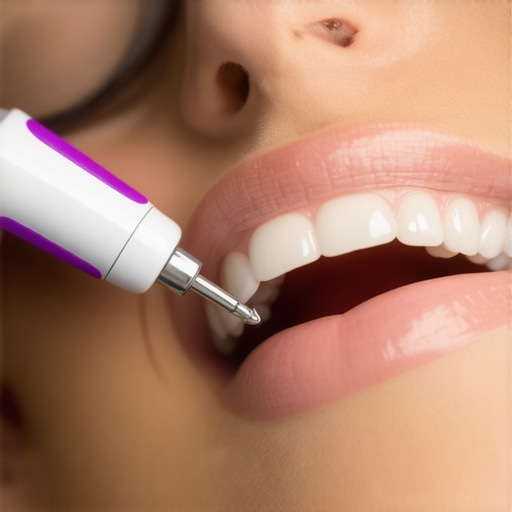
Picture a sleek, modern dental cleaning device demonstrating ultrasonic technology, emphasizing the cutting-edge tools shaping preventive care today. The ideal image shows a professional cleaning session using ultrasonic scalers, reinforcing the importance of advancing your maintenance routine.
Over my years in dental care, I’ve learned that the journey to a radiant, healthy smile is filled with insightful lessons and unexpected twists. One of the most profound realizations I’ve had is that flawless dental work isn’t just about the procedure—it’s about understanding the nuances that ensure longevity and genuine confidence. Small habits, consistent checkups, and awareness of your body’s signals can make a transformative difference. For instance, paying attention to how your gums respond after a whitening session or ensuring your Invisalign trays fit perfectly can save you from future discomfort or costly fixes. These subtle yet powerful insights—often overlooked—are the real game-changers that help maintain your smile’s brilliance over time.
The Hardest Lesson I Learned About Veneers and Family Dentistry
- Don’t rush cosmetic decisions: I once hurried into veneers without understanding the importance of choosing the right material and the long-term implications. The lesson? Always consult with a trusted family dentist to explore options tailored specifically to you.
- Prevention trumps correction: Regular checkups caught early signs of enamel erosion in my case. Staying proactive, especially with family dentistry routines, can prevent bigger issues down the line.
- Listen to your body: After whitening treatments, sensitivity occurs more often than most realize. Recognizing these signals early helped me adjust my routine without damaging my teeth.
- Invest in quality tools: Using the right toothbrush and interdental cleaners made a significant difference in maintaining my dental work—simple tools, profound results.
- Knowledge empowers: Educating myself about myths surrounding dental procedures like Invisalign or crowns enabled me to make confident choices and question misconceptions.
Tools and Sources That Changed My Approach to Dental Care
- Top teeth whitening strategies: For staying radiant without sensitivity, this resource offers practical insights grounded in real experience.
- Veneers insights: A must-read to understand how to select the right veneer type and avoid costly mishaps.
- Family dentistry tips: These guidelines helped me establish lifelong habits that support my family’s oral health.
- Comfortable cleaning techniques: Advanced methods that made my routine less invasive and more effective.
Seize Your Bright Future: Take Control of Your Smile Today
Remember, your smile is more than just aesthetics—it’s a reflection of your confidence and well-being. Every small step you take towards understanding your dental needs and maintaining good habits compounds over time into a radiant, healthy smile that lasts. Whether you’re considering veneers, Invisalign, or simply aiming to keep your family’s teeth in top shape, the power to transform your dental future is in your hands. Embrace the journey, stay curious, and don’t hesitate to seek professional guidance to tailor solutions that fit your unique smile. Your best smile is waiting—get started today, and let your confidence shine through!
What’s one aspet of dental care you wish you knew earlier? Share your thoughts below—I love hearing your stories!