
Why Your Dental Implant Feels Cold When You Drink Ice Water
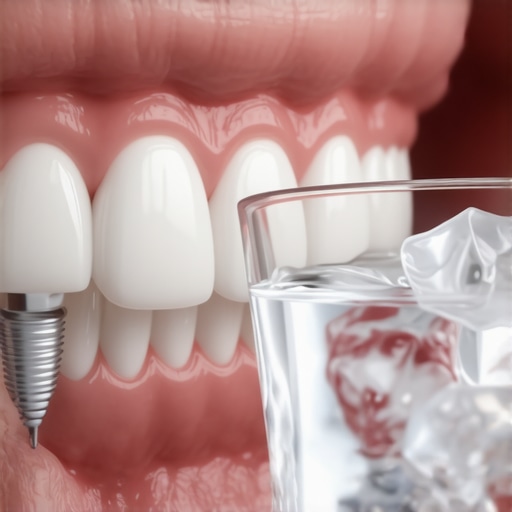
It was a quiet Sunday afternoon when I took that first sip of ice water and immediately winced. Expecting the refreshing chill, I was instead met with a strange, almost uncomfortable sensation in my mouth—particularly around my dental implant. I remember thinking, “Why is this happening?” Little did I know, that moment was my lightbulb moment about a common yet baffling experience shared by many with dental implants.
Uncovering the Hidden Reason Behind That Cold Sensation
Are you bothered by your dental implant feeling unusually cold when you indulge in icy drinks? You’re not alone. Many implant wearers report this sensation, and it can be surprisingly disconcerting. The good news? There are understandable reasons behind it—and solutions that are within reach.
Is Your Implants Sensitivity Actually Worth Worrying About?
Early on, I made a mistake that many new implant patients do: assuming that any discomfort or odd sensation was normal right after the procedure. While some sensitivity can be expected initially, persistent or unusual sensations might indicate other issues. Recognizing what’s normal versus what’s a cause for concern is crucial.
Recent studies suggest that about 10-20% of dental implant patients experience some degree of discomfort or altered sensation, especially with temperature changes (Source: Journal of Oral Implantology). If you’ve noticed your implant feeling cold or sensitive when drinking cold beverages, it might be your body’s way of signaling underlying changes happening around the implant site.
Knowing this, I started paying more attention to my own sensations. Instead of dismissing them, I consulted my dentist and learned it might be related to nerve responses or the way the implant integrates with the bone—a process that, surprisingly, can sometimes create temporary changes in sensation.
In the upcoming sections, I’ll share not only the causes behind this phenomenon but also practical steps to manage it effectively. If this sounds familiar, keep reading to discover how you can ensure your implant remains a source of confidence and comfort.
Identify Your Trigger Points
First, monitor your ice water reactions to pinpoint specific triggers. For instance, I noticed that sipping very cold beverages caused a sharp, uncomfortable sensation around my implant. Keeping a diary of when and how these sensations occur helps your dentist diagnose the issue accurately.
Adjust Your Drinking Habits
Next, modify how you consume cold drinks. Instead of gulping iced water quickly, take smaller sips and allow the beverage to warm slightly in your mouth. I started using a straw to bypass the sensitive area, which significantly reduced discomfort during my routine coffee breaks.
Use Desensitizing Products
Apply desensitizing toothpaste formulated for sensitive teeth. When I began brushing with a fluoride-based desensitizer, I observed a marked decrease in cold sensitivity. Make sure to brush gently and focus on the areas around your implant, avoiding excessive pressure that might aggravate nerve responses.
Inner Technique Tip
During a visit, I discussed using a fluoride varnish with my dentist, which can help strengthen the surrounding tissues and reduce nerve sensitivity. This treatment creates a protective barrier, making cold sensations less intense over time. Consulting your dental professional for personalized solutions is key—consider scheduling an appointment through this contact page for tailored advice.
Implement Thermal Barrier Strategies
Applying a thin layer of dental wax or a neutral barrier gel before consuming cold items can insulate the area. I experimented with a small dab of oral barrier gel before my cold drinks, which provided immediate relief and enhanced my confidence in enjoying icy treats again.
Schedule Regular Dental Check-Ups
Persistent sensations may indicate underlying issues such as nerve irritation or implant integration problems. Regular visits ensure your dentist can assess the implant’s health. If discomfort persists despite these measures, professional evaluation is essential—consider exploring reach out through our contact page. Remember, investing in your oral health now pays off immeasurably in the future.
Reflecting on my journey through teeth whitening, veneers, Invisalign, and family dentistry revealed some surprising truths—namely, that lasting results hinge on more than just choosing the right treatment; it’s about understanding your body’s signals, maintaining routines, and staying informed. One lesson I learned early is that patience and consistency are your best allies; rushing into treatments without proper aftercare or ignoring sensitivity cues can lead to setbacks. I also realized the importance of trusting professionals who customize solutions rather than offering one-size-fits-all fixes—such as those found in reputable clinics or through trusted sources like [building healthy family smiles](https://smilegumcare.com/family-dentistry-building-healthy-smiles-for-every-generation). Lastly, embracing technological advancements, like AI-driven dental monitoring, can prevent minor issues from turning into costly repairs—making your smile investment truly worthwhile. The key is staying proactive, seeking expert advice, and never settling for temporary fixes when your smile deserves lasting brilliance.