
Why Your Gum Hurts Around One Specific Tooth
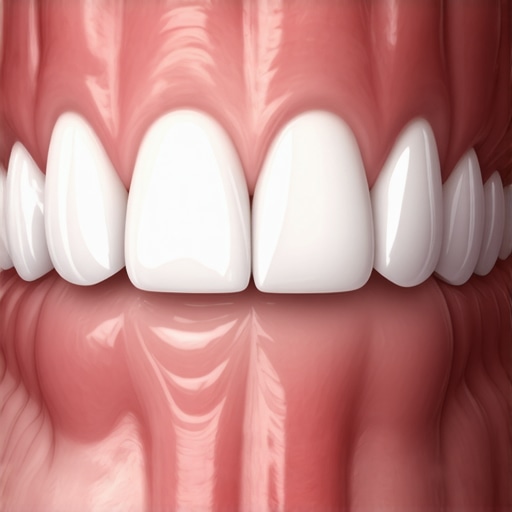
I vividly remember the moment I realized my gum was bothering me—just around one tooth, and it was almost like a sharp little echo that wouldn’t go away. It was late at night, I’d been scrolling through dental forums, hoping for a miracle cure, only to feel that sudden twinge of worry. We’ve all had those moments when an unexpected toothache or gum pain pops up, and you start asking yourself, “Is this serious? Should I see my dentist right now?”
Familiar Struggle With Unexplained Gum Pain
If your gum is hurting around a single tooth, you’re not alone. It’s one of those annoying dental mysteries that can leave you feeling more confused than concerned—at least initially. That localized pain can stem from various causes: gum infection, a lodged food particle, or even subtle changes in your tooth alignment. But what truly matters is pinpointing the root cause before it escalates into something more serious.
In my experience, ignoring such pain only made things worse. Early on, I made the mistake of dismissing mild discomfort as just a temporary nuisance, only to find out later it was an infection creeping beneath the gum line. Trust me, initial inattention can lead to bigger problems—like abscesses, bone loss, or even the need for more invasive treatments. So, understanding why this happens is crucial to stopping it in its tracks.
What We Will Cover Today
Keep reading because I’ll guide you through the common reasons your gum might hurt around just one tooth and, more importantly, how to address each one effectively. From simple hygiene adjustments to recognizing signs of something more insidious, you’ll get a clear picture of the next steps. And if you’ve ever wondered whether this little inconvenience is something to panic over, I’ll help you sort that out, too.
Is Gum Pain Around One Tooth Really Something to Worry About?
Early in my dental journey, I made the mistake of assuming every gum ache was minor—a mistake that cost me comfort and time. The truth is, even seemingly small issues can be signs of underlying problems requiring professional attention. According to recent studies, untreated gum infections can lead to serious health issues beyond the mouth, including heart disease. So, every little pain counts, and ignoring it can be a costly oversight.
Now that I’ve learned the hard way, my advice is to listen to your body. If your gum hurts around a specific tooth, take it seriously. What’s causing it? Is it a simple trapped debris, or is there an infection taking hold? Knowing the difference can save you a lot of pain and money in the long run. Ready to explore the common causes? Let’s dive into what might be triggering your gum pain and how you can start tackling it today.
Tackle the Root Cause Quickly With Targeted Care
When gum pain around one tooth strikes, start by gently rinsing with warm salt water—mix half a teaspoon of salt in eight ounces of warm water—and swish for 30 seconds. This natural antiseptic helps reduce inflammation and flush out irritants. I remember applying this simple remedy one evening after noticing persistent soreness; it provided immediate relief and prevented the issue from worsening.
Assess and Clean Properly to Remove Debris
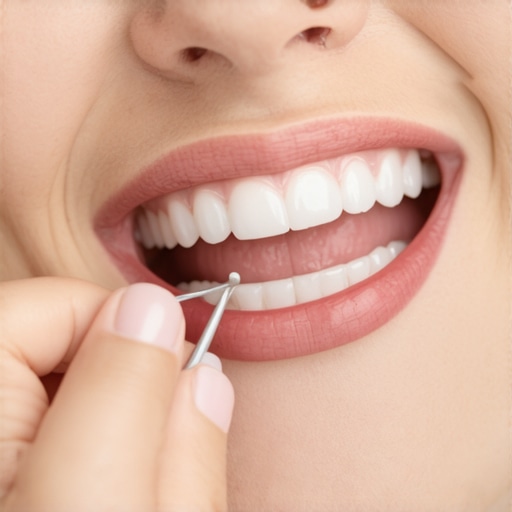
Next, carefully floss around the affected tooth using waxed dental floss, making sure to remove any trapped food particles, plaque, or debris that could be irritating the gum tissue. Use gentle, sawing motions and avoid forcing the floss into painful areas. This step is crucial because often, pain is caused by a lodged piece of food or plaque buildup underneath the gum line, similar to how a tiny splinter can cause discomfort under skin. Regular cleaning can prevent microbial buildup that worsens pain.
Apply Topical Relief for Immediate Comfort
For quick relief, applying a small amount of over-the-counter numbing gel containing benzocaine directly on the gum can soothe pain temporarily. Keep in mind, this is not a cure but a short-term solution to help you manage discomfort while planning a visit to the dentist. I once used this method after a late-night snack left my gums inflamed, and it bought me enough relief to sleep peacefully.
Monitor Symptoms and Plan Your Next Steps
Observe the affected area over the next 24 to 48 hours. If you notice increased redness, swelling, bleeding, or pus, or if the pain intensifies, schedule an appointment with your dental professional immediately. Ignoring ongoing symptoms can turn a simple gum irritation into a serious infection, such as an abscess, which may require antibiotics or more invasive procedures. Remember, early intervention often results in simpler treatment and better outcomes.
Schedule Professional Care to Get to the Bottom of It
Book a visit with your dentist without delay. They will conduct a thorough examination, possibly including X-rays, to identify issues like decay, a cracked tooth, or periodontal disease. In some cases, more advanced procedures such as cleaning below the gum line or treating infection may be needed. While this step might sound intimidating, regular family dentistry—like tips discussed in family dentistry—can help prevent such problems before they become painful emergencies.
Prevent Future Discomfort with Good Oral Hygiene
Finally, maintain consistent oral care by brushing twice daily with fluoride toothpaste, flossing carefully around each tooth, and using an antiseptic mouthwash if recommended by your dentist. This routine keeps your gums healthy and resilient against irritants. I adopted stricter brushing habits after my experience, which noticeably improved my gum health and reduced sensitivity. Remember, proactive prevention is your best defense against unexpected gum pain around a lone tooth.
 Many individuals believe they fully understand popular dental treatments like family dentistry, teeth whitening, veneers, and Invisalign. However, beneath the surface lie misconceptions and overlooked nuances that can significantly impact results and satisfaction. For instance, a common mistake is assuming that more expensive veneers always yield better aesthetics. In reality, the quality of the material and proper placement matter far more than price alone, as explained in detail on [Veneers vs. Crowns](https://smilegumcare.com/veneers-vs-crowns-which-is-right-for-your-smile). Moreover, many overlook how subtle nuances in family dentistry, such as personalized preventive strategies, are crucial for long-term oral health, which you can explore in [building healthy smiles for every generation](https://smilegumcare.com/family-dentistry-building-healthy-smiles-for-every-generation). An advanced consideration with teeth whitening is the risk of sensitivity; some treatments can damage enamel if not carefully monitored—something that general advice often neglects. According to research in the Journal of Clinical Dentistry, aggressive whitening can weaken enamel integrity, emphasizing the importance of professional guidance. When it comes to Invisalign, many assume it’s solely about discreet braces. Yet, an overlooked nuance is the importance of compliance and proper wear schedules, which directly influence treatment efficacy. For in-depth insights, check [Invisalign innovation](https://smilegumcare.com/invisalign-innovation-invisible-braces-changing-smiles-in-2025-at-1537). Finally, a common myth is that these treatments are one-size-fits-all. Every case is unique, and what works for one person may not suit another. A tailored approach is essential for optimal results, highlighting the need to collaborate closely with experienced professionals. Have you ever fallen into this trap? Let me know in the comments.Maintaining a beautiful, healthy smile requires more than just good intentions; it demands the right tools and consistent routines. One device I swear by is the Sonicare DiamondClean electric toothbrush. Its sonic technology delivers up to 62,000 brush strokes per minute, effectively removing plaque in hard-to-reach areas and reducing overall gingival inflammation. I personally switched to this model after trying numerous brushes, and I noticed a marked improvement in my gum health within weeks. Investing in quality electronics like this ensures your daily hygiene is as effective as possible, setting the foundation for long-term dental success.
Pairing your toothbrush with a water flosser, such as the Waterpik Ultra, enhances the removal of debris and bacteria from interdental spaces. Unlike traditional floss, a water flosser uses a targeted stream of water to clean below the gum line gently but thoroughly. I find it especially useful for family members with braces or dental implants, who benefit from a more thorough cleaning process. Regular use of such devices can significantly decrease the chances of developing periodontal issues and tooth decay.
For those wanting an extra layer of protection, fluoride mouth rinses like ACT Total Care are invaluable. They not only help strengthen enamel but also reduce sensitivity, which is common after whitening treatments or with veneers. I incorporate a daily rinse into my evening routine, and it acts as a protective barrier against acids and sugars that linger after meals.
Looking to the future, trends in dental technology are leaning toward smart devices capable of tracking your brushing habits and providing personalized feedback. Companies are developing apps integrated with electric toothbrushes that monitor brushing duration and pressure, ensuring optimal technique. This innovation promises to make maintenance more engaging and consistent for patients and professionals alike.
So, how do I maintain long-term results from teeth whitening, veneers, and Invisalign? The key lies in consistent, targeted care using the right tools. For example, regular professional cleanings combined with home devices prevent build-up and keep restorations looking pristine for years. If you’re considering upgrading your routine, I recommend trying a sonic toothbrush paired with a water flosser—these have revolutionized my dental health and could do the same for you.
Want a deeper dive into effective long-term smile care? Check out tips from experts at [family dentistry](https://smilegumcare.com/family-dentistry-tips-creating-a-healthy-smile-for-your-kids-at-0915) to ensure your routines are both effective and lasting. Remember, investing in the right tools today pays dividends for your smile tomorrow.
The Hidden Wisdom I Gained from My Dental Journey
- Consistent Care Outshines Quick Fixes: I used to rely on instant whitening remedies, but investing in regular professional cleanings and proper home routines proved to be the real game-changer for my smile.
- Personalized Treatment Matters: Sneaking a peek behind the curtain of family dentistry revealed that tailored approaches—whether for veneers or Invisalign—lead to more natural and lasting results.
- Patience Often Wins Over Urgency: Rushing to fix minor issues like gum irritation can cause more harm than good. Slow and steady wins the dental health race, emphasizing early intervention.
- Trust in the Experts Is Essential: While DIY trends pop up everywhere, I learned to prioritize professional consultations—be it for teeth whitening or veneers—to avoid costly mistakes and ensure safety.
- Aftercare Defines Long-Term Success: Post-treatment habits, like diligent brushing with tools such as the Sonicare DiamondClean, have kept my smile vibrant well beyond my initial investment.
Tools That Made a Difference in My Smile Journey
- Top Teeth Whitening Strategies: A trusted resource that helped me choose safe, effective whitening options tailored to my sensitivities.
- Veneers Made Simple: Clear insights that clarified the importance of material quality and proper placement for aesthetic longevity.
- Invisalign Innovations: Revealed to me that compliance and careful wear really determine treatment success—an essential reminder I follow diligently.
- Family Dentistry Tips: Preventive care tailored for every family member can save future pain and expenses, fostering healthy habits from a young age.
Your Smile Is a Journey, Not a Destination—Embrace It Boldly
With each lesson learned and every trusted tool adopted, I’ve found renewed confidence in my smile and dental routine. Remember, real progress comes from informed choices and consistent effort. Don’t hesitate to start or refine your own oral care journey today—your future self will thank you for it.
What’s one dental habit you’ve adopted or are curious to try? Share your thoughts below—I’d love to hear your story!
,