
Why Your Gums Are Swollen Only Around One Dental Implant
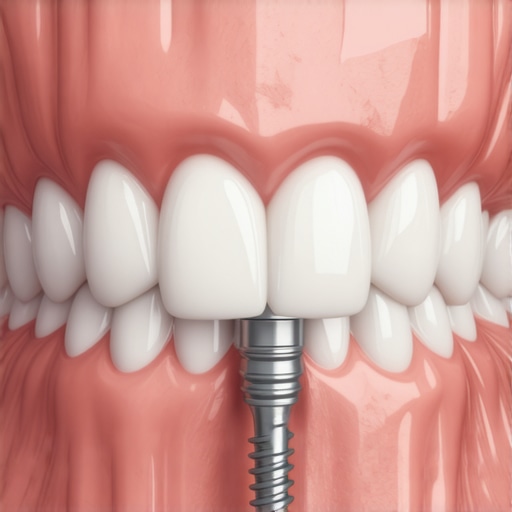
I remember the moment vividly—one morning, I noticed a peculiar swelling around my new dental implant. It wasn’t painful at first, but there was an unsettling feeling, like my body was protesting in a very targeted way. That lightbulb moment made me realize how tricky and confusing gum health around dental implants can be. Sometimes, it’s just a minor irritation, other times, it’s a warning sign that needs immediate attention.
Understanding the Mystery of Swollen Gums Around a Single Implant
If you’re experiencing swelling or inflammation only around one dental implant, you’re not alone. It’s a common concern that can stem from various causes—ranging from minor irritation to more serious issues like peri-implantitis. The key is understanding why this localized swelling occurs and what steps you can take to address it before it turns into a bigger problem.
Is Swelling Around a Single Implant Actually Serious?
Early on, I made the mistake of ignoring slight redness or swelling, thinking it was just from brushing or a minor irritation. But that oversight can be dangerous. Experts warn that persistent swelling might indicate underlying infection or implant failure, which could compromise the entire dental work. According to the Journal of Dental Research, untreated peri-implantitis can lead to implant loss if not properly managed.
Assess the Situation Quickly
The first move is to examine the swelling closely. I recall a time when I noticed puffiness only during my morning brush. I gently pressed around the implant—if there’s pus or bleeding, it’s time to act fast. Persistent redness or swelling that lasts over a couple of days signals possible infection and needs prompt attention.
Identify Possible Causes
Understanding what’s behind the swelling is crucial. Common culprits include trapped plaque, food debris, or mild irritation. Sometimes, a loose or damaged implant component can also cause localized inflammation. In my case, I remembered that I had recently switched to a new toothbrush with firmer bristles, which might have caused minor gum trauma. Recognizing triggers helps prevent future issues.
Implement Immediate Oral Hygiene Tactics
Start with gentle cleaning. Use a soft-bristled toothbrush and antimicrobial mouthwash to clear away bacteria. I learned that over-aggressive brushing can worsen inflammation, so I switched to brushing with light, circular motions. Flossing carefully around the implant pinpoints and removes hidden debris, preventing further irritation.
Apply Cold Therapy for Relief
Ice packs or cold compresses reduce swelling and numb discomfort. I pressed a wrapped ice pack against my cheek for 15-minute intervals, which noticeably decreased the puffiness and eased pain. This simple step buys time while I consider further actions.
Schedule a Professional Evaluation
Any persistent or worsening swelling should be assessed by a dentist promptly. Don’t delay—going to your dental provider ensures proper diagnosis and treatment. For instance, I visited [Smile Gum Care](https://smilegumcare.com/contact-us) after a few days of swelling to prevent complications like peri-implantitis. The professional exam could involve probing the gum pocket, taking X-rays, or inspecting the implant’s stability.
Follow Specific Treatment Recommendations
Based on the diagnosis, your dentist might prescribe antibiotics, perform deep cleaning, or adjust the implant. In cases like mine, a professional cleaning around the implant reduced inflammation and saved the implant from potential failure. If advised, consider adjunct therapies such as laser treatment or localized antimicrobials for better outcomes.
Establish Preventive Habits
Post-recovery, maintaining excellent oral hygiene prevents future swelling. Incorporate daily flossing, regular professional cleanings, and mindful brushing. For example, I started cleaning around my implant with a special periodontal brush, which significantly lessened the chance of debris accumulation. Regular checkups with your family dentist, as suggested [here](https://smilegumcare.com/family-dentistry-tips-creating-a-healthy-smile-for-your-kids-at-0915), keep problems at bay.
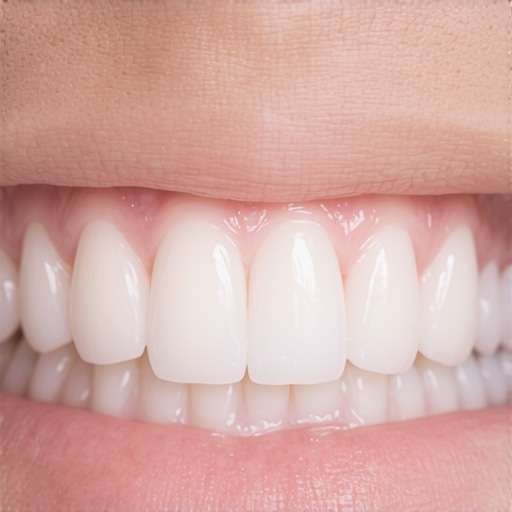 Many patients assume that cosmetic dental procedures like veneers or teeth whitening are simple fixes that require minimal maintenance. However, a common misconception is that once you get veneers or undergo whitening, your smile is permanently flawless with little to no effort. In reality, understanding the nuances of these treatments can make a significant difference in their longevity and your overall oral health. For instance, some believe that veneers are invincible and don’t require special care, but improper handling can lead to chipping or discoloration over time. Experts emphasize that elaborate planning and personalized maintenance are essential to ensure lasting results, as detailed in the article on veneers.
A particularly dangerous myth surrounds teeth whitening, where many think it’s safe to use over-the-counter products frequently or combine multiple whitening methods without professional guidance. This can lead to excessive enamel erosion and increased tooth sensitivity, which is often overlooked. The American Dental Association notes that customized whitening plans administered by professionals yield safer, more effective results and help prevent damage. Remember, aggressive whitening might seem tempting for quick results, but it could cost you more in dental repairs later.
Similarly, Invisalign is frequently mistaken for purely cosmetic aligners. The misconception is that they can be worn without regard to oral hygiene or that they don’t impact overall dental health. But, neglecting cleaning your aligners or not maintaining optimal oral hygiene can result in decalcification or cavities. The latest innovation in invisible braces emphasizes the importance of discipline and proper hygiene routines.
Families often assume that regular checkups are just about cleaning teeth, overlooking their vital role in preventing advanced issues like gum disease or early orthodontic needs. Surprisingly, many neglect scheduling regular visits until discomfort or aesthetic problems manifest. Regular family dentistry sessions, explained comprehensively here, serve as an essential proactive measure.
One critical nuance that is frequently missed is that all these treatments interact with your unique oral environment. A procedure suitable for one person can be ill-advised for another due to varying enamel strength, gum health, or existing dental work. For example, using certain whitening agents on veneers can damage the bonding material, resulting in mismatch or delamination. It’s imperative to consult with a dental professional who understands these intricacies, rather than relying solely on consumer advice.
Make sure to stay informed and cautious. Have you ever fallen into this trap? Let me know in the comments! Remember, a well-informed patient is a healthy smile.Maintaining the health and appearance of dental treatments like veneers, whitening, Invisalign, and family dentistry interventions requires more than just regular brushing. It involves utilizing the right tools and adopting disciplined routines. For example, investing in an ultrasonic water flosser, such as the Waterpik, has transformed my daily flossing regimen. Unlike traditional floss, it provides a gentle yet thorough clean around brackets or veneers, ensuring debris doesn’t accumulate unnoticed. Moreover, using interdental brushes specifically designed for wide or irregular gaps prevents plaque buildup that could compromise restorations. I personally prefer models with soft bristles and ergonomic handles for comfort and precision.
For whitening treatments, maintaining results hinges on proper home care. I recommend a whitening-specific toothpaste that contains low-abrasion agents, which remove surface stains without damaging enamel—this is critical for preserving veneers and natural teeth alike. Regular use of LED curing lights, like the SLDYSS, can also boost touch-up whitening sessions, extending the lifespan of your sparkle. Incorporating such tools consistently forms the foundation of long-term aesthetic success.
Invisalign wearers should prioritize cleaning their aligners meticulously. I swear by a combination of denture cleaning tablets and soft toothbrushes, which prevent cloudiness and lingering odors. Additionally, having a sterilizing case with UV capabilities can disinfect aligners daily, reducing bacterial buildup—a crucial factor for oral health. According to the American Association of Orthodontists, routine maintenance of aligners can significantly reduce the risk of decay and gum issues.
Looking ahead, dental technology is poised to incorporate artificial intelligence for personalized care recommendations. Device sensors may soon monitor your oral hygiene habits and suggest tailored routines via smartphone apps, much like the advancements described by Dentsply Sirona. Staying on top of these innovations could dramatically improve maintenance efficiency.
How do I maintain my veneers and whitening outcomes over a year? Prioritize with high-quality interdental brushes and incorporate a dedicated whitening touch-up gel application weekly. These small steps ensure your smile stays stunning and healthy for the long haul.
Don’t hesitate—try a targeted maintenance tool like a UV sterilizer for aligners today. It could be the game-changer in your dental routine. For personalized advice on selecting the right equipment, feel free to reach out through [our contact page](https://smilegumcare.com/contact-us). Remember, proactive maintenance now can save you from costly repairs or replacements later.
What I Wish I’d Known Before Embarking on My Smile Journey
One of the most eye-opening lessons I learned was the importance of personalized aftercare. It’s tempting to follow generic advice, but embracing tailored routines — like selecting the right toothbrush or specialized floss — truly made a difference in maintaining my veneers and whitening results. Additionally, I realized early that regular communication with my dentist helps catch potential issues before they escalate, saving me time and money.
I also discovered that understanding the interactions between treatments and my unique oral environment prevents costly mishaps. For instance, I learned that using the wrong whitening toothpaste on veneers can lead to mismatched shades and damage. Trusting recommended tools, like interdental brushes designed for veneers and aligners, elevated my hygiene game and extended the life of my enhancements.
Tools and Reads That Changed My Perspective
- My Precision Toolkit: The Waterpik water flosser transformed my flossing routine. Its gentle but thorough cleaning around braces and veneers keeps debris at bay and reduces gum irritation. I also swear by specialized interdental brushes which cater to my specific needs, making maintenance simpler and more effective.
- Books That Built My Confidence: “Veneers Made Simple” offered a comprehensive understanding of veneer longevity and care. Reading about professional whitening secrets and Invisalign innovations has empowered me to make informed decisions and maintain high standards for my smile.
- Web Resources for Ongoing Learning: The American Dental Association’s official site and reputable blogs like Smile Gum Care provide up-to-date insights on treatment options, safety protocols, and emerging technologies. Staying informed prevents me from falling into common pitfalls and helps me optimize my routine.
Your Smile Is Your Power — Take Action Today
Your journey to a healthier, more radiant smile starts with curiosity and commitment. The future of veneers, whitening, Invisalign, and family dentistry is bright, with innovative tools and expert guidance making maintenance easier than ever. Don’t wait for small issues to become big problems—start today by adopting disciplined habits and seeking professional advice tailored to your needs. Remember, a smile is more than aesthetics; it’s an expression of confidence and well-being.
What’s one new habit you’re willing to try to preserve your dental investments? Share your thoughts below—your story could inspire someone else to take that first proactive step!