
Why Your Gums Bleed Only When You Use a Specific Brand of Floss
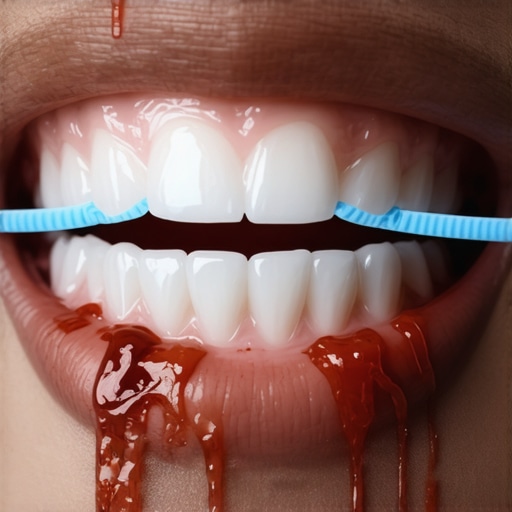
It happened on a seemingly routine evening, as I was meticulously flossing my teeth before bed. Suddenly, I noticed a puzzling sight: blood on the floss, but only when I used a particular brand. It was as if my gums had developed a selective allergy, and I couldn’t shake the feeling that I was doing something wrong. Have you ever experienced the same strange bleeding, only with a specific floss? If so, you’re not alone — and there’s a reason behind it that might surprise you.
When Flossing Becomes a Cause for Concern
Initially, I thought maybe I was flossing too aggressively or that my gums were just Sensitive. But the bleeding was persistent, only with one brand of floss, and I couldn’t ignore it anymore. It made me wonder: could my choice of dental floss actually be harming my gums?
The truth is, not all flosses are created equal, and some might be incompatible with your gums’ health. As I dug deeper, I learned that certain chemicals, flavorings, or textures in some floss brands can irritate sensitive gums, especially if there’s an underlying issue like mild inflammation or allergic reactions. According to a study published in the Journal of Periodontology, irritants in dental products can exacerbate gum sensitivity, leading to bleeding even with gentle flossing.
Could Your Floss Be Causing the Bleeding?
Early on, I made the mistake of dismissing minor bleeding as normal, which can lead to more serious problems down the line. Now I know that paying attention to the specific products I use can make a significant difference. If you’ve faced similar problems, it’s worth investigating whether your floss choice might be a hidden culprit, and how switching brands or types could help restore your gum health.
This realization prompted me to explore options like unflavored, waxed floss or even alternatives such as interproximal brushes. Switching to a more suitable floss not only stopped the bleeding but also made my daily routine more comfortable and effective.
Are you experiencing bleeding only with certain floss brands? If so, it might be time to evaluate your options and consider a change. For more insights on maintaining healthy gums and choosing the right dental products, be sure to check out the comprehensive guide on family dental care [here](https://smilegumcare.com/ensuring-family-dental-care-what-parents-need-to-know-in-2025). The journey to healthier gums starts with small, informed choices — and I’m here to help you navigate them.
Prep Your Teeth Like a Pro
Begin by thoroughly cleaning your teeth with an electric toothbrush and floss to remove plaque. Visually inspect for signs of decay or damage, addressing any issues with your dentist before proceeding with cosmetic procedures.
Choose the Right Cosmetic Treatment
Decide between options like veneers, teeth whitening, or Invisalign based on your goals. For instance, if discoloration bothers you more than misalignment, teeth whitening may suffice. Teeth whitening can brighten your smile by several shades in a single session, but for structural corrections, veneers or Invisalign are preferred.
Set Clear Goals and Expectations
Visualize your desired outcome. Bring pictures or use virtual simulation tools provided by your dentist. This ensures alignment on what the treatment will achieve and realistic expectations for results.
Preparation for Veneers or Crowns
When opting for veneers or crowns, your dentist will need to reduce the tooth enamel slightly to make room. During my own veneer appointment, I watched as a small layer was gently removed with a fine drill, which felt like a tiny sanding process. This step allows the veneer to sit flush without making your teeth look bulky.
Micro-Story
In one of my visits, I watched the technician meticulously shape my tooth for veneers—aiming for perfect symmetry. It was messy at first, as small shavings flew, but precision was key. After the fit was perfect, the veneers were bonded with a curing light, instantly transforming the appearance of my smile.
Implementing Whitening Safely
Before whitening, avoid acidic foods or drinks that can compromise enamel. Use a professional whitening kit as prescribed. During my own whitening, I experienced some sensitivity; using a desensitizing gel recommended by my dentist managed the discomfort effectively.
Invisalign Technique for Alignment
Aligners should be worn at least 20-22 hours per day for effective results. Switch to new trays every 1-2 weeks, as instructed. I kept a calendar to track changes and replaced trays every Sunday, which kept my progress consistent. Remember, avoid eating or drinking hot liquids while wearing aligners to prevent staining or warping. Invisalign is discreet and effective, but consistency is crucial for success.
Monitoring and Fine-Tuning Your Smile
Regular follow-ups with your dentist help ensure the treatment progresses as planned. If you notice any discomfort, looseness, or staining, report immediately. Adapting your oral hygiene routine with gentle brushing and flossing maintains the longevity of veneers, crowns, or aligners.
While many patients seek teeth whitening, veneers, or Invisalign with high expectations, few realize that misconceptions and overlooked nuances can undermine their results. For instance, there’s a widespread belief that cheaper whitening options are just as effective as professional treatments, but in reality, over-the-counter strips often lack the potency and precision of dentist-supervised procedures, leading to inconsistent or short-lived results. Furthermore, many assume veneers are a one-size-fits-all solution to aesthetic issues, yet they require careful planning to prevent a ‘fake’ or unnatural appearance—something that untrained providers might overlook, resulting in a mouth that looks overdone or mismatched. When it comes to Invisalign, many think compliance is optional; however, wearing aligners less than the recommended 20-22 hours per day can significantly delay progress and compromise final outcomes, as supported by orthodontic research. One common myth is that family dentistry is exclusively for children, but in truth, it lays the foundation for lifelong oral health for all ages. Overlooking proper communication with your dentist about your specific needs or misjudging the importance of proper attachment placement for aligners can lead to frustrations or suboptimal results. As highlighted by a study in the Journal of Clinical Orthodontics, advanced understanding and careful customization—beyond generic advice—are essential for predictable, beautiful, and durable outcomes. So, next time you’re considering a cosmetic or orthodontic treatment, remember: superficial perceptions often mask complex nuances. Have you ever fallen into this trap? Let me know in the comments. For more insights on making informed dental choices, be sure to check out our guide on family dental care and the latest in smile enhancement strategies.
Keep It Working: Essential Tools for Dental Maintenance
Maintaining your dazzling smile over the years requires more than just regular brushing and flossing. Investing in the right equipment and adopting effective methods can make a significant difference. Personally, I vouch for an ultrasonic toothbrush like the Sonicare DiamondClean — its superior plaque removal and gentle gum massaging action help me preserve my veneers and overall oral health. Similarly, a quality water flosser such as the Waterpik Ultra has revolutionized my routine, especially when using Invisalign aligners; it ensures debris is cleared without damaging delicate attachments.
Beyond devices, consistent use of professional-grade whitening products, like the home whitening kits approved by your dentist, can prolong your results. I prefer those with desensitizing agents, especially after whitening sessions, to prevent sensitivity. Coupled with regular dental checkups, these tools empower me to keep my smile bright and healthy.
Long-Term Results Demand Routine and Quality
Understanding that maintenance is an ongoing process is crucial. I set reminders for biannual dental visits and replace my toothbrush heads every three months, aligned with ADA recommendations. For those considering scaling their smile enhancements, this proactive approach extends the lifespan of veneers and Invisalign corrections, saving money and reducing the need for corrective treatments at a later stage.
Advancements in dental technology, such as the integration of AI-powered diagnostic tools, are shaping the future of oral health. Trends indicate a movement toward personalized, data-driven maintenance plans, further emphasizing the importance of quality tools and consistent care. As recent research published in the Journal of Dental Research confirms, early detection and diligent upkeep are fundamental to long-term success.
How do I maintain my smile enhancements over time?
Regular professional cleanings, tailored at-home routines, and the use of specialized tools like ultrasonic toothbrushes and water flossers are vital. It’s also essential to stick with prescribed whitening products and avoid habits that stain or damage dental work. For comprehensive guidance, consulting with your dentist about personalized maintenance plans is highly recommended.
To ensure your routine stays effective, consider scheduling an appointment with your family dentist regularly. Proper maintenance not only preserves your investment in cosmetic procedures like veneers but also contributes to overall wellness. For insight into building a lifelong healthy smile, you might find our family dental care guide helpful. Take the initiative today by trying out an advanced cleaning tip, such as using an ultrasonic toothbrush coupled with a water flosser — it’s an unbeatable combo for long-lasting results and confident smiles.
One of the most valuable lessons I uncovered in my journey toward a healthier, brighter smile was realizing that small choices can have outsized effects—like the impact of a seemingly harmless floss brand. It taught me to question every product I trust and to understand that behind every smile are intricate, often overlooked details. This adventure also highlighted that top-tier dental care isn’t just about dramatic procedures but about embracing a mindset of informed, compassionate decision-making—something I now encourage everyone to adopt.
Furthermore, I discovered that the real transformation happens when you look beyond quick fixes and focus on consistent, personalized strategies. It’s about building a relationship with your family dentist who understands your unique needs, just as I did through my exploration of family dentistry, which you can learn more about here. This revelation is the cornerstone of lasting dental health—commit to ongoing education, stay curious, and never settle for one-size-fits-all solutions.