
Why your gums bleed only when you use the water pik
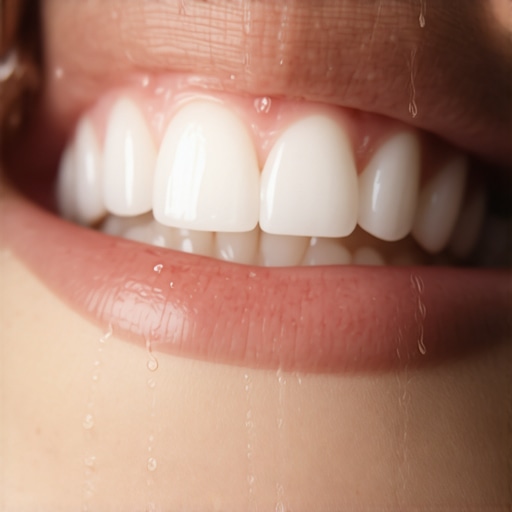
It all started one hectic morning. I was enthusiastically zapping away with my water flosser, thinking I was doing my gums a favor. Suddenly, I noticed blood trickling down my gumline. My first instinct was panic—what was I doing wrong? For weeks after, I continued to experience this strange bleeding, and it felt like my gums were suddenly extra fragile. That gnawing question kept circling in my mind: Why does my gums bleed only when I use the Water Pik?
The Unexpected Frustration with Water Flossing
Living with this mystery became a source of daily frustration. I was committed to better oral health, but the sight of blood every time I used my Water Pik felt contradictory. Was I damaging my gums? Or was there something more subtle happening beneath the surface? I knew I wasn’t alone; many friends and family members faced similar issues, dismissing it as normal or just a temporary side effect. But I sensed there was a deeper story to tell—one that involved my gum health and vulnerability. And I promised myself that I’d crack this code, not just for me, but to help others who might be silently struggling with the same problem.
Could Your Gums Be Sensitive or Showing Signs of Gum Disease?
Early on, I made a crucial mistake—I assumed that bleeding was always a sign of poor technique or excessive force. Later, I learned that in many cases, it could indicate underlying gum sensitivity or even the beginning stages of gum disease. It’s vital to recognize these early signs so you don’t ignore symptoms that could worsen over time. According to the American Dental Association, bleeding gums are often an early warning sign of gingivitis or periodontal issues that need professional attention. If you’ve experienced something similar, don’t brush it off—taking a proactive approach can save your smile in the long run.
So, what’s really going on when your gums bleed only during water flosser use? That’s what we’ll explore next, along with practical steps to troubleshoot, treat, and even prevent this common yet often misunderstood problem. Ready to uncover the truth behind your bleeding gums? Let’s get started!
Assess Your Technique and Water Pressure
First, ensure you’re using the Water Pik correctly. Set the pressure to a gentle or medium level to prevent undue trauma to sensitive gums. A common mistake is using too high a setting, which can cause micro-injuries leading to bleeding. I recall my initial trial—starting on maximum pressure—but after dialing down, I noticed less bleeding and more comfortable use. Always follow the manufacturer’s instructions for your device.
Focus on Proper Flossing Motion
Next, position the water jet along the gumline at a 90-degree angle. Use small, gentle back-and-forth motions instead of aggressive squirts. I once tried zapping quickly, which caused gum irritation. Slow, controlled movements are more effective and less harsh. Think of the Water Pik as a delicate water toothbrush—gentle strokes are key.
Identify Underlying Gum Sensitivity or Disease
If bleeding persists despite proper technique, it might signal gum sensitivity or early gum disease like gingivitis. Pay attention to other symptoms such as persistent swelling, redness, or bad breath. Visiting a dental professional for an assessment is essential. Regular check-ups can catch issues early, saving you trouble later. For detailed insights into gum health, check out family dentistry tips.
Maintain a Consistent Oral Hygiene Routine
Complement water flossing with daily proper brushing using a soft-bristled toothbrush. Consider using gingival massage techniques—gentle circular motions help improve blood flow and reduce sensitivity. Remember, overbrushing can aggravate gums, so gentle is better. Incorporate an antibacterial mouthwash if recommended by your dentist to help control bacterial buildup.
Address Sensitivity or Other Conditions
In case your gums are especially sensitive, consider using desensitizing toothpaste. These products help reinforce enamel and reduce discomfort. Also, be mindful of potential allergies or reactions to oral care products. A detailed exploration of solutions for gum sensitivity can be found in how to fix the gap in your teeth.
Monitor and Adjust Over Time
Track your gum response over weeks. If bleeding subsides and your gums feel healthier, maintain your routine. If symptoms worsen, consult your dentist promptly. Sometimes, underlying issues like periodontal disease require professional treatment beyond home care. Regular examinations, at least twice a year, bolster your efforts to keep gums strong and healthy.
In the world of cosmetic and family dentistry, it’s easy to fall prey to widespread myths that can influence your choices and expectations prematurely. One common misconception surrounds veneers, with many believing they are an instant fix for any aesthetic concern. However, in my experience, not all veneers are created equal. The popular belief that veneers are a permanent, hassle-free solution overlooks the nuanced differences between porcelain veneers and lumineers, as well as the importance of suitable candidate selection. For example, individuals with significant crowding or decay may not be ideal candidates for veneers, and opting for them without proper consultation can lead to long-term damage.
Similarly, the realm of family dentistry often suffers from the myth that routine cleanings alone suffice for lifelong oral health. While cleanings are vital, a comprehensive approach including preventive education, sealants, and early intervention proves far more effective. Ignoring this broader scope can allow minor issues to develop into costly problems, especially in children whose oral health is still developing.
When it comes to teeth whitening, many believe over-the-counter products perform just as well as professional treatments. In my view, this is a dangerous misconception. OTC whitening gels or strips often lack the concentration required for significant results and can even cause sensitivity if misused. Experts recommend consulting your dentist for professional whitening options that ensure efficacy and safety tailored to your unique needs.
Invisalign, praised for its discreet nature, is sometimes misunderstood as a quick fix or suitable for every case. The reality is that complex malocclusions often require traditional braces or a combination of treatments. As I highlight in my detailed guide, Invisalign is a remarkable innovation, but it’s not magic. Proper diagnosis and treatment planning are essential to achieve desired outcomes, and Invisalign’s effectiveness hinges on patient compliance and case suitability.
Beware of the trap of oversimplification — each dental solution has its nuances, and understanding these can prevent disappointment and prolong the lifespan of your treatments. Recognize that cosmetic procedures like veneers and whitening, or orthodontic options such as Invisalign, require careful assessment beyond general assumptions.
What are the pitfalls even advanced dentists sometimes overlook in patient care?
One often overlooked area is patient education on maintenance and potential complications, which is crucial for long-term satisfaction. A study published in the Journal of the American Dental Association highlights the importance of clear communication to ensure patients understand their treatment limits and care requirements. So, always ask your dentist about the longevity and maintenance of your chosen procedures.
Have you ever fallen into this trap? Let me know in the comments. Being informed helps you make smarter dental decisions — after all, your smile deserves expert understanding.
Maintaining a radiant smile after procedures like veneers, teeth whitening, or Invisalign requires more than just your daily brushing and flossing routine. The right tools can make all the difference in ensuring long-term success and keeping your investment looking pristine. As a dental professional with years of experience, I’ve curated a set of precise, effective tools that I personally use and recommend for my patients to maintain their dental enhancements.
Why a High-Precision Ultrasonic Cleaner Is Non-Negotiable
First and foremost, a high-quality ultrasonic cleaner, like the Magnasonic Professional Ultrasonic Jewelry Cleaner, is essential for maintaining Invisalign trays and whitening devices. These tools utilize ultrasonic waves that reach into tiny crevices, removing plaque, saliva, and stubborn residue more effectively than manual cleaning. In my practice, I advise patients to submerge their aligners or trays daily and run a cleaning cycle for three minutes. This practice not only prolongs the clarity and transparency of aligners but also helps prevent bacterial buildup, which can cause discoloration or bad odor.
In fact, the Journal of the American Dental Association emphasizes the role of ultrasonic cleaning in reducing biofilm formation on removable appliances, directly contributing to healthier gums and more durable restorations.
The Power of Professional-Grade Light-Based Whitening Kits
For long-term teeth whitening, I recommend investment in professional-grade LED whitening kits, such as the SmileGlow LED Whitening System. These devices accelerate peroxide gel activation, yielding faster and more consistent results compared to over-the-counter options. Using a quality LED system ensures your whitening treatments are safe, effective, and long-lasting. Pair these with custom-fitted whitening trays for maximum control and protection of sensitive tissues.
Predictions for the future suggest the integration of personalized, smartphone-connected whitening devices that monitor progress and adjust protocols in real time, making maintenance both convenient and precise.
Keep Your Veneers and Bondings Flawless with Specific Polishing Tools
Veneers and bonding materials benefit from specialized polishing instruments. I personally prefer the Gumcare Polishing Paste and Accessory Kit because it provides a smooth, glazed finish that mimics natural enamel. Using a fine rubber cup polisher combined with polishing paste during routine check-ups maintains luster and prevents staining at the edges.
Moreover, technology is advancing towards ultra-fine diamond burs and air abrasion tools for precise maintenance without damaging the delicate veneer surface, promising longer-lasting aesthetics.
Embracing Digital Tools for Progress Tracking and Care Planning
Digital health apps like the SmileTrack App allow patients to monitor plaque buildup, track whitening regimens, and set reminders for aligner changes. Integrating these apps with your dental care creates a proactive approach, catching issues early before they require costly repairs. Predictive analytics suggest in the future a wearable device might analyze saliva for early detection of complications, leading to more personalized and preventive care strategies.
To keep your smile in excellent shape, I challenge you to try the ultrasonic cleaning method for your aligners or whitening trays today. Combined with a solid routine and the latest tools, you’ll enjoy a lasting, confident smile long into the future.
Lessons From My Own Smile Journey That No One Tells You
One of the most eye-opening lessons I learned is that not all cosmetic treatments are one-size-fits-all—what works beautifully for one person might not suit another. I once assumed veneers were an instant fix for a crooked smile, but I discovered the importance of proper case selection and the nuanced differences between porcelain veneers and lumineers. Another insight was how routine cleanings, while essential, aren’t enough to maintain long-term oral health—the broader scope of preventive care truly makes a difference. Finally, I realized that trusting in over-the-counter whitening products without professional guidance can lead to sensitivity issues and uneven results, emphasizing the value of consulting a dental expert before any whitening journey.