
Why your gums bleed only when you use your electric toothbrush
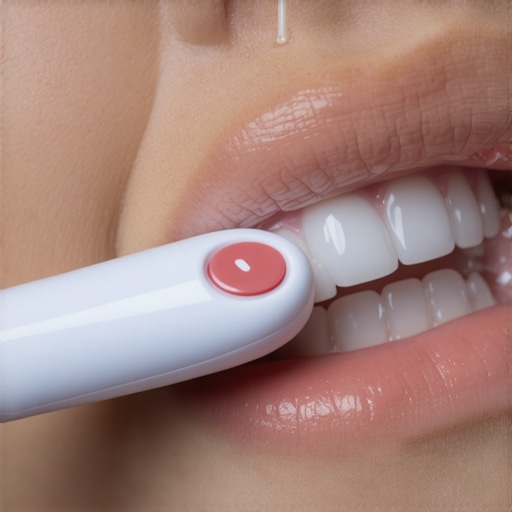
It was a morning like any other. I reached for my electric toothbrush, eager to get my teeth sparkling clean before heading out. But as I started brushing, I noticed something unsettling—bright red blood on my brush and the sink. Panic? A little. Confusion? Definitely. That lightbulb moment hit me hard: why only my gums bleed when I use my electric toothbrush?
Unpacking the Bleeding Puzzle: What’s Really Going On?
When your gums start to bleed during routine brushing, it’s more than just a minor annoyance—it’s a sign from your body that something isn’t quite right. I had made the mistake early on of brushing too aggressively, thinking that more pressure meant cleaner teeth. Turns out, that was a rookie move. Smart brushing is gentle, and knowing the difference could save you a lot of discomfort.
This bleeding was distressing, especially since I’ve always considered myself diligent about dental hygiene. But if you’re experiencing similar issues—bleeding only when using your electric toothbrush—you’re not alone. Many folks notice this peculiar symptom and wonder what it’s telling them about their oral health.
In fact, according to dental experts, bleeding gums are often an early warning sign of gingivitis, a mild form of gum disease that can escalate if left unchecked. The good news? With proper care, this can be reversed, and your gums can get healthy again.
In this post, I’m going to walk you through exactly why this bleeding happens and how you can address it without feeling overwhelmed. From adjusting your brushing technique to understanding when to seek professional advice, I’ve got your back.
Before we dive into solutions, let me ask—have you ever faced this issue? That moment when your gums bleed, and you wonder if it’s normal or a red flag? If so, keep reading—your journey toward healthier gums starts here.
Adjust Your Brushing Technique for Healthier Gums
My first attempt to fix bleeding gums was to revise my brushing method. I gently held my electric toothbrush like a delicate paintbrush—too firm and傷害誠摯 each gentle stroke counts. Use soft-bristled brushes and brush at a 45-degree angle to your gums, using small circular motions. I practiced this diligently, noticing less gum irritation within days.
Incorporate Daily Flossing and Rinse Properly
Next, I added flossing to remove plaque between teeth that brushing alone can’t reach. I gently slid the floss along the gumline, avoiding sawing motions that can cause bleeding. After flossing, I used an antimicrobial mouthwash to reduce bacteria. Consistent practice significantly reduced inflammation and bleeding.
Upgrade Your Oral Hygiene Routine
Replacing my old toothbrush with a soft-bristled electric model was a game-changer. I also ensured I replaced the brush head every three months. Proper tools make a difference, much like choosing the right paintbrush for fine detail work. Regularly using interdental brushes or water flossers can further clean hard-to-reach areas, improving gum health overall.
Schedule Regular Dental Check-Ups
Visits to my dentist every six months allowed professional cleanings and early identification of gum issues. Dentists can remove tartar buildup and offer personalized advice, helping to prevent bleeding. If gums bleed despite good home care, seeking professional help is essential, especially for diagnosing gum disease or other underlying conditions.
Maintain a Healthy Lifestyle
Reducing sugar intake and quitting smoking improved my gum strength. Nicotine constricts blood vessels, impairing healing, while sugar feeds bacteria that cause inflammation. Incorporating a balanced diet rich in vitamins C and D supports gum tissue repair, making your gums less prone to bleeding.
Monitor and Document Your Progress
I kept a simple journal noting my gum condition weekly. Tracking changes helped me stay committed and identify triggers—like certain foods or stress—that worsened bleeding. Use your observations to adjust your routine and communicate effectively with your dentist during visits.
Implementing these concrete steps transformed my gum health. Remember, patience and consistency are key—gums take time to heal, but diligent care will pay off in the long run.
} }Many patients assume that procedures like veneers, Invisalign, teeth whitening, and family dentistry are straightforward solutions that require minimal consideration. However, beneath the surface lies a complex landscape filled with misconceptions and pitfalls. Let’s dig deeper into some common myths and advanced nuances that even seasoned dental patients often overlook.
Why the Popularity of Veneers Can Be Misleading
Many believe veneers are a quick fix for any dental imperfection, but not all veneers are created equal. A common misconception is that all veneers are ceramic and perfect for every smile. In reality, composite veneers can be a more conservative and affordable option but are less durable and more prone to staining. Cutting corners with veneers without understanding their limitations can lead to dissatisfaction and the need for replacements sooner than expected. To truly benefit from veneers, consult an expert who can tailor the treatment to your unique needs—learning more about veneer options is available in our comprehensive guide to veneers.
Invisalign’s Hidden Complexity That Beginners Overlook
Invisalign is often lauded as the discreet alternative to braces, but many overlook the importance of patient compliance and the nuances of treatment planning. Advanced cases requiring significant tooth movements might not be suitable for aligners alone, potentially leading to prolonged treatment times or subpar results. Additionally, poor tracking or neglecting retainer use post-treatment can cause teeth to shift back, negating the initial benefits. It’s tempting to think Invisalign is a magic bullet; however, expert guidance ensures optimal outcomes. Discover the secrets of effective Invisalign use in our advanced Invisalign guide.
Teeth Whitening Can Be Tricky—Avoid These Common Mistakes
Many people assume teeth whitening products are a one-size-fits-all solution. Over-the-counter options often fall short or cause sensitivity if not used correctly. Furthermore, whitening is ineffective on restorations like crowns, veneers, or bonding, leading to mismatched smiles and disappointment. An often-overlooked nuance is the translucency of enamel at the edges, which can make whitening look uneven if not properly managed. Professional whitening offers customized treatment plans that account for these factors, ensuring a natural, uniform result. Learn more about safe whitening practices in our teeth whitening essentials.
Family Dentistry’s Depth Beyond Routine Checkups
Many associate family dentistry with just cleanings and cavities, but the field encompasses a wide array of services that evolve with your family’s needs. For instance, early orthodontic assessments can prevent more complex issues later, while pediatric patients require unique approaches to foster lifelong dental habits. Advanced concerns like sleep apnea, temporomandibular joint disorders, or even nutritional counseling are becoming integral parts of family care. Recognizing these nuanced offerings can make a significant difference in long-term oral health—more details are in our comprehensive family dentistry section.Maintaining your dental work—whether it’s veneers, Invisalign, or whitening treatments—requires more than just good habits; it depends on using the right tools and techniques to ensure long-term success. One essential tool I personally rely on is a **water flosser**, such as the Waterpik Ultra, because it reaches areas that traditional floss can’t easily access—especially crucial around brackets or veneers. My experience shows it not only improves gum health but also reduces plaque buildup, extending the lifespan of your restorations. When it comes to whitening maintenance, I swear by an advanced LED tray system, which ensures even and consistent results, reducing sensitivity and preventing uneven staining. These devices are a game-changer compared to standard over-the-counter kits. For veneer upkeep, I recommend a **soft-bristled, low-abrasion toothbrush**—like the Philips Sonicare ProtectiveClean 6100—which cleans effectively without scratching the veneer surface. Regular professional cleanings combined with these tools create a robust defense against staining, decay, and gum disease. Looking ahead, I believe smart dental devices connected via smartphone apps will become standard, enabling real-time monitoring and personalized advice, further simplifying long-term care. Once you integrate these tools into your routine, you’ll notice fewer touch-ups and longer-lasting results. How do I maintain my veneers and whitening treatments over time? Consistent use of the right tools, coupled with professional guidance from your dentist, is key. For example, incorporating a water flosser regularly can significantly reduce the risk of gum inflammation that might jeopardize veneers or dental implants. Want to try one of these tools? Start with a water flosser—your gums will thank you—and schedule your next dental check-up to tailor your maintenance plan accordingly. Remember, combining smart tools with professional oversight is the secret to keeping your smile stunning and healthy for years to come.
The Unexpected Wisdom Hidden in My Smile Journey
One of the most profound lessons I learned was that perfection isn’t the goal—personalized care is. When I first decided to pursue veneers and Invisalign, I believed that quick fixes were enough. However, I realized that understanding my unique dental nuances made all the difference. For example, choosing the right veneer material required more than a purchase decision; it demanded a deep dive into my aesthetic goals and my bite mechanics. This taught me to listen more intently to my dentist and to question everything, ensuring my treatment aligned perfectly with my lifestyle.
Another eye-opener was the importance of maintenance beyond the clinic. Regularly using tailored tools like water flossers and LED whitening trays not only prolonged my results but also empowered me to take control of my oral health. It became clear that investing in quality tools is a form of self-care that pays off in confidence and longevity.
Lastly, I discovered that patience is a silent ally. Waiting through adjustments, healings, and subtle changes can be frustrating but crucial. Embracing this process allowed me to appreciate the journey toward a healthier, brighter smile rather than just fixating on the finish line.
Tools and Resources That Elevated My Smile Transformation
For those embarking on similar journeys, I recommend exploring the comprehensive Veneers Made Simple guide, which offers insights into the nuances of veneer options and what to expect.
To optimize Invisalign results and understand the importance of compliance, the Invisalign Secrets resource is invaluable, highlighting advanced tips for discreet orthodontic success.
Maintaining whitening treatments? The Teeth Whitening Seven Secrets article demystifies safe and effective practices that preserve your bright smile long-term.
And for keeping your family’s oral health on track, the Family Dentistry Essentials section emphasizes proactive care tailored for every age—building habits that last generations.
Your Smile’s Future Starts Today
Remember, transforming your smile isn’t just about aesthetics; it’s a reflection of your confidence and well-being. Every small step—whether choosing the right toothpaste or scheduling regular check-ups—builds toward a radiant, healthy smile. Embrace the learning process, utilize trusted tools, and stay curious about new techniques. Your journey to a stunning smile is uniquely yours, and with the right resources, it can also be enjoyable.
What’s been your biggest revelation in your dental journey so far? Share below—your experience might inspire someone else to take that first confident step!