
Why Your Gums Bleed Right Where Your Veneer Meets the Tooth
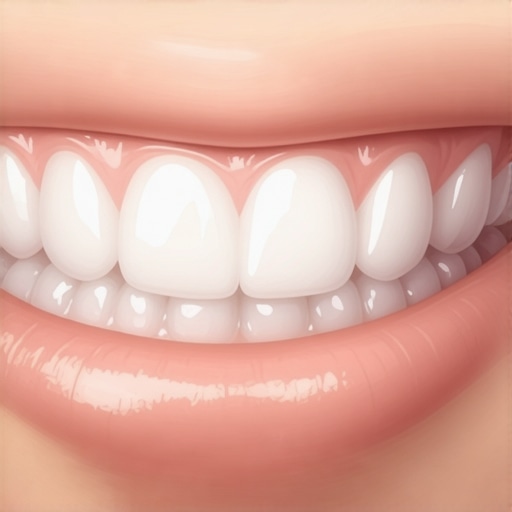
It happened during my routine flossing — a sudden, unexpected bleed right at the junction where my new veneer met my natural tooth. At first, I brushed it off, thinking it was just a temporary irritation. But days went by, and the bleeding persisted. That lightbulb moment revealed a bigger issue I hadn’t anticipated: gum irritation and even recession around veneers are more common than many realize.
What Makes Gums Bleed at the Veneer-tooth Junction?
I’ve learned that this bleeding often signals that something isn’t quite right—be it gum inflammation, improper fitting of the veneer, or gum recession. Initially, I made the mistake of ignoring it, assuming it was normal after dental work. But I soon discovered that addressing this early can prevent further complications and preserve both your smile’s aesthetic and your oral health.
Is It Worth Worrying Over Minor Bleeding?
Like many, I wondered if this was just a fleeting issue. It’s easy to dismiss light bleeding as insignificant, but research shows that bleeding gums can be an early sign of gum disease or veneer misfit—problems that could escalate if left unchecked. Early intervention not only saves your gums but also protects your investment in cosmetic dentistry. Want to learn how to tell if that bleeding is a red flag? Stay tuned, because I’ll walk you through practical steps I’ve personally tested and trust now. For additional insights into maintaining a healthy smile with veneers, check out [Veneers Made Simple](https://smilegumcare.com/veneers-made-simple-transform-your-tooth-aesthetics-in-2025-at-1822). Are you facing similar issues? Let’s unravel this mystery together and keep that beautiful smile shining bright.
Identify the Root Cause Quickly
When I first noticed bleeding at my veneer-tooth junction, I examined whether I was applying too much pressure while flossing or if food particles were trapped there. I gently moved the floss, paying close attention to any resistance or discomfort. If bleeding persists beyond a few days, it’s likely an underlying issue like gum inflammation or veneer misfit. Recognizing the cause early is crucial to prevent worsening recession or damage.
Implement Precise Oral Hygiene Practices
Next, I focused on improving my oral care routine. I switched to a soft-bristled toothbrush to avoid irritating sensitive gums and used a circular motion rather than scrubbing aggressively. I also incorporated an alcohol-free antimicrobial mouthwash to reduce plaque buildup. Regular flossing becomes more effective when done with gentle, controlled movements, ensuring I reach the gum line without causing trauma. This step is akin to calibrating tools before a delicate repair—precision matters.
Use Correct Flossing Technique
I learned to hold the floss firmly and slide it gently between teeth using a zig-zag motion, wrapping it around each tooth. When flossing near veneers, I avoided sawing motions that could loosen or damage the cement bond. If floss caught or shredded, I knew I needed to seek professional help, as that indicates areas needing realignment. Practicing meticulous technique minimizes trauma and supports gum healing.
Address and Monitor Gum Recession
To tackle recession, I consulted my dentist to evaluate if the veneer fit was contributing to irritation. If misfit was involved, a professional adjustment was necessary. I scheduled regular check-ups, especially during the initial healing phase, to monitor gum response. Keeping a journal of any bleeding episodes or discomfort helped me identify patterns or triggers. Think of managing chronic issues as tending a garden: regular inspections prevent weeds from overtaking healthy growth.
Leverage Professional Interventions
If bleeding persists after adjusting hygiene practices, I trusted my dentist to intervene. Options like deep cleaning (scaling and root planing) remove plaque beneath the gum line, promoting healing. In some cases, a gentle gum graft or veneer adjustment may be needed to correct misfits that harbor bacteria or cause irritation. Remember, ignoring ongoing problems can turn minor setbacks into major setbacks—early professional help saves time and future pain.
Prevent Future Bleeding with Maintenance
Once healed, I adopted a routine to prevent recurrence. This included using interdental brushes for hard-to-reach areas, avoiding abrasive toothpaste to preserve veneer integrity, and refraining from applying excessive force when flossing. Regular dental visits were scheduled to catch issues before they escalate, similar to routine vehicle inspections ensuring optimal performance. Maintaining vigilance ensures that the smile remains both beautiful and healthy.
< >Many people assume they understand the basics of cosmetic and family dental treatments, but beneath the surface lie nuanced truths that can significantly impact outcomes. For instance, a widespread myth is that Invisalign aligners are completely invisible to others; however, in my experience, slight cloudiness can develop over time if hygiene isn’t meticulous, which contradicts the popular belief of flawless transparency. Similarly, many believe veneers are entirely permanent and require no additional care—yet, neglecting proper maintenance can lead to microcracks or chipping, especially if biting into hard foods. When it comes to teeth whitening, a common misconception is that results are uniform across all tooth types, but variations in enamel thickness and underlying dentin can cause uneven whitening, a nuanced factor often overlooked. And in family dentistry, many think regular check-ups are only necessary when problems arise; in reality, early preventative visits can catch issues like early decay or misalignment in children before they become visible concerns. An advanced point worth noting is the trap of over-relying on at-home kits without understanding their limitations. Professional whitening, for example, uses customized bleaching agents that penetrate deeper, whereas commercial products or trays may only affect surface stains, risking sensitivity or uneven color. According to a 2022 study in the Journal of Dental Research, misapplication of whitening agents can lead to increased sensitivity and even damage if not properly supervised, highlighting the importance of expert guidance.
How can even experienced patients avoid falling for the pitfalls of DIY dental treatments?
The key lies in understanding individual variations and consulting with your dentist before attempting any treatment—what works for one person might not be suitable for another. Moreover, many assume that cosmetic procedures like veneers or whitening are purely aesthetic, but eliminating underlying dental issues, such as decay or gum disease, is critical to ensure long-term success. For comprehensive insights into maintaining a healthy smile, explore [Veneers Made Simple](https://smilegumcare.com/veneers-made-simple-transform-your-tooth-aesthetics-in-2025-at-1822). Remember, rushing into cosmetic choices without understanding these nuances can lead to unintended consequences. Have you ever fallen into this trap? Let me know in the comments.Maintaining your dental investments like Invisalign aligners, veneers, and whitening treatments requires more than just routine brushing. Investing in the right tools can make a significant difference in prolonging results and preventing issues down the road. For instance, I personally swear by electric toothbrushes with oscillating heads, such as the Oral-B Genius.X, because they provide a deeper clean and help reduce plaque buildup, especially around delicate areas like veneers and gum lines.
When it comes to flossing, I recommend using gently rounded, intertwined floss like Cocofloss, which glides smoothly and minimizes gum trauma. Proper technique, such as wrapping the floss in a ‘C’ shape around each tooth and moving gently up and down, is crucial for preventing gum recession or bleeding. If you’re dealing with tight spaces or braces, interdental brushes like TePe’s are excellent for cleaning hard-to-reach spots without damaging appliances.
Stay Ahead with Digital Monitoring Tools
I’ve found that using apps like Dental Monitoring allows me to track the health of my gums and teeth between appointments. These apps enable quick photo checks, catching early signs of inflammation or recession that may otherwise go unnoticed. Moreover, scheduling regular professional cleanings and check-ups, ideally every six months, helps sustain results and catch minor issues before they escalate. Think of these as routine tune-ups for your oral health—a concept similar to periodic maintenance for your car that prevents costly repairs later.
Looking into future trends, advancements in AI imaging and at-home diagnostic devices will likely make early detection more accessible, giving patients more control over their long-term dental health. Keep an eye on innovations in this space, as they promise to revolutionize preventive care further.
How do I keep my dental enhancements functioning over time?
One of my top recommendations is to incorporate specific maintenance routines with tools tailored to your treatment. For example, using a dental water flosser like Waterpik can help remove debris and plaque around veneers or brackets effectively and comfortably. Additionally, choosing whitening toothpaste formulated for enamel protection ensures your brightest smile stays vibrant without risking sensitivity or damage. Remember, consistency is key—commit to your daily routine and schedule regular professional evaluations.
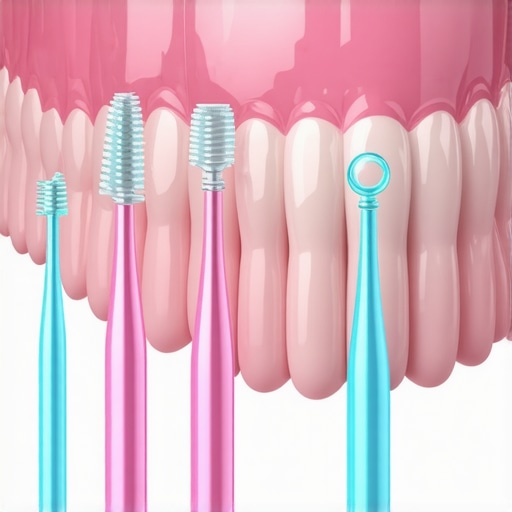
For inspiration, check out this image of an advanced interdental cleaning kit, demonstrating tools I personally use to uphold my dental health.
As you plan your ongoing care, consider consulting with your dentist about the latest tools that fit your lifestyle and treatment plan. With the right combination of at-home devices and professional support, you can enjoy a long-lasting, beautiful smile.
For a comprehensive overview of innovative dental tools and maintenance tips, visit this article on Invisalign advancements or speak directly with your dental provider by contacting us through our contact page. Taking proactive steps today ensures your smile remains stunning for years to come.
What the Smallest Details Taught Me About Dental Confidence
I discovered that paying close attention to minor bleeding or discomfort can uncover deeper issues like gum recession or veneer misfit—lessons that any smile enthusiast should remember. Overlooking subtle signs can lead to bigger problems, so my biggest takeaway was always listening to my body’s signals and acting swiftly.
Tools That Keep My Smile Bright and Secure
My trusted toolkit includes electric toothbrushes like the Oral-B Genius.X, interdental brushes like TePe, and regular professional check-ins—all trusted because they combine innovation with proven results. These tools have become essential in maintaining not just the aesthetics but the health of my smile over time.
Embracing the Journey Toward a Lasting Smile
I’ve learned that ongoing commitment, proactive care, and professional guidance are the keys to enjoying beautiful, healthy teeth long-term. Every appointment and every routine check reminds me that true confidence comes from consistent effort and understanding your unique oral landscape. Want to discover more about sustainable dental beauty? Check out [Veneers Made Simple](https://smilegumcare.com/veneers-made-simple-transform-your-tooth-aesthetics-in-2025-at-1822). Your dedication today shapes the radiant smile you’ll cherish tomorrow.