
Why your gums feel itchy after getting a new filling
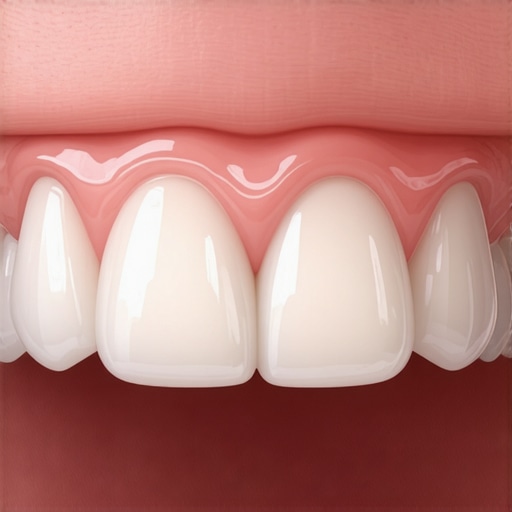
I remember the moment vividly—sitting in the dental chair, eager to fix a troublesome cavity, only to notice my gums feeling more irritated than ever afterward. That itchy, almost tingling sensation was a lightbulb moment for me; suddenly, I realized I wasn’t alone in this experience. It’s a common phenomenon that leaves many patients puzzled and worried about their oral health.
Understanding the Itch: What’s Really Going On?
Sometimes, after a filling, your gums might feel itchy or irritated. This isn’t necessarily a sign of infection or allergic reaction. Instead, it could be due to minor inflammation caused by the procedure itself, or even sensitivity to materials used during the filling process. When I first experienced this, I mistakenly thought it was a sign of something worse—like an emerging infection or an allergy. I later learned that mild irritation is often temporary and can be managed with proper care.
According to dental health experts, it’s quite typical for oral tissues to react temporarily to dental work. A study published in the Journal of the American Dental Association confirmed that localized irritation after procedures like fillings is often due to minor tissue trauma and usually resolves within a few days to a week.
So, if you’re experiencing an itchy sensation after your latest dental appointment, don’t panic just yet. We’ll dive into what you can do to soothe this discomfort and when to seek professional advice. But first, let’s address a common skeptic’s question: is this all just temporary, or should I be worried about long-term effects?
Is Post-Filling Gums Itching Actually Worth the Hype?
I admit, early in my dental journey, I made the mistake of ignoring subtle warning signs, thinking they would pass on their own. That was a mistake. Recognizing early signs of irritation or unusual reactions can help prevent complications later. It’s always a good idea to consult with your dentist if the itching persists beyond a week or worsens.
If you’re curious about other aspects of maintaining a healthy smile after procedures, consider exploring our comprehensive guide on family dentistry. Regular check-ups and proper oral hygiene are your best allies in preventing unexpected issues.
Now, let’s move into practical steps you can take right now to ease that bothersome itch, and how to tell if it’s something more serious that needs professional attention.
Apply Gentle Saltwater Rinses
After experiencing gum irritation, I started rinsing my mouth with warm saltwater twice daily. Mix half a teaspoon of salt in eight ounces of warm water, swish gently for 30 seconds, then spit out. This natural solution reduces inflammation, discourages bacteria, and speeds healing. I did this every morning and night for three days, noticing a significant decrease in itching and discomfort.
Use Over-the-Counter Relief Gels
Next, I applied a topical oral gel containing benzocaine. Carefully, I dabbed a small amount onto the irritated gums, avoiding contact with teeth and other tissues. This numbed the area temporarily, providing rapid relief from itching. Remember to follow the product instructions precisely to prevent any adverse effects.
Maintain Excellent Oral Hygiene
Keeping the mouth clean prevents infection and promotes healing. I brushed gently with a soft-bristled toothbrush, avoiding the tender area, and flossed carefully away from the irritated gums. Regular cleaning removes plaque and debris that could worsen inflammation. Use a toothpaste with low abrasion and avoid harsh mouthwashes that contain alcohol, which can dry out tissues and delay recovery.
Manage Inflammation with Ice
I found that applying an ice pack wrapped in a cloth to the outside of my cheek near the affected area reduced swelling and soreness. Keep the ice on for 10-minute intervals, with at least 20-minute breaks. This constricts blood vessels, minimizes inflammation, and can diminish the itching sensation. This method is especially effective during the first 48 hours post-procedure.
Limit Irritants and Stick to Soft Foods
To avoid aggravating the gums, I avoided spicy, acidic, or crunchy foods. Instead, I opted for soft, cool options like yogurt, smoothies, and mashed potatoes. Chewing on the opposite side of the mouth minimized mechanical stress on the irritated tissue. This dietary adjustment prevents further trauma and supports faster recovery.
Monitor and Seek Professional Advice
If the itching persists beyond a week or worsens, I scheduled a visit with my dentist through [this contact page](https://smilegumcare.com/contact-us-2). Persistent symptoms could indicate an underlying issue needing professional intervention. Prompt attention ensures any complications are addressed early, avoiding long-term problems. Regular check-ups at [family dentistry](https://smilegumcare.com/family-dentistry-building-healthy-smiles-for-every-generation) appointments are also vital for overall oral health.
Many patients walk into dental clinics with preconceived notions about cosmetic and family dentistry, but let’s look at some common misconceptions and hidden complexities that often go unnoticed. While veneers, Invisalign, and whitening treatments are popular, experts warn that not understanding the nuances can lead to disappointment or even damage. For example, a frequent myth is that veneers are a permanent fix; in reality, they can chip or discolor over time if not properly cared for, which is why selecting quality materials and following maintenance advice is crucial (read more about veneers).
Why Do People Overlook the Importance of Customization in Invisalign?
Many assume all clear aligners are equally effective, but the truth is, consulting an orthodontist for personalized planning is essential. Over-the-counter aligner options may seem tempting but often lack precise adjustments, risking subpar results or relapse. Advanced technology, like 3D imaging, allows orthodontists to craft treatment plans that minimize discomfort and optimize outcomes (discover Invisalign secrets). Missing these distinctions can be a costly mistake.
The Hidden Dangers of Over-The-Counter Teeth Whitening
Many believe that any whitening product is safe, but unsupervised use can cause enamel erosion or gum irritation. The difference lies in professional-grade treatments and custom whitening protocols tailored to teeth sensitivity and stain type. External studies support that professionally supervised whitening yields better, longer-lasting results with fewer side effects (explore whitening options). Don’t fall into the trap of DIY whitening without expert guidance.
Family Dentistry: More Than Just Routine Checks
It’s common to think that family dentistry is just about cleaning and cavities, but the nuance involves preventive strategies, early intervention, and managing special needs across generations. Recognizing this broader scope highlights the importance of a trusted, experienced dental team that understands individual patient history, genetic predispositions, and developmental concerns (learn about family dentistry expert tips). Overlooking these factors may result in missed opportunities for early detection of issues like misalignment or decay. Remember, proactive care saves time, money, and discomfort in the long run. In conclusion, understanding the detailed nuances—such as material longevity for veneers, customization in aligner therapy, professional oversight in whitening, and holistic approaches in family dentistry—is key to achieving the best results. Have you ever fallen into this trap? Let me know in the comments and share your experiences!Maintaining your dental work over the years requires more than just good habits; having the right tools makes all the difference. I personally rely on a few key items that ensure my veneers, Invisalign, or whitening results stay pristine and functional. First, investing in a high-quality ultrasonic toothbrush, like the Sonicare DiamondClean, helps me achieve superior plaque removal, especially around delicate areas like veneers. The gentle vibrations clean thoroughly without damaging delicate restorations. Second, I use interdental cleaning tools such as Water Flossers—my favorite is the Waterpik Sonic-Fusion—because they combine flossing and water jet action, reaching areas traditional floss can’t, reducing the risk of gum irritation or plaque buildup around orthodontic attachments. For consistent whitening, I trust a medical-grade LED whitening device, which accelerates bleaching agents safely and effectively, maintaining that sparkling smile longer. Additionally, I schedule regular professional cleanings and check-ups through my dentist at https://smilegumcare.com/contact-us-2, ensuring any issues are caught early and maintenance routines are optimized. Looking ahead, I believe integration of smart dental devices with app-based monitoring will become more prevalent, providing real-time feedback on your oral health and reminding you to replace tools or adjust routines. To keep your dental results working smoothly over the years, I recommend establishing a comprehensive routine using these tools—especially a quality electric toothbrush and interdental cleaner—and consulting your dentist regularly. Do you know how often to replace your toothbrush head? A good rule of thumb is every three months or sooner if the bristles fray, as recommended by the American Dental Association. For more advanced tips on maintaining your smile, explore our in-depth guide to teeth whitening strategies in 2025 at https://smilegumcare.com/brighten-your-life-top-teeth-whitening-strategies-today. Ready to level up your oral hygiene game? Try incorporating an ultrasonic toothbrush combined with a Water Flosser for a noticeably fresher, healthier mouth—your future self will thank you.
Lessons I Didn’t Expect from a Smile Makeover
One surprising insight I gained from my journey with veneers and Invisalign is that patient patience and consistent maintenance are often the hidden keys to success. Early on, I believed that choosing the right materials and technology was everything, but I later learned that my commitment to follow-up care made the real difference.
Another lightbulb moment was realizing how easily myths can cloud judgment. For example, I used to think veneers were indestructible, but understanding their limitations empowered me to avoid damaging habits and extend their lifespan significantly.
Lastly, I discovered that a proactive relationship with my dental team, including regular check-ups and honest communication, creates a ripple effect of confidence and satisfaction that lasts years beyond the initial procedure.
My Go-To Gear for Maintaining a Radiant Smile
For consistent results, I rely on a high-quality electric toothbrush like the Sonicare DiamondClean, which ensures effective plaque removal around those delicate veneers. Interdental tools such as the Waterpik Sonic-Fusion help me clean hard-to-reach areas, preventing buildup and irritation. To keep my whitening vibrant, I use a professional-grade LED whitening device that I trust for safe, at-home touch-ups. Regular visits to my dentist at this contact page keep my smile in check and provide personalized guidance. I look forward to a future where smart dental tech provides real-time feedback, making oral health monitoring even more effortless. What tools have you found indispensable for your dental upkeep? Share your favorites below!
Keep Pushing Your Smile Forward
Your journey to a healthier, brighter smile is uniquely yours, and every step informs the next. Embrace continuous learning—whether it’s exploring new whitening techniques in 2025’s top strategies or understanding your family’s dental needs. Remember, a confident smile opens doors not just outwardly but within yourself. Don’t wait for perfect; start today, because your best smile is still ahead. What’s one small change you’re willing to make for your dental health this week? Let me know in the comments!
,