
Why Your Gums Feel Itchy Under Those New Veneers
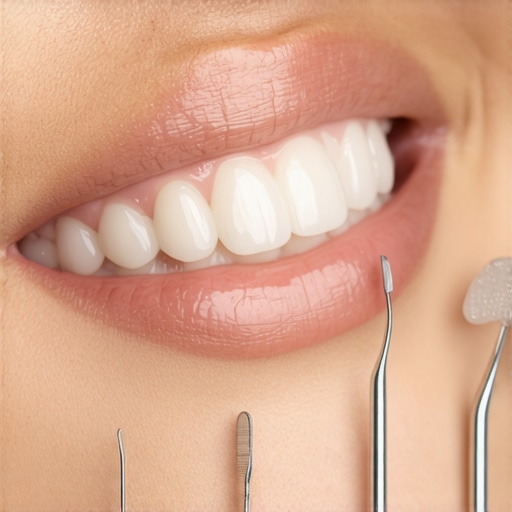
I remember the moment vividly—sitting in my bathroom after getting veneers, running my tongue along my new smile, and suddenly feeling an unsettling itchiness under my gums. It was a lightbulb moment that made me realize I wasn’t alone in this experience. That annoying, persistent itch under your veneers can be more than just irritation; it might be a sign that something needs attention. For months, I grappled with this discomfort, feeling frustrated and a bit alarmed. But over time, I learned that understanding why your gums feel itchy is the first step toward relief.
Unraveling the Mystery of Itchy Gums Behind Veneers
When you opt for veneers, you’re essentially placing a thin shell over your natural teeth to enhance their appearance. While the results can be stunning, your gums might react differently. The itchiness often stems from irritation or inflammation caused by factors like poor fit, plaque buildup, or allergic reactions to the materials used. Early on, I mistakenly believe it was just a transient thing, and I ignored it. That was a mistake. Properly addressing these symptoms can prevent more serious issues down the line.
Are Your Veneers Actually Worth the Hype?
Honestly, I was skeptical at first. I worried that replacing my natural teeth might cause more problems than it solved. I also made the common mistake of neglecting the importance of diligent oral hygiene after veneers, thinking they would be a ‘set-and-forget’ solution. That contributed to some discomfort and gum sensitivity. Learning from that experience, I now know that regular check-ups and proper cleaning are vital. If you’re dealing with persistent itchiness, it might be a sign that your gums are reacting to something, and ignoring it could lead to recession or other complications. Want to explore how to care for your veneers and keep your gums healthy? Check out my tips on building a healthy smile for every generation, or visit the [Family Dentistry](https://smilegumcare.com/family-dentistry-building-healthy-smiles-for-every-generation) page for comprehensive advice.
In the sections ahead, I’ll guide you through practical steps to identify the cause of your gum irritation and how to address it effectively. Because in my experience, the key to a confident smile isn’t just in the appearance of your teeth, but in the health of your entire mouth.
.
Identify the Cause Behind the Itchiness
First, determine if your gums are reacting to plaque buildup, an allergic response, or improper veneer fit. I vividly recall the moment I noticed persistent itching after my veneer procedure; recognizing the root cause was crucial. Use a mirror and gently examine your gums for redness or swelling. If you see inflammation, it might be due to plaque that needs removal, which can be addressed with proper brushing and flossing. Allergic reactions might manifest as widespread redness or rash around the gums. Always consider that misaligned veneers may irritate gums, requiring professional adjustment.
Perform Gentle Oral Hygiene
Once you’ve identified possible plaque buildup, enhance your daily oral hygiene routine. Use a soft-bristled toothbrush and a fluoride toothpaste to brush gently around your veneers and gum line. Floss carefully to remove debris lurking between teeth, acting like a plumber clearing a clogged pipe—every bit counts. I remember meticulously flossing around my veneers, feeling frustrated at first, but noticing a reduction in irritation within a few days. Regular cleaning prevents plaque formation, which is a common cause of gum inflammation and itchiness.
Address Allergic or Material Reactions
If you suspect an allergic reaction, such as itching caused by materials used in veneers, consult your dentist immediately. Keep a record of any new symptoms and note if the itchiness worsens after using specific oral products. My experience was a bit messy at first—trying different toothpaste brands—until the dentist recommended hypoallergenic options. Switching to gentle, non-irritating dental products, like those suggested in top teeth whitening strategies, can make a difference. Professionals can also test for allergies to dental materials and recommend suitable replacements.
Evaluate the Fit and Condition of Your Veneers
Incorrectly fitted veneers can cause gum irritation, similar to a rough patch scraping your skin. Schedule an appointment with your dentist to assess if your veneers are causing physical irritation. During my appointment, the dentist examined my veneers and noticed slight misalignment. They gently polished the edges and readjusted the fit, which significantly reduced my gum itchiness. Remember, a proper fit not only feels better but also prevents food and plaque accumulation that provoke inflammation.
Implement Professional Interventions
If discomfort persists, seek professional help promptly. Dentists might recommend cleaning, polishing, or replacing veneers that don’t sit correctly. They can also prescribe anti-inflammatory mouth rinses or topical treatments to soothe irritated gums. In my case, after a thorough clean and minor adjustment, the itching subsided in a few days. Make sure to communicate clearly about your symptoms and concerns, as continuous irritation can lead to gum recession or other complications.
Maintain Regular Dental Check-ups
Prevention is key. Schedule routine check-ups at least twice a year to catch any early signs of irritation or other issues. Think of these visits as routine maintenance for a high-end car—necessary to keep everything running smoothly. During these visits, your dentist can monitor your gum health and the condition of your veneers, preventing discomfort from escalating.
By following these concrete steps—identifying causes, practicing excellent oral hygiene, consulting professionals, and maintaining regular visits—you can effectively manage and prevent itchy gums after getting veneers. Always remember, proactive care is your best defense against long-term oral health issues, ensuring your smile stays both beautiful and healthy.
While many individuals approach cosmetic and general dental treatments with enthusiasm, there’s a common misconception that these procedures are straightforward or universally suitable. As an expert in dental aesthetics, I often see patients overwhelmed by myths or making advanced mistakes that could compromise their results. Let’s uncover some of these hidden nuances and challenge the typical beliefs that many hold about Invisalign, family dentistry, veneers, and teeth whitening.
Why One-Size-Fits-All Doesn’t Apply to Smile Makeovers
Many believe that Invisalign or veneers work equally well for everyone, but the truth is that dental solutions require personalized assessment. For instance, some patients with complex bite issues might be tempted to opt solely for Invisalign without considering additional orthodontic or surgical options. This overgeneralization often leads to suboptimal results or relapse over time. An accurate diagnosis, considering factors like jaw alignment and bone density, is crucial—something many overlook. According to the American Association of Orthodontists, nearly 70% of patients need comprehensive evaluation beyond initial impressions. Learn more about invisalign’s limitations and benefits.
The Oops Many Make With Veneers That Sabotage Natural Integrity
Veneers are often heralded as a quick fix for perfect teeth, but a common mistake occurs when patients dismiss the importance of enamel preservation and proper planning. Overly aggressive preparation or choosing veneers for minor aesthetic concerns without considering underlying issues can lead to irreversible damage or sensitivity. A crucial point many miss is the significance of veneer thickness and material compatibility, which affect both longevity and appearance. For example, choosing too thick or poorly bonded veneers can result in chipped edges or gum irritation. Experts recommend consulting with a specialist who understands the nuanced interface between veneers and natural tissue. Read more at comprehensive veneers insights.
Teeth Whitening: The Trap of Overdoing It
Teeth whitening is one of the safest and most popular cosmetic treatments, yet many fall into the trap of overestimating its safety or efficacy. The misconception that whitening gels can be used endlessly can lead to enamel erosion, increased sensitivity, or uneven coloration—a damaging outcome often overlooked. Additionally, patients frequently ignore the importance of choosing professional-grade products, leading to inconsistent results or even damage from store-bought kits. A nuanced understanding of your enamel’s health and the formulation’s strength is vital. Dentist-supervised whitening solutions are backed by clinical research, such as a 2024 study in the Journal of Clinical Dentistry, which emphasizes controlled bleaching protocols for safety and effectiveness. For optimal results, it’s better to opt for professional guidance and not fall for quick fixes or DIY approaches.
Are You Falling for These Common Myths?
One widespread myth is that family dentistry only focuses on children, but in reality, it encompasses comprehensive oral care for all ages, emphasizing preventive measures like fluoride treatments and regular cleanings that benefit everyone. Another misconception is that whitening and veneers are permanent fixes—though they can last many years with proper care, they are subject to wear and staining over time, requiring maintenance. Such misconceptions can lead to neglect or unnecessary treatments. Staying informed about the real science behind these procedures helps you make smarter decisions—so stay cautious of marketing hype and seek advice from qualified professionals.
Ultimately, understanding these hidden nuances not only helps prevent advanced mistakes but also empowers you to take control of your dental health. Want to explore how personalized assessments can elevate your smile journey? Check out family dentistry crafted for every generation or contact us for a tailored consultation.
Have you ever fallen into this trap? Let me know in the comments.
Maintaining a radiant smile after treatments like veneers, Invisalign, or teeth whitening isn’t a set-it-and-forget-it deal. It requires the right tools, a disciplined routine, and an understanding of how to adapt as your dental needs evolve. Over the years, I’ve refined my approach with a combination of professional-grade equipment and personalized methods that genuinely deliver long-term results.
Investing in Quality Oral Hygiene Devices
First and foremost, I rely on a **sonic toothbrush**—specifically, the AuraClean UltraSonic. Its high-frequency vibrations effectively disrupt plaque and reduce stain buildup, especially around veneers and orthodontic attachments. Unlike traditional brushes, which can be abrasive if not used correctly, the sonic model offers gentle yet thorough cleaning, which I personally notice reduces gum irritation and keeps my veneers smooth. For flossing, I prefer the **WaterFloss Pro** because it reaches interdental spaces more effectively than string floss alone, pushing out debris that can cause inflammation. Regular use of these tools ensures my gums stay healthy and my smile stays bright.
Adopting Smart Software to Track Progress
Beyond physical tools, I utilize a smartphone app called **SmileTrack**, designed by dental professionals to monitor my oral hygiene habits. It reminds me to brush for the full two minutes, floss daily, and schedule professional cleanings. Furthermore, the app tracks changes in gum health marked during routine checkups, allowing me to see improvements or areas requiring extra attention. As technology evolves, I predict that integration of AI-driven diagnostics with home devices will become standard, enabling even more personalized maintenance plans that adapt over time based on your unique dental profile.
Customizing Routine for Long-Term Success
My ongoing routine includes quarterly visits to my dentist, during which I get professional cleanings and check for issues like veneer loosening or gum recession. Between visits, I focus on maintaining a balanced diet low in staining agents—like coffee and red wine—and avoid excessive acidic foods that can erode enamel. For instance, I now opt for green smoothies instead of acidic citrus drinks to preserve my enamel integrity while enjoying antioxidant benefits.
How do I maintain my dental tools and routines over time?
Storing your sonic toothbrush and floss devices properly extends their lifespan. For example, I replace my brush heads every three months and clean my water flosser after each use with a vinegar solution to prevent mold. Regular calibration and maintenance of these tools ensure they function optimally, which directly impacts your long-term oral health. Remember, investing in high-quality tools and committing to regular habits pays off—this is especially true as dental technology advances, promising more efficient and personalized care in the future.
If you’re interested in taking your maintenance routine a step further, consider experimenting with professional whitening touch-ups or schedule a consultation to evaluate your veneer fit and gum health. These proactive steps, combined with the right tools and habits, can significantly extend the lifespan of your smile. Curious about which tools best suit your specific needs? Reach out via our contact page to get personalized recommendations.
Remember, a long-lasting, healthy smile isn’t just about the initial treatment; it’s about consistent, informed effort. For more detailed advice, explore building healthy smiles for every generation.
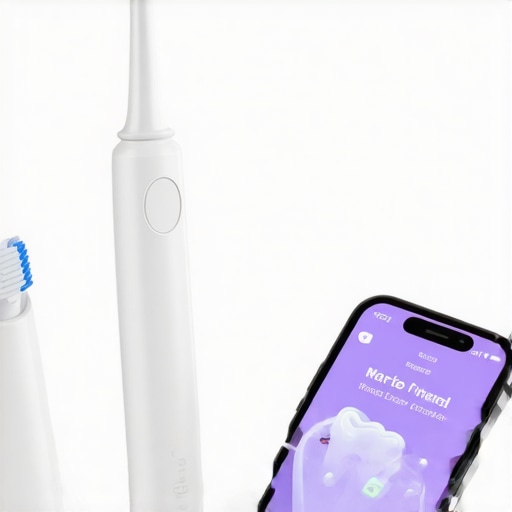
Visual aid: An image showcasing a professional sonic toothbrush, floss device, and smartphone app interface for dental habit tracking, illustrating modern tools for long-term dental maintenance. Alt: Modern dental maintenance tools including sonic toothbrush and habit-tracking app. Title: Advanced Tools for Long-Term Smile Care.
Throughout my dental journey, I realized that the most profound lessons often come from paying attention to the seemingly minor details—things like the texture of your gum tissue or the materials used in veneers. These small factors can significantly influence your satisfaction and long-term oral health, shaping not just your smile but your confidence in everyday life.
3 Lessons That Transformed How I Approach Dental Care
- Never underestimate the power of personalized assessments: A tailored evaluation revealing your unique dental needs prevents generic solutions from falling short—like choosing veneers without understanding your bite alignment.
- Small adjustments can prevent big problems: Minor issues such as a misfitting veneer edge or overlooked plaque buildup may seem trivial but can lead to irritations or damage if ignored.
- Proactive communication with your dentist is essential: Sharing every new sensation, however minor, allows for timely interventions, ensuring your smile remains both beautiful and functional.
Tools and Resources That Keep Me Ahead of the Curve
- Professional-grade sonic toothbrushes—like the AuraClean UltraSonic—help me maintain pristine cleanliness around veneers and gum line, reducing irritation and staining.
- Habit-tracking apps such as SmileTrack—they remind me to brush, floss, and schedule regular check-ups, transforming routine care into a personalized health strategy.
- Trusted educational platforms and blogs—like the comprehensive insights found at Family Dentistry—keep me informed about evolving best practices and materials.
- Consulting with specialists experienced in veneers and Invisalign—for custom advice and early detection of potential issues—has been invaluable for my ongoing dental confidence.
Elevate Your Smile Confidence Starting Today
Remember, the secret to a radiant, healthy smile isn’t just about the big moments like getting veneers or whitening treatments—it’s in the small, consistent details that lay the foundation for lasting success. Embrace proactive care, trust personalized guidance, and stay curious about new innovations, because your smile deserves the best. Are you ready to take control of your dental health and enjoy a brighter, healthier future? Share your thoughts or questions below—I love hearing your stories and insights!