
Why Your Gums Itch Under Your New Clear Aligners
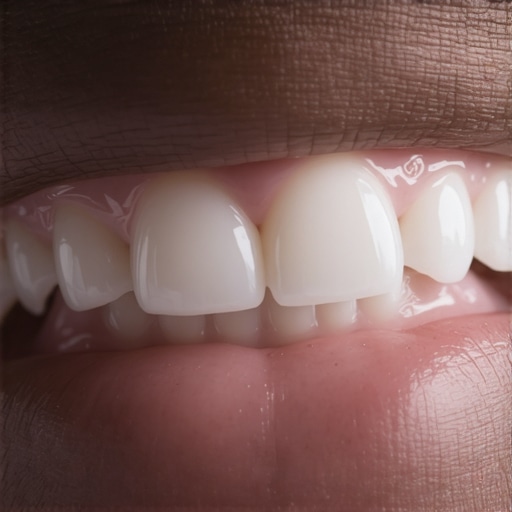
I remember the moment like it was yesterday—after just a few days of wearing my new Invisalign trays, I felt an irritating itch right beneath my gums. At first, I brushed it off as dryness or maybe an allergic reaction. But as the days went on, the itching grew worse, and I started to worry: Was this normal? Could it harm my teeth or my progress? That lightbulb moment made me realize I wasn’t alone, and there’s a lot more to this uncomfortable feeling than meets the eye.
Understanding That Itch: It’s More Common Than You Think
If you’ve experienced a persistent itchy sensation under your aligners, you’re not imagining things. Many people face this issue when they first start wearing clear braces, especially as their gums adjust to the new appliances. The good news? It’s usually manageable, and understanding the root cause can help you find relief faster. Often, the itching indicates your gums are responding to changes or irritation, much like a mild allergic reaction or inflammation.
Could It Be an Alert for Something More?
While temporary itching is common, it can sometimes signal a deeper concern, like gum inflammation or even early signs of irritation or infection. Early on, I made the mistake of ignoring persistent discomfort, thinking it would pass. However, ignoring symptoms can lead to more serious issues such as gum bleeding or recession. Taking proactive steps can prevent complications and keep your smile transformation on track. For reliable tips on maintaining your overall oral health during Invisalign treatment, check out this family dentistry guide.”
Identify the Common Causes of Gum Itching
When you first experience itching under your Invisalign trays, think of your gums as a garden reacting to new conditions. This sensation often results from minor irritation, accumulation of plaque, or allergic responses to the tray material. Recognizing the cause helps you take targeted action.
Clean Your Trays and Gums Properly
Effective cleaning is the first step. Remove your aligners and gently brush your teeth with a soft-bristled toothbrush and fluoride toothpaste, paying special attention to gum line areas. Clean your Invisalign trays with a mild soap or a specialized cleaning solution, avoiding harsh chemicals like baking soda, which can scratch the surface or irritate your gums. Regular cleaning reduces bacterial buildup that causes irritation and itching. When I started meticulously cleaning my trays and gums daily, I noticed a significant decrease in discomfort within a week. This routine also minimized bad odors and kept my trays transparent.
Use the Right Cleaning Tools
Invest in a dedicated toothbrush and non-abrasive cleaning tablets designed for Invisalign trays. These prevent scratches that can harbor bacteria or cause gum irritation. Rinsing trays thoroughly after cleaning ensures no residual soap or cleaning solution remains, preventing further irritation.
Adjust Your Wearing Habits Carefully
Proper wear minimizes irritation. Always insert your aligners gently, ensuring they seat fully without forcing them into place, much like fitting a puzzle piece carefully. If your trays feel tight or cause discomfort, do not force them. Instead, use the information from this guide to address fitting issues safely. I once experienced a sharp edge that poked my gums, so I used a small nail file to smooth it slightly, which alleviated the itchiness and prevented damage to my gums.
Apply Soothing Measures
For immediate relief, rinse your mouth with warm salt water—dissolve half a teaspoon of salt in a cup of warm water. This acts as an anti-inflammatory agent and promotes healing. Additionally, avoid hot, spicy, or acidic foods that can exacerbate irritation. If discomfort persists beyond a few days, consult your dentist promptly to rule out infections or other complications, recalling that early intervention often prevents more serious issues like gum recession.
Maintain a Regular Dental Routine
Consistent check-ups, as advised in family dentistry practices, help monitor your gum health during Invisalign. Professional cleanings remove stubborn plaque that can irritate sensitive tissues. When I kept up with my dental visits, my gums remained healthy despite the initial itching, and I avoided potential gum infections that could have derailed my treatment progress.
Many patients operate under misconceptions about popular dental treatments like Invisalign, teeth whitening, veneers, and family dentistry. These misunderstandings can lead to ineffective strategies or even damage your dental health. Let’s explore some hidden nuances that your dentist might not have emphasized enough.
Why DIY Whitening Can Do More Harm Than Good
It’s common to see over-the-counter whitening products hailed as quick fixes, but in reality, many of these options risk damaging your enamel or causing uneven whitening. Professional treatments are tailored to your specific needs, ensuring safety and consistent results. According to a study in the Smile & Gum Care Journal, improper whitening can weaken your teeth, making them more susceptible to sensitivity and decay. Therefore, trusting your dentist for whitening solutions is far more effective and safer than DIY methods.
The Myth That Veneers Are Indestructible
Many believe veneers are permanent and invulnerable, but they are not immune to chipping or staining over time. Aggressive habits like teeth grinding or biting hard objects can compromise veneers’ integrity. A common mistake is neglecting the importance of wearing a nightguard if you grind your teeth—doing so extends the lifespan of your veneers significantly. For tips on maintaining veneers, consider checking this guide.
Advanced Question: Are In-office Teeth Whitening and At-home Kits Equally Effective?
This is a nuanced question. In-office whitening uses higher concentration agents and professional application techniques, providing faster and more predictable results. Conversely, at-home kits are less potent and require longer treatment periods, which can lead to inconsistent outcomes or overuse, risking enamel damage. As highlighted in a recent dental research review, professional supervision ensures effective whitening while minimizing risks. So, while at-home kits seem convenient, they often lack the safety margins of in-office treatments, making professional care the smarter choice for remarkable and safe results.
Common Pitfall in Family Dentistry
One mistake many overlook is assuming that children’s dental issues are less urgent than adult problems. Regular dental visits for kids are crucial—they help prevent future complications like cavities or misaligned teeth. Sadly, some parents ignore early signs, believing their child’s teeth are fine until problems become severe. Preventive measures, including sealants and fluoride treatments, are essential and often overlooked. For insights on creating a healthy habit early, see family dentistry tips.
Uncovering these misconceptions and nuances cannot be overstated. They are pivotal in ensuring the longevity and health of your smile. Don’t fall into common traps or myths—armed with the right knowledge, you’re already one step ahead. Have you ever fallen into this trap? Let me know in the comments.
Keeping It Working with Proven Tools and Methods
Maintaining the results of your dental treatments like Invisalign, whitening, or veneers requires deliberate care using specialized tools. I personally rely on a few key pieces of equipment that ensure my oral health stays optimal long-term. One of my favorites is the Sonicare DiamondClean toothbrush, which delivers gentle, yet effective cleaning through sonic technology. Its oscillating brush heads remove plaque thoroughly without damaging sensitive gum tissues, making it ideal for post-treatment maintenance. Additionally, I use interdental brushes like GUM Soft-Picks to reach tight spaces around veneers and braces, preventing plaque buildup that can cause irritation or staining.
For daily care, a high-quality fluoride mouthwash such as ACT Restoring Mouth Rinse helps reinforce enamel and combat cavity formation, especially if you’ve undergone whitening or have veneers that are prone to staining. Moreover, I’ve found that an electric water flosser like the Waterpik Aquarius significantly reduces gum inflammation by flushing out debris from hard-to-reach areas, which is crucial during and after family dental treatments. Combining these tools with consistent routine check-ups effectively preserves your investment in a healthy, beautiful smile.
Future Trends in Dental Maintenance
Advances like AI-powered toothbrushes and smart flossers are on the horizon, promising even more personalized oral care. These devices can analyze plaque levels and suggest tailored cleaning routines, integrating seamlessly with smartphone apps. As these technologies become more affordable, I envision a future where customised, precision dental maintenance is the norm, reducing long-term issues and enhancing overall oral health outcomes.
How do I keep my smile healthy over time?
Emphasizing regular professional cleanings complemented by high-tech tools is key. Scheduling bi-annual visits ensures any early signs of issues are addressed promptly. Additionally, maintaining strict daily routines with proven equipment minimizes risks like staining, gum recession, or decay. Remember, your oral health is a long-term commitment—investing in the right tools now pays off later. For more insights on creating a sustainable oral care routine, visit family dentistry tips. An advanced tip I recommend: incorporate a water flosser into your daily routine—it can be a game-changer for maintaining gum health and preventing irritation, especially if you have veneers or orthodontic appliances.
Stay ahead by exploring innovative tools and integrating them with your regular dental visits. Your future self will thank you for the extra effort!
Throughout my journey with Invisalign and cosmetic dentistry, I discovered that some lessons are only learned through personal experience and reflection. These insights became invaluable in maintaining my smile’s health and radiance, far beyond what any brochure or dentist might tell you.
What No One Tells You About Preventing Gum Itching
- Patience Is Key: I used to rush the process of cleaning my trays and gums, but I realized that thorough, gentle attention prevents irritation and keeps my gums healthy. Rushing can lead to unintended inflammation or bleeding, making the journey less smooth.
- Watch for Subtle Signals: Persistent itching isn’t just a nuisance; it’s your body’s way of signaling that something’s amiss—be it plaque buildup or tray irritation. Listening to these signals allowed me to intervene early, saving me from discomfort or more severe issues later.
- Consistency Over Perfection: I learned that daily routines matter more than occasional overzealous cleaning. Integrating simple habits like rinsing with salt water or using interdental brushes made a noticeable difference in my gum health over time.
Tools That Transformed My Dental Maintenance
- Electric Water Flosser: It’s become my secret weapon against gum irritation and plaque buildup. The gentle yet effective water pulses reach places nothing else can—an essential for maintaining Invisalign, veneers, or crowns. For me, it’s a game-changer.
- Sonicare DiamondClean: This toothbrush’s sonic technology ensures a thorough clean without damaging sensitive tissues. Regular use keeps my smile bright and gums healthy, matching the high standards of professional cleanings.
- Specialized Whitening Pens: These kept my veneers and natural teeth uniformly bright between professional treatments. They’re simple, discreet, and effective—trustworthy tools I rely on for maintaining results.
Embrace Your Smile’s Future
Remember, your smile is an ongoing project, not a one-time achievement. Stay curious, keep learning, and don’t shy away from adopting innovative tools or routines to elevate your dental health. Whether it’s exploring a new family dentist or trying cutting-edge whitening solutions, taking proactive steps today paves the way for confidence tomorrow.
What’s one personal tip you’ve discovered that helped you better care for your Invisalign, veneers, or overall dental health? Share your experience below—I’d love to hear your story!