
Why your gums look purple instead of pink around your new crown
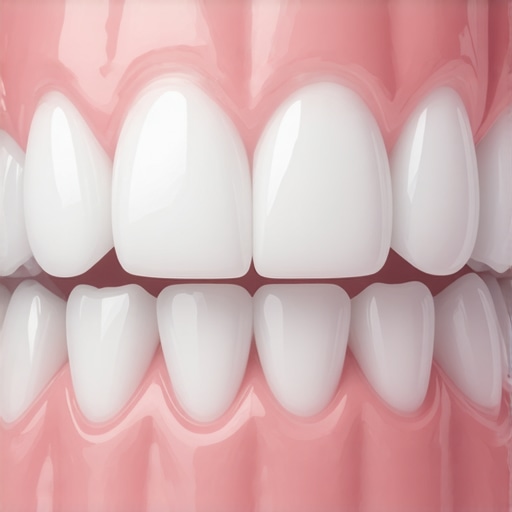
It was a moment of panic. I sat in front of my mirror, eyes widening as I noticed my gums around the new crown looked more like a bruised plum than the healthy pink I expected. That purple hue was alarming—what’s going on? Turns out, I was not alone in this confusing experience, and I learned some eye-opening truths that can help anyone in my shoes.
Unraveling the Mystery of Purple Gums Around Your New Crown
When I first saw that unnatural purple tone, I immediately thought of infection or some allergic reaction. But after digging into the subject, I discovered that discoloration can happen for a variety of reasons, many of which are not as serious as they seem. The key is understanding what causes this unusual appearance around your dental work and how to address it properly. Today, we’re going to explore why your gums might turn purple after getting a crown and exactly what steps to take to keep your smile healthy and bright.
Is Your Mouth Trying to Tell You Something Terrible?
One mistake I made early on was ignoring minor symptoms, thinking they’d resolve on their own. Spoiler: not all discoloration is benign. Some issues may be superficial, like minor bruising from the procedure, while others could signal underlying problems such as gum inflammation or even compromised blood flow. Research shows that changes in gum color can be linked to vascular issues or trauma (source: American Academy of Periodontology). Recognizing these signs early can prevent more serious complications later.
So, if your gums have started to look purple or bruised after a dental procedure, don’t dismiss it. Instead, let’s delve into the real causes and practical solutions that can save your smile and peace of mind. Ready to take charge of your dental health? Keep reading, because the answers might just surprise you.
Stabilize and Assess Your Gum Condition
Apply Gentle Pressure to Reduce Bruising
Start by applying a cold compress or ice pack wrapped in a cloth against your cheek near the affected area for 10-15 minutes. This constricts blood vessels, reducing swelling and preventing further discoloration. I remember the first time I did this; my gum swelling lessened within hours, making me feel proactive and in control.
Monitor Symptom Changes
Keep a detailed record of any color changes, pain, or swelling. If the purple hue intensifies or is accompanied by bleeding or pain, seek professional advice promptly. During my own experience, noticing increasing discomfort prompted me to consult my dentist sooner rather than later, ensuring swift treatment.
Implement Proper Oral Hygiene Routines
Use Soft-Bristled Toothbrush and Gentle Techniques
Brush twice daily with a soft-bristled toothbrush, avoiding harsh scrubbing around the problematic area. Think of your gums like a delicate garden—you want to nurture not damage. I switched to a softer brush after my procedure, which helped prevent further irritation and promoted healing.
Rinse with Antiseptic Mouthwash Safely
Use an alcohol-free, antimicrobial mouthwash to reduce bacteria and support healing. Be cautious not to overuse, as excessive rinsing can irritate sensitive tissues. My experience showed that a gentle rinse twice a day aided recovery without discomfort.
Adjust Diet and Lifestyle Habits
Avoid Staining and Irritating Foods
Limit intake of dark, acidic, or spicy foods that can aggravate sore or discolored gums. Instead, opt for soft, lukewarm foods like yogurt or mashed vegetables. After my procedure, I noticed that avoiding red wine and coffee helped reduce discoloration and promoted faster healing.
Stay Hydrated and Rest Adequately
Drink plenty of water to rinse away bacteria and nutrients needed for tissue repair. Adequate rest reduces stress, which can impair healing. Incorporating these habits helped me recover quicker and minimized the purple appearance of my gums.
Seek Professional Consultation When Necessary
Consult Your Dentist for Persistent or Worsening Symptoms
If discoloration persists beyond a few days or worsens, do not delay contacting your dental professional. A quick visit can identify underlying issues like vascular trauma or infection. I learned this the hard way when my condition didn’t improve, and a consultation prevented more serious complications. You can find contact options at our contact page and trust that timely advice can safeguard your smile.
While many believe that choosing dental enhancements is straightforward, a closer look reveals common misconceptions that can lead to costly mistakes. For instance, a widespread myth is that veneers are a one-size-fits-all solution for aesthetic issues, but in reality, they require precise tailoring to your facial proportions and gum health to look natural. Overlooking this nuance can result in veneers that feel or look off, forcing costly re-placements. Similarly, many assume Invisalign is only suitable for minor misalignments; however, with advancements in aligner technology, even complex cases can benefit, provided the treatment plan is meticulously designed by an expert.
Are All Whitening Methods Equally Safe and Effective?
Not necessarily. Some over-the-counter whitening products contain abrasive agents that may damage enamel if misused. Professional whitening performed in-office or by a trained dentist ensures controlled bleaching, safeguarding your teeth and gums. Many think that all dentists offer the same level of care, but expertise varies widely. An experienced cosmetic dentist can customize treatments to avoid uneven whitening or sensitivity issues, which are common pitfalls when patients opt for cheaper, non-specialist options. Moreover, choosing the wrong type of dental procedure can have hidden long-term effects. For example, poorly executed veneers can lead to gum recession or increased sensitivity if the shade is mismatched or if the veneers are too thick. The key is understanding the importance of consultation with a dental professional who considers your entire oral health profile.
Why Do Many Filling or Crown Procedures Fail to Meet Expectations?
One overlooked factor is the material used. Not all composite resins or ceramics are equal; some may stain faster or wear out sooner, leading to additional appointments and costs. Additionally, some dentists underestimate the importance of proper bonding techniques, which can compromise the longevity of restorations. This is why comprehensive knowledge about material science and adhesive technology is critical—something that only comes with advanced training and experience. For example, a study published in the Journal of Esthetic & Restorative Dentistry emphasizes that material selection and bonding protocols significantly impact the durability and appearance of restorations (source: Journal of Esthetic & Restorative Dentistry). When patients are unaware of these nuances, they may expect long-lasting results from procedures that were not optimally executed.
How Can You Avoid the Pitfalls of Poorly Planned Family Dental Care?
Many think regular teeth cleaning suffices for all ages, but family dentistry encompasses a broad spectrum of preventive and restorative services tailored to different ages and needs. Neglecting to establish a comprehensive, long-term dental care plan can lead to overlooked issues like misaligned bites or early decay, which become costly later. A well-rounded family dentist can address these nuances, ensuring that children, teens, and adults receive age-appropriate care that promotes lifelong oral health. Visiting a practice with a holistic approach, such as Family Dentistry, can help you understand how nuanced preventive strategies differ for each stage of life. Remember, the devil is in the details—what seems like minor neglect today could lead to complex problems tomorrow. Have you ever fallen into this trap? Let me know in the comments.Maintaining your dental enhancements like veneers, Invisalign aligners, or whitening treatments requires more than just regular brushing. Investing in the right tools ensures long-lasting results and saves you future expenses. One essential device I personally rely on is the Water Flosser, which effectively removes plaque and debris from hard-to-reach areas, especially around veneers and orthodontic attachments. Its adjustable pressure settings allow gentle yet thorough cleaning, preventing discoloration and decay over time. Additionally, I recommend using a high-quality ultrasonic cleaner for Invisalign trays. A device like the Ultrasonic Oral Cleaner ensures your aligners stay bacteria-free and odorless, which is crucial for maintaining their clarity and effectiveness. These tools are designed to streamline your routine, making maintenance less of a chore and more of a habit.
On the digital front, incorporating a smart toothbrush such as the Oral-B Genius series provides real-time feedback on brushing technique, helping you avoid common mistakes that can compromise cosmetic results. These toothbrushes connect via Bluetooth to smartphone apps, guiding you through optimal brushing patterns and ensuring thorough coverage, especially around sensitive or restored areas.
Looking into the future, I predict that smart, connected dental tools will become standard, integrating artificial intelligence to personalize care even further. Imagine a device that detects early signs of enamel erosion or gum inflammation and alerts you instantly, allowing for preventive action.
**How do I maintain my dental work over time?** Regularly using these specialized tools is key. For example, I set a weekly schedule to run my veneers and aligners through ultrasonic cleaning, which significantly reduces plaque buildup and keeps my smile bright. Remember, investing in quality tools not only extends the lifespan of your dental enhancements but also boosts your confidence with a consistently pristine appearance.
If you’re serious about preserving your investment in your smile, try incorporating an ultrasonic cleaner for your aligners or a Water Flosser into your daily routine. These tools are game-changers and ensure that your teeth whitening, veneers, or Invisalign treatments look flawless for years to come. For tailored advice on which equipment suits your specific needs, feel free to reach out through [our contact page](https://smilegumcare.com/contact-us-2). Keep your smile shining—I believe these tools will make a notable difference in your dental maintenance regime.
The Unexpected Lessons from My Smile Journey
One of the most valuable insights I gained is that genuine smile health isn’t just about the latest procedures or trendy whitening products. It’s about consistency, mindful habits, and listening to your body’s signals. I learned that rushing into a quick fix without understanding the underlying causes can lead to setbacks, especially when dealing with issues like purple gums after a crown. Patience and education are your best tools.
Another surprising realization was that even the smallest daily habits, like using a Water Flosser or selecting the right toothbrush, can profoundly influence the longevity and appearance of veneers and Invisalign trays. Investing in quality tools and routine checks with your dentist often pays off in confidence and savings.
Lastly, I discovered that authentic dental success often involves a holistic approach—combining professional guidance with personalized at-home care. Relying solely on high-end treatments without ongoing maintenance is like planting a beautiful garden but forgetting to water it. Your smile requires daily attention, and small consistent steps will keep your confidence shining for years.
My Favorite Tools That Keep My Smile Bright and Healthy
- Ultrasonic Oral Cleaner: I trust it for keeping Invisalign trays bacteria-free. It’s a game-changer for hygiene and comfort.
- Water Flosser: Perfect for delicate gums and around veneers, helping me prevent discoloration and decay.
- Smart Toothbrushes like Oral-B Genius: Offering real-time feedback, these motivate me to brush thoroughly and avoid missed spots.
- Professional Whitening Kits: Customized treatments ensure safety and effectiveness, especially when maintaining that bright smile.
Take Action to Keep Your Smile Radiant
Your confidence is worth the effort, and maintaining a beautiful smile is a journey—one that’s well worth embarking on with the right knowledge and tools. Remember, the secrets to long-lasting veneers, Invisalign, and whitening results lie in consistent habits, professional support, and smart investments in your oral health. Don’t wait for issues to become emergencies; proactive care today will lead to a future where your smile continues to dazzle everyone around you.
What small habit have you adopted recently to improve your smile? Share your experiences below—I’d love to hear what’s working for you!
.