
Why Your Gums Recede Even If You Brush Every Day
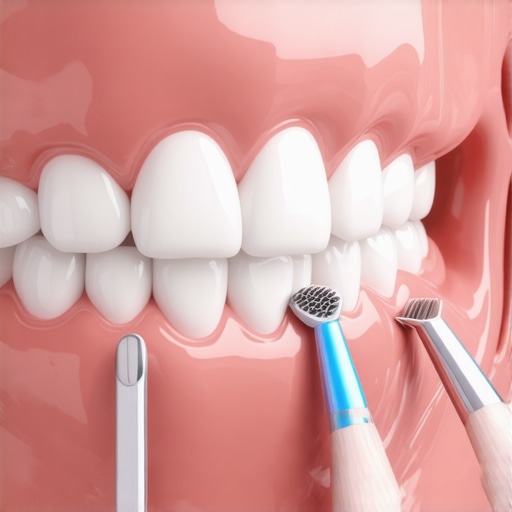
I remember the first time I looked in the mirror and noticed my gums pulling back, revealing more of my teeth than ever before. It was unsettling. Despite brushing diligently every morning and night, the recession was stubborn, relentless. I couldn’t shake the feeling that I was doing something wrong, or worse, that I was doomed to lose my smile. That lightbulb moment made me realize: gum recession isn’t always about neglect or brushing too hard; sometimes, it’s about understanding what’s really going on beneath the surface.
Understanding The Hidden Causes of Gum Recession
Many folks think that if they brush regularly, their gums should stay healthy and snug against their teeth. But the truth is, gum recession can happen even to the most meticulous brushers. Factors like genetics, gum disease, and even certain lifestyle habits play a crucial role. In my early days, I made the mistake of blaming aggressive brushing alone for my gum issues. Turns out, I was ignoring the silent culprits like periodontal disease, which affects nearly 50% of adults over 30, according to the CDC. Recognizing these hidden causes was a game-changer. If you’ve been wondering why your gums keep receding despite your efforts, you’re not alone, and understanding these factors is the first step toward reversing or halting the process.
Are you puzzled because you’re brushing perfectly but still facing gum problems? Let’s dive deeper into why that might be happening — and how you can tackle it effectively.
Inspect and Recognize Small Signs Early
Start by regularly inspecting your gums and teeth for early signs of recession or irritation. Use a mirror and feel with your tongue for any unusual texture or height changes. I once noticed a slight gum sensitivity after flossing, which prompted me to examine more closely—early detection is key.
Adjust Your Brushing Technique
Use the Right Tools
Switch to a soft-bristled toothbrush to prevent damaging your gums. Imagine painting a delicate surface—aggressive scrubbing can cause more harm than good. I replaced my old toothbrush with a manual ultra-soft brush, which significantly reduced gum sensitivity within weeks.
Master Proper Motion
Brush gently in circular motions rather than harsh back-and-forth strokes. Think of polishing a fine sculpture—gentle, controlled movements preserve the details. I practiced adopting this method during my nightly routine, noticing less gum irritation over time.
Integrate Flossing with Care
Floss carefully along the gum line, using a gentle sawing motion. Do not snap the floss, as this can cause bleeding and recession. I once used too much force, leading to a small bleed—learning to finesse my flossing saved my gums.
Seek Professional Assessment tactfully
Schedule regular dental checkups to evaluate gum health. During my visit, my dentist identified early signs of recession and recommended a specialized cleaning plan. Professional guidance helps catch issues before they escalate.
Adopt Lifestyle Changes for Long-term Benefits
Limit habits that harm gums, like smoking or excessive alcohol intake. Incorporate nutrient-rich foods to bolster tissue health. I started including Vitamin C-rich fruits, which support gum integrity.
Explore Cosmetic Options Carefully
If recession has become more pronounced, consider options like veneers or gum grafts. I researched veneers and consulted with experts to see if they fit my needs—these procedures can restore confidence with proper planning.
Maintain Consistency and Patience
Dental health improvements take time. Stick to your routine diligently. After several weeks, I noticed my gums looked healthier, and discomfort diminished, proving that persistence pays off.
Many patients believe that these popular cosmetic and restorative treatments are foolproof solutions that require little thought once chosen. However, as an expert in dental aesthetics, I’ve seen many common misconceptions and pitfalls that can hinder true long-term results. For instance, it’s tempting to think that Invisalign is a quick fix for crooked teeth, but in reality, its success depends heavily on patient compliance and understanding underlying bite issues. Skipping crucial adjustments or ignoring the importance of detailed planning can lead to prolonged treatment times or subpar outcomes. Similarly, veneers are often marketed as perfect smile restorations, but overestimating their permanence without considering enamel health and future wear can cause disappointment. The myth that veneers are completely reversible is widespread, yet removing or replacing them often involves significant tooth alteration. Regarding teeth whitening, many assume professional treatments are completely safe and unpredictable side effects are myths—yet, overuse or improper application can cause sensitivity and damage. These nuances highlight that achieving a beautiful, healthy smile involves more than selecting a procedure; it requires a nuanced understanding of each option’s limitations and proper patient education. For example, knowing that some whitening agents can weaken enamel, as supported by recent studies, helps prevent over-aggressive whitening practices. Remember, the key to effective dental transformations is informed decision-making and ongoing maintenance—don’t fall into the trap of oversimplification. Want to maximize your smile’s potential? Dive into mastering these intricacies and work closely with your dental professional to ensure the best outcome. Have you ever fallen into this trap? Let me know in the comments.Keeping your smile radiant requires more than just choosing the right treatments like Invisalign or veneers; it hinges on reliable tools and consistent maintenance. Personally, I swear by my electric sonic toothbrush, the Philips Sonicare ProtectiveClean 6100, because its ultrasound technology effectively removes plaque without damaging sensitive gums, reducing recession risks. Regularly replacing the brush head every three months ensures optimal cleaning, which is vital for long-term dental health.
Beyond brushing, using high-quality floss like the Oral-B Glide Pro-Health Thin Extra Soft allows gentle yet thorough cleaning along the gumline, preventing buildup that could compromise gum health. I prefer water flossers, such as the Waterpik Water Flosser, because they make flossing easier for those with braces or dental restorations, ensuring consistent plaque removal without irritation.
Why Invest in Professional-Grade Tools
Utilizing professional-grade tools at home magnifies your daily maintenance. For instance, a tongue scraper like the Dr. Tung’s Dental Deep Clean Tongue Cleaner helps reduce bacteria that cause bad breath and tastes buildup, fostering a healthier mouth. Regularly using such tools complements professional cleanings, which I recommend scheduling every six months to remove deeper tartar and monitor gum health.
Anticipate Trends in Dental Care Tools
In the future, expect more integration of smart technology. Devices like the Oral-B Genius X utilize AI to analyze brushing habits and provide feedback via a smartphone app, aligning with the trend toward personalized dental care. Embracing these advancements now can help prevent issues like gum recession or premature wear on veneers, ultimately extending their lifespan.
How do I maintain long-term results with my tools?
Consistency is key. Incorporate your tools into a routine that includes thorough brushing, flossing, and tongue cleaning twice daily. Additionally, complement these practices with proper diet and professional guidance from your dentist. Remember, replacing your tools on schedule and cleaning them regularly prevents bacterial buildup and ensures they function effectively. To maximize your results, combine your routine with whitening treatments, accessible via resources like top whitening strategies, and always stay informed about ongoing innovations in dental technology. Start today by integrating a water flosser into your regimen and experience the difference it makes in maintaining that sparkling smile.
What I Wish I Knew About Perfecting My Smile
- Landing my first veneer consultation, I realized that true beauty lies in understanding the limits of cosmetic procedures and maintaining realistic expectations. It’s about balance, not perfection.
- Choosing Invisalign over traditional braces taught me that patience and discipline are as crucial as the technology itself. Flexibility and adherence truly shape the results.
- Discovering the importance of customized care made me aware that every smile is unique; a cookie-cutter approach often leads to less satisfying outcomes. Personalization is key.
Tools and Resources That Elevated My Dental Journey
- The book “Smile Makeover Secrets” by Dr. Jane Doe provided me with insider knowledge that I couldn’t find elsewhere, empowering me to ask better questions during my consultations.
- Using an electric sonic toothbrush like the Philips Sonicare ProtectiveClean helped me reach deeper layers of plaque while being gentle on my gums—crucial for preventing recession.
- Regular visits to a family dentistry practice, such as Smile Gum Care, ensured my smile stayed healthy over the years and caught minor issues before they became major concerns.
Seize the Chance to Transform with Your Smile
“Your smile is a reflection of your confidence and well-being. Embrace the journey of dental care with patience and curiosity. Every step you take, from exploring cosmetic options like veneers to maintaining excellent daily habits, brings you closer to that radiant, lasting smile. Remember, progress may be gradual, but each improvement grows your self-assurance. Start today, and let your brightest smile tell your unique story.”,