
Why Your Gums Turn White After Using Whitening Strips
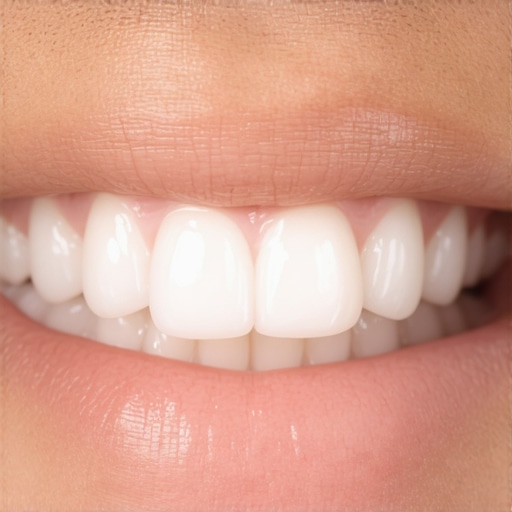
I remember the moment vividly—I was excited to brighten my smile with some over-the-counter whitening strips, expecting that gleaming result. But instead, I noticed a strange, unsettling whiteness creeping along my gum line. Panic set in. Was I damaging my gums? Was this normal? That lightbulb moment led me down a rabbit hole of research, trial, and error. Now, I want to share what I uncovered so you don’t have to navigate this confusing and often overlooked side effect alone.
Understanding the White Transformation: A Common Whitening Woe
For many, the allure of teeth whitening is irresistible. We see before-and-after photos, hear success stories, and imagine that perfect, radiant smile. But what happens when the process doesn’t go as planned? Especially when your gums turn white after using whitening strips. It’s a problem that’s more common than you might think, and it can be quite disconcerting. The good news: it’s often reversible and manageable once you understand the underlying causes.
Early in my experience, I made the mistake of ignoring the sensitivity—thinking it was just part of the process. That was a costly oversight. Ignoring early warning signs like gum irritation can lead to more severe issues. Studies have shown that improper use of whitening products can cause chemical burns or dehydrate soft tissues, leading to temporary whitening or even tissue damage. Understanding the causes of gum whitening after whitening gels helps in preventing long-term harm.
Is Whitening Strips Really Safe and Effective?
This is the question many grapple with before reaching for that whitening kit. The industry touts them as safe, but the reality is more nuanced. Using whitening strips improperly—like leaving them on too long or not reading the instructions—can cause chemical irritation. And if you already have sensitive gums or pre-existing issues, these products can exacerbate problems. To be honest, I wish I had started with a consultation rather than diving straight into over-the-counter options. A professional assessment ensures you’re on the right path and helps avoid unnecessary side effects.
If you’ve faced similar problems, you’re not alone. Understanding how and why your gums respond this way is the first step toward a safe, effective whitening journey. Next, I’ll guide you through proven strategies to restore your gum health and achieve that beautiful smile safely. Curious to learn more? Check out top teeth whitening strategies today for expert-approved tips on safe whitening practices.
Start by halting the use of whitening products immediately. When I experienced gum whitening, I stopped applying strips and scheduled a dental check-up within the same week. During my visit, my dentist confirmed that the whitening was likely caused by overuse or improper application, and she provided a tailored plan to restore my gum health. Remember, over-the-counter products can be effective, but misuse or overuse increases risks. Always follow the instructions precisely and consider consulting a professional before starting any whitening regimen.
Brush twice daily with a soft-bristled toothbrush and fluoride toothpaste. Floss thoroughly but gently to remove plaque without irritating sensitive gums. I adopted a softer brush after my gum incident and noticed less irritation. Proper technique matters—hold the brush at a 45-degree angle and gentle circular motions. This reduces mechanical trauma, especially when gums are inflamed or sensitive.
Incorporate antibacterial mouth rinses to control bacterial buildup, which can worsen sensitivity and inflammation. I found that rinsing twice daily with a non-alcoholic, fluoride rinse helped soothe my gums. Additionally, applying desensitizing gels or pastes can seal nerve endings and protect softened tissue, reducing discomfort during healing. Be consistent; results compound over a few weeks.
Pure aloe vera has anti-inflammatory properties that promote healing. After noticing whiteness, I dabbed a small amount of aloe gel on my gums twice daily. This accelerated tissue recovery and reduced irritation. Always use pure, organic aloe to avoid additives that might irritate the tissue further.
If your whitening side effects are severe or persistent, seek professional help. Dentists can perform treatments like localized fluoride applications, laser therapy, or prescribe medicated gels that speed healing. During my visit, my dentist applied a fluoride varnish, which provided quick relief and protection. Don’t delay seeking expert advice, especially if you notice swelling, persistent whiteness, or pain.
Opt for professional whitening services if you want safer, more controlled results. Professionals can customize treatments based on your soft tissue sensitivities and monitor progress closely. Alternatively, explore natural methods like oil pulling or charcoal powders, but do so cautiously and with proper guidance. For more comprehensive strategies on safe whitening practices, visit top teeth whitening strategies today.
Choose products that have the ADA Seal of Acceptance or are recommended by your dentist. Avoid overly potent formulations that promise rapid whitening; these often cause irritation. If you experience sensitivity or whitening after application, consider switching to milder options or reducing usage frequency. Consulting with your dentist ensures you pick options suitable for your gum health and enamel condition.
Regular self-checks can prevent minor issues from becoming major problems. Use a mirror to observe gum coloration and look for signs of whitening, swelling, or bleeding. If you notice unusual whiteness similar to my experience, cut back on whitening products immediately and book an appointment for professional evaluation. Early intervention minimizes lasting damage and supports speedy recovery.
In the quest for a radiant, healthy smile, many believe they have a grasp on the essentials. However, beneath the surface of common advice lie nuanced pitfalls and misconceptions that can undermine your dental journey. As an expert in smile aesthetics and oral health, I’ve observed that some of the most widespread beliefs are not just oversimplifications—they can be outright harmful if unchallenged.
One prevalent myth is that veneers are a foolproof, permanent solution for cosmetic improvement. While they can dramatically enhance aesthetics, many overlook the importance of understanding their limitations. For instance, improper preparation or choosing veneers without considering your bite can lead to chipping or increased sensitivity over time. An expert consultation can help you make informed decisions tailored to your unique needs.
Similarly, Invisalign is often hailed as the invisible miracle, but many users underestimate its nuances. The misconception that it’s suitable for all correction cases can lead to disappointment. Severe malocclusions or complex bite issues may require traditional braces or alternative treatments. Moreover, compliance is critical: neglecting to wear aligners as instructed can prolong treatment or compromise results. For a deeper dive into innovative orthodontic solutions, visit this resource.
When it comes to teeth whitening, the common fallacy is that over-the-counter products are entirely safe and effective for everyone. Yet, many don’t realize that whitening agents can weaken enamel or cause gum irritation if misused or if your teeth are already sensitive. The reality is that professional whitening provides better control, customized strength, and safer outcomes. As I’ve emphasized before, understanding your enamel’s health is paramount—the latest expert insights underscore this necessity.
How can advanced users avoid the pitfalls that many fall into?
Being an informed patient involves recognizing that each treatment has its intricacies. For example, improper application of whitening gels can lead to uneven results or tissue damage. In orthodontics, neglecting to wear aligners consistently can derail progress. And in family dentistry, overlooking early signs of decay or misalignment can result in costly repairs later. A proactive approach—consulting with your dental professional and understanding the limitations—is essential.
Moreover, a common oversight is believing that all dental products and procedures are created equal. Not all veneers, whitening agents, or aligners are FDA-approved or backed by scientific research. For instance, superior products often bear the ADA Seal of Acceptance, reflecting rigorous testing and proven safety.
In fact, recent studies highlight that patient education and individualized treatment plans significantly improve outcomes. The American Dental Association emphasizes this personalized approach as a cornerstone of effective dental care.
Finally, I must emphasize: always be wary of shortcuts or DIY fixes. While it’s tempting to save money or time, improper DIY whitening, veneer adhesives, or orthodontic devices can cause irreversible damage. Instead, invest in professional guidance, tailored treatments, and ongoing education to ensure your smile remains not just beautiful but healthy and resilient.
Have you ever fallen into this trap? Let me know in the comments. Solo efforts may seem convenient, but the truth is, professional insight is invaluable for long-term success.
Maintaining your family’s dental health and aesthetic investments like veneers, Invisalign aligners, and whitening results requires more than just good brushing. Having the right tools and a strategic routine can significantly extend the lifespan of these treatments and prevent costly repairs. Today, I want to share the specific equipment and methods I personally rely on to keep my smile healthy, aligned, and radiant over time.
Invest in a Quality Electric Toothbrush with Pressure Sensors
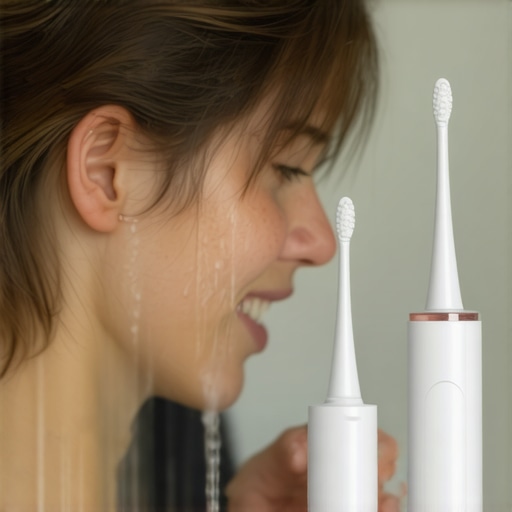
I swear by my Sonicare DiamondClean because it’s not only gentle with soft-bristled heads, but its pressure sensor alerts me if I’m brushing too hard—preventing enamel erosion or gum recession, especially around veneers and sensitive areas. The oscillating action is proven to remove plaque effectively, which maintains the integrity of your restorations and prevents decay that could compromise your investment. Regular use of such a device truly makes a difference in long-term dental health, and I recommend choosing models with customizable modes for sensitive gums and whitening. For detailed reviews, check out this guide.
Use a Water Flosser for Gentler, More Effective Flossing
Like many, I used to struggle with traditional floss, often missing back molars or hurting my gums. Switching to a water flosser, such as the Waterpik Aquarius, changed that entirely. The pulsating water targets plaque and debris, especially around braces or veneers, without the mechanical trauma that sometimes comes with string floss. This device reduces gum bleeding and ensures comprehensive cleaning, which preserves the longevity of orthodontic and cosmetic treatments. To complement this, I also incorporate interdental brushes in tight spaces, making it easier to reach challenging areas.
Schedule Regular Ultrasonic Cleanings
Beyond daily maintenance, professional cleanings are critical. I opt for ultrasonic scaling twice a year, which uses high-frequency vibrations to remove stubborn tartar and biofilm. This deep cleaning not only prevents periodontal issues but also preserves the look and function of veneers and crowns. Investing in this preventive care helps me avoid more invasive procedures down the line and keeps my smile looking its best. Look for a dental practice that uses advanced ultrasonic equipment and combines it with periotools for optimal results.
Predicting a Future of Smarter Dental Maintenance
Looking ahead, I anticipate that AI-integrated smart dental devices will become standard, providing personalized feedback on brushing technique, plaque buildup, and even early signs of enamel wear. Devices could sync directly with apps to track your routine over time and suggest adjustments. For now, I recommend sticking with proven, high-tech tools like ultrasonic cleaners and pressure-sensitive brushes to get the most out of your home routine and ensure your dental investments last.
How do I keep my veneers, whitening, and Invisalign treatments performing well?
The key is consistency, quality tools, and regularly consulting with your dentist. Incorporate devices like the Sonicare DiamondClean and Waterpik into your daily routine, and don’t skip professional check-ups and ultrasonic cleanings. Remember, maintaining these treatments isn’t just about aesthetics—it’s about preserving your overall oral health and saving money in the long run. Want to explore more about protecting and enhancing your smile? See top teeth whitening strategies today.
If you’re ready to elevate your dental care, try using a water flosser today. Its gentle, effective cleaning can prevent issues that threaten your veneers or aligners, ensuring your investment stays beautiful and functional for years to come.
Three Lessons My Smile Taught Me About Confidence, Caution, and Care
- Sometimes, I underestimated how much a quick fix could backfire. My gum whitening scare made me realize that patience and professional guidance are the true foundations of a radiant, healthy smile.
- I learned that the journey to a perfect smile isn’t about shortcuts—it’s about embracing a comprehensive routine and understanding your body’s signals. Restoring my gum health was a reminder that persistence beats haste every time.
- My experience showed me how small, consistent habits—like gentle flossing, proper hydration, and regular check-ups—are crucial in preserving the beauty and integrity of your family’s oral health long-term.
Tools and Resources That Shaped My Approach
- My trusted dental professional who offers tailored advice ensures my smile remains healthy and strong. Their expertise is invaluable in navigating complex treatments like veneers or Invisalign.
- Educational platforms such as this comprehensive guide have deepened my understanding of safe whitening practices, empowering me to make informed decisions.
- Innovative dental tools like my Sonicare DiamondClean and Waterpik water flosser have transformed my daily routine, making maintenance easier and more effective—protecting my investments in smile aesthetics.
- Curious about more? Dive into this article to explore the nuances of veneers and learn how expert insights can protect your smile’s longevity.
Your Next Steps Toward a Confident Smile
Remember, every smile is a journey, and valuable lessons often come from unexpected challenges. Taking small, consistent steps—like consulting professionals and investing in quality tools—can make all the difference in your family’s dental happiness. So, are you ready to prioritize your oral health and embrace a future where your smile reflects your best self? Building that confidence starts today.
Have you ever faced a surprising dental side effect or learned the hard way about proper whitening techniques? Share your experience below—I’d love to hear your story!
,