
Why your gums turn white for a few minutes after whitening
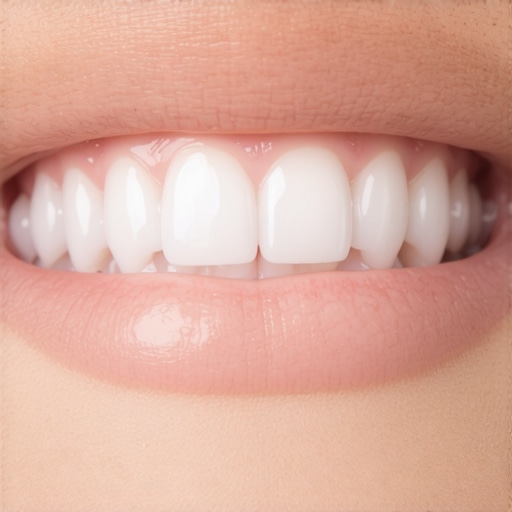
I vividly remember the first time I noticed my gums turning white right after a teeth whitening session. I was excited, eager to flaunt my radiant smile, but suddenly, my gums went pale — almost ghostly — which left me both puzzled and a little worried. That unsettling moment made me realize I wasn’t alone in this experience, and it sparked my quest to understand what’s really happening beneath the surface of those pearly whites.
What’s Behind That Short-Lived White Appearance? It’s More Common Than You Think
This fleeting whiteness is actually a common response among people who undergo whitening treatments. When you whiten your teeth, especially with over-the-counter kits or professional procedures, the process temporarily affects the gums, causing them to turn white for a few minutes. The reason? It all comes down to how your gums react to the chemicals involved in bleaching — mainly peroxide-based formulas — which can irritate the sensitive tissues, leading to a brief vasoconstriction, or narrowing of blood vessels, resulting in a white appearance.
Personally, I used to think this was a sign that something was wrong — perhaps the whitening was too harsh or damaging my gums. But after consulting with my dentist, I learned that this reaction is usually harmless and temporary. However, I also discovered that early on, I often made a mistake: I neglected to use enough protective barriers, like rubber gums shields, or I applied the treatment unevenly, which worsened discomfort and exaggerated the whiteness. That’s a mistake many make without realizing the impact of proper technique, and it’s why I want to share what I’ve learned to help you avoid the same pitfalls.
Is White Gums After Whitening Truly Worth Worrying About?
Many skeptics wonder if this side effect indicates damage or long-term issues. Truthfully, with proper application and adherence to instructions, it’s typically just a brief reaction rather than a cause for concern. Still, it’s essential to listen to your body and consult with professionals when in doubt. Did this happen to you recently? If so, keep reading, because I will walk you through the steps to minimize this reaction and enjoy your brighter smile without fear.
By understanding the underlying causes and how to protect your gums during whitening, you can achieve stunning results safely. And if you’ve been curious about other cosmetic options or tried to improve your smile, feel free to explore our comprehensive guides on veneers or teeth whitening choices.
Choose Your Effective Protective Barriers
Start by selecting high-quality rubber gum shields designed for your specific whitening treatment. Remember, a snug fit ensures maximum protection, reducing gum irritation. I once tried an ill-fitting generic shield, which caused uneven coverage and increased discomfort. After switching to a properly fitted one, the white reaction diminished, and application became smoother.
Apply the Gel Evenly and Correctly
Distribute the whitening gel uniformly across each tooth surface using a small, precise applicator. Avoid overloading areas close to the gums, as excess gel can seep and cause irritation. During my first attempt, I used too much gel, which leaked onto my gums and intensified whiteness. Now, I carefully apply a thin layer, which significantly reduces gum reactions.
Follow Strict Timing Guidelines
Stick closely to the recommended treatment duration—usually between 15-30 minutes. Overextending can irritate gums and exacerbate whitening reactions. I learned this lesson the hard way when I left the gel on for an hour, leading to increased sensitivity and whitening of my gums. Setting a timer helps manage this effectively.
Maintain Good Technique Consistency
Ensure the tray or guard sits properly, covering all teeth without overlapping onto the gums. An uneven fit can cause gel contact and increase white reaction. I once rushed the placement, causing uneven coverage and resulting in uneven whitening and gum whiteness. Practicing precise placement yields better, more comfortable results.
Post-Application Care
After removing the tray, rinse your mouth thoroughly with water and apply a soothing, fluoride-rich gel or rinse to calm any residual irritation. I noticed that after completing steps correctly, my gums recovered quickly, and the whiteness subsided sooner, confirming the importance of gentle aftercare.
Consult Your Dentist for Tailored Advice
If persistent or severe reactions occur, seek professional advice through contacting your dentist. They can recommend specific protective products or alternative whitening options. During my last check-up, my dentist advised using custom-fit guards and lower peroxide concentrations, which eliminated my white gum reaction altogether.
Many people assume they understand the ins and outs of cosmetic and family dental treatments, but often, misconceptions lead to costly mistakes and unmet expectations. For example, a prevalent myth is that veneers are a permanent fix without maintenance, but in reality, they require proper care and occasional replacements to preserve their aesthetic appeal. Furthermore, many believe that teeth whitening is universally safe and risk-free; however, overuse or improper application can cause enamel erosion or sensitivity, underscoring the importance of consulting with experienced professionals for tailored advice.
Regarding family dentistry, a common mistake is neglecting early preventive care, which can lead to more invasive treatments later. Regular check-ups and educating children about oral hygiene are critical in establishing lifelong healthy habits. Additionally, some think that Invisalign is only suitable for mild misalignments, but advancements in the technology now allow for effective correction of more complex cases when overseen properly by an expert in Invisalign solutions. A hidden nuance many overlook is the importance of understanding the limitations of each treatment; for instance, veneers cannot address functional issues like bite problems without additional procedures, a detail often missed by patients unfamiliar with comprehensive dental care.
What advanced considerations should I keep in mind when choosing between veneers and crowns for my smile?
Expert insights highlight that while veneers are less invasive and better for cosmetic concerns, crowns offer more durability and support for compromised teeth. A study published in the Journal of Esthetic & Restorative Dentistry emphasizes that the choice must be personalized, considering factors like enamel thickness, functional needs, and long-term prognosis. Failing to assess these nuances can result in suboptimal outcomes or the need for more extensive future interventions. Therefore, collaborating closely with a qualified dentist ensures tailored solutions that align with your expectations and oral health status. Overall, understanding these subtleties helps you avoid pitfalls and makes your treatment journey smoother. Want more practical tips? Explore our comprehensive guide on family dentistry essentials or dive into detailed posts about teeth whitening strategies. Remember, a well-informed choice today leads to a brighter, healthier smile tomorrow.
Investing in Dental Tools That Make a Difference
Maintaining beautiful veneers, whitening results, or Invisalign progress requires more than just routine brushing. Personally, I rely on specific tools that have proven their worth over time. One such essential is a high-quality cordless ultrasonic irrigator. I use the Waterpik Aquarius daily, as its pulsating water jets effectively remove plaque from hard-to-reach areas, especially around veneers and brackets, reducing the risk of staining or detachment.
Another favored device is a digital plaque disclosing tablet. I recommend these to patients, including my family, because they visually highlight plaque buildup, prompting more attentive cleaning sessions. This simple step ensures that you’re actively removing residues that could compromise whitening or veneer adhesion.
Why I Choose Specific Products for Long-Term Success
My go-to toothbrush is the Electric Sonicare DiamondClean. Its sonic vibration technology not only provides a thorough cleaning but also stimulates gum health, which is crucial when maintaining cosmetic dental work. I encourage using an electric brush with a pressure sensor to prevent over-aggressive brushing, which can damage delicate veneer edges or gum tissues.
In addition to tools, I utilize professional-grade whitening pens, like the Opalescence GO whitening pen, for touch-ups. These allow ongoing maintenance at home without frequent visits, ensuring long-lasting results. The key?Applying the product evenly on pre-equalized teeth, especially after eating or drinking pigmented foods.
Embracing Future Trends: Tech for Smarter Dental Care
Looking ahead, the integration of AI-powered oral health monitors is promising. Devices compatible with smartphones can track brushing habits, plaque presence, and even suggest personalized cleaning routines. As I stay ahead of these developments, I believe that these tools will become indispensable for maintaining the results of veneers, whitening, or aligners over decades, not just months.
How do I maintain my dental treatments over time?
Consistency is everything. I set reminders to replace my electric toothbrush heads every three months and schedule semi-annual dental check-ups to evaluate my veneer integrity and whitening efficacy. For scaling my routine, I use advanced whitening maintenance techniques discussed in expert articles. Remember, proactive care saves time and money in the long run. For a personalized plan suited to your needs, consider consulting with your dental provider through their contact page. Taking charge today ensures your smile continues to shine tomorrow.
What I Wish I Let Myself Know From the Start
One of the hardest lessons I learned was how crucial proper preparation is before any whitening or veneer procedure. I used to rush the process, thinking more gel or longer wearing time would boost results, but it often led to increased sensitivity and gum reactions. Now, I realize that patience and following professional guidance yield the best, long-lasting outcomes. Additionally, I underestimated the importance of consistent aftercare, like using the right tools and avoiding pigmented foods immediately after treatments. Recognizing these nuances early on saved me discomfort and kept my smile looking its best for longer.
Tools That Elevated My Smile Maintenance
After years of experimenting, I settled on a few trusted tools that truly made a difference. My go-to is the advanced whitening pen for quick touch-ups, ensuring my brightness stays intact. I also rely on the ultrasonic irrigator to keep my veneers and implants free of plaque. Lastly, I trust my electric toothbrush with a pressure sensor to gently maintain gum health without risking damage. These tools have helped me sustain a healthy, radiant smile through the years.
Inspiration to Take Your Next Step Today
Your smile is one of your most powerful assets—why not take that next step toward your ideal look? Whether you’re considering veneers, teeth whitening, or Invisalign, remember that personalized care and proper technique are key. Don’t let fears or misconceptions hold you back from achieving the smile you’ve always wanted. The path to a stunning, healthy smile starts with small, consistent actions today. If you’re curious about how to tailor your treatments or want expert advice, consulting with your trusted dentist can make all the difference. Your brighter smile is waiting—embrace it now and step confidently into your best self!