Why Your Implant Feels Wobbly After a Year
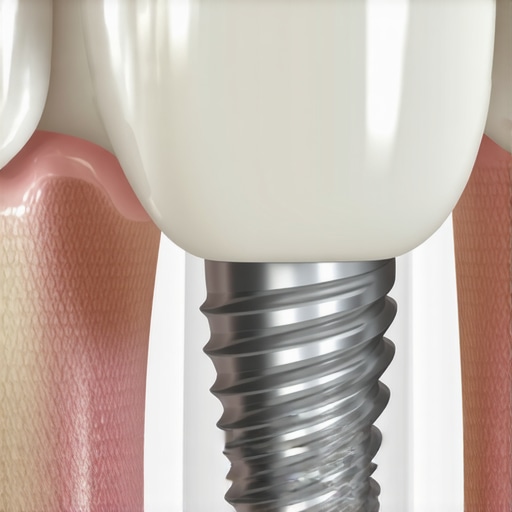
It was a bright Saturday afternoon when I first noticed it. As I was chatting with a friend, I felt that odd, unsettling wiggle in my dental implant. I couldn’t believe it—just a year ago, that implant felt like a part of me. Now, it was moving, and I was left questioning everything I thought I knew about dental implants. If you’ve ever experienced this discomfort, you’re not alone. Many people assume that once an implant is in place, it’s permanent and worry-free. But the truth is, a wobbly implant after a year is more common than you’d think—and it can be downright alarming.
Understanding Why Your Implant Feels Wobbly After a Year
A loose or wobbly dental implant isn’t just uncomfortable; it can impact your overall oral health. When I faced my own wobbling implant, I quickly learned that several factors could be at play, from bone loss to improper osseointegration. Bone loss, in particular, is a sneaky culprit that often goes unnoticed until it manifests as looseness. According to the American Dental Association, peri-implant bone loss can cause implants to become unstable over time, especially if oral hygiene falls short. This realization was a wake-up call for me—and perhaps for you too.
But don’t panic just yet. In this post, I’ll guide you through the common reasons behind a wobbly implant and, more importantly, what you can do to address it. We’ll explore practical steps and expert insights so you can take charge of your oral health and regain your confidence.
Have you ever experienced this unsettling wobble in your implant? If so, read on—we’re about to uncover the causes and solutions that could save your smile.
Is a Wobbly Implant Really a Cause for Panic?
Early in my journey, I made the mistake of ignoring the looseness, thinking it might resolve on its own or that it was just a minor issue. That was a mistake. Trust me, a loose implant isn’t something to dismiss lightly. It can lead to further bone deterioration or infection if left untreated. Recognizing the signs early is crucial. Whether you’re considering options like veneers to enhance your aesthetic or exploring options for implant maintenance, addressing the issue promptly can save you from more extensive procedures down the line.
If you’re curious about how to protect your investment in your smile, or wondering whether this wobbly feeling is normal, stay tuned. Next, we’ll dive into the specific reasons that might cause your implant to feel unstable after a year and what proactive steps you can take. And if you’re interested in complementary treatments, you might find those tips on teeth whitening secrets or family dentistry helpful for maintaining your overall oral health journey.
Remember, understanding the root cause is the first step toward restoring stability—and your smile. Let’s get started.
Assess the Situation Immediately
When your implant feels loose, don’t wait. Gently test its movement—if it’s mobile, it could signal underlying issues. I once ignored a slight wobble, thinking it was nothing, but it led to more complex problems. Be thorough: try to identify any redness, swelling, or discomfort as signs of infection or bone loss. Document these symptoms to discuss with your dentist.
Schedule a Prompt Dental Consultation
Contact your oral surgeon or dentist as soon as possible. Use the contact form or call directly. Early intervention can prevent further deterioration. During the appointment, expect an examination and possibly imaging, like X-rays, to assess bone levels. Don’t delay—delaying can lead to implant failure.
Understand the Underlying Cause
Identifying why your implant is loose guides the fix. Common reasons include bone resorption, infection, or improper osseointegration. For instance, I discovered mine was due to inadequate osseointegration after an X-ray, which indicated the implant hadn’t fused properly. Knowing the cause helps determine if you need a bone graft, removal, or other procedures.
Follow Your Dentist’s Recommended Treatment
Depending on the cause, your dentist might suggest specific actions such as:
- Bone grafting to rebuild lost support (think of it as patching the foundation of a house).
- Removal and replacement of the implant if integration failed.
- Antibiotics if infection is detected.
p>Always adhere strictly to the prescribed treatment plan. Skipping steps or delaying repairs risks worsening the problem.
Maintain Rigorous Oral Hygiene
Excellent hygiene can prevent additional issues. Use a soft-bristled toothbrush, floss gently around the implant, and consider antiseptic rinses. When I overlooked cleaning around my implant, the surrounding gum tissue became inflamed. Regular cleaning keeps the area healthy and reduces future loosening risks.
Implement Supportive Lifestyle Changes
Adjust habits that may stress the implant, such as avoiding hard foods or chewing on ice. If bruxism (teeth grinding) is contributing, consult your dentist about a nightguard. I learned that grinding at night was damaging my implants, which a custom guard effectively mitigated, prolonging their stability.
Evaluate Future Preventive Procedures
Discuss options like regular professional checkups or additional bone strengthening procedures. For example, some patients benefit from peri-implant bone augmentation to maintain implant stability long-term. Scheduled evaluations catch problems early, saving time and money down the line.
Stay Informed Through Expert Resources
Learn more about maintaining dental implants by exploring trusted resources. For insights on related treatments like veneers or whitening, visit Veneers Made Simple or check out Teeth Whitening Secrets. Staying informed allows you to participate actively in your oral health journey.
Monitor and Adapt
After treatment, keep regular appointments to monitor the implant. I found that consistent checkups prevented minor issues from escalating. Being proactive ensures stability and prolongs your implant’s lifespan, keeping your smile confident and healthy.
Many people assume they understand the basics of cosmetic and general dentistry, but beneath the surface lie nuanced truths that can make a significant difference in your oral health journey. For instance, a common misconception about veneers is that they are completely irreversible. While it’s true that porcelain veneers typically require removal of a small amount of enamel, recent advancements have introduced more conservative options, making reversal or replacement more feasible than many realize.
Is veneer removal truly a simple process or does it carry hidden risks?
Studies indicate that improper handling during removal can damage underlying teeth or cause unwanted sensitivity, emphasizing the importance of expert care (source: American Academy of Cosmetic Dentistry).
Another myth involves family dentistry practices—the notion that they only focus on kids or routine cleanings. In reality, a comprehensive family dentist is equipped to handle complex restorative procedures, orthodontics like Invisalign, and even cosmetic treatments, all tailored for different ages. Family dentistry is about building a lifelong relationship that adapts as your needs evolve.
When discussing Invisalign, many believe it’s only suitable for mild orthodontic issues. However, advanced cases, including complex malocclusions, can often be corrected with the latest innovations in clear aligners, saving you from traditional braces and their associated discomfort. Invisalign advancements now include features like precision wings and SmartTrack material, enhancing both comfort and efficacy.
Teeth whitening is often oversimplified as just applying a whitening strip or visiting the dentist once. The reality is far more layered. The choice of whitening agents, the condition of your enamel, and lifestyle habits all influence results. A little-known nuance is that over-the-counter products can sometimes damage restorations or cause uneven whitening if misused. For example, professional whitening treatments include tailored formulations and protocols that protect your dental work and maximize brightness—something you won’t get with generic kits. Professional whitening offers controlled, predictable results.
In your pursuit of a perfect smile, remember that these treatments and procedures are complex systems that require informed decisions. Rushing into a cosmetic change without understanding the nuances can lead to unexpected complications or dissatisfaction. Always consult with qualified professionals who can navigate these subtleties effectively.
Have you ever fallen into this trap of misconceptions? Let me know in the comments—I love sharing insights that can help you make smarter choices for your oral health.
Keep Your Equipment and Techniques in Top Shape
Maintaining your dental health tools is essential for sustained results, whether you’re using Invisalign aligners, whitening kits, or family dental devices. I personally rely on a high-quality ultrasonic cleaner for my aligners, as it effectively removes hidden plaque and bacteria that manual brushing can miss, ensuring optimal oral health and preventing complications like gum irritation. Regularly sanitizing your tools not only prolongs their lifespan but also keeps your mouth safe and free from infection.
Investing in a reliable dental mirror with LED illumination has transformed my routine hygiene checkups, allowing me to identify early signs of plaque buildup or irritation. Opt for models with adjustable brightness and ergonomic design for comfortable, prolonged use. Staying on top of equipment maintenance helps prevent minor issues from escalating into costly dental procedures down the line.
Predictions for the Future of Dental Maintenance
Advancements in dental technology point toward smart devices that can provide real-time analysis of oral health. Imagine toothbrushes equipped with sensors that monitor plaque levels and recommend personalized cleaning routines via a connected app. Incorporating these innovations into your routine will offer unparalleled insights, enabling proactive care—think of it as having a dental hygienist right in your bathroom. Stay ahead by exploring emerging products and integrating them into your daily routine.
How do I maintain my dental tools effectively over time?
To keep your dental equipment functioning flawlessly, clean and sterilize them regularly according to manufacturer instructions. For electronic devices, use gentle disinfectants compatible with electronics and follow a routine cleaning schedule—this extends their usability and ensures consistent performance. Always inspect your tools for signs of wear or damage; replacing worn-out components prevents inefficiencies that can compromise your oral health. I recommend setting reminders to replace aligner cases or batteries periodically, especially if you rely heavily on these tools for ongoing treatments.
Incorporate advanced tips like using an ultraviolet sterilizer for deeper disinfecting, particularly for items shared among family members, to eliminate hidden bacteria. This approach aligns with expert advice on infection control and enhances your confidence in your maintenance routine. For more detailed guidelines, visit our privacy policy page.
Scaling Your Dental Routine for Long-Term Benefits
As your needs evolve, consider adopting a modular system of tools that cater to different aspects of oral care—combining traditional brushes with digital sensors, whitening devices, or even custom-made mouth guards. Regular professional checkups are crucial for adjusting your routine and ensuring your tools stay calibrated for your unique anatomy. Remember that investing in quality equipment today pays dividends by reducing future dental expenses and preserving your smile’s health and aesthetics.
Use the insights from industry leaders and stay informed about innovations like smart toothbrushes and AI-driven diagnostics. Embrace these tools to make your dental regimen more effective, personalized, and enjoyable. Moreover, engaging with your dentist about integrating new maintenance technologies can boost your long-term results—discover more about this approach during your next visit or through reputable online resources.
Finally, don’t forget to document your maintenance schedule to keep track of when to replace tools or update procedures. An organized approach ensures nothing falls through the cracks and maintains the integrity of your dental health regime. Start today by trying out a high-tech ultrasonic cleaner or a smart toothbrush—small investments that can dramatically improve your oral health over time.
When the Real Lessons Hit Home
One of the toughest truths I learned was that not all veneers are created equal—some are less reversible than I thought, and rushing the process can lead to regrets. Discovering that customized Invisalign treatments can often fix complex orthodontic issues, even in adults, surprised me—it’s not just for teens anymore. I also realized that over-the-counter whitening kits often promise quick results but can harm sensitive teeth or create uneven tones, so trusting professionals truly pays off. These insights changed my approach to cosmetic dentistry, emphasizing patience and expert guidance.
My Go-To Resources for Dental Confidence
For deep dives into smile transformations, I rely on books like “The Art of Cosmetic Dentistry,” which offers comprehensive insights into veneer options and maintenance. Reputable online sources such as Teeth Whitening Secrets provide the latest tips and emerging trends that keep me informed. When exploring family dentistry options, I trust Family Dentistry Tips, which emphasizes lifelong oral health strategies for all ages. Lastly, seeking expert opinions through reputable clinics ensures I make empowered decisions for my smile’s future.
Your Next Confidence Boost Awaits
Remember, the journey to a radiant smile involves more than just choosing the right procedure—it’s about understanding your unique needs and trusting experienced professionals. Don’t let misconceptions hold you back from achieving the smile you deserve. Every step, from discreet Invisalign correction to personalized veneer application, can be a catalyst for renewed confidence and happiness. Embrace the possibilities, stay curious, and take action today—your ideal smile is within reach!