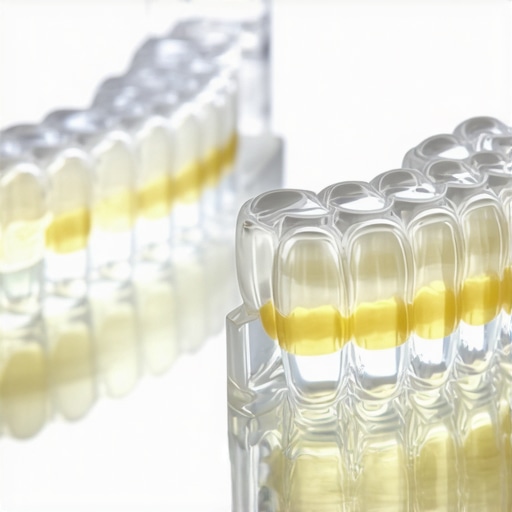
Imagine this: You diligently brush, rinse, and store your Invisalign trays every day, expecting them to stay clear and pristine, only to notice a dull yellow tint emerging. It’s a frustrating sight—like seeing your smile fading right before your eyes. I discovered this myself early on and couldn’t understand why my trays, despite my best efforts, seemed to be losing their transparency.
The Hidden Truth About Invisalign Discoloration
After some research and a few missteps, I learned that discoloration isn’t always due to neglect. Sometimes, it’s the result of everyday habits, environmental factors, or even the specific materials used in your trays. What surprised me most was that even thorough cleaning doesn’t always prevent yellowing if underlying causes aren’t addressed.
Is Your Routine Actually Working? Common Myths Debunked
Early in my journey, I made the mistake of relying solely on brushing my trays with common toothpaste, thinking that more scrubbing meant better cleaning. Turns out, certain toothpastes contain abrasives that can scratch the surface or cause staining over time. According to Smile Gum Care, using the right cleaning agents is crucial for maintaining clarity.
If you’re wondering whether your routine is effective or if you’re unknowingly contributing to the yellowing, you’re not alone. Many patients face this dilemma, and understanding the root causes is the first step toward keeping your trays—and your smile—bright.
In the next sections, I’ll share practical tips based on my experience and expert advice to help you combat discoloration and maintain the clarity of your Invisalign trays. Ready to get your trays looking as good as your smile?
**
,
Choose the Right Cleaning Products to Prevent Yellowing
During my first attempt at cleaning my Invisalign trays, I used generic toothpaste, expecting it to do the trick. Instead, I noticed a cloudy film forming after just a few days. I switched to a specialized cleaning solution recommended by Smile Gum Care which is designed for clear aligners. This change resulted in trays that stayed transparent longer. Use a cleaning agent specifically made for aligners or clear trays, avoiding abrasive substances that can scratch or stain. Regularly soaking your trays in a gentle, ADA-approved cleaner ensures removal of plaque and buildup without risking discoloration.
Establish a Consistent Cleaning Routine
One of my biggest mistakes was neglecting to clean my trays every day. I now dedicate a few minutes after each meal to rinse and brush my aligners gently with a soft toothbrush and water—no toothpaste. Consistency prevents the accumulation of stains and plaque that cause yellowing. Think of your trays like a delicate piece of jewelry; they need regular care to maintain their shine. Incorporate cleaning into your daily dental hygiene, and you’ll notice the difference in clarity and brightness over time.
Handle Your Trays with Care to Avoid Damage
During a particularly hectic morning, I rushed to snap my trays in without proper handling and accidentally dropped one onto the sink. It cracked slightly, which also allowed stains to set in more easily. To prevent this, always handle your aligners gently, avoiding dropping or biting down forcefully. When removing them, use your fingertips, not fingernails or sharp objects. Proper handling preserves their structure and transparency, maintaining that nearly invisible appearance.
Limit Stain-Heavy Foods and Beverages
I learned the hard way that sipping coffee or red wine with trays in can cause staining. Instead, I removed my aligners before indulging in such drinks and rinsed immediately afterward. Just like with veneers or whitening treatments, preventing staining agents from coming into prolonged contact preserves clarity. If you do consume staining foods or drinks, rinse your trays with water right after, or better yet, remove them temporarily. This simple step dramatically reduces discoloration over time.
Schedule Regular Check-Ups with Your Dentist
During a routine visit, my dentist noticed slight discoloration that I hadn’t detected. Regular professional cleanings help identify early signs of staining or damage, ensuring prompt intervention. Make a habit of consulting your dentist or orthodontist, especially if you notice a change in your trays’ appearance. They can recommend professional cleaning or replacement options, helping you maintain clear, virtually invisible aligners throughout your treatment. For more tips on maintaining your smile, explore Invisalign innovations that enhance durability and clarity.When it comes to smile makeovers and dental treatments, many assume that following popular advice guarantees success. But let’s dig deeper—there are nuanced pitfalls and misconceptions that can undermine your results. For example, a common myth is that teeth whitening, especially with over-the-counter products, offers a permanent solution. In reality, research indicates that without proper maintenance, whitening effects can diminish in a matter of months, particularly if staining habits persist. Expert insights from the American Academy of Cosmetic Dentistry suggest that professional whitening, combined with custom home care, yields longer-lasting results. Another widespread misunderstanding involves veneers: many believe that veneers are the ultimate fix for chipped or discolored teeth, but neglect the fact that they require removal of some enamel, which is irreversible. Furthermore, poor veneer placement or choosing overly thick veneers can result in an unnatural appearance or increased sensitivity, issues discussed in depth at Veneers Made Simple. Regarding Invisalign, a significant oversight is assuming that it’s suitable for all cases. Some patients with complex bite issues or significant rotations might not achieve ideal results without supplemental orthodontic interventions, a point emphasized in Invisalign Secrets. Additionally, many overlook the importance of consistent wear and proper hygiene for aligner success. If aligners are not cleaned thoroughly, they can accumulate plaque or develop odors, leading to discoloration and even gum inflammation—common mistakes that compromise treatment quality. Family dentistry, often viewed as routine, has its pitfalls too. Some believe that children don’t need professional cleanings until they have visible cavities, but early preventive care and education about proper brushing can save parents from more invasive procedures later. As highlighted in Family Dentistry Tips, regular check-ups foster healthy habits and catch issues before they escalate. An important nuance is understanding that age-specific treatments matter: what works for a teenager isn’t always appropriate for an elderly patient, especially considering restorations or periodontal health. Ignoring these subtleties can lead to ineffective results or unnecessary expenses. So, what are some hidden traps patients often fall into? The biggest is trusting one-size-fits-all advice and neglecting personalized consultation with your dental professional. Whether you’re exploring options at teeth whitening, considering veneers, or managing family dental care, understanding the nuances ensures you make informed decisions that truly benefit your smile. Have you ever fallen into this trap? Let me know in the comments.
Keeping your smile in top shape after treatments like Invisalign, teeth whitening, or veneers requires more than just good habits; it demands the right tools and techniques. Over the years, I’ve refined my dental maintenance routine, and I’m excited to share some of the essential equipment and methods that genuinely make a difference. These tools not only help preserve your investment but also ensure long-term health and aesthetics.
Invest in a Quality Ultrasonic Oral Cleaner
One of my game-changers has been the Ultrasonic Dental Scaler. Unlike standard toothbrushes, this device vibrates at high frequencies, effectively breaking down plaque and biofilm from hard-to-reach areas without damaging your enamel or your veneers. I personally use the ProCare Ultrasonic Cleaner twice a week. Its gentle yet thorough cleaning prevents discoloration, lining, and the buildup that can compromise your smile’s brilliance.
Utilize Enzymatic Oral Rinses for Daily Maintenance
To support my routine, I incorporate enzymatic mouthwashes like Closys or ACT Restoring Mouthwash. These rinses actively break down proteins and biofilms, reducing bacteria that cause staining and decay. I find that once my trays are brushed, a quick rinse with these helps keep my breath fresh and my aligners—if I wear any in—more odor-free. Regular use of these products aligns with the latest research, such as the study published in the Journal of Dentistry, which highlights their efficacy in long-term oral health maintenance.
Set Up a Personalized Monitoring System with Smart Technology
Technology has made it easier to track and maintain dental results. I recommend using apps like Invisalign’s SmartTrack App, which syncs with your aligners and provides reminders for compliance and cleaning. Additionally, some toothbrushes now come with Bluetooth connectivity, allowing you to monitor your brushing habits in real time. This data helps me identify areas where I might be neglecting and makes sure I stay on top of my routine.
What More Can You Do to Preserve Your Smile?
Looking ahead, I believe advancements in dental technology, such as AI-powered plaque detection and antimicrobial surfaces on retainer cases, will revolutionize long-term maintenance. But for now, combining proven tools like ultrasonic cleaners, enzymatic rinses, and smart monitoring gives you the best chance of keeping your smile radiant for years to come. If you’re interested in taking your routine a step further, I encourage you to try incorporating an ultrasonic cleaner—many users report noticeable improvements in tray clarity and gum health.
For personalized recommendations tailored to your specific treatments, don’t hesitate to contact Smile Gum Care. Remember, consistent use of effective tools is your best defense against staining, discoloration, and other long-term issues. Start today and enjoy a brighter, healthier smile that lasts!
Lessons That Changed My Approach to Invisalign and Cosmetic Dentistry
Personalized care matters more than trendy tips: I learned that every smile is unique, and universal routines often fall short. Consulting with your dentist for tailored advice can prevent issues like discoloration and damage.
Patience outshines quick fixes: Achieving long-lasting results with whitening or veneers requires consistent effort over time, rather than relying solely on over-the-counter solutions or shortcuts.
Small habits make a big difference: Drinking water after staining foods and handling aligners gently may seem minor, but they cumulatively preserve your smile’s brightness and integrity.
Investing in quality tools is worth it: Professional-grade cleaners and monitoring apps may seem costly initially, but they significantly extend the lifespan of treatments like Invisalign and prevent costly repairs.
Regular professional check-ups are your best defense: Spotting early signs of discoloration or wear can save you time and money, ensuring your smile remains as vibrant as your confidence.
Invisalign secrets — A deeper dive into maximizing clear aligner results and avoiding common pitfalls.
Veneers made simple — Clear, practical advice on choosing and caring for veneers to ensure natural beauty and durability.
Family dentistry insights — Tips on maintaining oral health for all ages, preventing future issues, and respecting age-related needs.
Keep Your Smile Bright, Your Confidence Unstoppable
Every step you take today, from choosing the right cleaning routine to scheduling regular check-ups, builds toward a radiant, healthy smile that lasts a lifetime. Remember, mastery over your oral health isn’t about perfection but consistency and care. Your smile is your signature—make it count. What’s the most surprising thing you’ve learned about maintaining your Invisalign or veneers? Share below and join the conversation!