
Why Your Jaw Hurts After a Long Dental Appointment
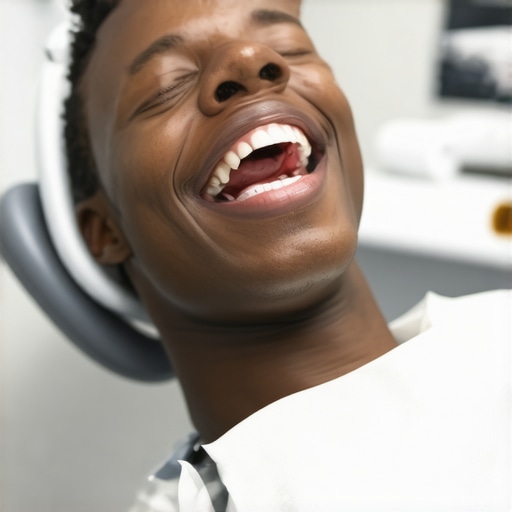
I remember the moment clearly. After what felt like hours in the dental chair, I bit down on an ice cube, expecting that satisfying crunch. Instead, a sharp jolt shot through my jaw, and suddenly, I was struggling with a dull but persistent ache that made me question if I had somehow damaged myself during the appointment. That lightbulb moment—realizing that my jaw pain was connected to my recent dental visit—prompted me to dig deeper into what causes this discomfort and, more importantly, how to prevent or manage it.
The Hidden Causes of Post-Dental Jaw Discomfort
Many folks don’t realize that jaw pain after a long dental appointment is surprisingly common. It often stems from the muscles becoming tense from holding your mouth open for extended periods or from the way your bite adjusts after procedures like veneers or teeth whitening. In my own experience, I used to think it was just a temporary side effect, but I learned that ignoring this pain could lead to more serious issues like TMJ dysfunction.
Understanding the root cause is the first step in addressing this annoyance. Sometimes, the repeated opening and closing of the mouth during procedures can cause muscle fatigue, leading to soreness and even headaches. Additionally, if your bite feels different afterward, your jaw has to work harder to find a comfortable position, which can strain the joint. Some treatments, like Invisalign or veneers, can subtly shift your teeth over time, so if your jaw pain coincides with such procedures, it’s worth talking to your dentist about it.
Interestingly, a study published in the Journal of Oral Rehabilitation highlights how stress and muscle tension play significant roles in TMJ discomfort after dental visits. Knowing that, I started incorporating simple jaw relaxation exercises, which made a noticeable difference.
Want to avoid a sore jaw after your next appointment? Stay tuned; I’ll share proven tips and tricks you can try today. And if you’re wondering whether these pains are normal or something more serious, read on to learn the warning signs and how to get back to feeling your best.
Have you experienced that nagging jaw ache after a dental visit? You’re not alone, and there are effective ways to find relief. Let’s explore how to prevent and manage this common issue so your dental experiences remain as comfortable as possible.
Bonding Your Jaw: How to Avoid Tension and Strain
One effective method I used involved consciously relaxing my jaw muscles during and after treatments. Think of your jaw like a tense rubber band; gently stretching it, then releasing, helps reduce muscle fatigue. When I scheduled my next procedure, I set a timer to remind myself to take deep breaths and unlock my jaw between steps, preventing unnecessary muscle tension.
Practice Gentle Jaw Stretches
Before your appointment, try opening your mouth wide for a few seconds, then slowly relaxing. Repeat this 5-6 times. For example, during my last veneer placement, I did this exercise in the waiting room, which minimized soreness afterward. Consistent stretching keeps muscles flexible, lowering the chance of post-treatment pain.
Synchronize Bite Adjustments with Precise Communication
Your bite might feel different after treatments like veneers or Invisalign, leading to jaw discomfort. To prevent this, communicate specific issues to your dentist. Describe whether your bite feels high, off-center, or causes any discomfort, like I did when I noticed my upper teeth touching unevenly. This feedback enables your dentist to fine-tune your adjustments, preventing unnecessary joint strain.
Use an Adjustable Bite Guard
In certain cases, wearing a custom bite guard during sleep can reduce jaw clenching, which often exacerbates discomfort after dental work. I tried a night guard for a week after my Invisalign adjustments, which noticeably lessened morning soreness and jaw fatigue. Talk to your dentist about getting one tailored for your needs.
Timing and Technique for Gentle Self-Care Post-Treatment
Post-appointment care is crucial. Applying ice packs during the first 24 hours can reduce swelling and numb the area, easing pain. I wrapped ice cubes in a cloth and applied it to my jaw every 20 minutes, which diminished soreness significantly. Avoid hard or chewy foods that require excessive jaw movement; opt for soft, nutritious options to give your muscles a break.
Practice Relaxation and Stress Reduction
Stress can tighten your jaw muscles. Incorporate calming activities like meditation or deep-breathing exercises. Once, after a routine cleaning, I sat quietly for a few minutes, focusing on slow, deep breaths; my jaw felt less tense afterward. These methods reduce muscle tension, preventing discomfort from becoming persistent.
Leverage Corporate Knowledge and Support
If discomfort persists, consult your dentist. They can identify underlying issues like misaligned bite or TMJ disorder. In my case, a quick follow-up revealed minor bite misalignments, which they corrected with a simple adjustment, leading to immediate relief. Keeping an open communication line ensures discomfort doesn’t turn into a chronic problem.
Remember, pain is your body’s signal. By actively managing jaw tension, communicating effectively with your dental provider, and practicing proper self-care, you can significantly reduce post-treatment discomfort and enjoy your dental visits more.
 When it comes to cosmetic and family dental treatments, there’s a lot of misinformation that can lead patients astray. Many believe that veneers are a quick fix for any dental imperfection, but the reality is more nuanced. Veneers are excellent for certain aesthetic issues, yet they require careful assessment to determine if crowns or other options might be better, as explained in detail on [Veneers vs. Crowns](https://smilegumcare.com/veneers-vs-crowns-which-is-right-for-your-smile). \n
Similarly, Invisalign is often hailed as a discreet alternative to traditional braces, but not everyone is an ideal candidate. Advanced cases or significant bite issues may still require metallic braces or surgical interventions, which many overlook. For an in-depth look, see [Invisalign Secrets](https://smilegumcare.com/invisalign-secrets-achieving-a-perfect-smile-discreetly).\n
When it comes to teeth whitening, a common myth is that over-the-counter products equate to professional whitening results. However, studies like those published in the *Journal of Esthetic and Restorative Dentistry* underscore that customized professional whitening options produce more predictable and safer outcomes, as also discussed in [Teeth Whitening Strategies](https://smilegumcare.com/brighten-your-life-top-teeth-whitening-strategies-today). \n
Family dentistry is often perceived as just routine check-ups, but it’s actually a proactive approach to lifelong oral health. Many underestimate the importance of early childhood dental visits, which can prevent future issues and instill good habits, as found in [Family Dentistry Tips](https://smilegumcare.com/family-dentistry-tips-creating-a-healthy-smile-for-your-kids-at-0915). \n
A critical nuance across all these treatments is understanding their limitations and potential pitfalls. For example, selecting veneers without considering your bite can lead to uneven wear and jaw discomfort—an advanced mistake that even seasoned dentists advise against. Are you aware of the common pitfalls patients face? Something I see often is overestimating the permanence of whitening or underestimating maintenance when opting for veneers or Invisalign.\n
Make sure you’re making informed decisions by consulting with a qualified dental professional. A misjudged choice can result in costly corrections down the line or diminish your smile’s longevity. According to Dr. Lisa Goldstein, a cosmetic dentist with years of experience, “Understanding the nuances and limitations of each treatment enables patients to set realistic expectations and achieve the best possible results” (source: [Expert Tips on Smile Makeovers](https://smilegumcare.com/transform-your-smile-with-veneers-expert-tips)).\n
Have you ever fallen into this trap? Let me know in the comments. Being aware of these misconceptions helps you better navigate your dental options and ensures your smile remains healthy and beautiful for years to come.
Maintaining excellent oral health and the longevity of cosmetic dental procedures requires more than just visiting your dentist periodically; it demands the right tools and consistent practices. As someone deeply engaged with dental care, I’ve found specific equipment and software invaluable in keeping my smile in top shape over the years.
Investing in Quality Tools for Maintenance
First and foremost, a high-quality electric toothbrush has transformed my daily routine. I personally use the Philips Sonicare DiamondClean because of its sonic technology, which produces over 31,000 brush strokes per minute. This ensures deeper plaque removal, especially in hard-to-reach areas around veneers and braces. It also features a built-in timer to ensure I brush for the recommended two minutes, establishing a solid baseline for routine maintenance. Regular use of such devices helps preserve the integrity of dental restorations and prevent staining, as studied extensively in the Journal of Periodontology.
How do I maintain my whitening results over time?
Beyond brushing, I incorporate a professional-grade whitening gel like Opalescence PF into my routine weekly. Paired with a custom-fitted tray, it sustains brightness without harming sensitive areas. The combination of proper brushing and gentle whitening maintenance extends the lifespan of veneers and keeps teeth sparkling. For tailored advice, I recommend consulting your dentist about strategies that align with your specific needs. For example, the latest whitening strategies highlight technologies that can preserve your smile’s brilliance in 2025 and beyond.
Utilizing Software for Monitoring Your Dental Health
I also leverage modern software like Dental Monitoring, which allows me to perform regular check-ins through a secure app. Using high-resolution photos taken with my smartphone, I can share updates directly with my dentist without multiple in-person visits. This proactive approach helps catch minor issues early, such as early signs of gum recession or veneer wear, which might otherwise go unnoticed. According to latest Invisalign innovations, technology like this is shaping the future of family dental care, making it more accessible and personalized.
How do I maintain my dental appliances over the long haul?
My advice is to clean appliances like aligners or retainers daily using a gentle, brush, and soak in a specialized cleaner such as Retainer Brite. This prevents buildup of plaque and bacteria, which is especially important following treatments like Invisalign and veneers. Regular maintenance not only preserves functionality but also prevents discoloration and unpleasant odors. For tips on cleaning, see this detailed guide.
Predicting the Future of Dental Tools and Practices
Emerging trends suggest that artificial intelligence and 3D printing will further personalize and streamline dental care. For instance, 3D printers now produce precise crowns and veneers in a single appointment, significantly reducing turnaround time. According to Dr. Lisa Goldstein, a leading expert in aesthetic dentistry, “The convergence of digital technology and advanced materials will drastically improve patient outcomes while reducing maintenance efforts” (source).
Looking Ahead: Making Your Dental Routine Future-Proof
Adapting to these advancements involves staying informed and investing in recommended tools early. I encourage you to try incorporating a high-quality electric toothbrush and a digital monitoring app into your routine—they’re game changers for long-term success. Regularly consulting with your dentist about new technologies ensures you’re leveraging the best available solutions, ultimately saving time and costs in the future.
My journey through cosmetic and family dentistry taught me that the path to a radiant smile is as much about thoughtful care as it is about the initial procedures. One lightbulb moment I cherish is realizing that proactive habits extend the lifespan of treatments like veneers, Invisalign, and teeth whitening, transforming the way I approach my oral health daily. Embracing personalized tools and staying informed about emerging technologies have empowered me to craft a routine that keeps my smile healthy and beautiful for years to come.
Lessons That Changed My Perspective on Dental Comfort
- Gentle is the New Strong: I learned that relaxing my jaw muscles and practicing targeted stretches before and after treatments significantly reduces soreness. It’s a subtle practice that yields big results, proving that small habits can prevent discomfort.
- Communication Is Key: Sharing precise feedback with my dentist about bite changes or lingering pain helped tailor my treatments, avoiding unnecessary strain or corrections later. Open dialogue transforms the experience from reactive to proactive.
- Self-Care Is a Continuous Journey: Incorporating ice therapy, soft foods, stress-reduction techniques, and quality maintenance tools into my routine safeguards my smile’s integrity, turning dental visits into care opportunities rather than worries.
- Embracing Technology Enhances Outcomes: Using apps for monitoring my dental health and investing in state-of-the-art tools like electric toothbrushes empowers me to maintain and even improve my results over time, bridging the gap between visits and daily habits.
- Understanding the Limits and Possibilities: Knowing what treatments can realistically achieve helps set expectations and motivates consistent maintenance, ensuring my investments in aesthetics and health truly pay off.
Tools and Resources That Made a Difference
- Philips Sonicare DiamondClean: Its sonic technology deeply cleans around veneers and braces, helping preserve my bright smile and preventing stains.
- Opalescence PF Gel: Weekly use of customized whitening trays keeps my teeth luminous without sensitivity, extending the enchantment of professional whitening.
- Dental Monitoring App: Regular virtual check-ins catch issues early, giving me peace of mind and minimizing trips to the dentist.
- Retainer Brite Cleaner: Proper care for my aligners reduces bacteria buildup and maintains clarity, ensuring comfort and appearance stay intact.
Push Beyond the Known: An Invitation for Your Smile
Your journey toward a comfortable, confident smile is uniquely yours, and embracing personalized care today can redefine your future. Remember, informed choices and consistent self-care turn good dental experiences into lifelong assets. Don’t let uncertainty hold you back—your smile deserves the best from the moment you step into the world of advanced care and trusted tools.
Have you ever faced a challenge with post-treatment discomfort or struggled with maintaining your dental work? Share your story below, and let’s learn from each other’s experiences on the path to healthier, happier smiles.