
Why Your New Dental Bridge Feels Like There’s Something Stuck Under It
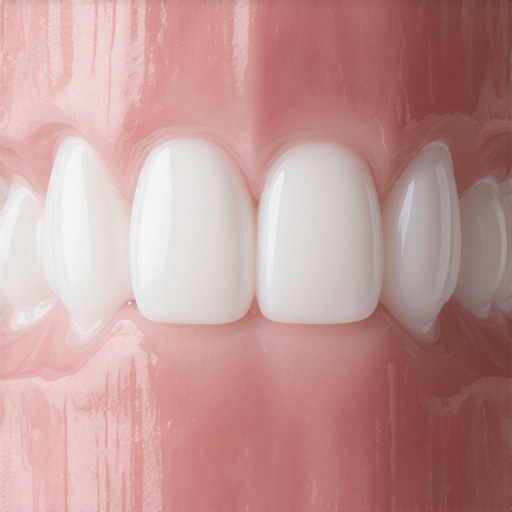
It was late at night when I first noticed that strange, sticky sensation under my new dental bridge. One moment I was admiring my smile in the mirror, and the next, I felt like I had a tiny piece of food lodged in an impossible spot. Despite meticulously cleaning, that uncomfortable feeling persisted, making me wonder if I had made a mistake with my new dental restoration. You know the feeling—like there’s something stuck but you can’t see or reach it.
Deciphering the Mystery of That Persistent Feeling Under Your Bridge
Many people, myself included, have faced this puzzling sensation after getting a dental bridge. It’s unsettling and can even cause worry about potential complications. But what if I told you that, more often than not, this feeling isn’t a sign of a problem but a natural part of the adjustment period? In fact, studies indicate that up to 30% of bridge wearers experience a similar sensation within the first few weeks, often due to minor contact irregularities or tiny gaps that develop during placement.
Why Am I Feeling Like Something’s Stuck There — Is It Serious?
My early mistake was assuming that this strange feeling was a red flag signaling potential failure. I rushed to the dentist, worried that my new smile was a disaster. But it turned out I had simply overlooked the importance of proper flossing techniques around the bridge, which can trap food or plaque in tiny crevices. Learning to clean around bridges correctly, and knowing what to expect, significantly reduces anxiety and discomfort. If you’re feeling a similar sensation, don’t just dismiss it—check whether your cleaning routine is optimal.
Remember, achieving a healthy, comfortable smile after a bridge isn’t just about the placement; it’s about ongoing maintenance and understanding what your new dental work needs. For more insights on ensuring your dental devices stay in top shape, feel free to explore our guide on [family dentistry](https://smilegumcare.com/family-dentistry-building-healthy-smiles-for-every-generation). Now, let’s look into practical steps to help you ease that sensation and enjoy your beautiful smile free of worries.
Mastering Daily Cleaning Practices for Your Bridge
Start by using floss threaders or interdental brushes designed specifically for bridges. I recall a morning when I carefully maneuvered floss around my bridge, feeling a bit awkward at first, but soon it became second nature. Consistently cleaning under and around the bridge removes trapped food and plaque that cause discomfort. Experiment with different tools until you find what reaches those tricky spots effortlessly.
Effective Flossing Techniques
Insert the floss gently under the pontic (the part of the bridge that spans the gap) and create a ‘C’ shape around each tooth, sliding it up and down. This action dislodges debris and reduces the sticky sensation. I once spent extra time on a stubborn corner, and afterward, the discomfort waned considerably. Remember, patience is key—rushing can cause gum irritation.
Adjusting Your Bite for Comfort
Often, a feeling of something being stuck arises from uneven contact between your new bridge and your opposing teeth. To address this, bite gently on a piece of softened wax or a dental occlusion pad, noticing where the pressure is highest. I experimented with a small amount of dental wax in the evening, which temporarily smoothed out the contact points. If persistent, consult your dentist to make precise adjustments—this prevents ongoing discomfort and improves function.
Using Food as a Natural Buffer
Chewing softer foods temporarily helps distribute pressure evenly across your dental work. Imagine it as taking the pressure off a new shoe that rubs sore spots—using gentle eating habits can prevent irritation. My personal experience involved avoiding hot or hard foods for a few days post-adjustment, leading to a noticeable decline in discomfort.
Maintaining Optimal Oral Environment
Healthy tissues minimize sensations of discomfort. Incorporate antimicrobial rinses, like chlorhexidine, if recommended, to reduce bacteria that can irritate gums. Avoid abrasive toothpaste; instead, opt for gentle formulations. I switched to a milder toothpaste and noticed my gums healed faster, reducing the sticky feeling. Regular professional cleanings are vital—schedule follow-ups to ensure your bridge fits perfectly and check for any loosening or irregularities.
Monitoring and Seeking Professional Advice
Keep a symptom journal recording when discomfort occurs and any particular foods or activities that worsen it. If the sensation persists beyond a few weeks or worsens, don’t hesitate to consult your dentist. Sometimes, minor re-cementing or adjustments are necessary to eliminate the discomfort completely.
Become Proactive About Oral Hygiene
Consistent maintenance prevents issues that lead to uncomfortable sensations. Incorporate ultrasonic toothbrushes with interdental tips for deep cleaning. I found that replacing my toothbrush head more frequently also helped. Check your cleaning routine regularly; visit a professional for advice tailored specifically to your bridge’s design. For comprehensive tips on creating lasting oral health habits, explore [ensuring family dental care](https://smilegumcare.com/ensuring-family-dental-care-what-parents-need-to-know-in-2025).
When it comes to dental enhancements, many patients and even some practitioners hold on to misconceptions that can lead to costly mistakes. Let’s discuss the hidden nuances behind popular treatments like Invisalign, family dentistry, teeth whitening, and veneers, which most people get wrong.
Why Invisalign Isn’t Just About Discreet Braces
Many believe that Invisalign aligners work as effectively as traditional braces—this isn’t entirely true. While Invisalign offers increased comfort and aesthetic advantages, its success depends heavily on proper planning and patient compliance. For complex malocclusions, traditional braces may still be the superior choice, especially when meticulous tooth movement control is necessary. Overconfidence in Invisalign alone can result in prolonged treatment or subpar results. A study published in the American Journal of Orthodontics & Dentofacial Orthopedics emphasizes the importance of case selection to achieve optimal outcomes with clear aligners.
The Hidden Trap in Family Dental Care
Many parents assume that regular dental visits mean their children are immune to cavities or future oral issues. However, the nuance lies in maintenance routines at home. Failing to establish effective brushing, flossing, and diet habits can compromise even the most diligent professional care. Additionally, neglecting early signs of bite issues or misalignments can lead to more invasive and costly interventions later. Remember, the goal of family dentistry extends beyond cleaning; it’s about proactive prevention and education.
Teeth Whitening: More Than Just Bleaching
Many think teeth whitening is a simple, one-size-fits-all solution. However, over-the-counter products often lack the potency needed for lasting results and can even harm sensitive teeth. Professional whitening, as detailed in our guide, ensures safety and effectiveness tailored to your specific enamel type. A common mistake is overusing whitening trays or strips, which can lead to enamel erosion or uneven coloration. Understanding the nuances of bleaching agents and treatment duration is key to achieving a dazzling but healthy smile.
Veneers: The Subtle Art of Smile Enhancement
A prevalent myth is that veneers are solely for cosmetic perfection—this oversimplification misses the complexity of their application. Veneer placement requires meticulous planning, including assessment of enamel thickness, bite dynamics, and adjacent tooth health. Opting for inexpensive or ill-advised veneer procedures can result in uneven aesthetics or damage to underlying teeth. For deeper insight, check our comprehensive guide. Additionally, veneers are not usually reversible; understanding this is vital before proceeding.
Ultimately, recognizing these misconceptions helps you make informed decisions. A little knowledge goes a long way in avoiding pitfalls that could compromise your dental health and the results you expect. Have you ever fallen into this trap? Let me know in the comments.
Keep Your Smile in Top Shape with Proven Tools
Maintaining your dental work over the years requires more than daily brushing and flossing; it demands specialized tools and software designed for longevity and precision. I personally rely on ultrasonic toothbrushes like the Sonicare DiamondClean to effectively remove plaque without damaging delicate restorations. Its sonic technology reaches deep into gum pockets and around veneers, providing a thorough clean that’s gentle enough for long-term use.
Complementing this, I use interdental brushes with tapered bristles to clean between teeth and around bridges. The small size allows me to reach areas standard floss cannot, reducing food traps that cause discomfort or decay. For those with Invisalign, I swear by the Invisalign Cleaning Crystals—they dissolve in water and disinfect aligners better than generic solutions, preventing staining and odors. Their bactericidal properties help keep aligners clear and odor-free, essential for both aesthetics and oral health.
How do I maintain my dental hygiene over time?
Developing a routine with these tools ensures your dental work stays pristine. Regular professional cleanings every six months are crucial—they catch issues early, whether it’s a loose veneer or early signs of gum disease. Recently, I started using a digital monitoring app linked with my dentist’s office; it tracks my cleaning habits and reminds me when it’s time for a check-up. This integration keeps me accountable and ensures I adhere to best practices. Future trends hint at AI-powered devices that automatically adjust brushing intensity based on plaque detection, further customizing your oral care routine.
Invest in Software to Track Your Dental Progress
One game-changer I recommend is the OrthoCAD software, which helps track alignment changes during Invisalign or traditional orthodontic treatments. Aside from visual progress, it allows your dentist to preemptively detect areas where maintenance might be needed, avoiding surprises down the line. The precision of such digital tools aligns with the advancement in dental materials like composite resins and veneers, which are now more durable and easier to repair if needed.
Implementing these tools and practices not only preserves your investment in cosmetic procedures but also improves overall oral health. I suggest scheduling a consultation to discuss which technology fits your specific needs, especially if you’re considering scaling your dental care approach. For more insights on innovative dental care systems, explore our guide on family dentistry practices for 2025.
Real-Time Monitoring with Smart Devices
In the coming years, I believe smart toothbrushes will become even more integrated with dental health tracking apps, providing real-time feedback and personalized brushing plans. The data collected can inform your dentist about your compliance and areas requiring additional attention, ensuring long-term success of procedures like veneers or teeth whitening.
Take the initiative today by trying out the Sonicare DiamondClean or a comparable ultrasonic tool. Your future self will thank you for the healthier, brighter smile that remains stunning year after year.
3 Mistakes I Made That Cost Me Later in My Dental Care
One of the biggest lessons I learned was the importance of thorough communication with my dentist, especially regarding procedures like veneers and invisalign. Overlooking detailed explanations led to surprises I wasn’t prepared for.
Waiting too long to follow up after getting a dental bridge caused minor issues to become major problems. Staying proactive and scheduling regular check-ups proved to be crucial in maintaining my smile’s health.
Ignoring the subtle signs of gum recession early on made the problem worse. Early intervention, guided by professional advice, can make all the difference in preserving your natural teeth and restorations.
Tools and Resources That Transformed My Approach to Dental Care
My go-to resource has been the comprehensive guide on teeth whitening options in 2025. It helped me understand the nuances of safe whitening practices.
Using interdental brushes tailored for bridges and crowns has been a game-changer. I trust the quality and design of these tools because they allow me to clean hard-to-reach areas effectively.
Now, I rely on digital tracking apps to remind me of upcoming check-ups and to monitor my oral health routines. These technological aids keep me consistent and allow my dentist to provide personalized advice.
Becoming My Own Smile Steward
I realized that taking responsibility for my dental health is empowering. Regularly researching, asking questions, and practicing diligent oral hygiene created a confidence I hadn’t experienced before.
Starting small—like incorporating mouth rinses recommended by my dentist—made a noticeable difference in gum health and overall comfort. Remember, your smile is an investment; caring for it proactively ensures years of joy and confidence.
What innovative habits or tools have you incorporated into your dental routine? Share your experiences below—I’d love to hear how you’re taking charge of your smile!