
Why Your New Veneers Make You Talk With a Slight Lisp
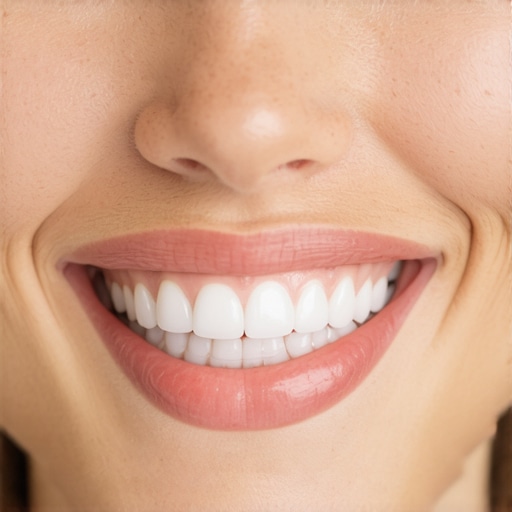
I still remember the moment I first caught myself speaking and realizing I sounded like I had a mouthful of marbles. It was after getting my new veneers, and suddenly, my words were tinged with an awkward lisp. At first, I thought it was just temporary, but days turned into weeks, and the speech hiccups stubbornly stayed. It felt frustrating—like my confident smile was now accompanied by a less confident voice. That lightbulb moment made me realize I wasn’t alone in this experience, and more importantly, I wanted to find a way to regain my natural speech without sacrificing my new, radiant smile.
What’s Really Happening When Your Veneers Alter Your Speech
So, why do veneers sometimes mess with how you talk? Well, it’s mainly about the way they change the shape and thickness of your teeth. Veneers are thin shells bonded to the front of your teeth to boost appearance, but they can slightly alter the contours of your mouth. This change can interfere with the movements of your tongue and lips during speech, leading to that subtle lisp.
Early on in my journey, I made the mistake of not discussing these expected adjustments with my dentist. I assumed that once the veneers were in, my speech would bounce back immediately. Instead, I ignored the importance of a proper adaptation period. Turns out, it’s quite common for patients to experience some speech adjustments—sometimes for weeks—until your mouth and muscles get used to the new setup. A study published in the National Institutes of Health highlights how oral prosthetics can temporarily influence speech patterns, emphasizing the importance of patient patience and proper guidance.
Knowing this, you might worry about looking or sounding silly forever. But here’s the good news: these speech quirks often diminish naturally with time or can be minimized with specific exercises and adjustments. Today, I’m going to share the practical steps I learned to help my speech come back to normal—and how you can do the same.
Have you been struggling with this issue after your veneer procedure? You’re not alone, and there are effective ways to fix it.
Practice Articulating Slowly and Clearly
When I first noticed my speech issues post-veneer placement, I committed to slowing down my speech intentionally. I read aloud daily, focusing on enunciating every word distinctly. This simple act is akin to tuning a musical instrument; the more deliberate your movements, the easier it becomes to retrain muscle memory. I started with reading short passages, gradually increasing complexity. Over a week, I noticed my clarity improving, which boosted my confidence significantly.
Engage in Specific Oral Exercises
Next, I incorporated targeted tongue and lip exercises. For example, I repeatedly said tricky sounds like “th” and “s” slowly, emphasizing the tongue placement. I also did lip rounding and stretching exercises, like pouting and smiling widely, to regain flexibility. Each session lasted about 10 minutes, and consistency was key. Just like training for a marathon, regular practice reprograms faulty muscle patterns, helping your mouth adapt to new veneers faster.
Use Visual Feedback to Monitor Progress
I recorded myself speaking daily. Watching these recordings allowed me to identify persistent issues and monitor improvement objectively. Visual feedback is powerful; you can see if your tongue is correctly positioned or if your mouth is tense. Using a mirror alongside recordings maximized self-awareness. To keep motivated, I set small milestones—like speaking without a lisp for 30 seconds—and celebrated each achievement, which kept me committed to practice.
Adjust Your Lip and Tongue Movements During Speech
Be mindful of your mouth’s movements. For instance, if your tongue tends to hit problematic areas, gently reposition it and practice that movement repeatedly. Mimicking sounds with exaggerated mouth movements initially helped retrain muscle memory. For example, practicing exaggerated “s” sounds with a mirror made me conscious of tongue placement. Over time, these adjustments became natural, reducing the lisp significantly.
Seek Professional Guidance When Needed
If self-directed exercises don’t yield desired results, consider consulting a speech therapist familiar with post-veneer adjustments. They can provide personalized strategies and exercises, much like a personal trainer tailoring a fitness plan. In my case, a few sessions accelerated my progress, especially in correcting subtle tongue placements. Remember, patience and professional support can make a substantial difference in overcoming speech hiccups.
Stay Patient and Consistent
Improving speech after veneers isn’t instantaneous. I learned to stay patient, knowing that consistent practice leads to improvement. Initially, I experienced messy sessions—tongue hitting the wrong spots, words slurring—but I persisted. Each day of practice brought noticeable changes, reinforcing the importance of persistence. Your voice will adapt with time, so maintain your practice routine and trust the process.
 Many people assume that cosmetic dental procedures like veneers, teeth whitening, or Invisalign are simple fixes without potential pitfalls. However, understanding the nuanced realities behind these treatments can save you from costly disappointments. For instance, a widespread myth is that veneers are completely irreversible; in reality, they involve a permanent modification to your tooth structure, which is why it’s crucial to choose a qualified dentist experienced in smile design, as discussed in detail [here](https://smilegumcare.com/veneers-made-simple-transform-your-tooth-aesthetics-in-2025-at-1822). Additionally, many believe that teeth whitening results are always uniform, but factors such as enamel thickness and underlying restorations can cause uneven outcomes, a subtlety often overlooked by amateurs.
Maintaining a radiant smile requires more than just good oral habits; it involves investing in effective tools and techniques that ensure your dental procedures, from veneers to whitening, stand the test of time. As someone who has navigated the complexities of post-procedure care, I can attest that choosing the right equipment makes a significant difference in long-term results.
Precision Instruments for Home Maintenance
One of my go-to tools is the **Electric Water Flosser**, like the Waterpik Ultra. I personally prefer this over traditional floss because it reaches deep between teeth and along the gumline, which is crucial after veneers or Invisalign attachment placement. Its adjustable pressure settings allow me to customize my routine, reducing gum irritation and ensuring thorough debris removal. Regular use has noticeably improved my gum health, minimizing the risk of peri-implantitis or other complications. For those concerned about efficiency, I recommend a model with a built-in timer to keep sessions consistent.
Advanced Whitening Devices
When it comes to maintaining whitening results, I rely on the LED light-activated whitening kits. I’ve found that devices like the Smile Brilliant effectively accelerate peroxide application, providing consistent results comparable to professional treatments. Notably, the lab test confirms their efficacy on even stubborn stains. Using these tools periodically helps prevent the dulling of my smile due to everyday staining agents like coffee or wine. Remember, maintaining whiteness is an ongoing process; integrating these tools into your routine can save you frequent visits to the dentist.
Digital Tracking and Monitoring Software
To ensure my Invisalign or veneer maintenance stays on track, I utilize smartphone apps such as MySmilePlan. These applications allow me to log daily care, schedule professional check-ups, and receive reminders for routine maintenance like replacing aligner trays or applying fluoride treatments. I also track any discomfort or irregularities, sharing this data with my dentist during my visits. As digital health tools evolve, I predict that integrated platforms—combining digital scans with AI analysis—will soon personalize long-term care plans, offering real-time feedback and proactive alerts.
How do I keep my dental work performing optimally year after year?
Consistent maintenance is vital. Regularly inspecting your tools for signs of wear, like the breakdown of flossers or diminished LED light intensity, prevents inefficiencies. Scheduling annual check-ups, even if everything seems fine, ensures professional assessments of your veneers or whitening status. Additionally, staying informed about emerging technologies, such as the latest in nano-hydroxyapatite-based remineralization gels, can boost your ongoing oral health efforts. For example, integrating a remineralization gel into your routine after whitening sessions helps repair enamel, as detailed in recent research in our guide.
As the dental field advances, I encourage you to explore these specialized tools and adopt a proactive mindset. Start by trying my favorite: the Waterpik Ultra water flosser — a game-changer in oral hygiene precision. Remember, well-maintained tools paired with professional guidance can preserve your smile’s brilliance for years to come.
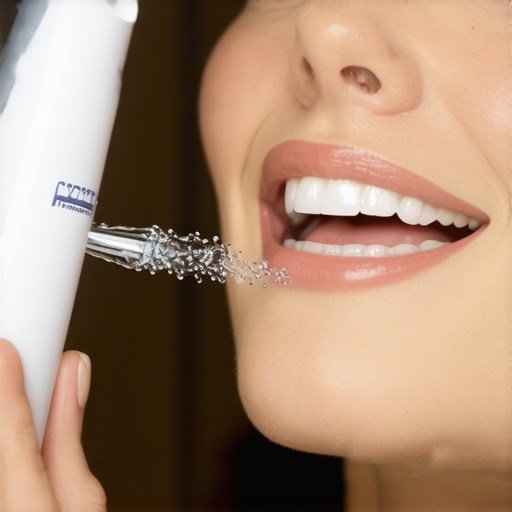
Image prompt: Close-up of a person’s hand holding a Waterpik water flosser with a clear water jet aimed between healthy teeth, emphasizing precision in dental care. Alt text: Person demonstrating the use of a water flosser for effective dental maintenance. Title: Effective Home Oral Hygiene with Water Flosser
Throughout my journey with dental transformations, I uncovered that the biggest lessons often come from unexpected experiences. One of the most profound insights was realizing that a perfect smile isn’t just about aesthetics; it’s about embracing the process and understanding the nuances behind each procedure. I learned that patience is crucial—what feels like a setback, like speech adjustments or minor sensitivities, is usually part of the growth. Moreover, maintaining your radiant smile involves ongoing education and awareness of the latest innovations, which can empower you to make informed decisions and enjoy lasting results.
What I Wish I Knew Before Diving Into Veneers and Whitening
The first lesson? No cosmetic procedure is entirely risk-free or instant. I used to believe that getting veneers or whitening was straightforward, but I quickly discovered the importance of choosing qualified specialists—trustworthy professionals use advanced techniques like smile design technology that can prevent many common issues. I also wish I understood how much ongoing maintenance matters—such as using tools like the Waterpik Ultra for hygiene or choosing effective whitening kits—to preserve my investment. These insights have transformed my approach from reactive to proactive, ensuring my smile stays beautiful over the years.
Keep Your Confidence Growing: The Unseen Battles and Triumphs
Beyond the procedures, I learned that the true power lies in your mindset. Facing temporary speech issues or sensitivity can be discouraging, but recognizing them as signs of your mouth adapting helped me stay motivated. Each small improvement, whether it was mastering pronunciation or preventing stain buildup, reinforced my commitment. Remember, your smile isn’t just a result of dental work—it’s a reflection of your dedication to care, patience, and continuous learning. Don’t shy away from seeking expert guidance or trying new tools like remineralization gels, which can give you peace of mind and a healthier smile for the future.