
Why Your Teeth Feel Chalky After a Professional Cleaning
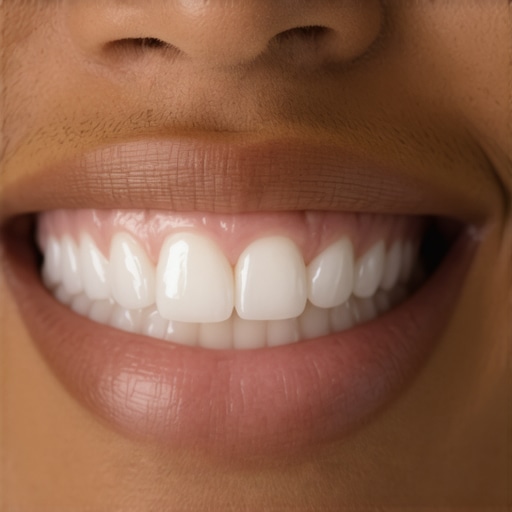
It happened right after my last dental visit — I felt that strange, powdery sensation on my teeth, like I’d just gnawed on a handful of chalk. I remember sitting there, puzzled and a bit uncomfortable, wondering if I’d somehow messed up my smile’s sparkle. Turns out, I’m not alone in this experience. Many folks report a similar feeling after a professional cleaning, and it can be surprisingly unsettling. But why does this happen, and more importantly, what can you do about it?
Unmasking the Chalky Feeling After a Dental Visit
For starters, let me share a little personal mistake I made early on — I thought the chalky sensation was a sign of poor hygiene or a failed cleaning. Spoiler: it’s usually nothing to worry about. The sensation is often caused by the removal of surface debris, plaque, and even tiny amounts of surface enamel during polishing. These procedures, while essential for a healthy smile, can temporarily leave behind a rougher surface that feels gritty or chalky.
Many articles, including insights from the American Dental Association, confirm that after polishing, teeth may feel unusual due to the abrasive agents used and the smoothening of enamel surfaces. Interestingly, it’s a common misconception that this chalky feeling indicates damaged teeth — in reality, it’s often just a transient sensation. But here’s the kicker: if the feeling persists or is accompanied by sensitivity, it might hint at underlying enamel erosion or other issues, so don’t ignore it.
In my experience, I learned the hard way that rushing to assume the worst isn’t helpful. I used to skip discussing these sensations with my dentist, which delayed proper advice. Now, I know that asking about these effects and understanding what’s normal can help tame anxiety and improve oral health care.
So, if you’ve ever left your dentist’s office feeling a bit powdery and unsure, keep reading. We’re about to explore exactly why this happens, how to distinguish normal sensations from concerning signs, and simple tips to help your teeth feel smoother and more comfortable — all based on real-world insights and expert advice.
Rinse and Wait Before Brushing
After your appointment, immediately brushing might amplify the gritty feeling because it pushes debris deeper into the surface. Instead, gently rinse your mouth with warm water to clear away loose particles. Wait at least 30 minutes before brushing to allow your enamel to recover from polishing. I once skipped this step, and my teeth felt worse afterward, leading to unnecessary discomfort.
Use Calm, Gentle Care Products
Switch to a soft-bristled toothbrush and a mild, fluoride-rich toothpaste that doesn’t contain harsh abrasives. This minimizes further surface wear and restores surface smoothness. I adopted this approach after noticing that aggressive brushing increased sensitivity, which subsided within a few days.
Avoid Hard or Whitening Toothpastes
Hard or whitening varieties often contain abrasives that can heighten the chalky feeling temporarily. Opt for a gentle formula during this period to prevent aggravating sensitivity or surface roughness.
Apply Enamel-Strengthening Treatments
Incorporate remineralization products like fluoride gels or calcium phosphate pastes into your routine. These help rebuild surface enamel, reducing the powdery sensation. Once, I used a remineralizing gel after a cleaning, and within a week, my teeth felt noticeably smoother and less gritty.
Monitor for Unusual Sensitivity or Persistent Discomfort
If the chalky feeling lingers beyond a week or is accompanied by pain, it might signal enamel erosion or micro-damage. In such cases, consult your dentist promptly for evaluation. I learned this the hard way when ignoring prolonged discomfort led to more complex issues.
Maintain Regular Dental Visits
Regular check-ups help monitor your enamel health and prevent issues that can cause sensations like this. Dentists can also recommend personalized care strategies to protect your enamel and maintain smooth surfaces. My experience with consistent visits assures me that proactive care makes a significant difference.
Many people assume that procedures like Invisalign, teeth whitening, and veneers are one-size-fits-all solutions, but that’s far from the truth. For instance, a common misconception is that Invisalign works perfectly for everyone; however, advanced cases with severe misalignment might require other orthodontic options. Rushing into whitening treatments without assessing enamel health can lead to increased sensitivity or uneven results, especially if the underlying issues like decay aren’t addressed first. An often-overlooked nuance is that veneers aren’t merely cosmetic; they can alter bite dynamics if not planned carefully, leading to functional problems down the line. As an expert, I emphasize the importance of comprehensive evaluations and individualized treatment plans, which many don’t realize are crucial for long-term success. Want to avoid the trap of one-size-fits-all solutions? Check out the detailed guide on [veneers vs. crowns](https://smilegumcare.com/veneers-vs-crowns-which-is-right-for-your-smile) to understand what suits your unique needs. Before jumping into cosmetic treatments, ensure your dental health foundation is solid—regular family check-ups set the stage for any aesthetic improvement, as discussed in [family dentistry tips](https://smilegumcare.com/family-dentistry-tips-creating-a-healthy-smile-for-your-kids-at-0915). Remember, a beautiful smile isn’t just about appearance but also about functional health, and rushing without proper assessment can lead to costly corrections later. Have you ever fallen into this trap? Let me know in the comments.When it comes to maintaining your family’s oral health, having the right tools can make all the difference. Personally, I swear by a multifaceted approach that blends technology with tried-and-true methods to ensure long-term results. One essential piece of equipment I rely on is a **sonic toothbrush**. Unlike manual brushes, its high-frequency vibrations effectively remove plaque, especially in hard-to-reach areas, which is crucial for busy families. I personally use the Philips Sonicare DiamondClean, as it offers multiple brushing modes and a pressure sensor to prevent over-brushing that can damage enamel. For adolescents and adults, this tool helps maintain oral hygiene between dentist visits and keeps my kids motivated with its advanced features.
Next up is the **water flosser**. I recommend the Waterpik Aquarius for its efficiency and ease of use. Regular flossing can be time-consuming and sometimes tricky for children, but water flossers make the process quicker and more comfortable, promoting daily flossing habits. They are especially effective for cleaning around braces, veneers, or implants, ensuring that plaque doesn’t settle in hard-to-reach spots. Personally, I incorporate it into my family’s nightly routine, and the noticeable decrease in gum inflammation has been impressive.
In terms of **home whitening**, I find that LED whitening kits, like the AuraGlow Advanced Teeth Whitening Kit, deliver noticeable results with minimal sensitivity. It’s a straightforward process: I apply the gel and use the LED mouthpiece for about 10-15 minutes. Regular use of such kits can help preserve a bright smile, especially after professional whitening sessions. To reinforce long-term results, I emphasize the importance of avoiding stain-causing foods and drinks.
For routine maintenance, I also keep a **remineralization gel** like MI Paste on hand. This product supplies calcium and phosphate to strengthen enamel and reduce sensitivity, which is particularly helpful after polishing or whitening treatments. I apply it weekly, especially during the holiday seasons when staining foods are more common.
Looking ahead, I believe the evolution of **artificial intelligence-driven dental apps** will revolutionize how we monitor oral health at home. Apps that analyze photos of your teeth can identify early signs of decay or gum issues, prompting timely visits. This technology, combined with smart tools, could lead to even better long-term outcomes.
How do I maintain these tools over time? Regular cleaning is vital. The sonic toothbrush head should be replaced every three months, and water flossers need descaling every month to prevent bacterial buildup. Sterilize your whitening trays and store them in a dry, clean place. By investing a few minutes weekly into maintenance, these tools can serve you well for years.
If you’re interested in elevating your dental routine, I highly recommend trying a **sonic toothbrush** with multiple modes. It’s an investment in your family’s health that pays off over the years. As Dr. Mark Malek, a renowned orthodontist, points out, “Consistent use of advanced oral hygiene tools enhances both aesthetics and function, reducing the need for costly cosmetic procedures down the line”.
Visit our [family dentistry page](https://smilegumcare.com/family-dentistry-building-healthy-smiles-for-every-generation) to explore comprehensive care strategies and ensure your family maintains healthy, beautiful smiles for years to come.
Having experienced the chalky, powdery feeling on my teeth after a dental cleaning, I realized that many others share this transient sensation and wonder if there’s more to it. The truth is, understanding the behind-the-scenes of dental procedures can empower you to navigate post-appointment feelings with confidence and care.
What I Wish I Knew When I First Felt That Powdery Surface
- It’s Usually Temporary: That gritty feeling often results from polishing agents and surface smoothing, not damage. Knowing this helped me stay calm and patient during my recovery.
- Don’t Rush to Brush: Immediately cleaning your teeth can intensify discomfort. Instead, gentle rinsing and waiting a bit can do wonders for surface recovery.
- Choose Gentle Products: Using soft-bristled brushes and mild toothpaste supports enamel healing. I learned that aggressive brushing only prolonged my sensitivity.
- Support Enamel Restoration: Remineralizing treatments strengthen your teeth, reducing grit and sensitivity. Incorporating products like fluoride gels made a tangible difference in my comfort.
- Recognize Persistent Signs: If the sensation persists beyond a week or is accompanied by pain, consulting your dentist is essential. Early awareness prevents unnecessary worry and promotes health.
The Little-Known Wisdom from My Dental Encounters
- Ask About Your Post-Cleaning Feelings: Your dentist can provide tailored advice, which I found invaluable for normalizing these sensations.
- Maintain Regular Check-Ups: Consistency helps catch early enamel issues that might cause lingering grit or sensitivity, as highlighted in family dentistry tips.
- Be Mindful of Cosmetic Treatments: Procedures like veneers and whitening can alter enamel, influencing post-care sensations. Personalized planning ensures long-term comfort.
- Use Advanced Tools Wisely: Technologies like sonic toothbrushes and water flossers have revolutionized home care, but understanding their proper use is key to avoiding additional surface abrasion.
The Impact of Knowing the Hidden Truths About Post-Cleaning Sensations
Knowing that your teeth’s gritty feeling after cleaning is often just a temporary phase has changed my approach to oral hygiene entirely. It’s encouraged me to adopt gentler routines, incorporate remineralization, and communicate openly with my dentist. This hidden knowledge not only reduces anxiety but also promotes a healthier smile that lasts long beyond the chair.
My Most Valuable Family Dentistry Secrets
- Invisible aligners are great, but personalized care makes a real difference in comfort and results.
- Professional whitening isn’t just about brightness—it’s about understanding your enamel’s condition beforehand, which many overlook.
- Veneers can transform your smile, but only with careful customization and continuous post-treatment monitoring.
- Using the right tools, like a sonic toothbrush and remineralizing gels, supports both aesthetic goals and long-term health.
Stay Curious, Stay Smile-Focused
Your journey to a healthier, more radiant smile is ongoing. Embrace knowledge, ask questions, and trust your dental team to guide you through every sensation—whether gritty or smooth—as part of your unique story. The secrets behind post-cleaning sensations are just the tip of the iceberg; the real reward lies in prioritizing your long-term oral health.
Have you ever been surprised by a post-dental feeling and wondered if it was normal? Share your experience below—I’d love to hear how you navigated it!
,