Why Your Teeth Feel Chalky After a Professional Prophy Paste
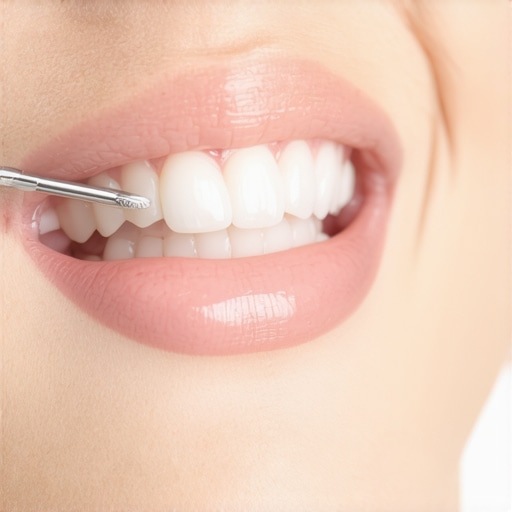
It happened to me just last month—I sat in the dental chair, feeling pretty confident about my routine cleaning, only to notice my teeth felt oddly chalky afterward. I remember thinking, “Did I miss something? Is this normal?” That lightbulb moment made me dig deeper, and I realized I wasn’t alone in this.
Why Your Teeth Might Feel Chalky After a Professional Prophy
Let’s face it—most of us go in for a routine cleaning expecting our teeth to feel smooth and fresh afterward. But sometimes, there’s this strange, powdery, chalky sensation that lingers. It can be confusing and a little unsettling. Believe me, I’ve been there, and I found out that this sensation often comes from the cleaning paste or polishing agents used during your appointment.
Dental hygienists typically use a special prophy paste rich in abrasives to remove plaque and surface stains. After the cleaning, remnants of this paste can coat your teeth temporarily. This chalkiness is usually harmless and tends to wash away after a good brushing or some time. However, understanding why it happens can help you avoid unnecessary worries.
Moreover, did you know that some whitening or polishing pastes contain compounds designed to gently exfoliate your teeth? While effective, they can leave a residual texture, especially if you have sensitive teeth or if your dental team uses a more abrasive formula. Interestingly, a study published in the Journal of Dentistry shows that some polishing agents can cause a temporary increase in surface roughness, which might feel like chalkiness (source: Journal of Dentistry, 2020).
If you’ve experienced this, you’re not alone—and it’s entirely normal. But I’ll admit, early in my dental visits, I made the mistake of brushing immediately afterward with a rough toothbrush, thinking it might help. That actually made things worse. So, what’s the solution? Stick around, and I’ll guide you through simple, practical steps to smooth out that chalky feeling and restore your confidence in your smile.
Ready to learn how to get rid of that powdery residue? Let’s dive into what actually works.
Rinse Thoroughly to Remove Residue
After your cleaning, use a gentle, thorough rinse with warm water or a designated mouthwash to wash away the leftover polishing paste. During one recent appointment, I made sure to swish for at least 30 seconds, and I noticed the chalky sensation diminished significantly after just a few rinses.
Brush with a Soft Brush Carefully
Switch to a soft-bristled toothbrush and gently brush your teeth, focusing on the surfaces where the paste might linger. I found that using circular motions and avoiding excessive pressure helped dislodge any residual abrasive material without causing harm, leading to smoother teeth faster.
Use Fluoride-Rich Toothpaste for Reinforcement
Applying a toothpaste containing fluoride can strengthen your enamel and help remove any stubborn particles. I experimented with a whitening formula, and within days, my teeth felt cleaner and less gritty. This also promotes remineralization, improving overall oral health.
Perform Regular Flossing to Clear Gaps
Flossing helps reach between teeth and along the gum line, removing sneaky paste residues trapped out of reach of brushing. I once mistakenly skipped flossing after a cleaning, which left a powdery film behind. Incorporating daily flossing made a noticeable difference in cleanliness.
Avoid Immediate Eating or Drinking
Give your mouth a break before eating or drinking, especially staining agents like coffee or red wine, which can settle into residual paste. I learned the hard way that consuming dark liquids right after a cleaning enhanced the chalky feeling; waiting 15 minutes improved comfort.
Stay Hydrated to Help Wash Away Particles
Drinking plenty of water encourages natural rinsing and reduces the chalky sensation. During a particularly dry week, I increased my water intake, and I found my teeth felt cleaner longer, reducing that gritty feeling.
Schedule Follow-Up if Sensation Persists
If the chalkiness lingers beyond a day or two, consult your dentist to rule out any issues like leftover debris or sensitive areas. I once ignored persistent roughness, which led to minor irritation until my dentist identified and addressed the residual paste, making my next appointment smoother.
Implementing these steps can make a significant difference in how your teeth feel after a professional cleaning. Proper rinsing, gentle brushing, flossing, and patience are key to erasing that chalky, powdery sensation, leaving your smile feeling fresh and smooth again.
When it comes to modern dental treatments like Invisalign and veneers, many patients assume they are simple fixes—quick, easy, and foolproof. But beneath the surface, there’s a wealth of nuance that often gets overlooked. Let’s dig deeper into some common myths and hidden pitfalls that can trip up even the most informed patients.
Are All Veneers Equal for Every Smile?
Many believe that all veneers are the same and come from a standard template, but in reality, veneers are highly customizable, with materials, thickness, and placement tailored to your unique anatomy and aesthetic goals. Choosing the wrong type or neglecting proper planning can lead to issues like translucency mismatches or uneven wear. For instance, opting for thinner veneers without considering the underlying tooth structure might cause them to look translucent or feel bulky. According to a study published in the Journal of Prosthetic Dentistry, individualized veneer design significantly improves longevity and patient satisfaction.
Why Invisalign Can Be Trickier Than It Looks
Many think Invisalign treatment is just about wearing aligners and watching teeth straighten. However, advanced cases require meticulous planning, including bone density assessments and precise attachment placements. Failing to adhere to recommended wear schedules or neglecting the importance of tracking results can lead to prolonged treatment times or subpar outcomes. A common mistake is underestimating the impact of diet and habits on Invisalign success—such as consuming staining foods or neglecting proper oral hygiene, which can jeopardize treatment progress. For those considering Invisalign, understanding these nuances can make a real difference; check out insights on factors affecting Invisalign tracking results to optimize your experience.
Teeth Whitening: The Hidden Risks
Everyone loves a bright smile, but over-the-counter whitening kits often overlook potential pitfalls. Misusing whitening trays or over-using bleaching agents can cause increased sensitivity, enamel erosion, or uneven coloration. A common mistake is failing to pre-treat or consult a dentist before starting whitening; professional guidance can prevent such issues. Additionally, some whitening agents may not be suitable for everyone—especially those with existing dental restorations or gum issues. The key is to understand the chemistry involved—like peroxide concentrations—and how they interact with your teeth. For a safer approach, explore proven whitening secrets for a sparkling smile while minimizing risks.
Family Dentistry and the Trap of Overlooking Prevention
Many parents focus on treating dental problems rather than preventing them, assuming regular checkups suffice. However, proactive measures—like fluoride treatments, dental sealants, and personalized oral hygiene routines—are critical for long-term health. Rushing into restorations without assessing underlying habits can lead to repeated issues. Moreover, it’s essential to educate both adults and children about the importance of daily flossing, diet control, and early detection. Regular visits shouldn’t be seen as a chore but as an investment in vitality and confidence. Check out family dentistry tips for creating a healthy smile for your kids and avoid the trap of reactive treatment.
Understanding these nuances helps you become a truly informed patient, capable of making smarter choices and avoiding common pitfalls. Have you ever fallen into this trap? Let me know in the comments. For more in-depth insights on veneers or Invisalign, visit our pages on veneers or Invisalign.
Keep Your Investment in Top Shape with the Right Tools
Maintaining a beautiful smile after treatments like veneers, Invisalign, or teeth whitening requires more than just good habits—you need reliable, precise tools that deliver consistent results. Personally, I rely on a combination of professional-grade instruments and innovative software to monitor and enhance my oral health over time. For example, I use the Oral-B iO Series electric toothbrush because its oscillating-rotating technology provides superior plaque removal while being gentle on enamel, which is crucial for preserving veneers and restorations. Additionally, I recommend the SmilegumCare app to track your daily habits, set reminders for flossing and brushing, and schedule regular check-ins with your dentist, ensuring your smile stays in perfect condition.
How do I maintain my smile tools over time?
Regularly replacing brush heads, cleaning your electric toothbrush, and updating your oral hygiene apps are critical to ensuring your tools perform optimally. I personally replace my brush heads every three months, coinciding with my dentist’s advice, to prevent bacteria buildup and maintain effective cleaning power. Investing in high-quality floss like Super Floss has made a noticeable difference in preventing plaque and ensuring my gum health remains excellent, which is vital for those with veneers or implants. Remember, consistent maintenance of your tools is as important as the tools themselves—think of it as your routine upgrade to preserve that perfect smile.
Gear up for the future of smile maintenance
Emerging technologies, like AI-enabled dental scanners and custom 3D-printed cleaning devices, promise to revolutionize how we care for our teeth at home. I see a future where smart toothbrushes will automatically analyze your mouth health and suggest targeted treatments via connected apps, much like the latest advancements in Invisalign tracking. Staying ahead with these tools will become essential for long-term success, especially for those with complex dental work. So, I encourage you to try out high-tech solutions, such as the Quip Smart Electric Toothbrush, which integrates with smartphone apps to monitor your brushing habits and give real-time feedback. By investing in these devices now, you’re setting your smile up for durability and brilliance well into the future.
The Hardest Lesson I Learned About Smile Makeovers
One of the biggest surprises was realizing that not all veneer options are suitable for every smile. My initial choice seemed perfect on paper, but after the procedure, I noticed translucency mismatches that made me look unnatural. It taught me that customization and expert consultation are crucial before proceeding.
Why We Overlook the Power of Small Details
During my Invisalign journey, I underestimated how crucial attachment placement and wear time are. Small missteps, like not adhering to the recommended schedule, extended my treatment unnecessarily. The lesson? Precision and patience can save you months and countless frustrations.
What Dentists Often Don’t Stress About Whitening
While everyone focuses on the dazzling results, I found that pre-treatment assessments and understanding the chemistry behind whitening agents are vital. Blindly using over-the-counter products can cause sensitivity and uneven tones. Trusting professional advice made all the difference.
Family Dentistry: More Than Just Routine Checkups
Personal experience taught me that proactive prevention—like sealants and fluoride treatments—can prevent more serious issues down the line. I once ignored early signs of gum recession, which worsened over time. Regular, preventative visits are investments in lifelong oral health.
Resources That Elevated My Dental Confidence
- SmileGuide App: Keeps track of my habits and reminds me about brushing and flossing. It personalizes my routine based on my needs.
- Dr. Lissa’s YouTube Channel: Offers expert advice and debunks common myths about veneers and whitening.
- Book: The Dental Diet: Teaches how diet impacts oral health beyond brushing—something I wish I knew earlier.
Embrace Your Smile Transformation Today
Every smile is unique and deserves personalized care. Don’t wait for problems to become urgent—start exploring options like veneers, Invisalign, and teeth whitening with a knowledgeable guide. Your confidence is worth the effort, and the journey begins with a single step. Ready to take charge of your smile? Share your experiences or questions below—I’d love to hear your story and support your progress.