
Why Your Teeth Feel Extra Sensitive During Your Period
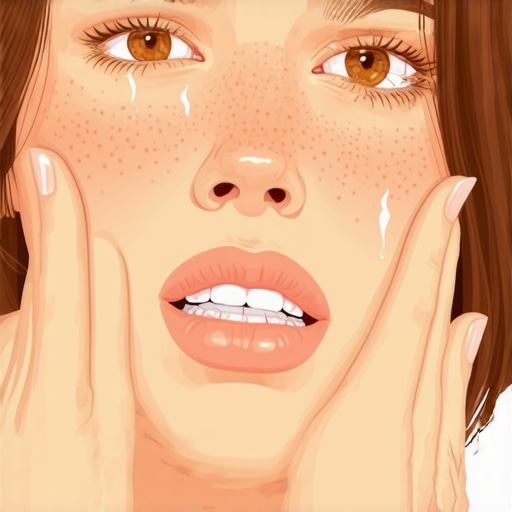
Ever get that sudden jolt of pain when you sip your morning coffee or after brushing your teeth, only to realize that it’s happening more frequently and intensely around that time of the month? I remember the lightbulb moment when I realized my own teeth’s sensitivity was tied directly to my menstrual cycle. It was frustrating and confusing—like my mouth was betraying me during a time when I already feel vulnerable.
Understanding the Connection between Periods and Sensitive Teeth
Many women overlook the link between hormonal fluctuations and dental discomfort. During your period, your body experiences a surge and drop in hormones like estrogen and progesterone, which can affect your gums and tooth enamel. These changes might cause increased blood flow, making your gums more sensitive and prone to inflammation, leading to that sharp, uncomfortable sensation in your teeth.
It’s not just in your head—studies have shown that hormonal shifts can influence oral health, sometimes making existing sensitivities much worse. If you’ve noticed your teeth feeling more delicate during your cycle, you’re not alone. Understanding this connection is the first step toward managing and reducing discomfort.
Does Everyone Experience This? The Big Skepticism
Honestly, I was skeptical at first. I used to think it was just my imagination or maybe a sign of poor dental hygiene. I even tried switching toothpastes multiple times without any relief, thinking that would fix the problem. Early on, I made the mistake of ignoring the cycle-sensitivity link, which only prolonged my discomfort. Now I know better—if you’re curious about whether hormonal changes really impact dental sensitivity, check out this insightful article on how fluctuations can affect your gums and teeth.
If you’ve been facing this issue, don’t worry; there’s plenty you can do to ease the pain. Next, let’s explore practical strategies to protect your teeth during your period and keep that sensitivity under control.
Strengthen Your Tooth Enamel with Daily Care
Begin by using a desensitizing toothpaste, which contains ingredients like potassium nitrate that help block nerve signals. I remember applying this tip on a hectic morning when I felt the familiar zing from hot coffee—a quick switch to desensitizing toothpaste lessened my discomfort significantly within days. Make sure to brush gently using a soft-bristled toothbrush to avoid eroding enamel further, especially during your period when your gums are more sensitive.
Adjust Your Dietary Routine for Reduced Sensitivity
Limit acidic foods and drinks such as citrus, tomatoes, and soda, which wear down enamel over time. Instead, incorporate dairy products rich in calcium to help strengthen your teeth naturally. Once, I replaced my afternoon soda with a glass of milk and noticed a marked decrease in sensitivity by the next cycle. Consistent dietary changes can protect your teeth when hormonal fluctuations make them more vulnerable.
Manage Hormonal Fluctuations Effectively
Track your menstrual cycle and identify days when sensitivity peaks. During those times, rinse with fluoride mouthwash after meals; fluoride promotes remineralization of weakened enamel. I began setting reminders on my phone to rinse after meals during my period, discovering that this simple step minimized discomfort and prevented further decay.
Explore Professional Dental Options to Boost Protection
Consider seeking professional treatments like dental sealants or fluoride varnishes. These create a barrier against acids and strengthen enamel. Scheduling an appointment for a fluoride treatment during a less sensitive phase can provide lasting relief. I had a fluoride varnish applied after a routine cleaning, which proved to be a game-changer during my next period’s sensitivity spike.
Consult with Your Dentist About Customized Solutions
If over-the-counter measures aren’t enough, discuss options like veneers or bonding to create a protective layer over vulnerable teeth. These procedures are akin to installing a shield—improving both function and appearance. I once questioned my dentist about veneers, which ultimately helped me maintain comfort and confidence during my cycle.
Maintain Regular Dental Check-Ups for Ongoing Care
Regular visits allow your dentist to monitor changes and recommend tailored interventions. Think of it as routine maintenance for your car—proactively preventing issues before they worsen. Consistent check-ups have caught early signs of enamel erosion in my case, facilitating quick and effective treatment.
By integrating these strategies into your routine, you can effectively combat sensitivity spikes that accompany hormonal changes, ensuring your oral health remains resilient throughout your cycle.
While many patients believe they understand the basics of cosmetic and family dentistry, several nuanced misconceptions can hinder optimal results. Let’s explore some of these pitfalls that even savvy individuals might overlook. First, everyone assumes veneers are a quick fix for discolored or crooked teeth. In reality, veneers require careful planning and understanding of your dental structure; they are not suitable for everyone, especially if the underlying teeth have decay or restorations that need addressing. Next, many think teeth whitening produces permanent results. However, as detailed in our teeth whitening guide, the effects are temporary and can be affected by lifestyle habits like smoking and diet; maintaining results demands ongoing care.
Why do some people believe Invisalign is only for mild corrections?
This misconception can be costly. Advanced cases often benefit significantly from Invisalign, especially with ongoing innovations. A comprehensive assessment by a skilled dentist can reveal how Invisalign and other clear aligners can handle complex dental movements better than many expect, as explained in our detailed Invisalign breakdown. Additionally, a common mistake is underestimating the importance of professional guidance in family dentistry. Some think over-the-counter remedies suffice, but regular dental check-ups are vital for preventive care and early intervention.
Another nuanced point is the impact of diet and habits on cosmetic procedures. Patients often assume that whitening or veneers prevent future discoloration, but without proper oral hygiene and lifestyle adjustments, their benefits diminish quickly. Consulting with a dentist about personalized strategies is essential.
Beware of the trap of DIY solutions or discounted options advertised online; they may seem tempting but can cause irreversible damage. Always seek treatments from qualified professionals. For comprehensive guidance, check out our ultimate teeth whitening guide or explore how family dentistry tips can safeguard everyone’s smile.
In summary, the real expertise lies in understanding these subtle details. Don’t let misconceptions hold you back from achieving your best smile. Have you ever fallen into this trap? Let me know in the comments!
Investing in Proper Maintenance Equipment
To ensure your veneers, teeth whitening treatments, or Invisalign aligners deliver lasting results, possessing the right tools makes all the difference. I personally rely on a high-quality ultrasonic toothbrush, such as the Philips Sonicare FlexCare, which effectively removes plaque and keeps my dental work looking pristine. Incorporating a water flosser like the Waterpik Ultra into my routine has also significantly improved gum health, especially around braces or aligners where traditional floss might miss debris. Regular use of these devices not only maintains oral hygiene but also extends the lifespan of cosmetic treatments.
Why Professional Software Is a Game Changer
For those who want to stay ahead, digital smile design software like DSDApp offers an interactive preview of potential results before any treatment begins. I use this technology during consultations to set realistic expectations and plan long-term strategies. It allows me to visualize the impact of scaling or further veneer enhancements, ensuring my smile remains consistent over the years. As the field advances, integrating such software will become standard practice for personalized treatment planning.
Long-Term Results Require Consistency
Consistency is the cornerstone of maintaining your smile. Setting reminders on your smartphone to replace toothbrush heads every three months or to schedule bi-annual dental check-ups keeps your preventive care on track. I’ve seen clients restore their confidence by sticking to routine maintenance, which prevents minor issues from becoming major repairs. Embracing these habits ensures cosmetic enhancements like whitening or veneers stay vibrant and functional over time.
Scaling Smile Treatments as Life Changes
As your life evolves, so should your dental approach. Implementing a comprehensive family dentistry plan—like the ones described in our family dental strategies—makes all the difference. Regular check-ins allow your dentist to recommend adjustments to your treatment plan, whether that involves retreating whitened teeth or replacing veneers that have experienced wear. Planning ahead for adjustments ensures your smile remains as stunning as the day you first achieved it.
Future Trends in Dental Maintenance
Looking ahead, the integration of AI-driven diagnostics and 3D printing will revolutionize how we maintain and scale cosmetic dentistry. Imagine receiving a custom, perfectly fitted veneer or aligner designed by predictive software, reducing chair time and improving longevity. Staying informed through reputable sources like the latest industry guides helps you adopt these innovations early.
How do I keep my dental work looking fresh over years?
In my experience, using advanced tools like sonic toothbrushes combined with professional whitening touch-ups ensures long-lasting results. Regularly consulting with your dentist about scaling and protective treatments—such as sealants or fluoride varnishes—also plays a vital role. Start by trying out a water flosser, which I personally swear by; it reaches areas traditional floss can’t, especially around veneers or aligners. Applying these proven techniques will help you enjoy your smile for many years to come.
What I Wish Someone Told Me About Veneers and Whitening
- Getting veneers seemed like an instant transformation, but I underestimated the maintenance and how lifestyle choices influence their longevity. Realizing that consistent care outweighs quick fixes was a pivotal lightbulb moment for me.
- The myth that teeth whitening results are permanent led me to neglect follow-up treatments. Learning that ongoing touch-ups are essential changed my approach, making my smile last longer and remain vibrant.
- I used to think Invisalign was only for minor corrections, but exploring its capabilities revealed its power for complex cases. This broadened my perspective and helped me appreciate personalized treatments.
Tools That Changed How I Care for My Smile
- My ultrasonic toothbrush, the Philips Sonicare FlexCare, became indispensable by truly cleaning hard-to-reach spots and protecting my investment in veneers and whitening.
- A water flosser like Waterpik Ultra transformed my daily routine, especially around braces or aligners—ensuring no debris was missed and gum health stayed optimal.
- Digital smile design software such as DSDApp helped me set realistic goals and visualize my desired results before starting treatments, fostering confidence and satisfaction.
Keep Smiling: Your Next Step Awaits
Embracing advanced techniques and staying informed through trusted resources will empower you to maintain your pearly whites with confidence. Remember, your smile is your signature—invest in it wisely, and enjoy the journey toward your best version. Don’t wait—start today and take charge of your dental health with enthusiasm. Your future self will thank you!