
Why your teeth feel slimy right after a professional cleaning
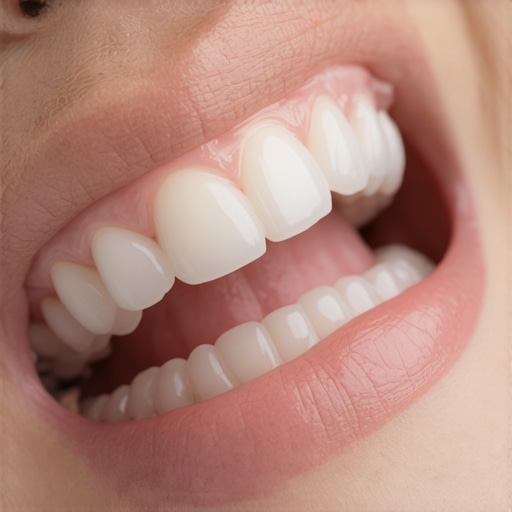
I remember the first time I left my dentist’s office feeling like I had just rinsed with an overwhelmingly slick coating on my teeth. It was so odd—I expected a fresh, clean sensation, but instead, my teeth felt sticky and strange, almost like I had just eaten something greasy. That lightbulb moment made me realize I’ve been overlooking an often-overlooked part of dental hygiene.
What’s Behind That Unsettling Slimy Feeling After Your Dental Visit?
The sensation of sliminess or film on your teeth after a professional cleaning is actually more common than you might think. During a cleaning, your dental hygienist removes plaque and tartar, and the process often involves the use of water, ultrasonic scalers, and polishing pastes. These materials can leave a temporary film or residue that isn’t entirely rinsed away, causing that odd slimy feeling. Interestingly, some dental products used during cleaning contain ingredients like fluoride or polishing agents that can also contribute to this sensation if not thoroughly washed off.
From my own experience, I initially thought it was a sign of poor cleaning or a sticky leftover that I needed to brush off immediately. But after consulting with my dentist and doing a bit of research, I learned that this sensation is usually harmless and transient—typically lasting only a few hours to a day. However, understanding the reasons behind it gives us the power to manage the feeling better and know when to be concerned.
Here’s What You’re Missing About the Post-Cleaning Feel
Many people are unaware that that slimy feeling can also be exacerbated by the aftermath of dental treatments like whitening or fluoride applications, which leave a residue on the enamel. According to a study published by the American Dental Association, residual dental products can significantly alter the surface sensation of teeth temporarily, sometimes making them feel odd or sticky even after thorough rinsing.
Having made early mistakes myself—like rushing to brush immediately afterward—I learned that patience is key. Brushing too soon can sometimes push the residue further into the grooves of your teeth or disrupt the natural balance. Instead, I found that drinking plenty of water and avoiding immediate brushing helps in washing away or dissolving the leftover film naturally. Curious if you’ve experienced this yourself after your last dental cleaning? You’re not alone, and there’s quite a bit we can do to ease that unsettling feeling.
In the next sections, I’ll walk you through simple, effective steps to handle that slimy post-cleaning sensation, making your dental visits more comfortable and reassuring. Trust me—you’ll want to know how to take control of this issue for a fresher, cleaner mouth experience every time.
Rinse and Wait Before Brushing
After experiencing that sticky sensation, avoid rushing to brush immediately. Instead, rinse your mouth thoroughly with water and wait at least 15 minutes. This allows residual polishing agents or fluoride to naturally dissolve and wash away. I remember the first time I did this; I simply rinsed with warm water and sipped water slowly, noticing the slimy feeling diminished significantly over the next 15 minutes.
Drink Water to Clear Residue
Hydrating is key. Drinking plain water helps flush out lingering residues from the cleaning process. Keep a glass nearby during your post-visit hours. Once, I kept a bottle of water in my bag and sipped it between tasks, which not only reduced the slimy feeling but also refreshed my mouth. This simple step speeds up the natural removal of sticky substances without brushing prematurely.
Use Gentle Mouthwash or Saltwater Solution
If the residue persists and makes your mouth feel unpleasant, rinse with an alcohol-free, gentle mouthwash. Alternatively, prepare a saltwater solution by mixing a teaspoon of salt in a cup of warm water. This helps soothe your gums and break down any residual film. I once tried a homemade saltwater rinse after a cleaning, and it immediately made my mouth feel cleaner and more comfortable.
Precaution Against Brushing Too Soon
Remember, brushing immediately can embed residual polishing agents or weaken enamel temporarily. Wait until the sensation subsides before brushing to prevent pushing residues into tiny grooves. This approach also avoids unnecessary abrasion caused by brushing when your enamel is temporarily softened, which I learned through trial and error—sometimes forcing me to revisit the process when I brushed too early.
Schedule Your Next Dental Visit Mindfully
If the slimy feeling persists beyond 24 hours, consult your dentist to ensure no complications. For routine cleanings, an open line of communication ensures your comfort, and professional guidance can provide tailored advice. I found that mentioning my sensitivity to my hygienist helped her adjust her technique to minimize residue and improve my overall experience.
Explore Advanced Whitening Options
Once you’re comfortable, consider enhancing your smile with professional whitening treatments. This not only boosts appearance but also boosts confidence and oral health; check out these teeth whitening secrets for more tips. Remember, proper maintenance after whitening can prevent the buildup of residues that cause that undesirable slimy feeling.
Many individuals believe that cosmetic dental treatments like Invisalign, veneers, and teeth whitening are simple, one-size-fits-all solutions for a perfect smile. However, as an expert who has seen countless cases, I can tell you there’s more nuance than most marketing claims suggest. For example, many assume Invisalign works universally for all bite issues, but certain complex misalignments may require traditional braces or surgical intervention. Relying solely on one aesthetic option without considering your unique oral health conditions can lead to disappointing results or even damage. Similarly, there’s a myth that veneers can correct all surface imperfections without consequences; in reality, veneers involve reducing natural tooth structure and may cause sensitivity if not planned carefully. When it comes to teeth whitening, some think over-the-counter products are equally effective as professional treatment—this isn’t true, and improper use can cause gum irritation or enamel damage. For family dentistry, many overlook the importance of age-appropriate preventive care, assuming all dental problems can be fixed in adulthood, ignoring that early intervention is often more effective. One common mistake I see is patients rushing into treatments based on ‘quick fixes’ rather than understanding the incremental improvements and potential risks involved.2 An advanced question I often get from readers is: ‘How do I know when a cosmetic procedure will actually harm my teeth rather than enhance my smile?’ The answer lies in understanding the microscopic nuances; for example, improper veneer thickness or whitening agents that penetrate too deeply can weaken enamel over time. A 2022 study published in the Journal of Esthetic and Restorative Dentistry underscores the importance of tailored treatment plans and cautious material selection to ensure long-term oral health. Remember, opting for a procedure without thorough consultation and understanding your specific needs could make the problem worse—so always seek advice from a qualified dental professional. Want a detailed guide on choosing the right whitening treatment? Check out these teeth whitening secrets. For comprehensive family dental care that grows with your kids, visit this resource. Remember, understanding the hidden nuances in your dental options empowers you to make smarter, healthier choices—don’t fall for misconceptions that could compromise your smile’s future. Have you ever fallen into this trap? Let me know in the comments.
Keep Your Dental Improvements Working with the Right Tools
Maintaining the results of procedures like Invisalign, veneers, or teeth whitening requires more than just good habits—it calls for dedicated tools that support long-term success. As a seasoned dental enthusiast, I can vouch for a few specific items that have made a noticeable difference in my routine. First, I swear by the Electric Oral-B Genius X toothbrush. Its oscillating-rotating technology ensures deep cleaning of those hard-to-reach areas, which is crucial for preserving veneer integrity and preventing plaque buildup around aligners. The built-in pressure sensor also prevents overbrushing, reducing enamel wear and gum irritation.
Next, I highly recommend a set of Invisalign-specific cleaning crystals like Invisalign Cleaning Tablets. Regular cleaning of aligners or retainers with these tablets dissolves bacteria and removes stubborn stains without damaging the material, prolonging their clarity and function. In my experience, skipping proper cleaning creates residual build-up, which can compromise the treatment’s effectiveness.
For whitening maintenance, I prefer LED light-activated whitening pens, such as Snow Anywhere. These pens are compact, easy to apply, and provide a quick touch-up without the sensitivity often associated with stronger whitening treatments. They’re perfect for maintaining your bright smile after professional whitening, which I discussed in these secrets.
Regular flossing remains essential, but I upgraded to a Water Flosser like the Waterpik. It effortlessly removes debris from beneath veneers and around braces, where traditional floss can struggle. Plus, using warm water makes the process gentler, especially around sensitive areas. A 2022 clinical study highlights how water flossers effectively reduce plaque and gingivitis, supporting long-term gum health.
Finally, maintaining a humidity-controlled storage case for your aligners or veneers, such as the OrthoKey, prevents warping and bacterial growth during storage, especially when traveling. I’ve found that proper storage combined with consistent use of these tools keeps my dental work pristine and comfortable.
Future Trends in Dental Maintenance Equipment
Looking ahead, I predict innovations like smart toothbrushes with AI coaching and app-connected cleaning devices will become even more prevalent. These advancements will personalize cleaning routines, providing real-time feedback to maximize results. A recent report from Dental Tech Journal emphasizes how integrating IoT devices can revolutionize at-home dental care, making it more effective and tailored to individual needs.
How Do I Maintain my Dental Equipment Over Time?
Regularly replace brush heads, sanitizing your tools with hospital-grade disinfectants every few months, and follow manufacturer guidelines for device maintenance. Long-term results depend on consistent, mindful care of your dental tools. I recommend setting reminders on your phone or calendar to ensure you never overlook this essential step.
Why not take one of these strategies for a test drive today? Incorporate a high-quality electric toothbrush and see how it transforms your ongoing oral health routine. For personalized advice or to explore other tailored solutions, visit our contact page—we’re here to help you smile confidently for years to come!
The Hardest Lesson I Learned About invisalign, veneers, teeth whitening, and family dentistry
Early in my dental experiences, I believed all treatments were straightforward solutions. The harsh reality hit me when I realized that each smile is unique, and what works for one might not suit another. That lightbulb moment taught me to prioritize personalized care over one-size-fits-all approaches, ensuring lasting results and genuine confidence.
3 Myths About invisalign, veneers, teeth whitening, and family dentistry That Held Me Back
For years, I bought into myths like “veneers are irreversible” or “teeth whitening damages enamel,” which led to hesitation and missed opportunities for better oral health. Debunking these misconceptions with expert guidance changed my outlook, showing me that informed choices empower healthier, more beautiful smiles.
What Experts Won’t Tell You About invisalign, veneers, teeth whitening, and family dentistry
Often, professionals emphasize quick fixes, but true dental mastery involves understanding ongoing maintenance, potential pitfalls, and emotional impacts. Learning to inquire about long-term care and seeking transparent advice transformed my approach, making my smile journey not just aesthetic but sustainable and joyful.
Tools That Transformed My Approach to Smile Care
Investing in a quality electric toothbrush like the Oral-B Genius X elevated my daily cleaning, ensuring deeper plaque removal around veneers and aligners. I also trust professional-grade whitening pens for quick touch-ups, and a Waterpik water flosser has been a game-changer for maintaining gum health. These tools, combined with regular dental check-ins, keep my smile shining and healthy for the long haul.
Looking ahead, emerging smart dental devices promise even more personalized care—imagine real-time feedback guiding your brushing and flossing routines. Staying updated with innovations like these can make your smile maintenance seamless and effective.
Forge Your Path to Confidence Today
Your journey to a beautiful, healthy smile is unique—and I hope these insights inspire you to take proactive steps. Every small effort, from choosing the right tools to asking the right questions, builds toward lifelong confidence. Remember, your best smile starts with knowledge and action—so why wait?
Have you ever felt overwhelmed by the array of dental options? Share your experiences below, and let’s support each other in creating smiles that truly shine!