
Why Your Teeth Feel Sticky Even Right After You Brush
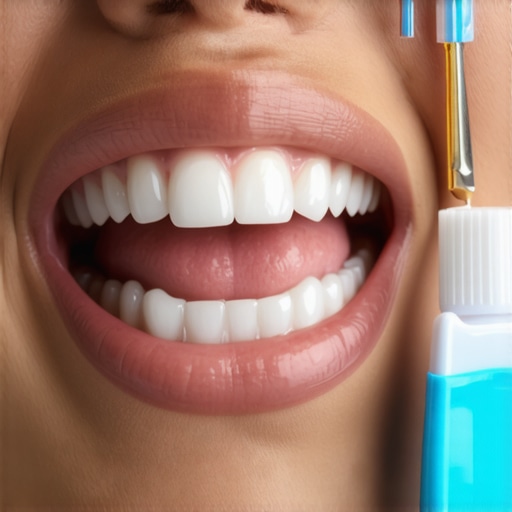
It was a bright Saturday morning when I finally noticed something strange—my teeth still felt sticky, even after brushing for what felt like forever. I mean, I had just spent two minutes scrubbing away, making sure every surface was squeaky clean, and yet, I could still feel that unpleasant gooiness lingering. Frustration set in. Had I done something wrong? Or was this just part of the dental deal I didn’t fully understand?
What’s Really Going on When Your Teeth Feel Sticky Post-Brushing
Let’s be honest. When you brush, you expect that fresh, clean feeling—like a fresh start for your smile. But sometimes, no matter how diligently you brush, your teeth still feel coated in something slimy or sticky. What’s the deal?
Well, the truth is, that sticky sensation often isn’t caused by your toothbrush or toothpaste alone. It could be a buildup of plaque, residual saliva, or even mineral deposits that haven’t rinsed away. Sometimes, it’s a sign that your mouth’s natural balance is a bit off, or you might be using products that don’t do the job as well as you think.
And here’s a little insider tip: Many people assume they need stronger toothpaste or more vigorous brushing, but that can actually do more harm than good. Over-brushing can irritate your gums or wear down enamel, leading to increased sensitivity and, ironically, more debris sticking around.
Interestingly, research shows that a thin film of plaque—those sticky bacteria colonies—can be stubborn, especially if you aren’t flossing or cleaning your tongue thoroughly. This film creates an uncomfortable coating that just refuses to go away, no matter how many times you rinse or brush.
If this sounds all too familiar, you’re definitely not alone. So, what’s the fix? Well, that’s what we’re going to explore next. But before we dive in, ask yourself: have you ever experienced this lingering stickiness, and wondered what you might be missing?
Is It Time to Rethink Your Oral Hygiene Routine?
I remember making a crucial mistake early on—I thought brushing more vigorously would solve my problem. Spoiler alert: it didn’t. Instead, I irritated my gums, and the sticky feeling persisted. That’s why I prioritize gentle, effective cleaning along with other habits, like regular flossing and tongue scraping.
So, if you’re tired of the sticky, unpleasant aftermath of brushing, stick around. We’ll uncover proven strategies to truly refresh your mouth and leave that slimy feeling in the past. Ready to transform your oral care routine? Let’s go.
Master Your Oral Hygiene Routine with Precise Steps
When your teeth feel sticky after brushing, it indicates residual debris or plaque sticking around. To tackle this effectively, follow these targeted actions to ensure a clean, fresh mouth.
Switch to Gentle, Effective Brushing
Use a soft-bristled toothbrush and apply gentle pressure. I recall a time I was tempted to scrub harder, thinking it would rid me of the residue. Instead, I caused gum irritation, which worsened the sticky sensation. Maintain a rhythmical motion covering all surfaces for two minutes, focusing on molars and tongue. This prevents gum damage and ensures thorough cleaning.
Incorporate Flossing into Your Routine
Floss daily to remove plaque and debris trapped between teeth. I once neglected flossing and noticed the sticky feeling lingered longer, especially around crowded teeth. Proper flossing disrupts plaque colonies, which are like stubborn bacterial mats that brushing alone can’t remove. Slide the floss gently between teeth, curving it around each tooth in a C-shape, and move it up and down to lift debris effectively.
Utilize Tongue Scraping
The tongue harbors bacteria and leftover particles contributing to the sticky sensation. I started tongue scraping with a stainless steel tool, which significantly improved my mouth’s freshness. Extend the scraper from back to front, applying gentle pressure. This reduces bacterial load and breaks the film that can cause stickiness.
Rinse with an Antimicrobial Mouthwash
After brushing, a rinse with an antiseptic mouthwash can neutralize bacteria and wash away loosened debris. I recommend swishing for 30 seconds, then expectorating. This step adds a protective layer, preventing plaque buildup. Be cautious to choose a non-alcoholic formula if you have sensitive tissues.
Address Residual Plaque with Professional Cleaning
If persistent stickiness remains despite best efforts, consult your dentist for a cleaning. Regular scaling removes mineral deposits and plaque that home care misses. I once scheduled a professional cleaning after neglecting my gums, and the difference was remarkable—my mouth felt truly clean afterward. Maintain these visits every six months for optimal hygiene.
Consider Dietary Factors and Product Choices
Consuming sticky foods like caramel or sugary snacks can leave residues. Additionally, some toothpaste formulas may not effectively combat plaque. Switching to a toothpaste designed for plaque control, or using a teeth-whitening product with anti-bacterial properties, can help. Remember, top teeth whitening strategies often include improving oral hygiene routines.
Practicing Consistency and Monitoring Progress
Stick to a daily routine, and after a week, evaluate your progress. If the sticky sensation persists, revisit your technique or seek professional advice. A comprehensive approach—combining proper brushing, flossing, tongue scraping, rinsing, and professional cleanings—is your best bet for lasting freshness and clean teeth.
 When it comes to cosmetic and family dental treatments, many misconceptions persist, leading patients astray in their choices. As an expert, I’ve seen how misunderstandings can result in costly mistakes or unsatisfactory results. Let’s dig deeper into some hidden nuances and debunk prevalent myths.
A widespread belief is that veneers are an instant fix for perfect teeth. While veneers can dramatically improve appearance, many assume they require little maintenance or are suitable for everyone. In reality, not all veneers are created equal, and their longevity depends on proper care and case selection, including assessments of enamel health. Visiting a seasoned cosmetic dentist, like those who specialize in veneer procedures, ensures realistic expectations.
Similarly, many think whitening treatments are risk-free and universally effective. However, over-the-counter whitening products often contain harsher formulas than professional ones, increasing sensitivity without guaranteed results. An advanced mistake is using whitening strips or trays without professional guidance, which can cause uneven bleaching or damage to enamel. Experts advise consulting with a dental professional first and choosing proper in-office options, as detailed in safe whitening strategies.
Family dentistry is frequently misunderstood as only pediatric care. In truth, family practices are equipped to serve all ages, offering preventive care that instills lifelong healthy habits. Missing this nuance can lead parents to neglect early screenings or overlook emerging issues like misaligned teeth or early decay. For comprehensive guidance on creating healthy smiles for every generation, visit family dentistry insights.
Invisalign is often heralded as the discreet alternative to braces, but many underestimate the importance of honest expectations. Not everyone is a suitable candidate, especially with complex bite issues or severely rotated teeth. Additionally, patients sometimes assume that Invisalign can be worn inconsistently and still achieve ideal results. In reality, compliance is key—wearing aligners for the recommended 20–22 hours daily is crucial. For the advanced reader considering Invisalign, review the nuanced aspects of treatment.
Most pitfalls arise from overlooking the subtle details—like enamel quality before veneers, proper product selection for whitening, suitability assessments for Invisalign, or understanding that family dentistry is a lifelong journey. Ignoring these nuances might seem harmless initially but can significantly affect your smile’s health and appearance long-term.
Make sure your choices are informed by professional advice and tailored to your specific needs. Remember, not all treatments are one-size-fits-all, and understanding these hidden details will save you from costly corrections later. Have you ever fallen into this trap? Let me know in the comments.
Keep Your Dental Innovations Working Smarter, Not Harder
Once you’ve invested in treatments like veneers, teeth whitening, or Invisalign, the real challenge begins: maintenance. The right tools and methods ensure your smile stays radiant and healthy over the long haul. From high-quality toothbrushes to advanced whitening kits, I rely on specific equipment that delivers consistent results. For instance, I prefer the Sonicare DiamondClean toothbrush because its sonic technology helps dislodge plaque effectively without damaging delicate restorations, which is crucial for longevity. Additionally, incorporating interdental cleaners like the Waterpik Ultra Water Flosser allows thorough cleaning between teeth and around dental appliances, which toothbrushes can’t always reach.
How do I maintain my dental work over time?
Regular check-ups are fundamental, but I also recommend a personalized kit: a soft-bristled brush, an electric water flosser, and a trusted whitening pen for touch-ups. In-office whitening, as detailed in expert-approved whitening strategies, can be complemented by at-home kits for maintaining that sparkle. Equipment like the Ultradent Light Amplified Whitening System allows gentle, controlled touch-ups that prevent sensitivity while preserving clarity.
Anticipating the future of dental tools and techniques
Looking ahead, digital monitoring devices integrated with AI could help track your oral health metrics remotely, alerting you to early signs of issues before they escalate. Advances in laser technology also promise less invasive maintenance procedures for veneers or crowns, reducing the need for frequent replacements. Staying informed about these developments equips you to make proactive decisions—just as I recommend regularly reviewing trusted resources like the privacy policy of your dental provider to stay updated on innovations.
Reinforce your upkeep routine by choosing the right methods
For optimal longevity, I suggest integrating ultrasonic scaling periodically, especially if you’re prone to plaque buildup, as it effectively removes tartar without damaging enamel or restorations. Particularly for those with veneers or crowns, avoiding abrasive pastes or overly vigorous brushing is critical. Instead, I use a gentle, non-abrasive toothpaste like those designed for sensitive teeth, which helps preserve their appearance while maintaining oral health. Remember, consistency is key—dental health isn’t achieved overnight but through disciplined, smart practices.
If you haven’t yet, try adopting a dual approach: invest in a quality electric toothbrush and a water flosser, and schedule professional cleanings every six months. These tools work in tandem to keep your smile in pristine condition for years to come. Want to dive deeper? Contact your dental professional to tailor an optimal maintenance plan, or explore more innovative practices at this contact page.

The Hardest Lesson I Learned About Veneers and Whitening
I once believed that expensive veneers would forever guarantee a perfect smile without much upkeep. Reality check: maintenance and proper care are crucial, or else they can stain or crack prematurely. Passionate about beauty, I realized that understanding the materials and following my dentist’s advice keep my investment looking great long-term.
My Unexpected Insight Into Family Dental Care
I thought routine dental visits were only essential when problems arose. Now I know that scheduling regular check-ups, like those explained in family dentistry tips, is the real key to preventing issues before they become costly. Starting early with kids establishes habits that last a lifetime.
What No One Tells You About Invisalign Drudgery
Many assume Invisalign is a magic bullet for straight teeth, but consistent wear—20 to 22 hours a day—is non-negotiable. Neglect that, and the results falter. My eye-opener was realizing that patience and discipline are just as important as the aligners themselves. For more tips, I turned to invisalign secrets.
Curated Gems for Your Smile Journey
I rely on trusted tools like the Sonicare DiamondClean toothbrush for gentle yet effective cleaning. The Waterpik Ultra Water Flosser clears stubborn debris from between teeth where brushes can’t reach. For whitening touch-ups, I prefer Ultradent’s system because it offers controlled, sensitive bleaching. These tools, complemented by professional cleanings, keep my smile vibrant and healthy.
Make Today the Day You Own Your Smile
Your smile is your greatest asset—it reflects your confidence and care. Remember, veneers, whitening, family dentistry, and Invisalign are not just treatments but parts of a lifestyle of wellness. Embrace the journey, and don’t hesitate to seek professional guidance tailored specifically for you. The future of your brightest smile begins now—are you ready to start? Discuss your goals below or reach out for personalized advice!