
Why your teeth look gray after using at-home whitening strips for too long
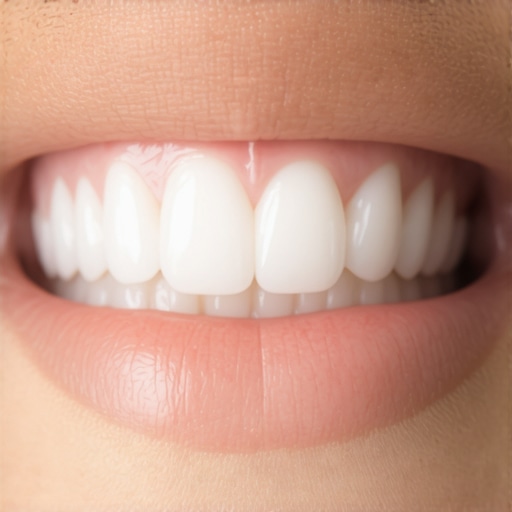
I remember the exact moment I realized my smile had taken a nosedive from what I thought was a quick fix. After obsessively using those popular whitening strips for weeks, I looked in the mirror and saw something I didn’t expect — a dull, grayish tint instead of the dazzling white I was aiming for. It was a lightbulb moment that made me question everything I thought I knew about teeth whitening. If you’ve ever experienced the same, you’re not alone.
Why Overusing Whitening Strips Can Backfire
The truth is, more isn’t always better when it comes to teeth whitening. I learned this the hard way early on, applying those strips daily, convinced I was accelerating my transformation. But overdoing it can lead to unintended consequences, like increased tooth sensitivity or even staining that gives your teeth a grayish hue. This happens because excessive bleaching can damage the enamel, making underlying dentin more visible, which often appears gray or yellow. Interestingly, according to a study published in the Journal of Esthetic and Restorative Dentistry, over-bleaching can weaken enamel and cause discoloration, rather than whitening.
If this sounds familiar, you’re probably wondering if there’s a way to turn back the clock without a professional procedure. Well, the good news is that with proper guidance, you can restore your smile’s natural brightness and health. In this post, I’ll share my personal journey and the expert tips I’ve gathered along the way to help you avoid common pitfalls and achieve a genuine, healthy glow for your teeth.
Have You Ever Faced This Problem?
Chances are, if you’ve been tempted to boost your whitening efforts beyond recommended limits, you might have experienced some enamel wear or discoloration. Don’t worry—you’re not alone, and there’s help available. Ready to learn how to fix the grayish tone and keep your teeth healthy? Let’s dig into the practical steps that can bring back your confident smile.
Reconstructing Your Smile with Careful Techniques
When my teeth turned dull and grayish after overusing whitening strips, I realized I needed a precise, disciplined approach to undo the damage. The first step is to stop any whitening treatments immediately to prevent further enamel erosion. Then, focus on gentle, targeted cleaning to remove superficial stains. Using a soft-bristled brush and mild toothpaste helps protect your enamel, much like carefully polishing a fragile surface without scratching it.
Implementing Repairs for Enamel Recovery
Switch to Enamel-friendly Products
I started using remineralizing toothpastes that contain fluoride and calcium, which act like builders filling in the microscopic cracks in enamel. Applying these regularly over a few weeks can significantly strengthen your teeth, preventing them from appearing dull or gray. For stubborn stains, consider professional cleaning or whitening alternatives that are less abrasive.
Boosting Natural Whitening Safely
Rather than aggressive bleaching, incorporate natural remedies such as oil pulling or eating crunchy vegetables like carrots and celery, which act like scrubbing brushes on your teeth’s surface. These habits help lift surface stains gradually without risking enamel damage, much like gentle sanding restores a dull piece of wood.
Seeking Professional Guidance for Lasting Results
If your teeth remain discolored or sensitive after initial home steps, consult a dentist experienced in cosmetic procedures. Treatments like veneers or bonding can mask persistent discoloration, much like applying a durable cover on a worn-out piece of furniture. For example, [veneers](https://smilegumcare.com/veneers-vs-crowns-which-is-right-for-your-smile) can create an instantly brighter appearance, but they require professional assessment to ensure natural alignment and health.
Monitoring and Maintaining Your Repaired Smile
Once you’ve improved your dental health, develop a consistent routine. Use a straw when drinking staining beverages, and avoid excessive intake of acidic foods that wear down enamel. Regular check-ups will catch any early signs of sensitivity or discoloration, preventing setbacks—think of it as routine maintenance on a valuable car. Remember, restoring your smile is a journey, and patience coupled with proper care pays off. For personalized advice, [schedule a consultation](https://smilegumcare.com/contact-us) with your dentist and keep abreast of the latest safe whitening strategies [here](https://smilegumcare.com/brighten-your-life-top-teeth-whitening-strategies-today).
In the realm of cosmetic dentistry and family oral health, common beliefs often overshadow nuanced truths. For instance, many assume that teeth whitening results are purely cosmetic and have no impact on enamel health, but in reality, advanced whitening techniques emphasize enamel preservation through controlled, professional-grade applications [here](https://smilegumcare.com/teeth-whitening-secrets-for-a-sparkling-smile-in-2025-at-1248).
Dispelling Myths About Invisalign and the Power of Discretion
While Invisalign is celebrated for its discreet nature, there’s a misconception that it’s universally suitable for all orthodontic issues. In fact, complex malocclusions might require traditional braces or alternative corrective procedures. Moreover, some believe that Invisalign trays can be worn only during the day; however, adherence to the prescribed wear schedule, often 20-22 hours daily, is crucial for effective results [see more](https://smilegumcare.com/invisalign-innovation-invisible-braces-changing-smiles-in-2025-at-1537).
What advanced issues do most overlook when considering veneers or family dental care?
Many think veneers are purely aesthetic and thus overlook the importance of assessing underlying dental health and occlusion. Poor bite alignment can eventually compromise veneers, leading to porcelain fractures or gum irritation. A comprehensive evaluation ensures that veneers complement overall dental stability, not just appearance. Understanding tissue response and bonding techniques—leveraging recent advances—can significantly impact long-term success [detailed here](https://smilegumcare.com/veneers-vs-crowns-which-is-right-for-your-smile).
In family dentistry, a common mistake is underestimating preventive care’s role in lifelong oral health. Regular check-ups are not only about addressing current issues but also about intercepting potential problems early. For example, early detection of enamel erosion can lead to minimally invasive remineralization procedures, saving time and resources down the line. Developing a customized care plan that considers genetic predispositions, dietary habits, and lifestyle factors embodies a holistic approach that many neglect.
Furthermore, the subtle nuances in age-related changes often go ignored. For instance, enamel naturally thins with age, but aggressive whitening or harsh dental products can accelerate this process. Using gentle, remineralizing products and embracing newer, less invasive aesthetic options like minimally abrasive polishes or thinner veneers can be game-changers. According to a recent study in the Journal of Esthetic and Restorative Dentistry, individualized treatment plans that respect biological aging produce superior results and patient satisfaction.
Have you ever fallen into this trap of oversimplifying dental solutions? Let me know in the comments. Remember, in dentistry as in all health-related fields, superficial fixes often mask underlying nuances—ignoring them can compromise your smile’s health and beauty in the long run.
Maintaining a healthy and attractive smile requires more than just good brushing habits; it involves utilizing the right tools and methods that keep your dental work and natural teeth in optimal condition. Over the years, I’ve tested and refined my toolkit, discovering specific equipment and software that truly make a difference in long-term oral health and aesthetics.
My Favorite Electric Toothbrush for Enamel Safety
After experiencing enamel sensitivity from manual brushing, I transitioned to the Oral-B iO Series 9. Its oscillating-rotating motion is gentle yet effective, offering customizable pressure sensors that prevent over-brushing—a common mistake that can wear down enamel over time. The built-in timers ensure thorough cleaning without excessive force, aligning with the latest research on enamel preservation here.
Professional-Grade Whitening Kits for Long-Lasting Brightness
For maintaining whitened teeth, I prefer using custom-fitted whitening trays with professional-grade gels. Unlike OTC strips, these allow for precise application, reduced sensitivity, and controlled bleaching. I regularly update my software to review the latest whitening protocols and products, staying ahead of trends like [next-gen teeth whitening strategies](https://smilegumcare.com/teeth-whitening-secrets-for-a-sparkling-smile-in-2025-at-1248). This combination ensures my results last longer and stay safer for my enamel.
Monitoring Tools for Family Dental Care
Involving the family in dental maintenance is smoother with smart monitoring apps like Brush Check. This software tracks brushing habits across multiple users, providing feedback on pressure, duration, and coverage—vital metrics for kids and adults alike. Regularly reviewing these metrics helps catch habits that could jeopardize long-term results, such as skipping flossing or applying excessive force, which can cause gum recession or tooth wear.
Why You Need a High-Quality Dental Mirror
A reliable, LED-lit mirror like the Dr. Mann’s Dental Mirror is essential for personal check-ups, especially after treatments like veneers or aligner adjustments. Being able to view hard-to-see areas ensures early detection of issues like plaque buildup or minor damages, preventing larger complications. Incorporating video technology or smartphone attachments can turn your mirror into a diagnostic tool, reflecting advances in dental tech.
Investing in a Good Hygienic Water Flosser
I recommend the Waterpik Sonic-Fusion, which combines flossing and brushing in one device, promoting thorough plaque removal and gum health maintenance. Its pulsating water streams reach beneath braces, veneers, and around implants more effectively than traditional floss. As imaging solutions improve, integrating such tools with apps that track usage can help maintain consistent cleaning routines. Studies show that such combination devices significantly reduce gingivitis and cavities when used routinely here.
How do I keep my dental tools in top condition over time?
One key is regular maintenance—sterilizing your tools, replacing worn brush heads, and updating software apps frequently to access the latest features. For example, I disinfect my electric toothbrush heads monthly with an ultrasonic cleaner and replace them every three months for maximum efficacy. Stay informed about emerging tech, such as AI-powered dental monitoring systems, which are poised to revolutionize at-home oral care, predicting their future with impressions like here. Try integrating one of these advanced tools into your routine today—your smile’s health and appearance will thank you.
3 Surprising Truths I Discovered About Teeth Whitening and Smile Care
- Sometimes, less is more — Overusing whitening products can cause unintended damage, reminding us that patience and moderation are key to lasting results.
- Enamel health should never be sacrificed for quick fixes; investing in remineralizing treatments and gentle habits can save your smile in the long run.
- Professional guidance makes a difference — Collaborating with your dentist ensures your smile transformation is both beautiful and healthy, avoiding common pitfalls.
- Natural remedies and smart tools are game-changers — Incorporating natural habits and innovative dental tech helps maintain a radiant, healthy smile effortlessly.
Tools and Resources That Elevated My Smile Journey
- Oral-B iO Series 9: Its gentle yet effective brushing preserves enamel and prevents sensitivity, which was a game-changer for me.
- Remineralizing Toothpastes: Products with fluoride and calcium strengthened my enamel, making my teeth look brighter and feel healthier over time.
- Professional Whitening Trays: Customized for my teeth, they provided safer, longer-lasting whitening compared to over-the-counter options.
- Smile Assessment Apps: Tracking my oral habits with smart tools helped me stay consistent and catch problems early, emphasizing prevention over repair.
Your Smile’s Next Chapter Starts Now
Embrace this journey with confidence, knowing that complex beauty begins with a foundation of good health. Every small step toward caring for your teeth and gums builds toward a brighter, more radiant you. Trust in the process, seek professional advice when needed, and remember that your smile is your best asset—nurture it every day for a lifetime of confidence. Are you ready to take the next step toward your ideal smile? Share your thoughts or questions below and let’s grow together.