
Why Your Teeth Look Gray Instead of White After Bleaching
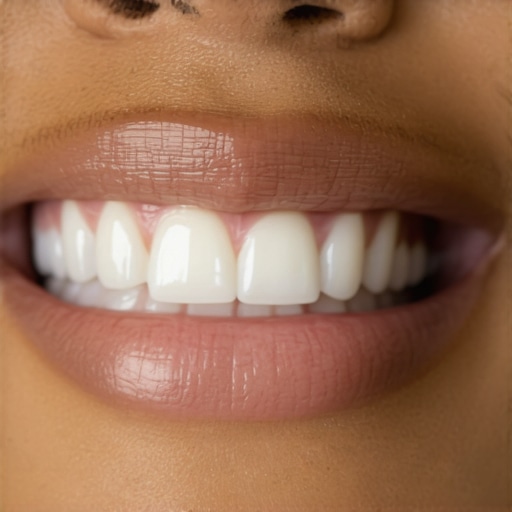
I remember the day I finished my professional teeth whitening, eagerly expecting that bright, sparkly smile to match the hype I’d read about. But instead, I stared into the mirror, puzzled—my teeth looked dull, almost gray, instead of the dazzling white I’d envisioned. It was a lightbulb moment for me, realizing that whitening treatments can sometimes have unexpected results, and I wasn’t alone in this. Have you ever gone through a bleaching and been disappointed to see your teeth look dull or gray instead of the white you hoped for? If so, you’re not the only one.
Understanding the Surprising Reasons Behind Gray Teeth Post-Whitening
When my teeth appeared gray after bleaching, I felt a mix of frustration and curiosity. I dove into research and consulted with dental professionals, learning that several factors can cause teeth to look gray rather than white. The most common culprit often involves the underlying enamel and dentin layers, which can react unpredictably to whitening agents. Sometimes, the bleaching process exposes or accentuates existing discoloration beneath the surface. This realization helped me understand that not every stain is the same, and treatments need to be tailored accordingly. If you’re battling this issue, know that recognizing the cause is the first step toward finding a solution. For further insights, check out our teeth whitening secrets that can help you achieve that sparkling smile you desire.
Is Professional Whitening Truly Effective for Gray Teeth?
Initially, I thought over-the-counter kits would solve everything. I learned early on that DIY whitening can sometimes do more harm than good, especially if your teeth have underlying issues. Applying the wrong type of whitening products or overusing them can lead to increased sensitivity or uneven results. Trust me, I made that mistake and paid the price with heightened sensitivity and disappointing results. That’s why consulting with your dentist about your unique situation is essential—professional treatments often incorporate advanced techniques that are more effective and controlled. Want to explore safer, more effective options? Consider reading about laser whitening or custom trays that beat the lab-made strips any day.
Start with a Precise Assessment of Your Dental Health
Before diving into treatments, schedule a comprehensive dental evaluation. Your dentist will identify issues like enamel wear, existing discoloration, or alignment problems. For example, I once visited my dentist for a routine checkup and discovered subtle enamel erosion that impacted whitening results—knowing this helped me customize my plan.
Choose the Right Cosmetic Approach Based on Your Goals
Consider Invisalign for Straightening
Invisalign offers a discreet way to straighten teeth. To get started, your dentist will take digital scans—similar to a 3D map—that form the basis for custom trays designed specifically for your mouth. I benefitted from learning about the latest Invisalign innovations that improve comfort and tracking. Remember, proper tray fit is crucial; learn to recognize and troubleshoot common issues like gaps or looseness using guides like these quick fixes.
Opt for Veneers to Correct Aesthetics
Veneers are thin shells bonded to your teeth, perfect for masking discoloration or minor shape flaws. The process begins with tooth preparation—removing a tiny layer of enamel—like a tailor fitting a suit. When I had my veneers applied, my dentist first prepared the surface and then temporarily placed the shells to assess fit. For a seamless transformation, choose high-quality porcelain, and stay vigilant for signs of issues, such as gum recession or leaks, by reviewing signs of leaks.
Enhance Brightness with Proper Whitening
Professional whitening offers faster and safer results compared to over-the-counter kits. The procedure involves applying a high-concentration bleaching gel, often activated with light—like shooting paint onto a canvas. I experienced a slight sensitivity post-treatment, which I managed by pre-treating with desensitizers. For effective whitening and to avoid common pitfalls like uneven shades or sensitivity, consult these whitening secrets that help prolong results. Regular touch-ups with custom trays can maintain brightness, especially when combined with proper oral hygiene.
Coordinate Treatments for Optimal Results
Combining Invisalign, veneers, and whitening requires strategic planning. For example, I first used Invisalign to straighten my teeth, then applied whitening to enhance brightness, and finally placed veneers on a few teeth to correct shape. Timing is key; ensure whitening is done before veneer placement to match the shade accurately. Regular monitoring and communication with your dental provider are essential—review Invisalign tips and other resources for adjustments during the process.
Many patients assume that treatments like Invisalign and veneers are straightforward fixes that deliver instant results. However, this oversimplification often leads to misunderstandings about their limitations and proper usage. One common myth is that Invisalign moves teeth in a linear, predictable way, but in reality, your individual bone density and periodontal health significantly influence the outcome. For instance, research indicates that patients with lower bone density may experience slower or less predictable tooth movement, making personalized treatment planning essential. Rushing into aligner adjustments without professional guidance can cause attachment failures or extended treatment times, so consulting with specialists who stay abreast of the latest Invisalign innovations is advisable.
Another mistake many make regarding family dentistry is neglecting the importance of preventive measures beyond routine cleanings. Many parents believe regular teeth cleaning suffices, but comprehensive assessments—including fluoride application, sealants, and education on oral hygiene practices—are crucial, especially for children’s developing teeth. Skipping these can result in increased decay or malocclusion complications later. Plus, early intervention with family dentistry tips can save you extensive costs down the line.
When it comes to veneers, many misunderstand their durability and the maintenance required. A prevalent misconception is that all veneers are resistant to chipping or staining. But in fact, thin porcelain shells are vulnerable to trauma and require proper care—like avoiding biting hard foods or staining agents. Additionally, some underestimate the significance of surface preparation; choosing high-quality porcelain and ensuring a precise bond prevents issues like leaks or discoloration, which you can learn more about by reviewing the nuances of veneer placement.
In teeth whitening, a common assumption is that over-the-counter products are just as effective as professional treatments. Not so. Non-prescription kits often contain lower concentrations of bleaching agents, leading to inconsistent results and prolonged treatments. An advanced mistake is ignoring the underlying cause of discoloration—such as tetracycline staining or enamel defects—which might render lightening ineffective or cause sensitivity. Consulting with your dentist ensures you’re selecting the most appropriate method, like laser whitening or custom trays, which are detailed in teeth whitening secrets.
Make sure to avoid these pitfalls by understanding the complex nuances behind common dental treatments. Remember, a personalized, informed approach optimizes results and safeguards your oral health. Have you ever fallen into this trap? Let me know in the comments.
Maintaining your beautiful smile after treatments like Invisalign, veneers, or teeth whitening requires more than just good intentions — it demands the right tools and strategies. Over the years, I’ve discovered that investing in high-quality equipment and adopting disciplined routines can significantly extend the life of your dental work, saving you time and money in the long run. Let me share some specific tools I rely on and explain why they make a difference in my practice and personal care.
Precise Oral Hygiene Devices That Deliver Results
My go-to tool is the sonic toothbrush. The Philips Sonicare DiamondClean has a gentle yet effective brush head that clears plaque more thoroughly than manual brushing, especially around veneers and the margins of crowns. Its timers ensure I brush for the recommended two minutes, preserving the integrity of my dental restorations. Investing in such a device pays off; I notice fewer touch-ups after my routine cleanings, and my smile stays brighter and healthier.
Custom-Tray Whitening as a Long-Term Brightening Solution
For maintenance of my whitening results, I use personalized bleaching trays created by my dentist. Unlike over-the-counter strips, custom trays fit snugly, preventing uneven application and minimizing sensitivity. These trays allow me to touch up my whitening discreetly, often with just a 15-minute session monthly. The key here is to use a high-quality carbamide peroxide gel, which I choose based on its proven consistency in delivering safe, predictable results—see the latest Invisalign innovations for tray improvement insights.
Monitoring and Tracking Tools for Ongoing Success
One of my favorite additions is an intraoral camera. It helps me keep an eye on the condition of my veneers and gum tissue without rushing to the dentist’s office. Regular self-inspections using a mirror and the camera allow me to catch early signs of wear or recession. Plus, there are smartphone apps that sync with intraoral cameras, giving a detailed visual record over time. This proactive approach helps me identify issues before they escalate, ensuring my smile remains pristine for years.
Where Do I See Dental Maintenance Going?
Advancements in digital dentistry point towards even smarter, more personalized tools. I predict that in the coming years, AI-powered monitoring devices will become more accessible, offering real-time analysis and tailored recommendations. Imagine a device that alerts you instantly to early signs of wear or gum health decline—preventative care at its finest. Such innovations will empower patients to take control of their dental health beyond regular visits, just like I do today.
How Can You Keep Your Dental Work Looking Its Best?
Start with investing in a high-quality sonic toothbrush and schedule regular check-ins with your dentist to adjust your routine. If you’re serious about long-term whitening, ask your provider about custom trays and professional-grade gels. And don’t underestimate the power of simple visual inspections — tools like intraoral cameras or even smartphone attachments can provide invaluable insights. By employing these specific tools and routines, you’re proactively extending the lifespan of your dental enhancements and maintaining that confident smile. Want to get started? Try using a custom whitening tray at home this week and observe how easy it is to keep your smile luminous between professional visits.
Three Hidden Truths That Changed My Perspective on Cosmetic Dentistry
One of the most profound lessons I learned was that not all teeth whitening results are created equal—sometimes, patience and tailored treatments trump quick fixes. Discovering that underlying issues like enamel erosion impact outcomes taught me to approach cosmetic procedures with nuanced understanding. Recognizing that straightening with Invisalign isn’t just about aesthetics but involves considering bone health was an eye-opener that encouraged me to ask more questions before treatment. These insights have empowered me to seek personalized, safe options rather than settling for one-size-fits-all solutions.
My Go-To Arsenal for a Radiant Smile—And Why I Trust Them
After years of experimenting, I rely on the Philips Sonicare DiamondClean for effective, gentle cleaning that preserves my veneers and crowns. Custom whitening trays, crafted by my trusted dentist, have kept my smile bright without sensitivity issues—far superior to over-the-counter strips. An intraoral camera now helps me monitor my dental health proactively, catching minor issues early. These tools have become essential in my routine because they blend affordability, precision, and peace of mind, making my dental journey more manageable and enjoyable.
Taking Your First Step Toward Confidence—No Matter Where You Are
Your smile is a reflection of your confidence and well-being. Embrace the knowledge that personalized treatments, combined with the right tools and professional guidance, can transform your dental experience. Whether you’re considering Invisalign, veneers, or whitening, remember that your journey is unique—and you deserve a plan tailored to your needs. Start today by booking a comprehensive dental assessment and explore the options that best suit your goals. Your radiant future begins with that simple, brave step. Are you ready to take it? Share your thoughts below, and let’s support each other’s path to a healthier, more confident smile.
Comments are closed.