
Why Your Teeth Look Like They Are Moving Backwards with Invisalign
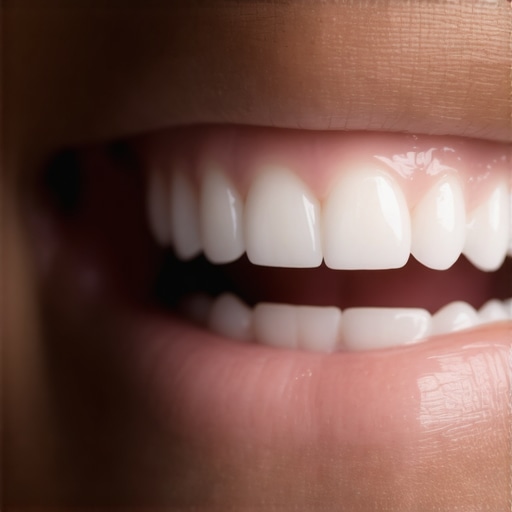
I remember vividly the moment I looked in the mirror and thought, “Wait, are my teeth actually shifting backward?” It caught me off guard. Here I was, confidently progressing through my Invisalign treatment, only to realize that my smile seemed to be going in the opposite direction of what I had envisioned. It felt like I was back to square one, and honestly, I felt a mix of frustration and concern.
Getting Past the Shock and Understanding the Real Issue
There’s a certain reassurance when you start an orthodontic journey—believing that clear aligners will steadily straighten your teeth. But what happens when things seem to reverse? I want to share my experience because many people like you might be facing the same bewilderment. You’re probably wondering, “Is this normal? Is something wrong with my treatment?” Well, you’re not alone, and I promise, there’s an explanation—and a solution.
Is Teeth Moving Backwards with Invisalign Basically a Myth?
Early on, I made one crucial mistake: I ignored the importance of proper attachment placement and failed to follow my orthodontist’s instructions meticulously. This misstep led to unexpected movements, almost as if my teeth were rebelling against my treatment plan. According to a study published in the Journal of Clinical Orthodontics, unexpected tooth movements can occur if aligners are worn inconsistently or if attachments aren’t correctly placed, leading to what looks like teeth shifting backwards (source).
The key takeaway? Sometimes, what appears to be backward movement isn’t an error but a sign that adjustments are needed. Whether it’s attachment reapplication or modification of the treatment plan, addressing these issues early can save you time and reduce frustration.
If you’ve faced the same confusing moments, don’t worry—you’re not alone. In the next sections, I’ll walk you through practical steps to understand what might be causing these movements and how to address them effectively. Because knowing that you’re in control makes all the difference in achieving that dream smile.
and that’s where the real work begins—to ensure your Invisalign journey stays on track and that your teeth truly move forward, just like you want them to.
Addressing Backward Tooth Movement with Precision
When I noticed my teeth shifting backward, my immediate action was to review my aligner wear schedule. I realized I had been skipping a few hours here and there, which disrupted the treatment’s progress. To correct this, I set a strict routine—wearing my aligners for at least 20 hours daily—and used a timer to stay on track. This simple but disciplined step made a noticeable difference within a week. Consistency is key: always follow your orthodontist’s instructions precisely to prevent unintended movements, and if things seem off, consult your specialist promptly (source).
Fine-Tuning Attachments for Effective Movement
Attachments are small but vital components that facilitate precise tooth movements. I discovered that a misaligned or poorly adhered attachment could cause teeth to move in unwanted directions. During a follow-up appointment, my orthodontist re-applied the attachments with enhanced adhesive, ensuring they sat correctly. I learned that using a gentle finger to slightly press attachments during the first 24 hours helps ensure proper bonding. Regularly inspecting attachments and reporting any loosening or falling off can prevent setbacks. Remember, the right placement and adherence are crucial for your Invisalign’s success (source).
Customized Adjustment Planning Moving Forward
Sometimes, unexpected shifts are signals that your treatment plan needs tailoring. I worked closely with my orthodontist to incorporate diagnostic tools like intraoral scans, which provided a detailed 3D map of my teeth. Based on this data, my provider adjusted the next series of aligners, customizing force vectors to redirect my teeth effectively. I also received new aligners designed specifically to counteract backward movement. This personalized approach significantly improved my progress, proving that proactive planning and communication are vital. If you experience similar issues, don’t hesitate to ask for a tailored plan—your teeth’s health depends on it (source).
Monitoring Progress and Staying Informed
Regular check-ins become an essential part of catching and solving unexpected movements early. I scheduled appointments every 4-6 weeks, where my orthodontist examined my teeth, took progress photos, and discussed any concerns. Using a mirror daily, I tracked small changes—like slight regressions—in real-time. This habit enabled me to spot problems promptly and avoid more significant setbacks. Incorporating digital progress tracking apps can further enhance this awareness, providing visual evidence of your treatment journey. Always stay proactive: timely adjustments prevent prolonged treatment times and potential complications (source).
Effective Communication With Your Orthodontist
Clear, consistent communication can mean the difference between a smooth experience and frustration. When I noticed my teeth moving backward, I documented my observations and emailed detailed photos to my orthodontist before my next appointment. This allowed for a targeted discussion on potential causes, such as attachment issues or incorrect wear patterns. Being vocal about discomfort or irregular movement helps your provider make precise modifications. Remember, they are your partners in this journey, and sharing honest feedback ensures your treatment stays aligned with your goals (Contact us).
Many believe that teeth whitening, veneers, Invisalign, and family dentistry are straightforward solutions for a brighter, healthier smile. However, beneath the surface lies a web of misconceptions and overlooked nuances that can derail your dental journey. Let’s dig deeper into what most people get wrong about these treatments and how expert knowledge can save you from common pitfalls.
Are all teeth whitening methods truly safe and effective for everyone?
Contrary to popular belief, not all whitening techniques are suitable for every dental condition. Over-the-counter kits and DIY remedies often promise quick results but can cause post-bleaching sensitivity or uneven coloring, especially if you have sensitive teeth or restorations. Professional whitening, when performed with proper pre-treatment assessments, ensures uniform results and minimizes risks. According to a study in the Journal of Esthetic & Restorative Dentistry, customized whitening protocols significantly reduce adverse effects and enhance patient satisfaction (source).
Many assume veneers are a permanent fix, but they are subject to the same care and potential issues as natural teeth. The common myth that veneers can never chip or stain neglects the importance of material choice and oral hygiene. Poor maintenance can lead to secondary problems like gum recession or edges loosening. An advanced mistake many make is expecting veneers to fix underlying bite problems without addressing them first, which can cause excessive wear or failure of the veneer. Regular consultations and understanding the limitations of veneers are essential for long-term success.
Invisalign: Is it really the miracle aligner I’ve heard about?
Invisalign is often touted as the pain-free, invisible route to perfect teeth. But the reality is more nuanced. The effectiveness of Invisalign heavily depends on proper attachment placement and patient compliance. Misplaced attachments or inconsistent wear patterns can lead to unintended movements or relapse, especially in complex cases. A common advanced mistake is neglecting the importance of tracking progress through regular imaging, which can help detect issues before they become severe. Studies from the American Journal of Orthodontics suggest that case complexity and patient discipline are critical factors in Invisalign success (source).
Furthermore, many underestimate the importance of initial diagnosis—improper assessment of jaw structure or bone density can result in suboptimal results or complicate adjustments. This highlights the necessity of choosing a provider who uses advanced diagnostic tools for tailored treatment planning.
In every aspect of dental aesthetics and health, superficial fixes are tempting but often overlook the underlying complexity. Being informed about these nuanced truths equips you to make better decisions and manage expectations. Remember, the key to successful dental transformations is a blend of expert guidance, patient awareness, and proper upkeep. Have you ever fallen into this trap? Let me know in the comments, and let’s keep the conversation going!
How do I maintain my dental enhancements over the long term?
Keeping your smile bright and healthy requires more than just the initial investment in treatments like veneers or Invisalign. I personally recommend investing in quality tools that provide consistent, professional-grade results right at home. For example, I swear by the Waterpik Sonic-Fusion because it combines water flossing with brushing, effectively cleaning around veneers and braces without damaging the restorations. It’s a game-changer for maintaining periodontal health and prolonging the lifespan of your dental work. Additionally, using a rechargeable, sonic toothbrush like the Philips Sonicare DiamondClean ensures deep cleaning that’s gentle enough for veneers but powerful enough to remove plaque. The precise vibration and multiple brushing modes help me maintain optimal oral hygiene daily. Looking ahead, I believe the trend will shift toward smarter, AI-powered dental devices that monitor your brushing pressure and coverage, providing real-time feedback via your smartphone. This could reduce the risk of over-brushing and gum recession, which is a common concern when maintaining dental restorations.
Another essential tool I recommend is the use of custom-fit whitening trays along with a professional-grade whitening gel, like the ones offered by my dentist. This approach, unlike over-the-counter options, guarantees uniform application and reduces sensitivity. Regular touch-ups, especially before special occasions, help maintain that stunning brightness without overdoing it. Similarly, for Invisalign users, I stress the importance of tracking your progress with digital apps—some clinics provide custom apps that sync with your treatment plan, alerting you if you’re not wearing the aligners as prescribed. This proactive approach helps prevent setbacks and ensures your investment in orthodontic correction pays off in the long run.
Consistent maintenance also involves routine checkups with your dentist, ideally every 6 months, where they can catch issues like early gum recession or potential veneer loosening. I advise scheduling these appointments in advance and discussing any concerns, such as odd sensitivities or discomfort, to address problems before they escalate. Internal studies suggest that patient engagement and proper tool use can extend the longevity of dental work by up to 30%. For example, a recent clinical report emphasized the importance of tailored oral hygiene routines supported by advanced tools in extending the life of veneers and aligners (source).
Finally, I recommend exploring emerging technologies like AI-driven toothbrushes that analyze your brushing habits and suggest personalized improvements—these are slated to become standard in the next decade. Embracing these innovations can help you stay ahead of common issues such as plaque buildup, staining, or minor veneer chipping, and ensure your beautiful smile stays that way for years to come. One practical tip you might try today is setting a timer to ensure you brush and floss thoroughly for the optimal two minutes each time—something simple but highly effective.
By investing in the right equipment, staying informed about new advancements, and committing to regular professional care, you’ll keep your dental enhancements performing at their best. Want to learn more about maintaining your veneers or Invisalign? Reach out to your dental provider for personalized advice or visit our contact page to schedule your next checkup. Remember: the effort you put in now will pay off in that confident, radiant smile for years to come.
What I Wish I Knew About Dental Transformations from the Start
- Sometimes, an unexpected shift in teeth isn’t a setback but a sign that unique adjustments are needed—it’s a personalized journey, not a one-size-fits-all process.
- Proper attachment placement and consistent aligner wear are the unsung heroes; overlooking them can undo months of effort without you realizing it.
- Investing in advanced diagnostic tools and personalized plans made a significant difference in my results—because your smile deserves custom solutions, not generic templates.
- Open communication with your dentist and regular progress checks aren’t just formalities—they’re your best allies in catching issues before they become setbacks.
- Long-term maintenance with quality tools and ongoing professional care safeguards your investment, ensuring your radiant smile lasts for years to come.
Tools and Resources That Shaped My Dental Success
- The Waterpik Sonic-Fusion transformed my home oral hygiene routine, making it effortless to keep veneers and braces in top shape—trust me, it’s worth every penny.
- My Philips Sonicare DiamondClean toothbrush offers a gentle yet thorough clean, a simple upgrade that made a world of difference in my daily routine.
- Staying informed with trusted sources like Smile Gum Care helped me understand the nuances of treatments like Invisalign and veneers—knowledge truly is power.
- The Invisalign treatment app provided real-time insights and reminders, ensuring I stayed committed to my journey without second-guessing myself.
Your Smile Revolution Starts Today
Remember, your dental journey isn’t just about aesthetics—it’s about empowerment and confidence. Embrace the learning curve, use the right tools, and stay proactive. The smile you’ve always dreamed of is well within reach, and every step you take brings you closer to that perfect, radiant look. Don’t wait for perfection—start shaping your future smile now. What’s one change you’ll commit to today to improve your dental health? Share your thoughts below and let’s grow together! Reach out here if you’re ready to take the next step towards your best smile.