
Why Your Teeth Throb Right After Your Morning Coffee
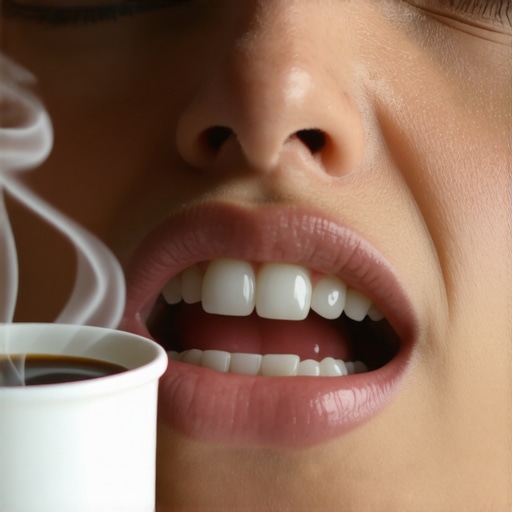
I remember the moment it hit me—sitting at my kitchen table, coffee in hand, craving that warm comfort on a chilly morning. But as I took my first sip, a sharp, unexpected pain shot through my tooth. It was like a lightning bolt that jolted me out of my cozy routine. That throbbing discomfort has become a familiar, if unwelcome, part of my mornings, and I knew I wasn’t alone. If you’ve ever experienced something similar—your teeth pounding right after that beloved morning brew—you know exactly how disruptive and irritating it can be.
Common Reasons Why Coffee Triggers Tooth Throbbing
Many people don’t realize that their morning coffee isn’t just a harmless ritual but can actually be a catalyst for dental discomfort. The acidity in coffee is well-known for staining teeth, but it also affects sensitive tooth areas. When tooth enamel is weakened or there’s existing decay or damage, acids can penetrate more easily, causing nerve irritation and pain. Additionally, the temperature of the coffee—whether piping hot or icy cold—can cause rapid expansion or contraction in the teeth, leading to pain, especially if you have cavities or sensitive spots.
Early in my dental journey, I made the mistake of neglecting regular checkups, assuming that a bit of sensitivity was normal. That oversight worsened my situation. Regular dental visits are crucial—they help identify issues before they escalate. For example, detecting microscopic cracks or early decay can save you from pain down the line. According to the American Dental Association, undetected dental issues are a primary cause of post-coffee throbbing (ADA, 2023).
So, why does this happen now? Basically, if your teeth are vulnerable from worn enamel, cavities, or exposed roots, acids and temperature shifts from your coffee can irritate nerves, causing that familiar zing or throbbing. Understanding this helps you see that it’s not just about your love for coffee but about protecting your dental health.
Are you tired of that morning pain ruining your day? Or maybe you’ve brushed it off, thinking it’s just a minor inconvenience? Well, I was in your shoes, and I can tell you—there are simple, effective steps to put an end to this discomfort. But first, let’s consider a common fear many have when facing dental issues: is it worth the fuss to seek treatment? The good news is that minor adjustments and lifestyle tweaks often make a significant difference, and I’ll guide you through them.
Now, let’s dive into what can be done to ease your morning pain and keep your smile healthy and pain-free.
Rinse Immediately After Drinking Coffee
Right after your sip, swish plain water in your mouth for 30 seconds. This dilutes the acids and neutralizes the PH, preventing them from attacking your enamel more aggressively. I remember during one hectic morning, I kept a glass of water at my desk. After my coffee, I followed this step and noticed less sensitivity throughout the day.
Use Desensitizing Toothpaste Regularly
Switch your regular toothpaste with a desensitizing formula containing potassium nitrate or stannous fluoride. These ingredients block nerve pathways, reducing pain from acid exposure. I started using such toothpaste as recommended by my dentist, and within a week, my morning throbbing reduced significantly. Incorporate brushing with it at least twice daily for best results.
Apply a Flouride-Boosting Mouth Rinse
Enhance your oral defense by rinsing with fluoride mouthwash. Fluoride strengthens enamel and aids in remineralization, creating a barrier against acids. When I experienced flare-ups, I added a fluoride rinse after brushing, which provided a protective coat over my teeth and cut down sensitivity episodes.
Limit Hot and Cold Beverages
Adjust your coffee temperature to a moderate level. Extremely hot or cold drinks cause thermal shock, irritating sensitive areas. During my trial, I let my coffee cool to a comfortable lukewarm before drinking. This simple change made a noticeable difference, making my mornings pain-free.
Avoid Acidic Additives and Sugars
Steer clear of sugar-laden syrups or citrus flavorings in your coffee. These increase acidity and promote decay. I experimented by skipping flavored syrups, sticking to black coffee, which proved gentler on my teeth and decreased pain sensations.
Schedule a Dental Checkup
Regular visits help identify underlying issues like cavities or enamel erosion early on. I set reminders to see my dentist every six months. During a consultation, my dentist recommended additional treatments, such as veneers, to reinforce enamel areas, preventing future sensitivity.
Maintain Good Oral Hygiene
Brush twice daily with a soft-bristled brush and floss meticulously. Removing plaque reduces bacterial acids that weaken enamel. I adopted a new brushing technique recommended by my dental hygienist, which improved my overall dental health and minimized sensitivity.
Consider Protective Dental Treatments
If sensitivity persists, consult your dentist about professional applications like fluoride varnish or bonding. I scheduled an appointment and received a fluoride treatment, which provided a temporary shield against acids, giving me relief during my morning coffee routine.
Implementing these steps requires consistency, but over time, they can help you enjoy your coffee without the throbbing pain. Remember, each mouth is unique—what works for one person may need tweaking for another. For personalized advice, contact your dental professional through this link.
When considering cosmetic and restorative dental treatments like veneers, Invisalign, family dentistry, or teeth whitening, many patients hold misconceptions that can lead to disappointment or even damage. Let’s explore some of these common myths and advanced nuances that often go unnoticed.
Are All Veneers Perfect and Permanent Forever?
Contrary to popular belief, veneers are not entirely permanent or flawless. While they can last up to 15 years with proper care, they are susceptible to chipping, staining, or requiring replacement due to age or damage. Many assume veneers are invincible, but neglecting oral hygiene and habits like biting nails or grinding can shorten their lifespan.
Why Invisalign Might Not Be Suitable for Severe Cases
Many think Invisalign works for all orthodontic issues, but in reality, complex misalignments, severe crowding, or bite problems may require traditional braces or even surgical intervention. An expert assessment is crucial—an orthodontist will evaluate the complexity beyond the clear aligners’ scope. If you’re considering Invisalign, consult a specialist to determine if you’re a good candidate or if alternative options would serve you better.
Family Dentistry: More Than Just Routine Cleanings
There’s a misconception that family dentistry is only necessary for children. Actually, routine dental visits through family dentists benefit all ages, including adults and seniors. They can detect early signs of decay or gum disease, provide personalized dental plans, and help prevent complex issues later on. Skipping regular checkups, thinking it’s only for kids, can lead to more invasive and costly procedures in the future.
Teeth Whitening Isn’t Just About Brightening—Beware of Damage
Many assume teeth whitening is safe and always effective, but over-the-counter products and frequent bleaching can harm enamel, increasing sensitivity or causing uneven discoloration. Professional whitening treatments, performed by experienced dentists, ensure safety and optimal results. It’s essential to understand the nuances—using the wrong products or overdoing whitening can backfire. For the latest insights into safe and effective whitening, check out this comprehensive guide.
In summary, deep understanding of these treatments extends beyond surface-level facts. Choosing the right approach depends on personalized assessment, awareness of limitations, and realistic expectations. Have you ever fallen into this trap? Let me know in the comments or reach out through this contact form for expert guidance to make informed dental decisions.Maintaining your dental treatments such as veneers, Invisalign, or teeth whitening is an ongoing journey that requires the right tools and disciplined routines. Over the years, I’ve found that investing in quality equipment and adopting effective methods makes all the difference in preserving your smile’s beauty and health.
Start with a reliable electric toothbrush like the Philips Sonicare DiamondClean. Its sonic technology provides superior plaque removal and gentle gum care, essential for protecting veneers and sensitive areas. I personally use this model daily, noticing a significant reduction in gum inflammation and stain buildup, which prolongs the life of my restorations.
For flossing, I recommend a water flosser such as the Waterpik Aquarius. The pulsating water efficiently clears debris from around braces, veneers, or implants where traditional floss might miss. I use it twice daily—it’s the only way I ensure my dental work stays clean and free of plaque.
To monitor your progress, keep a dental journal or use digital apps like Dental Monitoring. These tools help you track treatments like Invisalign, alerting you to issues like attachments or aligner fit so they can be addressed promptly, preventing costly corrections later.
Regular professional cleanings are non-negotiable. Scheduling bi-annual visits ensures early detection of wear, decay or gum problems. My dentist always reviews my at-home protocol, suggesting customizations that keep my treatments performing optimally—such as fluoride varnish applications to reinforce enamel.
In the future, I predict advances like AI-driven dental hygiene devices will personalize maintenance routines even further, tailoring cleaning frequencies and techniques to individual needs. Staying ahead with technology will be key—so keep an eye on industry innovations.
How do I maintain my dental work over time?
Consistency is key. Use high-quality tools like ultrasonic toothbrushes and water flossers consistently, and don’t skip routine checkups. Incorporate gentle, anti-acid rinses post-treatment to neutralize harmful acids, especially if you enjoy acidic beverages or have had teeth whitening done. Keep a detailed record of your dental journey to discuss with your professional, ensuring your investments in cosmetic or restorative work remain long-lasting.
To explore more about safeguarding your smile’s beauty, visit our resource on comprehensive family dentistry tips or your dedicated specialist. For those considering veneers or other cosmetic improvements, check out tips on transforming your smile. Remember, the right tools combined with consistent habits can keep your smile shining for years to come.
Three Surprising Truths I Learned About Perfecting Your Smile
- Even the most flawless veneer needs careful maintenance—what looks perfect today might not hold up without proper care. Regular checkups and diligent hygiene are your best allies in preserving that beautiful smile.
- Invisalign’s discreet design is revolutionary, but it requires consistent discipline. Skipping a day or neglecting proper cleaning can set back progress—commitment truly pays off.
- Many underestimate the importance of personalized treatment plans. What works for one person might not suit another, highlighting the value of trusting your dental professional for tailored advice.
My Go-To Resources That Elevate My Smile Journey
- Transform Your Smile with Veneers—Expert Tips: A comprehensive guide I rely on to understand the nuances of veneer options and maintenance, helping me make informed decisions.
- The Ultimate Guide to Teeth Whitening Options in 2025: This detailed resource demystifies in-office versus at-home whitening, ensuring safe and effective results tailored to my needs.
- Invisalign Secrets Achieving a Perfect Smile Discreetly: A must-read for understanding the commitment involved with Invisalign and how to maximize its benefits.
Your Path to Confidence Starts Today
Embarking on smile enhancement treatments like veneers, Invisalign, or teeth whitening is a personal journey that can transform more than just your appearance—it can boost your confidence and everyday happiness. Remember, every step you take towards caring for your dental health is an investment in your future self. So, why wait to enjoy that radiant smile you deserve? Begin today, and let your journey to a brighter, healthier smile inspire others around you.
Have you ever hesitated to try a cosmetic dental treatment? Share your thoughts or questions below—I’d love to hear your experiences and help you on your smile journey!