Why Your Tongue Feels Raw After One Day of Wearing New Invisalign Attachments
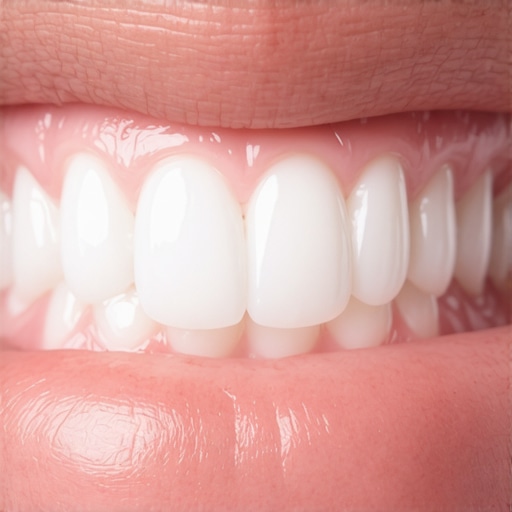
Ever woken up on the second day of wearing your new Invisalign attachments and felt as if your tongue had been sanded down overnight? I remember that lightbulb moment all too well. There I was, excited to straighten my teeth, only to be greeted by a relentless raw sensation darting across my tongue. It was uncomfortable, frustrating, and made me question if I’d made a terrible mistake with my new aligners.
Dealing with That Burning Tongue Feeling: What’s Really Going On?
The truth is, this sensation is more common than people think. As someone who’s been through the Invisalign journey, I can assure you that it’s a side effect many experience initially. The new attachments — those tiny composite bumps glued to your teeth — can irritate your tongue and inner cheeks, especially during the first few days. Your mouth is adjusting to these unfamiliar objects, and your tongue might be overcompensating or just plain confused.
Research indicates that initial discomfort, including soreness and raw sensations, is a natural part of the adaptation process. In fact, studies have shown that up to 80% of Invisalign wearers experience some level of oral irritation in the early days (source: National Institutes of Health).
Early on, I made the mistake of ignoring this discomfort, thinking it would pass on its own. But I quickly learned that proper management can make all the difference. So, if you’ve faced this problem, rest assured that it’s typical, and there are practical ways to ease the pain and get your smile transformation back on track.
Is The Raw Tongue Feeling Worth the Hassle?
This is a question I often hear from friends contemplating Invisalign—whether the initial discomfort is justified by the results. Honestly, I’d say yes, but only if you’re prepared for the first few days. The key is knowing how to handle the initial irritation without letting it turn into a deterrent. Trust me, a little proactive care and patience go a long way.
Now that we’ve addressed why this raw sensation happens, let’s dive into the straightforward methods I used to soothe my tongue and make my Invisalign journey more comfortable. Are you ready to take the first step toward a painless, confident smile? Let’s go!
Stick to a Gentle Oral Hygiene Routine
Start by maintaining a meticulous yet gentle brushing and flossing routine to prevent additional irritation. Use a soft-bristled toothbrush and non-abrasive toothpaste to avoid scraping your tongue and inner cheeks. I once switched to a softer brush after noticing increased soreness, and the relief was immediate and noticeable.
Apply Oral Cushions or Protective Barriers
Use orthodontic wax or silicone-based oral shields to cover rough attachments that rub against your tongue. For example, I carefully molded a small piece of wax over a troublesome attachment and found my tongue’s irritation decreased significantly within hours. Be sure to remove and replace these barriers regularly to keep your mouth comfortable and hygienic.
Adjust Your Eating Habits and Food Choices
Opt for soft, bland foods during the initial days of adjustment. Avoid spicy, acidic, or crunchy snacks that can exacerbate irritation. I learned this after a messy lunch of chips and salsa made my tongue feel worse. Instead, I settled for yogurt and smoothies, which kept my mouth feeling soothed and prevented further damage.
Use Natural Remedies to Soothe Discomfort
Rinsing with warm salt water can accelerate healing and reduce inflammation. Dissolve a teaspoon of salt in a cup of warm water and swish gently for 30 seconds. I made this part of my nightly routine, and within a couple of days, the raw sensation diminished. Additionally, applying aloe vera gel directly to irritated areas can promote healing.
Practice Mindful Tongue Positioning
Be conscious of your tongue’s placement, avoiding unnecessary rubbing against attachments. When I paused and intentionally kept my tongue away from irritants, the discomfort subsided faster. This practice takes time but becomes natural with consistent effort.
Consider Dental Consultation for Attachments
If persistent irritation occurs, consult your dentist about modifying or smoothing problematic attachments. Sometimes, a simple adjustment or smoothing can make a world of difference. During my visit, my dentist smoothed a rough edge, which immediately reduced my tongue’s rawness.
Remember, patience combined with these practical steps can transform your Invisalign experience from uncomfortable to manageable. Managing raw tongue sensation effectively will help you stay motivated and fully committed to your smile journey.
While many people believe they understand the basics of cosmetic and family dental procedures, there are nuanced truths and common pitfalls that often go unnoticed. One widespread myth is that all teeth whitening methods are equally effective or safe, but in reality, over-the-counter kits can sometimes cause sensitivity or uneven results when compared to professional treatments. For example, professional whitening offered at dental clinics can utilize advanced technologies like LED light activation, which studies show may enhance whitening efficacy and reduce sensitivity (source: expert comparison). Moreover, many assume that Invisalign is just about discreet braces, but experts emphasize the importance of understanding complex factors like bite mechanics and tracking issues, which can significantly impact treatment duration and results. Missing this can lead to advanced mistakes, such as prematurely altering aligners without consulting your dentist, potentially causing misalignment or damage (see detailed factors here). In the realm of veneers, a common misconception is that they are invulnerable to staining or chipping; however, understanding the types of materials and their limitations is crucial to avoid costly repairs. Resin veneers, for instance, are more prone to discoloration and damage over time compared to porcelain variants (read more about veneer durability). Conversely, many overlook the strategic importance of family dentistry’s comprehensive approach. Instead of focusing solely on cosmetic improvements, an advanced understanding recognizes the role of early detection and preventive care in safeguarding overall oral health, especially for children, which can prevent complex issues later (family care tips here).
A critical mistake many make involves neglecting these nuances until problems escalate. For instance, choosing cheap veneers or over-the-counter whitening without considering long-term effects can lead to a cycle of costly repairs. Similarly, skipping regular checkups during Invisalign treatment can result in tracking issues going unnoticed, which might extend treatment time or compromise results. Advanced practitioners recommend a tailored approach—only a qualified dentist can assess your unique dental situation and recommend the most effective, safe, and durable options.
Lastly, for the most sophisticated readers, understanding the role of newer technologies like digital smile design and 3D printing can offer a strategic advantage. These innovations allow for precise planning and customization, minimizing errors and optimizing aesthetic outcomes (see current tech trends). Being aware of these details can differentiate a good treatment from a great one, ensuring you invest wisely in your dental health.
Have you ever fallen into this trap? Let me know in the comments.
Keep It Working: The Essential Tools for Dental Success
Maintaining your beautiful smile after procedures like teeth whitening, veneers, or Invisalign requires the right set of tools and practices. Over the years, I’ve tested various products and methods to ensure longevity and optimal results. Here, I share my top recommendations based on personal experience and expert insights, so you can keep your dental enhancements in top shape.
Invest in a Quality Sonic Toothbrush
A high-efficiency sonic toothbrush is a game-changer. I personally recommend models like the Philips Sonicare DiamondClean because they provide superior plaque removal and gentle yet effective cleaning around veneers and whitening layers. Regular use can prevent staining and decay, safeguarding your investment. Moreover, these toothbrushes often feature timers and pressure sensors that help prevent over-brushing, which can damage delicate restorations.
Use Specialized Interdental Cleaners
Maintaining interdental spaces is crucial, especially with veneers and Invisalign attachments. I favor interdental brushes like the GUM Proxabrush or Waterpik Water Flossers, which can reach places traditional floss might miss. These tools help prevent food impaction and plaque buildup, reducing the risk of gum recession or decay around veneers.
Incorporate Fluoride and Desensitizing Gels
For those with sensitive teeth after whitening or veneer placement, using fluoride gels or desensitizers is essential. I often recommend using the Gel-Kam fluoride gel before bed, as it provides prolonged protection. This practice can help prevent post-procedure sensitivity and strengthen enamel, especially if you’re drinking staining beverages like coffee or tea.
Keep Up with Routine Professional Cleanings
While at-home tools are vital, nothing replaces regular dental professional cleanings. I suggest scheduling visits every six months with your dentist, who can perform deep cleanings, polish veneers, and spot early signs of issues. This proactive approach can extend the lifespan of your dental work and prevent costly repairs down the line.
Leverage Digital Monitoring Apps
Advancements in technology have introduced apps that remind you of cleaning routines and track your oral health habits. I personally use SmileTrack, which syncs with my dental devices and provides helpful alerts. These apps help maintain consistency, especially when you’re busy or traveling.
Prediction indicates that integrating smart technology with dental care will become standard practice. Devices that monitor real-time brushing quality or detect early signs of gum disease could soon personalize maintenance routines for each individual, further enhancing long-term results.
How do I maintain my dental transformations over time?
Consistency is key. Make sure to replace your toothbrush head every three months, use appropriate flossing tools daily, and avoid habits like biting hard objects that can damage veneers or implants. Also, stay committed to regular dental checkups and consult your dentist about the latest maintenance techniques. For example, professional polishing not only keeps veneers looking pristine but also removes surface stains that at-home products might miss. To explore more about how advanced tech is shaping family dentistry, check out this guide on the latest family dentistry innovations.
Implementing these tools and habits will ensure your smile remains stunning and healthy for years to come. Remember, small daily investments in dental care lead to significant long-term benefits. Ready to elevate your maintenance routine? Try incorporating a sonic toothbrush into your daily regimen today and observe the difference.
Lessons That Changed My Perspective on Dental Care
One of the most surprising lessons I learned was the importance of proactive communication with your dentist. I once ignored a small discomfort around my veneers, thinking it would resolve itself. This oversight led to more complex issues down the line. Now, I understand that addressing minor concerns early can save time and money and preserve your smile’s integrity. Another revelation was the significance of personalized care; generic advice rarely works for everyone, and tailored solutions truly make a difference. Lastly, I discovered that patience is a silent hero—lasting results often require consistent effort and time, especially when dealing with innovations like Invisalign or veneers. Embracing these lessons transformed my approach to dental health from reactive to strategic and confident.
Tools and Resources That Elevated My Dental Routine
My go-to toothbrush now is the Philips Sonicare DiamondClean, trusted personally for its gentle but thorough cleaning—ideal for veneers and whitened teeth. For interdental hygiene, I rely on Waterpik water flossers, which ensure no food debris or plaque sneaks into tricky spots, reducing irritation and decay risk. Incorporating fluoride gels, like Gel-Kam, has been a game-changer for sensitivity management post-whitening treatments. I also schedule professional cleanings every six months to maintain the longevity of my dental work and catch potential issues early. Lastly, smartphone apps like SmileTrack help me stay consistent, monitor my habits, and stay motivated. These tools collectively empower me to keep my smile bright and healthy, and I recommend them to anyone committed to long-term dental success.
Your Next Step Toward a Confident Smile
Remember, your smile is a reflection of your commitment to self-care. The journey with Invisalign, veneers, or whitening isn’t just about aesthetics—it’s about embracing a healthier, more confident you. Don’t shy away from exploring new techniques, asking questions, or seeking personalized advice. Your best smile is yet to come, and taking proactive steps today will make that future brighter. Stay dedicated, informed, and always prioritize your oral health. Your radiant, healthy smile is within reach; all it takes is that first small step.
What’s one aspect of your dental journey you’re eager to improve or learn more about? Share your thoughts below—I’d love to hear your story!
,
Comments are closed.