
4 Habits That Are Secretly Loosening Your Dental Implants
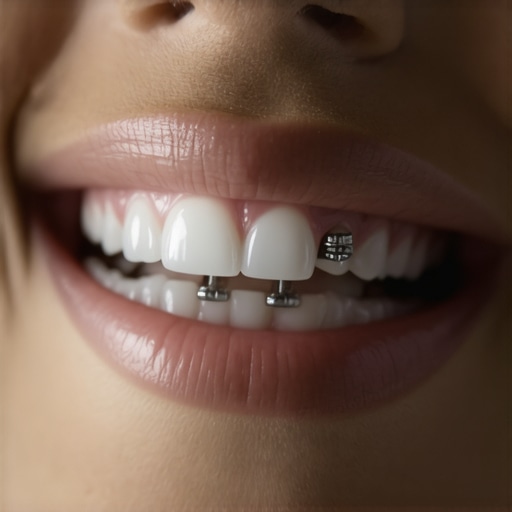
I remember the exact moment I realized something was off with my dental implants. It was after a routine coffee sip—my favorite morning ritual turned uncomfortable. I thought, “Maybe it’s just the cup today,” but as days went on, I felt a strange looseness that I couldn’t ignore. It was unsettling, like my smile was betraying me. That lightbulb moment made me dig deeper into what could be secretly causing my implants to loosen—and boy, was I surprised by the common habits I unknowingly fell into!
The Hidden Culprits Behind Loosening Dental Implants
Since then, I’ve become quite the detective about oral health. What I discovered is that some everyday routines and habits might be quietly putting pressure on your dental implants. These aren’t necessarily bad habits in isolation, but their cumulative effect can be detrimental. Today, I want to share with you the four habits that, despite their subtlety, could be loosening your implants without you realizing it. And better yet, I’ll offer practical tips to help you strengthen your smile instead.
Is It Really Worth The Worry? Common Skepticism
Admittedly, I was skeptical at first—how could simple daily routines threaten my dental work? I made a mistake early on by dismissing minor discomforts as normal. But as a seasoned advocate for better dental habits, I learned that ignoring these small signs could lead to bigger problems. So, if you’re thinking, “Is this really something to worry about?” remember, prevention is always better than repair. Trust me, taking small steps now can save you from costly, painful procedures later. For more insights, I recommend reading about the latest innovations in orthodontic treatments, like those discussed here.
Secure Your Implants with Daily Habits
Start by establishing a consistent oral hygiene routine. Use a soft-bristled toothbrush and non-abrasive toothpaste to gently clean around your implants twice daily. I once faced a situation where I rushed through brushing, neglecting the area around my implant. The result was mild inflammation a week later, which I addressed immediately by adjusting my technique to include circular motions, ensuring no plaque buildup that could weaken the implant’s grip. Remember, meticulous cleaning prevents bacteria from causing inflammation that might lead to loosening.
Manage Bite Forces Effectively
Clenching or grinding teeth can exert excessive pressure on implants, risking loosening. To mitigate this, consider wearing a nightguard if you notice signs of bruxism. I learned this the hard way when I started waking up with sore jaws. Getting a custom nightguard from my dentist reduced the force I applied during sleep, preserving my implant stability. Think of your implant like a delicate hinge—excessive force, especially during grinding, can cause it to loosen over time.
Adjust Your Diet to Protect Your Investment
Hard or sticky foods can place undue stress on your implants. Avoid biting into tough apples or chewy candies. Once, I made a mistake of cracking a hard nut with my front teeth, feeling a sudden jolt. That added pressure compromised the bonding on my veneer, which I noticed when it felt slightly loose hours later. To prevent such incidents, cut foods into manageable pieces and avoid using your front teeth as tools. This simple step prolongs the lifespan of your dental work.
Schedule Regular Check-ups
Routine dental visits are crucial. Your dentist can spot early signs of implant mobility, such as subtle wiggles or discomfort. I scheduled a checkup after noticing my implant felt slightly different during brushing. My dentist confirmed minor bone loss around the implant, which we managed with targeted cleaning and medication. Regular visits, at least twice a year, help catch issues before they escalate, saving you from complex repairs later. For comprehensive family dental care strategies, visit our family dentistry tips.
Avoid Harmful Habits that Strain Your Teeth
Habits like nail-biting, pen-chewing, or opening packaging with your teeth can compromise the stability of your implants. During a stressful week, I caught myself biting my nails absentmindedly—felt a slight looseness afterward. Switching to stress-relief techniques like squeezing a stress ball or chewing sugar-free gum helps reduce unnecessary strain. Also, get into the habit of not using your teeth as tools for opening packages, which can crack or dislodge the implant-bonded teeth. By consciously modifying these habits, you extend the life and stability of your dental implants.
Many patients approach treatments like Invisalign, veneers, and teeth whitening with common beliefs that can hinder their outcomes. Let’s dig deeper into these misconceptions and reveal overlooked nuances that only expert practices understand. For instance, a widespread myth is that veneers are permanent and irreversible. While they are durable, improper placement or neglect can lead to issues, emphasizing the importance of an experienced cosmetic dentist. Moreover, some believe that whitening is a quick fix, but frequent use of over-the-counter products can damage enamel and cause sensitivity, as supported by a study in the Journal of Esthetic and Restorative Dentistry.
Why Do Some People Experience Unexpected Discoloration After Whitening?
This unexpected outcome often results from residual stains that are difficult to remove or underlying dental restorations that don’t respond to bleaching agents. Knowing how to identify these scenarios requires expertise, and a thorough assessment can save you from disappointment and additional procedures. Additionally, many assume Invisalign alignment is only about aesthetics, but neglecting its function can lead to bite issues or uneven wear over time. Advances in smart aligners, such as those discussed here, show how technology now enables more precise and beneficial treatments. When considering family dentistry, the biggest mistake is overlooking the significance of early preventive care. Regular checkups aren’t just about cavities; they help detect developing misalignments, habits, or early signs of periodontal disease, which can be mitigated with tailored strategies. Misunderstanding these nuances can lead to more invasive corrections later. Remember, dental health is interconnected—neglecting minor issues can impact cosmetic results or long-term oral health. So, avoid the trap of thinking these procedures are just superficial fixes; they are investments into your overall well-being. Have you ever fallen into this trap? Let me know in the comments.
Maintaining Your Smile with Precision Tools
Ensuring the longevity of treatments like Invisalign, veneers, or teeth whitening requires the right equipment and disciplined routines. I rely on a combination of advanced cleaning devices, smart software, and expert-approved techniques that I personally use to keep my smile in top shape. In this post, I’ll share my favorite tools for ongoing maintenance, how they fit into my routine, and what future trends suggest for long-term dental health.
High-Quality Ultrasonic Cleaners for Daily Hygiene
My daily routine starts with an ultrasonic toothbrush, specifically the Philips Sonicare DiamondClean. I chose this model because its sonic technology is effective at disrupting plaque without damaging delicate restorations, such as veneers or composite bonding. It features brushing modes tailored for sensitive or whitening-finished teeth, making it versatile for my needs. The real advantage is its built-in timer and pressure sensor, which help avoid overbrushing—crucial for preserving crowns and implants over time.
Smart Software for Wearable Monitoring
To manage habits like teeth grinding or clenching, I use a smart device called ProDental’s SleepGuard app paired with a pressure sensor embedded in my nightguard. This setup tracks my bruxism patterns over time, providing detailed reports and personalized recommendations. Using data-driven tools like this ensures I catch issues early, reducing the risk of implant loosening or veneer chipping. The future of dentistry is leaning heavily toward integrated health monitoring, which can alert you to potential problems before they become visible.
Professional-Grade Whitening Kits
For maintaining my whitening results, I trust custom-fitted trays with professional-grade whitening gel from my dentist. Unlike over-the-counter options, these deliver consistent results and are gentler on enamel. I recommend applying the gel for the recommended duration, typically 15-20 minutes, twice daily. This consistency prevents overexposure, which could cause sensitivity or damage. As the trend moves toward personalized and minimally invasive cosmetic procedures, investing in quality tools makes a tangible difference.
How do I keep my dental work looking good over the long haul?
Regular checkups are essential, but proactive care involves daily habits and the right tools. For example, I supplement my routine with interdental brushes designed specifically for veneers and implants, minimizing plaque build-up in hard-to-reach areas. Combining these with routine professional cleanings ensures my smile remains healthy and aesthetic. Solid maintenance involves understanding that even the best treatments require ongoing care, utilizing technology and expert techniques to stay ahead of potential issues.
Looking Ahead: The Future of Dental Maintenance
Advancements in AI-powered diagnostics and smart wearables are set to revolutionize how we care for dental restorations. Imagine continuous, real-time monitoring of implant stability or veneer integrity, alerting you immediately of any anomalies. Such innovations will likely become standard in dental practices, making maintenance more effective and less invasive. As these tools evolve, embracing them now will give you a significant advantage in preserving your investment in cosmetic and restorative dental work.
If you want to explore how these innovative tools can fit into your routine, I suggest trying a high-quality ultrasonic cleaner combined with smart habit-tracking apps. Starting today can make a real difference in ensuring your smile remains as perfect as the day you achieved it. For more insights into upcoming technologies, check out the latest in Invisalign innovation.
Throughout my experience with invisalign, veneers, family dentistry, and teeth whitening, I’ve uncovered lessons that go beyond surface-level advice. These insights, often overlooked, have profoundly shaped how I approach my dental wellness. Today, I want to share some personal revelations that you might find enlightening on your own path to a healthier, more confident smile.
3 Surprising Lessons That Changed My Smile Strategy
- Consistent Care Over Time Beats Quick Fixes: Initially, I believed sporadic treatments could maintain my smile, but I learned that daily habits and routine checkups build a resilient foundation. The real bang for your buck comes from ongoing attention rather than temporary solutions.
- Not All Brightening Products Are Created Equal: I experimented with over-the-counter whitening, only to experience sensitivity and uneven results. Trusting expert-recommended, professional-grade options yielded consistent, long-lasting brightness—proving expertise matters.
- Healthy Gums Are the Secret to Long-Lasting Results: Even the most beautiful veneers or aligners won’t hold properly if your gums aren’t healthy. Integrating gum care into my routine has extended the durability of my cosmetic investments.
Tools I Swear By for a Radiant Smile
- Ultrasonic Toothbrushes: Devices like the Philips Sonicare DiamondClean offer gentle yet effective cleaning, crucial for maintaining veneers and implants without damage.
- Smart Monitoring Apps: Tools such as ProDental’s SleepGuard app help track habits like teeth grinding, enabling proactive adjustments that protect your smile.
- Professional Whitening Kits: Custom-fitted trays with trusted gels have transformed my whitening routine, delivering results that no over-the-counter products can match.
- Interdental Cleaners: Small brushes designed for implants and veneers help keep hard-to-reach areas spotless, preventing plaque buildup and issues down the line.