
Why Your Teeth Feel Sensitive Only When You Drink Cold Water Through a Straw
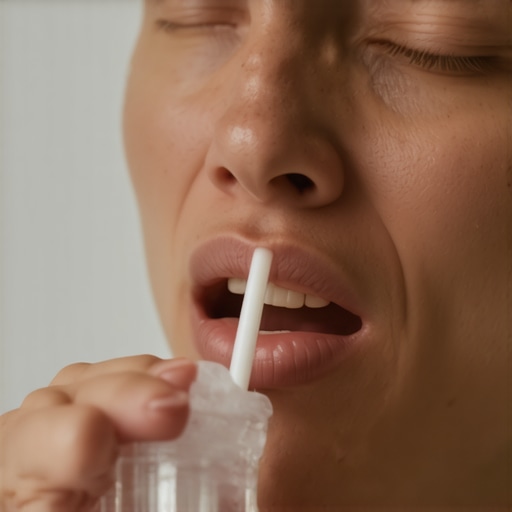
I remember the moment vividly — I was at a family gathering, enjoying a cool beverage through my straw, when suddenly, a sharp, almost shocking pain shot through my teeth. It was as if my teeth had developed a new, unwelcome sensitivity overnight. That lightbulb moment made me realize I wasn’t alone; many people experience this peculiar and frustrating issue. It seemed harmless, but I knew it signified something more, something worth digging into.
Why Does Cold Water Through a Straw Trigger Sensitivity, But Not When Drinking Normally?
Could It Be Your Technique or Something Deeper?
This common problem is more than just an annoyance — it’s a signal from your teeth that something’s out of balance. When you sip cold water through a straw, the water bypasses your front teeth, often directing the cold right onto sensitive areas or exposed dentin. This intense spot-specific contact can amplify discomfort, revealing underlying issues you might not notice otherwise.
Early on, I made a mistake I see many others repeat: I assumed sensitive teeth meant I needed to switch to gentler toothpaste. Instead, I learned that underlying causes like gum recession, enamel erosion, or tiny cracks could be to blame. Addressing only surface symptoms often leaves the root problem unhealed, leading to persistent issues. For a trusted insight, the American Dental Association highlights that enamel erosion and gum recession are leading causes of tooth sensitivity (source).
So, why does drinking the same cold water normally not cause discomfort? Well, the answer lies in how water contacts your teeth. When drinking from a glass, the cold water hits your teeth more evenly and with less focus, giving your teeth a chance to buffer the cold. Using a straw, especially if positioned at the front, concentrates the cold onto exposed or weakened areas, causing that shocking sensation.
This condition can be simply annoying or a sign of deeper dental health issues. Either way, understanding why it happens is the first step to finding relief. Are you tired of avoiding your favorite cold drinks? Do you wonder if this sensitivity will worsen over time? Stay with me — next, we’ll explore proven strategies to alleviate this discomfort and protect your smile for years to come.
Identify the Underlying Cause of Sensitivity
Examine Your Dental Health and Habits
My first step was to visit my dentist for a thorough check-up. During my appointment, the dentist examined my gums and enamel, and identified mild gum recession and enamel erosion as contributors. Recognizing the root causes helped me tailor my approach, avoiding generic solutions. Regular check-ups ensure you catch issues early and prevent further damage, linking to comprehensive family dentistry tips (see more).
Adjust Your Drinking Technique
How You Sip Matters Much More Than You Think
Instead of creating a tight seal with the straw, I started to slightly loosen my grip and position the straw to avoid direct contact with sensitive areas. It’s like guiding a stream of water gently onto a sponge rather than forcing it through a narrow pipe; this reduces the cold’s focus on exposed dentin. I also learned to sip more slowly, letting my saliva buffer the cold. Small adjustments like these can significantly lessen discomfort without sacrificing the pleasure of cold beverages.
Strengthen and Protect Your Enamel
Use Enamel-Shielding Products Correctly
I switched to a desensitizing toothpaste specifically designed for enamel protection, which contains potassium nitrate to calm nerves and restore mineral density. Applying it twice daily like clockwork is essential. For best results, I followed up with a fluoride rinse after brushing, acting like a protective armor. Regular mineralization treatments with fluoride varnishes from a dental professional are also invaluable for reinforcement, aligning with strategies shared in professional whitening and veneer care (see tips).
Modify Your Oral Care Routine
Gentle Brushing and Avoiding Overly Acidic Foods
I started brushing with a soft-bristled brush and avoided abrasive toothpaste that can wear down enamel faster. Rinsing with a neutral pH water after consuming acidic foods and drinks, like citrus or soda, prevented further erosion. Implementing these habits is akin to maintaining delicate machinery—gentle, consistent care prevents worsening issues. If you’re considering cosmetic upgrades like veneers or whitening, understanding how routine care affects longevity is crucial (see more).
Seek Professional Solutions When Needed
Explore Restorative Options Like Veneers or Bonding
When my sensitivity persisted despite home care, I consulted a dentist specializing in cosmetic and restorative dentistry. They recommended thin porcelain veneers to cover fractured or worn enamel areas, akin to applying a protective shell over a vulnerable surface. These restorations can shield exposed dentin from cold stimuli and improve appearance. For detailed insights into veneer options and how they transform smiles, check out this guide. Properly fitted veneers also prevent further sensitivity caused by enamel loss, reinforcing the importance of professional intervention when necessary.
While most people have a basic understanding of cosmetic and family dental procedures, few realize the hidden nuances that can significantly impact outcomes. A frequent mistake is believing that all veneers are created equal or that Invisalign is just another clear aligner system. In reality, the technology behind Invisalign is evolving rapidly, with innovations that set it apart from traditional braces (see how it’s changing in 2025). Oversimplifying these differences can lead to choosing an option that doesn’t meet your precise needs, resulting in disappointment or even damage.
Another misconception is that family dentistry is only about routine cleanings and fillings. In truth, it encompasses preventative strategies tailored for children and adults, focusing on long-term oral health. Ignoring this broader scope might mean missing early signs of complex issues, which can become costly later (learn about comprehensive family care).
When it comes to teeth whitening, many assume over-the-counter products suffice. However, they often lack the potency or proper application techniques necessary for significant results. Using products without understanding their limitations risks enamel damage or inconsistent whitening. Professional whitening procedures managed by dentists are designed to maximize safety and efficacy (discover professional secrets).
Are All Veneers Safe for Every Smile?
Many believe veneers are a permanent fix suitable for everyone. But in fact, improper sizing or material choice can cause aesthetic or functional issues. For example, overly large veneers can look unnatural or cause biting problems, undermining your smile’s harmony. Understanding the importance of customizing veneers to facial proportions is crucial, and consulting with an experienced cosmetic dentist can make all the difference (see how to choose the right veneers).
Moreover, many overlook the subtle factors that influence longevity and durability—such as the bonding technique or material quality. Falling into these traps can lead to premature veneer failure or the need for replacements sooner than expected. Always prioritize comprehensive assessments and expert advice to avoid these pitfalls.
Have you ever fallen into this trap? Let me know in the comments. By appreciating these advanced nuances, you’re better equipped to make informed decisions that truly benefit your oral health and aesthetic goals.
Maintaining your dental enhancements and general oral health requires the right tools and a strategic approach. I rely heavily on a few key pieces of equipment and methods that ensure longevity, optimal function, and comfort. These tools are not just gadgets—they’re the backbone of a proactive dental care routine that keeps your smile shining. To start, I use a **sonic electric toothbrush** like the Philips Sonicare DiamondClean. Its superior plaque removal, gentle bristle action, and built-in timers help me brush effectively without risking enamel damage, especially important after veneer placement or whitening treatments. Regularly replacing brush heads—every three months—is crucial; worn bristles compromise cleaning efficiency. For those with sensitive teeth, I recommend a **water flosser** such as the Waterpik Aquarius. It targets plaque and debris in hard-to-reach areas, reducing gum inflammation and preventing issues like recession that can expose dentin, causing sensitivity. Personally, I find that integrating the water flosser into my nightly routine significantly improves gum health and prevents breakouts of sensitivity. When it comes to long-term monitoring, I utilize **digital dental health apps** like DentAlive, which sync with my dental provider. These apps allow me to track symptoms, note any discomfort, and schedule maintenance visits seamlessly. With the future of dental care leaning toward tele-dentistry, these platforms make it easier to consult remotely for adjustments or checks, ensuring my compliance and early detection of potential problems. For professional whitening, I trust custom-made **LED whitening trays**, which I regularly refresh to maintain results. They’re more controlled and less abrasive than over-the-counter options, and they prevent uneven whitening or damage to veneers. Keeping these trays clean and stored properly—preferably in their dedicated case—prevents bacterial buildup and prolongs their usability. As technology advances, I predict that AI-driven at-home monitoring systems will become standard, alerting users to early signs of decay or gum issues based on photos or sensor data. This proactive shift will revolutionize long-term dental maintenance, allowing for more personalized, early interventions.
How do I maintain my dental work over time?
Implementing precise tools like the Sonicare and Waterpik, combined with regular professional check-ups and customized whitening regimens, is key. Remember, always consult your dentist to tailor these tools to your specific needs, especially if you have veneers, Invisalign, or other restorations. Don’t underestimate the power of proper maintenance; it saves time, money, and preserves your smile’s beauty for decades. Want to extend your dental restoration’s lifespan? Start by integrating a **powerful sonic toothbrush and targeted water flossing** into your routine today. For more detailed guidance on family dental care routines and long-term strategies, visit this resource.
The Unexpected Lessons That Transformed My Smile Journey
One of the most valuable lessons I learned was that dental health isn’t just about fixing what’s broken—it’s about understanding the subtle signs your body gives you, especially with sensitive teeth and aesthetic concerns. I realized early on that rushing into treatments without exploring underlying causes can lead to temporary fixes rather than lasting solutions, something I deeply regret. Additionally, I discovered that even the most advanced veneers or Invisalign aligners require diligent maintenance and personalized care—what works for one smile might not suit another. Finally, the importance of trusting experienced professionals over quick-fix solutions became clear; this investment in expertise paid off in a beautiful, healthy smile that I can enjoy years later.