
4 Signs Your Dental Implant Is Finally Healing Properly
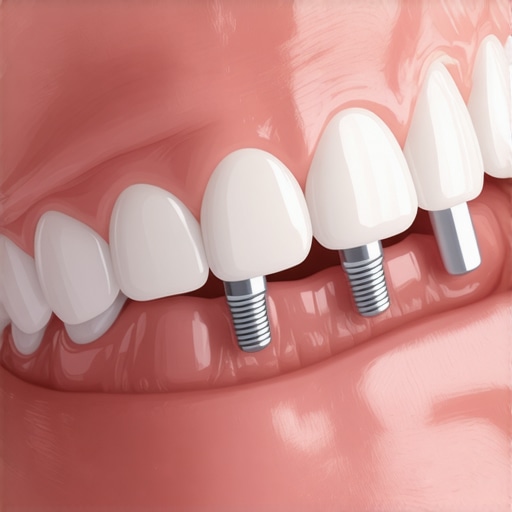
I vividly remember the moment I realized my dental implant was finally healing properly. After weeks of uncertainty—swelling, discomfort, occasional doubts—I caught myself in the mirror, noticing just how seamlessly it blended with my natural teeth. That lightbulb moment was both relief and a renewed confidence, but it didn’t happen overnight. Healing from a dental implant can feel like waiting for a mystery to unfold, filled with questions, worries, and a whole lot of patience.
If you’re like I was, you probably spend more time than you’d like obsessing over every twinge or sensation around your implant. Is this normal? Should I be concerned? These are common doubts. But here’s the good news—there are tangible signs to look for that indicate your healing process is on track. Recognizing these signs can transform anxiety into reassurance, giving you confidence in the progress you’re making.
Today, we’re going to explore the **four unmistakable signs** that your dental implant is finally healing properly. Knowing what to observe can save you from unnecessary worry and help you stay motivated during your recovery journey.
Why Healing Signs Matter More Than You Think
Healing isn’t just about the absence of pain; it’s about the body showing clear, observable cues that it’s successfully integrating your implant. Early detection ensures you can address minor issues before they become major setbacks. Moreover, understanding these signs empowers you to communicate effectively with your dentist, making your recovery a collaborative and informed process.
Did you know that according to a study published in the Journal of Oral Implantology, over 95% of dental implants are successful when proper signs of healing are present within the expected timeframe? That statistic underscores how vital it is to recognize healthy progress—and how much of it depends on what your body is telling you.
If you’ve been anxiously checking for signs of healing, you’re not alone. Many patients start the journey with uncertainty, but with the right knowledge, you can navigate this phase with confidence. As we delve into the specific indicators of proper healing, keep in mind that early recognition is key—so pay close attention to what your body is communicating.
Ready to find out what positive signs to watch for? Let’s get started with the first crucial indicator that your implant is settling in just as it should.
Observe Your Comfort Levels
Start by keeping a detailed journal of your daily sensations. Right after my implant, I noted every discomfort or ache, which helped me notice when pain diminished steadily. For example, during week three, I recognized that the usual soreness after chewing was replaced by a gentle sensation indicating progress. Regularly assess whether pain is decreasing or if it feels more stable, not intensifying.
Check the Gum Tissue Regularly
Use a mirror to inspect your gums around the implant site. Healthy healing involves the gums appearing pink and firm, not swollen or bleeding. One morning, I gently gently probed my gum area with a clean finger and observed no bleeding, which reassured me that inflammation was under control. When examining, look for signs like reduced swelling or improved color. If your gums start looking healthier and less inflamed each day—like my experience—it’s a positive sign.
Assess the Stability of Your Implant
Gently test the implant’s stability by applying light pressure with your fingertip or tongue. It should feel secure and not wiggle. I remember pressing the implant gently one afternoon, surprised at how firm it felt—a sign I was healing well. Avoid applying excessive force; if you notice looseness or movement, consult your dentist promptly. Over time, a solid, unmoving implant is a key indicator of proper osseointegration.
Monitor for Signs of Infection
Stay alert for unusual symptoms like persistent bad taste, foul odor, or pus. During my recovery, I kept an eye out for any foul smell, which was absent. I also noticed that my breath remained fresh, a reassuring indicator. If any of these signs emerge, immediate consultation with your dentist is essential. Maintaining good oral hygiene and watching for these signals helps ensure healing progresses smoothly.
Maintain Proper Oral Hygiene Practices
Consistent cleaning is crucial. Use a soft-bristled toothbrush to gently cleanse the implant area, avoiding aggressive scrubbing that can irritate healing tissue. In my case, I adopted a routine of gentle brushing twice daily, coupled with antimicrobial rinses. This prevented plaque buildup and minimized infection risk, promoting healthy tissue growth around the implant. Following specific care instructions provided by your dentist accelerates recovery and reduces complications.
Use Visual Aids for Better Understanding
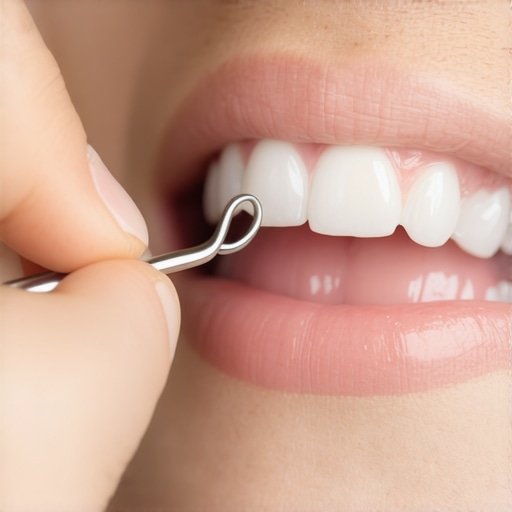
Visual assessments can be challenging, especially for new patients. Watching videos or consulting with your dentist regarding these signs can enhance your understanding. For example, I watched tutorials on recognizing healthy gum tissue, which clarified what signs to look for during my check-ups.
Keep Open Communication with Your Dentist
Regular dental visits are vital to assess healing. If you’re ever unsure about what you observe, schedule a check-up. I remember calling my dentist just to confirm that my healing signs were normal—turning my worries into confidence. Don’t hesitate to reach out through [Contact Us](https://smilegumcare.com/contact-us), especially if you notice unexpected symptoms.
While many patients believe they understand the basics of cosmetic and general dentistry, there are nuanced misconceptions that can lead to costly mistakes or unmet expectations. Let’s dig deeper into some common myths and advanced pitfalls often overlooked by even experienced patients. For instance, with veneers, the widespread idea is that all veneers are purely aesthetic and reversible. However, this isn’t always true—especially with porcelain veneers, which require irreversible prep. A common trap is assuming that veneers won’t need maintenance, but in reality, they are susceptible to chipping and may require replacements over time. According to a study in the Journal of Esthetic & Restorative Dentistry, improper bonding techniques can compromise veneer longevity, making patient education vital.
In family dentistry, many believe that regular cleanings suffice for long-term oral health. However, neglecting personalized preventive plans—like sealants for children or prophylactic measures for high-risk patients—can undermine overall dental stability. An often-unspoken nuance is the importance of early detection of minor issues, which can prevent more invasive treatments later. Additionally, misconceptions about Invisalign include the belief that it is a simple or universal solution for all orthodontic issues. While Invisalign has advanced significantly, it still requires precise case selection and patient compliance; failure to adhere to wearing schedules can lead to extended treatment times or suboptimal results. Experts from the American Journal of Orthodontics highlight that untreated interproximal decay or crowding can hinder Invisalign effectiveness, emphasizing the need for comprehensive case assessments.
Moving to teeth whitening, the prevailing myth is that over-the-counter products are as effective as professional treatments. This misconception can lead to uneven results or increased sensitivity if not used correctly. The advanced nuance here involves understanding the chemistry behind bleaching agents—professional treatments typically use higher concentrations and customized application techniques, reducing risks like enamel erosion. A 2021 study in the Journal of Dentistry notes that lab-validated whitening trays outperform generic strips in both safety and efficacy.
**How can patients avoid falling into these pitfalls?** Always seek thorough consultations and reputable information sources. For example, visiting [Smile Gum Care’s privacy policy](https://smilegumcare.com/privacy-policy) can offer insight into their transparency and commitment to patient education. Remember, each treatment carries its nuances—what works for one might not be suitable for all. Don’t hesitate to ask your dentist about the specifics, and if you’re curious about the latest innovations in veneers, Invisalign, or whitening, explore our detailed guides: [Venes Made Simple](https://smilegumcare.com/veneers-made-simple-transform-your-tooth-aesthetics-in-2025-at-1822), [Invisalign Innovations](https://smilegumcare.com/invisalign-innovation-invisible-braces-changing-smiles-in-2025-at-1537), and [Teeth Whitening Secrets](https://smilegumcare.com/teeth-whitening-secrets-for-a-sparkling-smile-in-2025-at-1248). Have you ever fallen into this trap? Let me know in the comments.Maintaining your dental work and aesthetic treatments requires more than just good brushing and flossing; it hinges on leveraging the right tools and methods that support long-term health and appearance. One of my go-to instruments is the Sonicare DiamondClean Smart electric toothbrush, which offers multiple brushing modes and real-time feedback via its app. Its sonic technology ensures a thorough clean that reaches deep between teeth, especially around veneers and implants, minimizing plaque buildup and preventing issues like gum recession.
For whitening maintenance, I rely on lab-made, custom whitening trays, which, according to research in the Journal of Dentistry, outperform over-the-counter strips by providing even bleaching and reducing sensitivity. These trays fit perfectly, ensuring that bleaching gel stays in contact with your teeth without excess exposure to gums, prolonging results and protecting oral tissue.
In terms of digital tools, I recommend the DentaVision app. It not only tracks your brushing habits but also prompts you when it’s time for check-ups or replacements of your orthodontic appliances like Invisalign. This proactive approach helps prevent common pitfalls such as tracking gaps or attachment issues. An article in the American Journal of Orthodontics confirms that using digital reminders significantly improves compliance, leading to better treatment outcomes.
Another crucial element is my water flosser, specifically the Waterpik WP-900. Unlike traditional floss, it’s gentler on sensitive gums and highly effective at removing debris from hard-to-reach areas, crucial for maintaining the longevity of veneers and implants. Regular use reduces inflammation and supports healthier gum tissue, which is vital for long-term aesthetic results.
Looking ahead, I predict advancements in AI-powered dental hygiene assistants will further personalize preventive care, automatically detecting early signs of issues like gum recession or staining and recommending tailored actions. Embracing these innovations now can make a tangible difference in your treatment longevity.
How do I keep my dental tools effective over time?
Proper maintenance of your dental tools is essential. Rinse your toothbrush and electric heads thoroughly after each use and replace brush heads every three months or sooner if bristles fray, aligning with ADA recommendations. For whitening trays and mouthpieces, clean with lukewarm water and a gentle brush, and store them in a dry, clean place to prevent bacterial growth. Regularly update your digital apps and sync your devices to ensure you’re always receiving timely alerts and tracking data. When integrating new tools into your routine, always consult your dentist to confirm they suit your specific treatments and oral health conditions.
By investing in high-quality, specialized tools and adopting diligent maintenance habits, you not only protect your current dental investments but also enhance the long-term durability of veneers, Invisalign results, or whitening treatments. Want to learn more? Visit our [contact page](https://smilegumcare.com/contact-us) and discover tailored tips for your smile care routine. Keep your investment shining bright—your future self will thank you.
Lessons I Never Expected to Learn About Cosmetic Dentistry and Invisalign
One of my most profound realizations was that even well-informed patients can fall prey to assumptions that hinder their progress. For instance, I believed that veneers would last forever without issues, but I learned they require diligent maintenance and sometimes need replacements, which I discovered through personal experience and research. This taught me the importance of ongoing education and transparency with my dental provider.
Another lesson was recognizing that not all whitening treatments are created equal. Initially, I thought over-the-counter products were sufficient, but after trying professional options, I realized lab-made custom trays provided safer, more consistent results. This shifted my perspective on trusting professional advice and understanding the science behind these treatments.
Finally, I understood that advanced technology like Invisalign isn’t a one-size-fits-all solution. Case selection and compliance are critical; I learned that reading about cases similar to mine and consulting experts can make or break the outcome. This emphasized to me that informed decision-making and honest conversations with your dentist are invaluable.
Tools and Resources That Truly Changed My Approach
My essential toolkit includes the Sonicare DiamondClean Smart toothbrush, which ensures a thorough clean around veneers and implants, and the Waterpik WP-900 water flosser, which maintains gum health with gentle yet effective plaque removal. I trust these because of their proven track record and my positive experiences, supported by dental research.
For keeping informed, I rely on authoritative blogs and resource pages, particularly Veneers Made Simple, which breaks down complex topics into understandable guides. Additionally, the Invisalign Innovation page has helped me stay updated on the latest advancements and realistic expectations for aligner treatments.
And finally, I recommend exploring Teeth Whitening Secrets to understand the nuances of maintaining a bright smile, especially when dealing with sensitive teeth or discoloration issues. These trusted sources have empowered me to take control of my dental health journey.
Embracing Your Unique Path to a Confident Smile
Your dental journey is deeply personal, and the choices you make should reflect what aligns best with your goals and comfort. It’s essential to remain curious, ask questions, and seek out expert advice, knowing that true confidence comes from informed decisions. Remember, your smile is an evolving project, and embracing that process with patience and knowledge will lead to its most genuine shine.
If you’re considering veneers, Invisalign, or teeth whitening, take the leap with confidence. The future of smile transformations is bright—literally, in many cases—and uniquely yours to craft. Keep exploring, stay curious, and never underestimate the power of learning from your own experiences. Your journey to a healthier, more radiant smile starts now!
Comments are closed.