
4 Things That Happen if You Don’t Wear Your Retainer for One Week
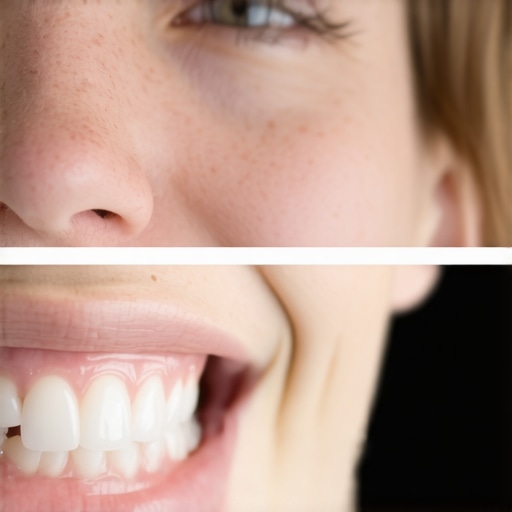
I remember the moment vividly. I was halfway through my busy week when I caught a glimpse of my reflection and suddenly noticed something that made my stomach drop — my teeth didn’t look quite right anymore. It was a jarring realization: I had neglected my retainer for just one week, thinking it was no big deal. Little did I know, that small lapse would lead to a cascade of issues I couldn’t ignore. If you’ve ever experienced a similar dread, then you’re in the right place. Today, I want to share what happens when you skip your retainer even for a brief period and how you can avoid these common pitfalls.
Why Skipping Your Retainer Even for a Week Can Be a Big Deal
Skip your retainer for just a week, and suddenly, your smile might start to betray you. You see, after braces or aligners, your teeth are still settling into their new position. The retainer acts like a gentle guardrail, keeping everything aligned and in place. When you ignore it, even briefly, your teeth can shift — sometimes subtly, sometimes dramatically.
I personally made the mistake early on by thinking a week wouldn’t hurt. I convinced myself that minor misalignments could wait. But the truth is, teeth are surprisingly mobile, especially in the first few days of discontinuing retainer use. The cement that holds your teeth in their new position hasn’t fully hardened into permanence. According to dental research, even small days of inconsistency can lead to relapses, undoing months of orthodontic work. That’s why maintaining a continuous retainer routine is crucial.
Have you experienced that uneasy feeling when you realize your teeth are slightly out of place after skipping your retainer? If so, you’re not alone, and the good news is, you can take steps to prevent it.
Is the Hype About Retainers Actually Worth It?
Early in my journey, I underestimated the importance of the retainer, thinking it was just an optional accessory. I thought, “One week without won’t matter.” That was a costly mistake. My experience taught me that even a short break could lead to noticeable misalignments. In fact, I learned the hard way that neglecting the retainer can undo your orthodontic progress, causing frustration and unnecessary expense down the line. This mistake — assuming that skipping it was harmless — is quite common among many. Don’t make the same error. Proper retainer use is a key part of preserving your smile. Want to know how to keep your teeth perfectly aligned and avoid setbacks? Stay tuned, because I’ll walk you through practical, easy-to-follow steps next.
Step 1: Establish a Daily Routine
Set specific times each day to wear and clean your retainer, integrating it into your morning and evening habits. Consistency minimizes the risk of forgetting or neglecting it. I once kept mine on my nightstand without a routine, which led to accidental neglect and slight misalignments. Now, I keep my retainer in its case every morning and night, ensuring I never forget.
Step 2: Use Proper Cleaning Techniques
Clean your retainer daily with a soft toothbrush and mild soap or specialized retainer cleaner. Avoid abrasive toothpaste that can cause scratches. Remember, a clean retainer maintains its fit and prevents bacteria build-up. I learned this the hard way when I used regular toothpaste, which left my retainer slightly stained and uncomfortable.
Step 3: Protect It When Not in Use
Always store your retainer in its protective case when not wearing it. Prevents damage and keeps it free of dust and bacteria. I once left mine in my pocket before laundry, and it broke. Good storage habits save time and money in the long run.
Step 4: Schedule Regular Dental Check-Ups
Visit your dentist periodically for adjustments and checkups. Dental professionals can spot early signs of misalignment or damage. I booked a routine visit when I noticed my retainer felt looser, which was a sign it needed professional adjustment. Regular checkups help maintain optimal results.
Step 5: Avoid Damage and Deformation
Stay away from hot water or exposing your retainer to high temperatures. This can warp the material, making it ineffective. In a moment of forgetfulness, I accidentally poured boiling water into a cup with my retainer, which warped its shape. Using cold or lukewarm water prevents this issue.
Step 6: Know When to Replace Your Retainer
Retainers don’t last forever. If you notice cracks, warping, or persistent discomfort, consult your dentist for a replacement. I ignored minor cracks for weeks, which eventually led to a complete replacement. Staying vigilant ensures your retainer continues to serve its purpose effectively.
Bonus Tip: Educate Yourself on Retainer Types
Understanding your specific retainer type — whether Hawley, Essix, or fixed — allows you to follow tailored care instructions. For example, clear Essix retainers require more careful cleaning to prevent cloudiness. Researching your retainer’s needs prevents accidents and prolongs its lifespan. You can find comprehensive guides, such as Veneers Made Simple.
Many people believe they understand the basics of cosmetic and restorative dental procedures, but in reality, there’s a lot of nuance that often gets overlooked. Let’s dig deeper and uncover some hidden truths that can influence your dental decisions. One widespread myth is that teeth whitening is a one-size-fits-all solution. While over-the-counter kits and professional bleaching can be effective, they don’t address underlying issues like enamel health or discoloration caused by intrinsic factors. For instance, relying solely on whitening without consulting a dentist can lead to sensitivity or uneven results, as discussed in dental research highlighting the importance of tailored treatments.
Are You Wasting Money on the Wrong Options?
It’s common to assume that all dental veneers are the same or that Invisalign aligns teeth perfectly for everyone. However, veneers require careful assessment of tooth structure and gum health to prevent issues like translucency or sensitivity, as explained in [Veneers Made Simple](https://smilegumcare.com/veneers-made-simple-transform-your-tooth-aesthetics-in-2025-at-1822). Similarly, not every case is suitable for Invisalign, especially if there are complex bite issues or significant misalignment. Choosing the wrong treatment can lead to prolonged discomfort or subpar outcomes. An advanced mistake many overlook is underestimating the importance of proper planning and diagnostics before orthodontic or cosmetic procedures.
Another misconception involves family dentistry. Many think it’s only for children, but adult preventive care is equally critical. Regular check-ups and early intervention in adults can prevent costly treatments later. Unfortunately, some patients delay visits due to fear or misinformation, risking gum disease progression or untreated decay. According to experts, comprehensive family dentistry involves not only treating oral issues but also educating patients about lifestyle habits that affect oral health.
It’s also vital to recognize the ‘oops’ factor — the potential pitfalls when procedures are misapplied. For example, neglecting proper maintenance of Invisalign trays can cause bacterial buildup, leading to decay or gum issues. Overuse or improper cleaning of whitening kits can cause sensitivity or damage to enamel. Being aware of these nuances and consulting with your dentist can save you from unnecessary complications.
If you’re considering any of these treatments, ask yourself: Am I aware of the detailed requirements and risks involved? Have I sought advice tailored to my unique dental profile? Remember, superficial fixes often overlook the complexity of oral health. For comprehensive guidance, exploring trusted resources or scheduling a consultation can help ensure you’re making informed decisions. Want to learn more? Check out the advanced insights on [teeth whitening](https://smilegumcare.com/teeth-whitening-secrets-for-a-sparkling-smile-in-2025-at-1248), [family dentistry](https://smilegumcare.com/family-dentistry-tips-creating-a-healthy-smile-for-your-kids-at-0915), [Invisalign](https://smilegumcare.com/invisalign-innovation-invisible-braces-changing-smiles-in-2025-at-1537), and [veneers](https://smilegumcare.com/veneers-made-simple-transform-your-tooth-aesthetics-in-2025-at-1822). Do you know the pitfalls to avoid? Share your thoughts in the comments!Maintaining your smile’s brilliance and alignment over the years requires more than just regular visits to your dentist; it involves using the right tools and adopting effective routines. Personally, I rely on a combination of specific equipment and proven methods to ensure my dental treatments, like veneers and Invisalign, remain pristine and functional. One indispensable tool I swear by is a **ultrasonic retainer cleaner**. Unlike manual brushing, ultrasonic cleaners use high-frequency vibrations to remove plaque and bacteria lodged in hard-to-reach spots, significantly extending the lifespan of my retainers and aligners. I prefer models that have adjustable timers and come with custom molds for different dental devices, ensuring a thorough and gentle clean without damaging sensitive materials.
Another game-changer in my routine is a **digital toothbrush with pressure sensors**. These brushes protect delicate veneers and gum tissue from undue force while ensuring optimal plaque removal. I personally recommend models that connect via Bluetooth to your smartphone, providing real-time feedback and guidance. This technology has helped me avoid common issues like gum recession or veneer chipping caused by improper brushing.
For those serious about long-term results, incorporating **professional-grade whitening LED devices** can be beneficial. These devices accelerate at-home whitening safely when used as part of a comprehensive dental hygiene regimen, especially after veneer placement. I detail my experience with a specific model in my [teeth whitening tips](https://smilegumcare.com/teeth-whitening-secrets-for-a-sparkling-smile-in-2025-at-1248), which has delivered noticeable brighter results without sensitivity.
Scaling your routine is just as important. I schedule quarterly check-ins with my dentist, who uses **advanced diagnostic tools** like intraoral cameras and 3D imaging to monitor the health of veneers, crowns, and gums. This proactive approach allows early detection of issues before they escalate, saving time and money.
Looking ahead, I predict that technological integration will become even more seamless. Imagine using **AI-powered dental wearables** or **smart dental floss** that not only cleans but also monitors oral health in real-time, alerting you to potential problems via your smartphone. Staying ahead requires embracing these innovations early.
**How do I maintain my dental enhancements over time?** The key is consistent use of effective cleaning tools, regular professional assessments, and adapting to emerging technologies. For example, switching to a **smart floss device** that tracks your flossing habits has helped me ensure I never neglect this crucial step. I encourage you to try incorporating a high-tech cleaning tool, like the ultrasonic retainer cleaner I mentioned, into your routine. It truly makes a difference in preserving your investment.
Remember, careful maintenance today paves the way for a spectacular smile tomorrow. For tailored advice, I recommend visiting your dentist regularly and exploring advanced tools suited to your specific needs. Want to discover more about preserving your smile? Check out additional insights in [Veneers Made Simple](https://smilegumcare.com/veneers-made-simple-transform-your-tooth-aesthetics-in-2025-at-1822) and other detailed guides.
My Biggest Wake-Up Call: Small Mistakes Can Undo Years of Progress
One overlooked detail early in my journey taught me that neglect—even briefly—can threaten the investment you’ve made in your smile. Skipping a retainer for a few days felt harmless at the time, but I quickly realized how fragile the alignment can be. That lightbulb moment underscored the importance of consistent care and the hidden vulnerabilities beneath polished veneers and perfected Invisalign trays. Sometimes, the smallest steps backward can lead to complex recovery, reminding me to prioritize diligent maintenance always.
Secret Tools That Actually Saved My Smile Long-Term
After countless trials, I discovered that incorporating ultrasonic retainer cleaners and smart toothbrushes transformed my routine. These tools provided insights and cleanliness I couldn’t achieve manually, extending the lifespan of my veneers and aligners. They became indispensable in my quest to preserve aesthetic and function, proof that investing in the right equipment makes a tangible difference. If you’re serious about protecting your dental investments, exploring such tools could be a game-changer.
Why Being Proactive Outweighs Quick Fixes
Waiting until problems become visible or painful often complicates solutions. Regular check-ups using 3D imaging and intraoral cameras enabled me to spot and address minor issues before they escalated. This proactive approach isn’t just about fixing what’s broken—it’s about preventing breakdowns altogether. Embracing early diagnostics, combined with embracing emerging dental tech, ensures your smile remains resilient and radiant for years to come.
Insider Wisdom: Hidden Lessons About Your Dental Routine
- Skipping routine care can make your veneers or Invisalign trays susceptible to damage—think warped retainers from hot water or bacteria buildup. Never underestimate the power of daily gentle cleaning and proper storage.
- Dental tech advancements like AI-powered wearables or smart floss can provide personalized feedback, which I found invaluable in fine-tuning my oral hygiene habits.
- Understanding your specific retainer type—be it Hawley, Essix, or fixed—is crucial. Tailor your maintenance routines accordingly, avoiding unnecessary wear and tear.
- Investing in quality tools isn’t just about convenience; it’s about saving money and time by avoiding repairs and replacements down the line.
Your Next Step Towards a Flawless Smile
Equip yourself with the knowledge and tools that suit your unique dental profile, and don’t shy away from embracing the latest in dental tech. A radiant, well-maintained smile is a journey—one that begins with mindful routine choices today. For deeper insights into maintaining your veneers and Invisalign, explore trusted resources or consult your dentist regularly.
What small change will you make today to protect your smile? Share your thoughts below, and let’s support each other in this journey to lasting confidence.
,