I vividly remember the day I realized my Invisalign trays weren’t sitting quite right anymore. It wasn’t a dramatic shift overnight, but subtle misalignments started to catch my eye, and then my dentist mentioned the dreaded term: tracking gaps. Suddenly, my smile felt unpredictable, and I wondered if all that progress was slipping away. If you’ve been through something similar, you know how frustrating it can be—those tiny gaps that appear and threaten to undo months of effort.
Understanding this challenge is crucial because, according to recent studies, mid-course issues like tracking gaps can extend treatment time and increase costs if not addressed early (source: American Association of Orthodontists). The good news? There are effective strategies to *stop* these gaps before they even form, saving you time, money, and heartache.
Today, I want to share four tried-and-true methods I’ve personally used and seen work wonders for others. Whether you’re just starting or well into your Invisalign journey, knowing how to prevent tracking gaps can keep your treatment smooth and predictable.
Why Are Tracking Gaps Such a Big Deal?
Tracking gaps occur when Invisalign trays don’t perfectly follow the planned path, often leading to delayed results or the need for refinements. They can be caused by various factors—improper tray wear, lost attachments, or even minor patient habits. In my experience, the earlier you catch and prevent them, the less hassle you’ll face at the end of your treatment.
One mistake I made early on was neglecting the importance of detailed attachment placement, thinking they weren’t that crucial. That oversight caused some initial tracking issues, and I had to revisit my orthodontist multiple times. Now, I know the small details make a big difference, which is why I recommend being proactive from the start.
Let’s dive into the four strategies that can help you keep those pesky gaps at bay, ensuring your Invisalign journey remains predictable and efficient.
Ensure Proper Tray Fit from the Start
Begin by meticulously checking your Invisalign trays before inserting them. Make sure attachments are securely seated and the trays align perfectly with your teeth. During my early days with Invisalign, I overlooked this step, which led to minor gaps. Now, I double-check each tray and hold it against my teeth to confirm the fit, preventing tracking issues.
Follow a Consistent Wear Schedule
Wear your trays for at least 20-22 hours daily. Use a timer or set reminders; I used my phone’s alarm to stay disciplined. Skipping or removing trays early can cause movement misalignments. For example, once I accidentally took my tray out during a busy day and noticed slight misalignment the next morning. Consistency is key.
Apply Gentle Force for Tray Seating
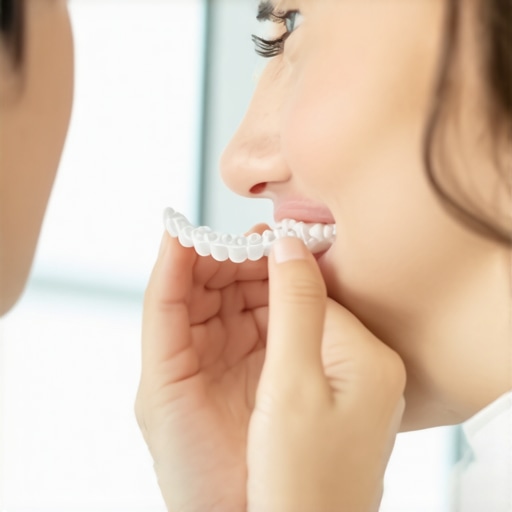
If a tray feels a bit loose, gently press and hold it onto your teeth for a few seconds. This helps seat the tray correctly and encourages proper tracking. I found that pressing down on the molars with clean fingers ensured the tray seated snugly, reducing the risk of gaps forming.
Maintain Good Oral Hygiene and Check Attachments Regularly
Clean your teeth thoroughly before applying a new tray. Residual plaque or debris can interfere with tray seating. Additionally, inspect attachments weekly—lost or loose attachments can cause trays to shift. During my routine check, I noticed one attachment was slightly loose; I reported it to my orthodontist immediately, which prevented subsequent tracking issues.
Prevent Habit-Formed Movements That Disrupt Tracking
Avoid habits like pushing your tongue against trays or chewing on pens. These actions can dislodge trays or attachments. I learned this the hard way when I absentmindedly pressed my tongue against my tray, causing a slight gap. Being mindful of these habits preserves proper alignment.
Use Retainer Keepers or Custom Cases for Storage
Store trays securely when not wearing them to avoid accidental damage or loss, which can disrupt treatment. Whenever I travel, I use a dedicated case, ensuring I always have a safe spot for my trays, reducing mishaps that could lead to gaps.
Schedule Regular Check-ins with Your Orthodontist
Periodic assessments help catch tracking issues early. I scheduled monthly visits, which allowed my dentist to monitor progress and tweak attachments if needed. Early intervention prevents minor misalignments from becoming significant gaps.
Applying these concrete steps consistently can significantly reduce the likelihood of tracking gaps, keeping your Invisalign treatment on track. Remember, proactive habits and attentive care play vital roles in achieving that perfect smile.
 Many patients believe they understand the basics of veneers, Invisalign, teeth whitening, and family dentistry, but there are subtle complexities that often go unnoticed. One widespread myth is that veneers are purely cosmetic and require no maintenance; in reality, if not properly cared for, veneers can stain or chip just like natural teeth, and improper bonding can lead to long-term issues, as highlighted in recent studies emphasizing the importance of choosing a qualified provider for veneer application (source: Veneers Made Simple).
Another misconception revolves around Invisalign’s effectiveness solely based on wear time. While wearing trays for at least 20 hours daily is crucial, the real nuance lies in patient compliance during wear and attachment management. Overlooking these factors can lead to delayed results or mid-course corrections, which are often thought to be inevitable rather than preventable through meticulous hygiene and adherence (Invisalign Innovation).
Teeth whitening is often misunderstood as a one-size-fits-all solution. But the truth is, whitening kits vary significantly in strength, delivery method, and suitability for different stains. Many are unaware that OTC products may cause uneven bleaching or sensitivity, especially when used without professional guidance. In fact, professional-grade whitening trays have been scientifically shown to deliver more uniform and longer-lasting results (Teeth Whitening Secrets), underscoring the importance of consulting your dentist before starting any whitening routine.
Family dentistry, despite being the foundation of dental health, is often viewed as only routine cleanings and checkups. However, the nuanced approach involves customized preventive strategies, early intervention, and education that can prevent costly procedures later on. For example, implementing sealants and fluoride treatments tailored to each child’s risk profile can dramatically reduce decay rates (Family Dentistry Tips).
A common trap patients fall into is assuming that simple procedures like whitening or veneer placement are irreversible or don’t require professional input. This oversimplification can lead to aesthetic mishaps or health risks. It’s essential to recognize that even seemingly minor treatments benefit from an expert’s oversight to ensure optimal safety and longevity.
Have you ever fallen into this trap? Let me know in the comments. Understanding the intricacies and debunking myths in these areas can save you time, money, and prevent unnecessary dental trauma. Your smile is worth the deep dive into what most people overlook—so don’t settle for surface-level knowledge when it comes to your oral health.Maintaining the effectiveness of your veneers, Invisalign, or teeth whitening over time requires not just discipline but also the right equipment and routines. Personally, I rely on high-quality digital tools to monitor progress and catch any issues early. For instance, my dentist uses intraoral scanners, such as the iTero Element, which provide precise 3D digital scans of my teeth, allowing for early detection of misalignments or bond failures before they become serious problems. These scanners are user-friendly and produce highly detailed images, making follow-up assessments quick and accurate.
How do I keep my dental treatments working seamlessly over the years?
Consistency in maintenance routines is crucial. I schedule regular check-ins with my dentist—at least biannually—to review my treatment status, especially if I have veneers or Invisalign. During these visits, I request digital scans to ensure everything remains aligned and to identify any early signs of wear or damage. For at-home care, I swear by specialized ultrasonic toothbrushes like the Philips Sonicare DiamondClean, which effectively remove plaque without damaging veneers or enamel, extending the lifespan of your dental work. Coupled with professional cleaning, these tools help preserve your investment.
In the future, I predict that advancements in artificial intelligence and machine learning will enable even more personalized at-home monitoring devices, alerting patients to issues in real-time via smartphone apps. Such tools could dynamically analyze your oral health data and notify you before any visual signs appear, drastically reducing the risk of long-term problems. Staying ahead of potential issues through smart technology could become the new standard in dental maintenance.
Don’t overlook the importance of using specialized aids—like water flossers and whitening gels—with certification or professional endorsement. Devices such as the Waterpik Sonic-Fusion combine flossing and brushing, deeply cleaning around veneers and orthodontic attachments without risk of damage. Moreover, professional-grade whitening kits, designed for home use under dentist supervision, ensure consistent results and prevent uneven bleaching or sensitivity issues. Consistent use of these tools effectively prolongs your treatment results and reduces the need for costly corrections later. And if you’re considering major changes, such as additional veneers, I strongly recommend consulting your family dentist to customize a maintenance plan tailored to your needs—particularly if you have started the journey at a young age (family dentistry). Start integrating these advanced tools today, and see how they can reinforce the work done during your treatments—your smile will thank you!Why I Wish I Knew These Tips Sooner
One of my biggest lightbulb moments was realizing how critical small details are in maintaining my dental work. Simple habits like consistent attachment checks or gentle tray seating can make the difference between smooth progress and setbacks. I used to think that once I started Invisalign or got veneers, my role was finished—until I learned that proactive care and awareness are what truly preserve my smile over the long haul.
Another lesson I uncovered was the power of technology. Digital tools like intraoral scanners don’t just streamline appointments—they catch subtle issues early, saving me from larger corrections later. This shift in perspective taught me that investing in my ongoing dental health isn’t just about aesthetics but about preserving functionality and confidence.
Finally, understanding the importance of personalized routines tailored to my unique needs has been invaluable. Not every product or routine works for everyone, and discovering what fits my lifestyle helped prevent common pitfalls—like using incompatible whitening products or neglecting gum health around veneers. These lessons have empowered me to take control of my dental destiny with confidence.
Tools and Resources that Shaped My Approach
- Intraoral Scanners (e.g., iTero Element): These high-precision devices allow for early detection of misalignments or bonding issues, making routine checkups more insightful and less invasive. I trust them because they provide a clear picture of my oral health, enabling timely interventions.
- Ultrasonic Toothbrushes (like Philips Sonicare DiamondClean): Regular use of gentle yet effective tools extends the lifespan of veneers and keeps my gums happy. Their advanced cleaning technology reassures me that I’m doing enough at home between professional visits.
- Smart Monitoring Apps: In the near future, I expect to see AI-driven apps that alert me about potential issues before they become visible. Staying ahead of problems is my goal—and these future tools excite me about proactive dental health.
- Professional Whitening Kits: Using dentist-recommended whitening trays ensures uniform results without damaging my teeth or veneers. It’s a small investment that pays off with brighter, longer-lasting results.
Embrace the Power of Your Smile
Your journey to a flawless smile isn’t just about following routines—it’s about cultivating awareness, leveraging technology, and making informed choices every step of the way. Every small action today builds toward a healthier, more confident you tomorrow. Don’t hesitate to explore advanced tools or discuss your concerns with your dentist—passion and knowledge are your best allies in maintaining that radiant smile. Have you ever experienced a breakthrough in your dental routine? Share your story below and inspire others on their smile journey.
Leave a Reply