Why Your Gums Bleed More During the First Week of Invisalign
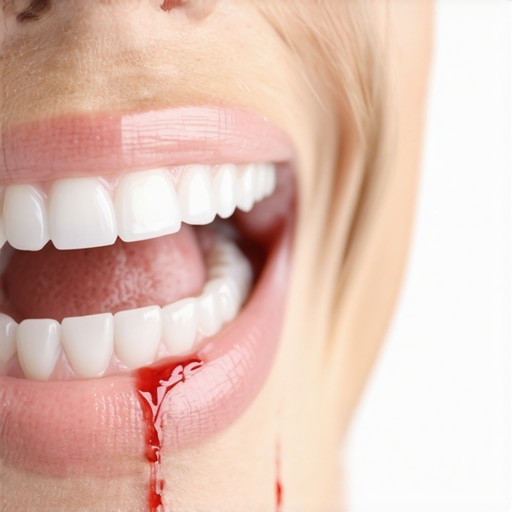
Ever felt like your gums are protesting more than usual right after starting Invisalign? I remember the shock when I first noticed blood while brushing—thinking I’d somehow hurt myself without realizing it was a common reaction. That lightbulb moment was a game-changer for me, and I want to share that experience because, honestly, many people face this strange initial side effect and feel worried or even discouraged.
The Real Reason Your Gums Bleed More When Beginning Invisalign
Is This Normal or Should I Worry?
Many new Invisalign wearers find themselves alarmed at the increased bleeding, especially during the first week. Here’s the truth—it’s more common than you might think. Your gums are adjusting to the new orthodontic forces, and this irritation can cause bleeding. But don’t let that concern you too much. In fact, it’s a sign your gums are actively responding, and with proper care, this phase will pass. Early in my journey, I made a mistake by neglecting my oral hygiene during those initial days—thinking the bleeding was just a minor hiccup. Instead, I discovered that maintaining a diligent brushing routine and avoiding excess pressure minimized discomfort and sped up recovery.
According to research from the American Association of Orthodontists, mild bleeding often occurs during the initial days of treatment, but persistent bleeding warrants a consultation. So, it’s essential to recognize the difference between normal initial reactions and signs of underlying issues.
If you’re experiencing this right now, know that you’re not alone, and there’s a clear path forward. Today, I’ll guide you through what’s really happening, how to handle it, and what steps you can take to make your Invisalign journey smoother and healthier.
Master Your Oral Hygiene Routine Immediately
Brush Correctly and Consistently
Start by brushing your teeth at least twice daily with a soft-bristled brush and fluoride toothpaste. During my first week, I was tempted to cut corners, thinking gentle brushing was enough. However, I realized that meticulous, gentle strokes along the gum line prevent further irritation and reduce bleeding. Think of it like polishing a delicate surface—too much pressure causes damage, but the right gentle touch cleans effectively.
Floss with Precision
Flossing clears plaque and food debris between teeth, preventing inflammation that worsens bleeding. When I first began, I struggled with stubborn flossing due to swollen gums, but I found that using a gentle zig-zag motion and a waxed floss made the process smoother. Consistent flossing diminishes irritation and promotes healthy gum tissues, much like cleaning debris from a tight machinery part ensures smooth operation.
Opt for Targeted Rinses to Calm Gums
Use Antiseptic Mouthwash
Incorporate an alcohol-free antiseptic rinse to kill bacteria that cause gum inflammation. During my initial days, I added a gentle rinse after brushing, which calmed my irritated gums. Think of this as a firefighter dousing a small flame—the antiseptic reduces bacteria and cools inflammation, making bleeding less severe over time.
Salt Water Solutions are Your Friends
Mix half a teaspoon of salt in warm water and swish for 30 seconds. This natural remedy reduced my gum swelling and bleeding in a matter of days. It’s like giving your gums a soothing bath that accelerates healing and neutralizes acidity—a crucial step during the sensitive initial phase of Invisalign.
Adjust Your Diet and Habits
Avoid Hard, Sticky Foods
Steer clear of crunchy, chewy, or sticky foods that could aggravate your gums or damage your aligners. I remember biting into a crisp apple and feeling a sharp pang that worsened bleeding. Instead, opt for soft foods like yogurt, mashed potatoes, or smoothies, which are gentle on your gums and help maintain oral health without adding stress to your healing tissues.
Limit Sugary and Acidic Drinks
Sugary beverages fuel bacteria growth, and acids can erode enamel, making gums more prone to bleeding. I replaced soda with herbal teas and water, noticing calmer gums and less bleeding. Think of this as removing the fuel that ignites inflammation—keeping your mouth in a neutral environment supports faster healing.
Maintain Regular Dental Checkups and Professional Advice
Schedule Routine Dental Cleanings
Visit your dentist regularly to ensure no underlying issues exacerbate bleeding. During my visits, my dentist advised me on flossing techniques and adjusted my routine, which kept my gums healthy. Remember, professional cleanings remove plaque deposits that home care might miss—think of it as routine maintenance on your car to prevent breakdowns.
Consult if Bleeding Persists
If bleeding does not diminish after a few days despite diligent care, seek professional guidance. Persistent bleeding could indicate underlying gum disease or other issues. Trust in your dentist’s expertise to address root causes, just like consulting a mechanic for persistent engine problems.
 When it comes to cosmetic and family dentistry, many misconceptions persist that can lead patients astray. One common myth is that all veneers are permanent and irreversible. While some veneer types are indeed designed to last for decades, others may require replacement or adjustment over time, especially if not properly cared for. It’s crucial to understand that not all veneers are created equal—materials like porcelain offer durability, but their success hinges on correct placement and maintenance. For detailed information on veneers and their longevity, exploring expert insights can be immensely helpful.
Streamlining Maintenance with Advanced Equipment
Keeping your smile pristine requires the right tools. Personally, I rely heavily on the Oscillating Sonic Toothbrush because its superior plaque removal capability minimizes enamel wear and ensures gentle cleaning—crucial for veneers and whitening results. Unlike standard brushes, its oscillating head reaches into hard-to-access areas, reducing gum recession risks and prolonging the lifespan of your cosmetic investments.
Another indispensable gadget is the Dental Microscope. I use this during routine checkups to detect early signs of wear or microfractures in veneers and crowns, enabling preventive adjustments before minor issues escalate, saving you time and money in the long run.
Smart Software for Long-Term Results
To stay ahead of maintenance, I recommend using specialized digital tracking software that syncs with your Invisalign trays. This technology monitors tray fit and tracking accuracy in real-time, alerting you or your dentist to issues before they compromise alignment or cause discomfort. Integrating such software into your routine ensures precision, reduces the need for costly refinements, and extends the lifespan of your correction or whitening treatments.
Why Consistent Cleaning at Home Matters
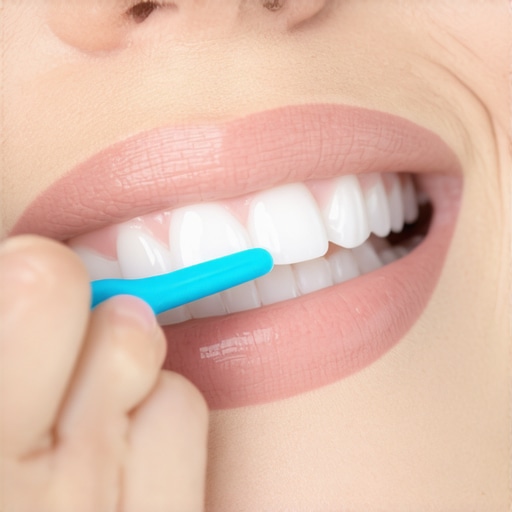
Alongside high-tech gadgets, the foundation for durable cosmetic results is diligent daily care. I personally switch to a tailored dental hygiene routine that includes interdental brushes designed specifically for veneers and braces. These tools efficiently clean around attachments and prevents plaque buildup that can cause staining or gum recession, helping your whitening or veneer work stay bright and secure.
Preparing for Future Treatments
As advancements in family dentistry evolve, staying informed about new tools can make all the difference. For example, emerging cold light whitening devices promise faster, more uniform results with less sensitivity. I suggest consulting with your dentist about incorporating these innovations into your long-term maintenance plan to keep your smile radiant for years to come.
How do I maintain my cosmetic smile over time?
Consistency is key. Regular professional checkups combined with the tools and routines discussed—like using a sonic toothbrush, digital tracking apps, and specialized interdental cleaners—ensure durable, beautiful results. Remember, investing in advanced equipment now can prevent costly repairs and make scaling your treatment seamless. For personalized recommendations, visiting your dental professional is always the best move. Ready to enhance your maintenance routine? Try upgrading to a high-quality oscillating toothbrush today and notice the difference in your smile’s health and longevity.
Embarking on your Invisalign journey can be exciting, but discovering unexpected gum bleeding might throw you off balance. From my own experience, I learned that these initial setbacks hold valuable lessons about oral health and the importance of proactive care. Recognizing these signs early and adjusting your routine can turn discomfort into an opportunity for improved dental habits that last a lifetime.
Lessons That Changed My Perspective on Smile Makeovers
- Patience is Your Best Friend: I used to think that quick fixes were the goal, but I realized that gentle, consistent care during the early stages of Invisalign prevent setbacks like bleeding and set the foundation for a stunning smile.
- Detail Matters More Than Ever: Paying close attention to your brushing angle and pressure minimizes irritation. Small adjustments in technique make a significant difference, which I found out after several trial-and-error sessions with my dentist.
- Stay Informed and Open to Advice: Resources like professional guides on veneers and whitening helped me understand the nuances of cosmetic dentistry, empowering me to make wiser choices throughout my treatment.
Tools That Elevated My Dental Care Routine
- Oscillating Sonic Toothbrush: Its gentle yet thorough cleaning helped reduce gum irritation and maintained the health of my gums during Invisalign. I highly recommend it for anyone seeking precision and comfort.
- Smart Tracking Apps: Digital tools that monitor your tray wear and oral hygiene habits kept me accountable and informed, ensuring I stayed on plan and avoided unnecessary complications.
- Interdental Brushes: Specially designed brushes for braces and veneers made cleaning tight spaces effortless and prevented plaque buildup that could lead to bleeding or decay.
A New Way to Prioritize Your Dental Goals
The future of family dentistry and smile transformations is full of possibilities. I encourage you to continually explore new technologies, such as advanced whitening treatments and minimally invasive procedures, which can enhance your journey without unnecessary discomfort. Staying proactive and embracing innovation can help ensure that your dental health remains a source of confidence and happiness for years to come.
Comments are closed.