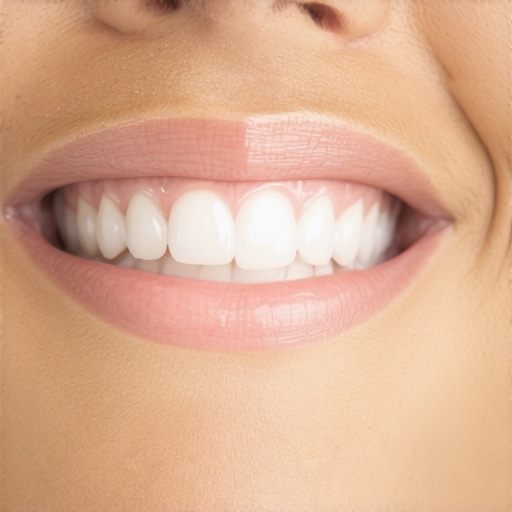
I’ll never forget the mirror moment that hit me during my Invisalign journey. There I was, expecting my teeth to be gradually transforming into that perfect smile, but instead, I saw my crooked teeth still glaring back at me. It was like waiting for a sunrise that stubbornly refused to appear. Frustrating, right? You start wondering if the treatment is actually working or if you’re just throwing money down the drain.
The Real Truth Behind Those Stubborn Crooked Spots in Your Smile
Here’s the thing: it’s completely normal to feel disheartened when your teeth don’t seem to shift as quickly as you’d hoped halfway through Invisalign. You’re not alone, and there’s a good reason for this delay. Sometimes, the teeth respond faster or slower based on their original positioning, the complexity of your case, or how well you follow your orthodontist’s guidelines. And yes, even a small mistake early on, like not wearing your aligners consistently, can stall progress. I learned this the hard way when I skipped wearing my trays for a few days — big mistake! That’s why, knowing what to expect and how to handle these plateaus makes all the difference.
Does Invisalign Really Live Up to the Hype?
Many people, myself included, have wondered if Invisalign is truly worth the investment when progress seems sluggish. My biggest mistake was assuming I’d see instant changes, which set me up for unnecessary disappointment. The truth is, Invisalign is a cutting-edge solution, but it’s not magic. Its success depends heavily on patient compliance and tailored treatment plans. According to recent studies, about 70% of Invisalign cases accomplish noticeable results within the expected timeframe, but the remaining 30% might need extra attention or a tweak here and there. For clarity on how to avoid common pitfalls, check out the latest Invisalign innovations.
So, have you faced this frustrating plateau where your teeth seem to have frozen in place? If so, don’t worry — in the upcoming sections, I’ll share practical steps rooted in real experience that can help get your smile moving again towards its best version. Stick around, because understanding why your teeth still look crooked halfway through can empower you to take the right actions and finally see the progress you deserve.
Assess Your Alignment Routine for Consistent Progress
Picture this: I once found my aligners sitting on the bathroom counter untouched for a couple of days. Progress stalled, and I wondered what went wrong. The key is to prioritize wearing your aligners exactly as prescribed. Use a daily reminder on your phone or place a sticky note on your mirror to reinforce this habit. Always store your trays in their designated case to prevent loss or damage, ensuring continuous treatment without setbacks.
Optimize Your Oral Hygiene to Support Teeth Movement
Brush and Floss Religiously
Misaligned teeth are more susceptible to plaque buildup, which can slow down teeth movement. I committed to brushing twice a day and flossing nightly, paying special attention to areas near attachments. This kept my gums healthy, reducing inflammation that could hinder the process. For tips on maintaining excellent oral health during orthodontic treatment, consider consulting family dentistry guidelines.
Use Interdental Cleaners and Water Flossers
In addition to regular floss, I integrated water flossers into my routine. This effective tool cleans hard-to-reach areas, preventing buildup around aligner attachments. Clean teeth promote better force application from aligners, speeding up movement. If you’re unsure how to integrate these tools, your dentist can offer personalized advice to enhance your home care.
Adjust Your Diet for Faster Teeth Shifts
Just like an athlete fuels their body for performance, your teeth need proper nutrition to respond well to treatment. Avoid dense, sticky foods that can pull off attachments or cause damage. Instead, focus on soft, nutrient-rich options like smoothies, mashed vegetables, and lean proteins. I found that cutting out hard candies and chewy snacks helped maintain the integrity of my aligners and attachments, reducing treatment delays.
Address Mechanical Challenges with Your Provider
If progress remains sluggish despite good habits, schedule a check-up with your orthodontist. They may need to evaluate your aligners, attachments, or plan adjustments. Sometimes, a simple refinement or modification can jump-start movement. During my visit, my provider changed some attachments and added small innovations to improve tracking, which made a noticeable difference in my teeth’s response. For more insights on modern orthodontic tech, explore the latest Invisalign innovations.
Stay Informed About Potential Plateaus
Understanding that temporary slows are part of the process reduces frustration. Keep a treatment journal to monitor your progress and note any setbacks. Sometimes, minor factors like aligner fit issues or oral inflammation can cause teeth to appear stuck. Regular communication with your dental team ensures these issues are promptly addressed, keeping your smile journey on track. For specific troubleshooting, visit dental fee insights.
Implement Personalized Strategies for Lasting Results
Everyone’s mouth responds differently, so customized approaches work best. Whether it’s incorporating fluoride rinses, using chewable aligner tracers, or adjusting wear schedules, tailor your routine as recommended by your provider. I once experimented with timed aligner removals during meals, which improved both comfort and movement. Keep experimenting within professional guidance to find what accelerates your progress without risking setbacks.
Remember, patience paired with strategic action is your best tool to break through stubborn plateaus and achieve the smile you envision.
Many patients enter the realm of cosmetic dentistry with high hopes but often hold misconceptions that can hinder their results. One common myth is that teeth whitening provides permanent results; in reality, maintenance is essential, and touch-ups are often necessary to sustain brightness, especially if one consumes staining foods or drinks. Additionally, many believe veneers are an instant fix for all aesthetic concerns, but they require careful preparation, and improper placement can lead to issues like uneven edges or color mismatch. It’s critical to understand that veneers involve surface modification, and not every tooth is suitable for them without risking damage to the natural enamel.
What advanced considerations should I be aware of to ensure long-term success with veneers?
One overlooked nuance is the importance of proper bonding techniques and material choices. Using subpar materials or outdated bonding protocols can cause veneers to lift or stain prematurely. Recent studies highlight that zirconia-based veneers offer greater durability and stain resistance compared to traditional resin composites, but they also demand precise layering and curing processes. A common mistake is underestimating the importance of minimally invasive prep to preserve tooth integrity; aggressive grinding can lead to heightened sensitivity or even pulp damage over time. For those serious about durability and aesthetics, collaborating with a provider who stays updated on digital smile design and cutting-edge materials is worth the extra effort. To deepen your understanding, review how modern veneer techniques are evolving, and always ask your dentist about their latest training.
Another misconception revolves around teeth whitening and sensitivity. Many assume that sensitivity issues are unavoidable or indicative of damage; however, recent advances suggest pre-treatment protocols like using nano-hydroxyapatite rinses can significantly reduce post-whitening discomfort. These biocompatible solutions promote remineralization, strengthening enamel before chemical bleaching. Avoiding common pitfalls—such as overusing peroxide gels or skipping pre-treatment—can save you from unnecessary pain or even deterioration of your tooth structure. As with all procedures, personalized planning is key, and discussing these nuances with your dental team ensures optimal results without unintended consequences. For specific strategies, consider exploring how pre-treatments can protect your teeth during whitening.
How can I tell if my family dentist truly keeps up with the latest tech and techniques?
While many assume that all practices are equally updated, the reality is that continuous education and adoption of new tools vary widely. Modern family dentistry integrates advances such as digital scans, AI-assisted diagnostics, and laser treatments, all of which improve patient outcomes and comfort. For instance, digital impressions eliminate goopy molds, speeding up procedures and increasing accuracy, while AI analysis can detect early decay unseen to the naked eye. To verify a practice’s commitment, inquire about recent technological upgrades or certifications. You might also look for reviews emphasizing their tech-savviness or ask for a tour to see their latest equipment firsthand. Staying informed ensures you’re getting the most effective, minimally invasive, and long-lasting treatments. If you’re curious whether your current provider uses the latest innovations, it’s perfectly acceptable to take the initiative to ask or consult resources like contact us for expert guidance. Have you ever fallen into this trap? Let me know in the comments.
How do I maintain my dental improvements over time?
To ensure that your smile stays stunning after completing treatments like Invisalign, whitening, or veneers, investing in the right tools and adopting consistent habits is crucial. Personally, I rely on specialized equipment and software that streamline maintenance and maximize results. For instance, I use a high-frequency toothbrush like the Philips Sonicare DiamondClean, which offers ultrasonic cleaning patterns that effectively remove plaque and prevent staining, a key factor in preserving whitening results. Its timer feature also ensures I brush for the recommended two minutes, enhancing oral health and preventing decay that could tarnish veneers or compromise aligner fit.
For maintaining Invisalign trays or retainers, I recommend using a dedicated ultrasonic cleaner, such as the Ultradent Ultrasonic Cleaner. I personally use this device monthly to eliminate bacteria and buildup from my trays, preventing discoloration and bad odors—issues many Invisalign users face if they neglect proper cleaning. Incorporating an ultraviolet sanitizing box, like the SteriShoe UV Sanitizer, can also add an extra layer of sterilization, ensuring your appliances remain free from germs and maintain their clarity and integrity over years of use.
What software can help monitor long-term progress?
Modern digital tools have revolutionized dental maintenance. I recommend using dental tracking apps such as Dental Monitoring, which allow my dentist to remotely assess my teeth’s position and health via regular photo submissions. This proactive approach helps catch any relapse or misalignment early before it becomes a problem. Such programs often employ AI to compare current images against treatment goals, providing actionable feedback and guidance. This technology is especially valuable if you want to scale or maintain multiple aesthetic treatments simultaneously, giving you peace of mind that your investments continue to pay off long-term.
Embracing innovations and predicting the future
Looking forward, the trend points toward personalized, AI-driven dental care plans that dynamically adapt as your teeth respond to treatments. Innovations like 3D digitally pre-planned veneers and smart aligners with embedded sensors will further enhance monitoring and adjustments, reducing visits and expediting results. As these tools become more accessible, I predict that maintaining your smile will involve less manual effort and more intelligent automation, ensuring longevity and confidence in your oral health.
Our tools and habits make the difference
Incorporating top-tier cleaning devices, digital monitoring, and proactive communication with your dental provider can drastically extend the lifespan of your treatments. For example, scheduling regular checkups and comparing your progress through your app’s reports ensures any issues are swiftly addressed. I encourage you to try out an ultrasonic cleaner for your trays or explore digital apps that sync with your provider. Just like investing in quality tools in other areas of life, choosing the right dental maintenance technology is a smart move that can save you money and preserve your smile’s beauty for years to come. For more tailored advice, book a consultation here.
Lessons Only Insiders Know About Invisalign and Veneers
One of the most powerful lessons I learned is that consistency trumps perfection; even small lapses can slow your progress more than you think. I also realized that patience isn’t just a virtue but a necessity—every smile takes its own unique time to perfect. Additionally, the importance of tailored advice from experienced professionals became clear; not all tips apply universally, and customizing your routine leads to better results. Finally, I discovered that understanding the science behind treatments empowers you to make choices confidently, avoiding common pitfalls and making your smile journey smoother.
Tools and Resources That Changed My Approach
For anyone serious about achieving lasting dental aesthetics, I recommend exploring modern tools like the latest Invisalign innovations—these keep you ahead of potential setbacks. My personal go-to is the UltrasoniX Dental Ultrasonic Cleaner; it keeps aligner trays pristine and bacteria-free, which is crucial for long-term health. Additionally, apps like Dental Monitoring allowed me to stay connected with my dentist remotely, catching issues early. Lastly, reading about advancements in veneer bonding techniques through trusted sources deepened my understanding and helped me select the right provider for durability and aesthetics.
Keep Moving Forward—Your Smile Deserves It
Every step of your dental journey is an investment in self-confidence and well-being. Remember, setbacks are just setups for comebacks—stay curious, proactive, and patient. Your perfect smile isn’t just a dream; it’s a well-planned, achievable goal. Embrace the process, leverage innovative tools, and trust that your effort will pay off. Now’s the time to take action—your radiant smile is waiting to shine through. How are you planning to elevate your dental routine today? Share below—I’d love to hear your thoughts and experiences.
Leave a Reply