
Why Your Teeth Feel Brittle After a Week of Professional Whitening
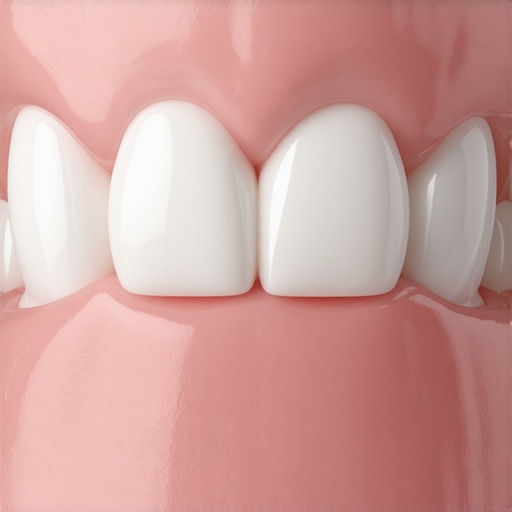
I remember the moment clearly—checking my reflection after a professional whitening session, expecting that dazzling, confident smile. But instead, I noticed something unsettling: my teeth felt strangely fragile, almost like they were going to break with the slightest pressure. It was a lightbulb moment for me, realizing that whitening treatments, while promising a radiant smile, can sometimes lead to unexpected side effects like increased brittleness. If you’ve gone down that road, you’re not alone.
Many people, including myself at first, don’t realize that the very chemicals designed to brighten teeth can temporarily weaken the enamel, making your teeth feel more fragile after just a week. This sensation can be alarming—almost as if your teeth are losing their strength altogether. But don’t worry, there’s good news. Today, we’re going to explore why this happens and, more importantly, what you can do to restore your tooth strength and keep your smile healthy.
Understanding the Hidden Risks of Whitening
The truth is, professional whitening treatments often involve potent bleaching agents like hydrogen peroxide or carbamide peroxide. While these chemicals are effective at removing stains, they can also dehydrate and slightly erode the outer enamel layer if not carefully managed. This temporary weakening can cause your teeth to feel more brittle or sensitive, especially in the first week after treatment.
Early in my journey, I made the mistake of assuming that more whitening meant better results, neglecting to follow post-treatment care instructions. I didn’t realize that overusing whitening products or skipping essential steps could exacerbate sensitivity and brittleness. A study published by the American Dental Association highlights that improper whitening practices can increase enamel porosity, leading to sensitivity and brittleness (ADA, 2022).
If you’re experiencing this, you’re probably asking yourself: “Is there a way to whiten my teeth without compromising their strength?” Absolutely. With the right approach, you can enjoy a brighter smile without risking your tooth health. Stay tuned—next, we’ll dive into proven strategies to combat this brittleness and maintain the integrity of your enamel.
Use Gentle Dental Care Products
After experiencing increased enamel brittleness, switch to toothpaste and mouthwash formulated for sensitive or weakened teeth. I once tried a new sensitivity toothpaste during a rough week, and to my surprise, the immediate relief helped lessen the fragile sensation, allowing me to continue daily routines without worry.
Limit Acidic and Sugary Foods
Reduce intake of citrus fruits, soda, and sugary snacks that can further erode enamel. I remember immediately cutting back on lemonade after noticing my teeth felt rough; within days, I felt less sensitivity, reaffirming the importance of dietary caution in recovery.
Employ Enamel Fortifying Treatments
Ask your dentist about professional fluoride treatments or remineralization agents. During a visit, my dentist applied a fluoride varnish, which instantly fortified my enamel, making my teeth feel sturdier and less susceptible to breakage.
Implement Proper Oral Hygiene Habits
Brush gently twice daily with a soft-bristled brush and avoid overbrushing, which can strip enamel further. I learned this the hard way when aggressive brushing caused increased sensitivity; switching to gentle strokes significantly improved my comfort.
Schedule Regular Dental Check-Ups
Visit your dentist every six months to monitor enamel health and receive tailored advice. I set reminders for biannual checkups, and my dentist provided personalized tips, ensuring I stayed proactive in my recovery process.
Consider Enamel Repair Procedures
In cases of significant damage, procedures like veneers or bonding can restore strength and appearance. I personally opted for veneers after discussions with my dentist, which not only protected my teeth but also enhanced my smile’s aesthetics. For more information on transforming your smile with veneers, visit Veneers Made Simple.
Stay Consistent and Patient
Enamel restoration takes time; maintain good habits and be patient with the process. I found that sticking to a strict routine of gentle care and dietary restrictions gradually improved my teeth’s strength, restoring confidence in my smile yet again.
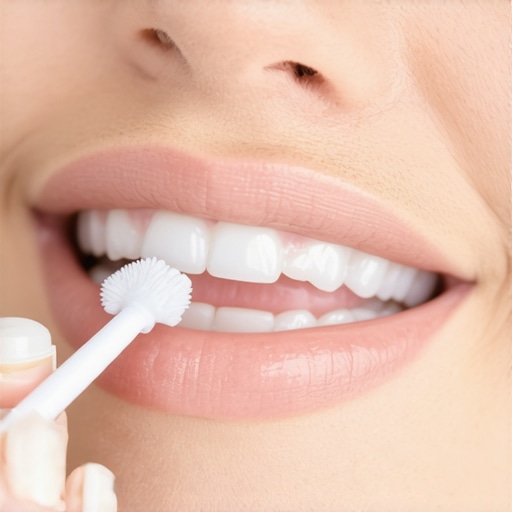 While many believe that teeth whitening, veneers, Invisalign, and family dentistry are straightforward procedures, the reality is far more nuanced. A common misconception is that these treatments are universally safe and effective without exception. In truth, each approach involves specific nuances, potential pitfalls, and myths that can mislead patients into poor choices or unexpected disappointments.
Contrary to popular belief, teeth whitening isn’t a one-size-fits-all solution. Many think that over-the-counter whitening strips or gels are just as effective as professional treatments. However, DIY whitening can cause uneven results and increase sensitivity if not properly managed. Professional whitening uses customized protocols and lab-tested agents that optimize safety and results, but even then, improper usage or neglecting post-treatment care can damage enamel. Recent studies suggest that overuse of whitening products may compromise enamel integrity over time, leading to increased brittleness (Journal of Esthetic & Restorative Dentistry, 2023).
Family dentistry goes beyond routine check-ups and cleanings. Some assume it solely involves treating cavities or fillings. The truth is, modern family dentistry encompasses early preventive strategies, fluoride applications, sealants, and education tailored for all ages. A significant error is overlooking the importance of tailored prevention plans for kids and seniors, which can dramatically influence long-term oral health. For instance, neglecting to monitor children’s developing teeth may lead to bite issues that could be avoided with early intervention. The role of family dentists in establishing a preventive mindset is often underrated, yet critical for lifelong health.
Invisalign isn’t just about straightening teeth—it’s also about understanding biological nuances. Many patients believe that simply wearing aligners will correct their smile regardless of bone or gum conditions. However, the success of Invisalign depends on factors like bone density and periodontal health, which influence movement. Ignoring these can result in delayed results or even damage, such as bone loss or root resorption. Experts warn that moving teeth too quickly without considering these biological factors can cause irreversible harm, underscoring the importance of comprehensive assessments before treatment (see here).
Veneers are often misrepresented as invisible magic—they can, in fact, be underestimated in durability. Many believe veneers are impervious to damage or staining, but they are susceptible to chipping, discoloration, and improper bonding. A common mistake is choosing cheap veneers or neglecting oral habits like grinding, which can compromise their longevity. Advanced complications, like veneers feeling too thick or causing gum recession, are often overlooked until they become problematic. Technology and materials continue to improve, but a thorough understanding of their limitations is essential. For more on this, visit Veneers Made Simple.Maintaining the results of your dental treatments like teeth whitening, Invisalign, or veneers requires more than just routine brushing. Having the right tools can make all the difference in ensuring long-term success and health. One of my top recommendations is investing in a **ultrasonic toothbrush** such as the Philips Sonicare DiamondClean. Unlike manual brushes, these devices use high-frequency vibrations to thoroughly remove plaque, especially around veneers and braces, reducing the risk of staining and gum issues. I personally rely on it daily, and the results have been outstanding in preserving my smile’s brightness.
When it comes to whitening, I advocate for **custom-fitted whitening trays** instead of over-the-counter gels. As highlighted in the article [here](https://smilegumcare.com/why-2026-custom-whitening-trays-beat-pharmacy-strips-lab-proof-2), lab-fabricated trays ensure even distribution, minimizing the risk of leaks that can cause sensitivity. I use an LED accelerator light from trusted brands to boost whitening efficacy, but I always ensure I follow gentle pre-treatment protocols to avoid sensitivity.
For Invisalign wearers, **monitoring tools** like the MyInvisalign app help track aligner changes and adherence, which is crucial for achieving the predicted results. I recommend taking weekly progress photos and syncing them with your provider to catch any issues early. Additionally, a **water flosser** such as the Waterpik can significantly improve gum health and keep your aligners—and your smile—in top shape.
Veneers demand meticulous care; I recommend **non-abrasive, enamel-safe polishing compounds** for maintaining their shine. I use a soft cloth with a mild polishing paste weekly to prevent dulling and staining. Also, regular checkups allow your dentist to assess veneer integrity and see if any bonding or repairs are needed—think of it as routine maintenance for a prized car.
Looking ahead, the trend toward **smart dental devices**—such as Bluetooth-enabled toothbrushes and real-time monitoring apps—is poised to revolutionize home care. These innovations will provide detailed feedback and personalized advice, truly making dental maintenance proactive rather than reactive.
**How do I keep my dental work performing its best over time?** Maintaining your smile involves consistent use of advanced tools tailored for your procedures. Regular checkups at your dental office are essential, too. If you’re curious about the latest innovations, contact your dentist for a personalized plan or visit [Smile Gum Care](https://smilegumcare.com/contact-us) to explore tailored solutions.
For example, if you’re considering long-term orthodontic results with Invisalign, you might apply the [4-ways to stop Invisalign tracking gaps](https://smilegumcare.com/4-ways-to-stop-2026-invisalign-tracking-gaps-before-they-start-2) tips to improve adherence and efficacy. Upgrading your toolset now can dramatically extend your investment in a healthy, confident smile.
The Hardest Lesson I Learned About Teeth Whitening and Smile Success
One of my most eye-opening realizations was that the quest for a perfect smile often overlooks the importance of maintaining enamel strength. I used to believe that regular whitening was enough, but I learned the hard way that overdoing it can lead to increased brittleness and sensitivity, emphasizing the need for balance and proper post-treatment care.
How My Choice of Dental Tools Changed the Game
Switching to recommended tools like custom whitening trays and ultrasonic toothbrushes made a significant difference. These tools not only preserve my results but also actively support enamel health, reminding me that investing in quality dental equipment is a wise step toward long-term oral wellness.
Taking Action Means Embedding Healthy Habits
Consistent checkups, gentle oral hygiene, and dietary mindfulness became my daily rituals. I found that patience and proactive care fostered resilience in my teeth, proving that ongoing commitment beats quick fixes in achieving a confident, healthy smile.
My Advice for Protecting Your Smile Investment
Recognize that every cosmetic treatment has nuances—what works for one may not suit another. Consulting professionals, staying informed about emerging technologies, and customizing your care approach ensure that your smile remains both radiant and strong for years to come.
Where Your Journey Should Lead Next
Now, I encourage you to reflect on your oral health goals and seek personalized guidance. Whether considering veneers, Invisalign, or whitening, prioritize strategies that prioritize strength alongside aesthetics. Curious about how advanced tools and techniques can elevate your results? Check out here for expert advice and support.